Best Hypoallergenic Earrings Material: 2026 Buying Guide
Discover the best hypoallergenic earrings material for sensitive ears. Compare titanium, niobium, and gold grades in our expert 2026 buying guide.

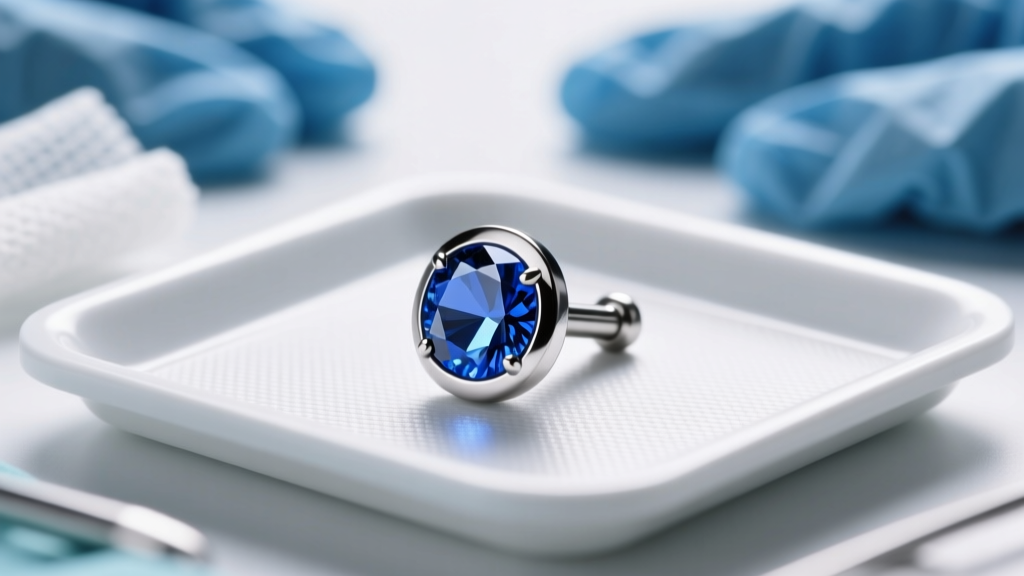
When shopping for sensitive ears, the term "hypoallergenic" is frequently deployed as a vague marketing buzzword rather than a strict metallurgical guarantee. In 2026, with body modification and curated ear stacks more popular than ever, understanding the exact elemental composition of your jewelry is paramount. Whether you are dealing with a fresh cartilage piercing or a lifelong sensitivity to cheap fashion jewelry, selecting the correct hypoallergenic earrings material is the difference between a thriving, comfortable piercing and chronic contact dermatitis.
This comprehensive buying guide cuts through the marketing fluff. We will examine the metallurgical realities of titanium, niobium, and gold, expose common industry traps, and provide a practical decision framework for your next jewelry purchase.
The Science of Earlobe Allergies: Why Metals React
To choose the right material, you must first understand the enemy: nickel. According to the American Academy of Dermatology (AAD), nickel allergy is the most common contact allergy worldwide, affecting up to 36% of women. When sweat interacts with alloys containing nickel, microscopic metal ions are released into the skin. The body's immune system identifies these ions as foreign invaders, triggering macrophages to attack the area, resulting in redness, swelling, itching, and weeping skin.
The European Union's Nickel Directive strictly limits nickel release to 0.5 µg/cm²/week for prolonged skin contact. However, many global fast-fashion brands bypass these regulations. True hypoallergenic materials either contain zero nickel or bind it so tightly within a stable crystalline matrix that ion release is virtually impossible.
Top-Tier Hypoallergenic Earrings Material Breakdown
Implant-Grade Titanium (ASTM F136)
Titanium is the undisputed champion of sensitive piercings, but not all titanium is created equal. You must look for ASTM F136 compliant titanium (specifically Ti-6Al-4V ELI). This is the exact same implant-grade material used in surgical joint replacements and pacemakers. It contains zero nickel and boasts a highly polished surface that resists bacterial adhesion.
- Pros: 100% nickel-free, incredibly strong, lightweight, and can be anodized to create vibrant colors without using dyes or plating.
- Cons: Limited to specific high-end body jewelry brands (e.g., BVLA, NeoMetal, Industrial Strength); rarely found in traditional mall jewelry stores.
- Price Range: $25 - $85 for basic studs; $150 - $400+ for gem-set ends.
Niobium (The Unsung Hero)
Niobium is an elemental metal, meaning it is not an alloy and cannot contain hidden nickel impurities. It is highly malleable, making it the absolute best hypoallergenic earrings material for seamless clicker hoops and continuous rings that need to be bent open and closed by hand.
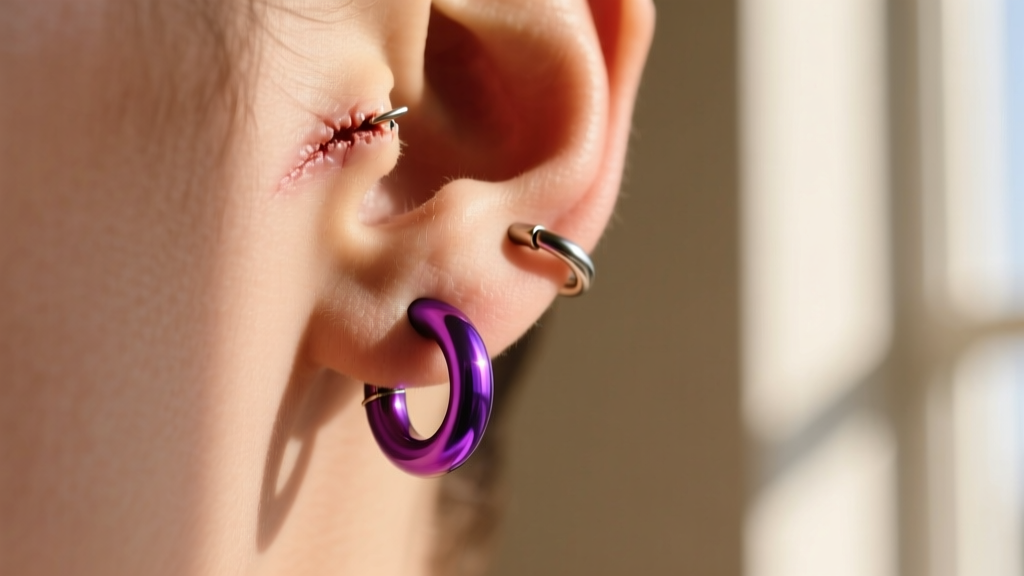
- Pros: Elemental purity, easily anodized, highly malleable for seamless rings, excellent for initial piercings.
- Cons: Softer than titanium, meaning intricate prong settings can bend or lose gemstones if snagged.
- Price Range: $30 - $70 for hoops and basic segments.
Solid Gold (14k vs 18k vs 24k)
Gold is a classic choice, but purity matters. 24k gold is too soft for body jewelry and will easily deform. Therefore, gold is alloyed with other metals for durability. For sensitive ears, 14k or 18k solid gold is ideal, provided it is alloyed correctly.
Warning regarding White Gold: Traditional white gold is often alloyed with nickel to achieve its silver color. If you have a nickel allergy, you must specifically seek out palladium-alloyed white gold, which uses palladium instead of nickel to bleach the yellow hue out of the gold.
- Pros: High aesthetic value, holds intricate gemstone settings perfectly, retains financial value.
- Cons: Expensive; requires strict verification of the alloying metals used by the manufacturer.
- Price Range: $150 - $800+ depending on karat and gemstone inclusions.
Materials to Avoid: The "Hypoallergenic" Marketing Traps
Many brands label their products as "hypoallergenic" while using materials that are highly problematic for reactive skin. Avoid these common traps:
- "Surgical Steel" (316L or 316LVM): While excellent for surgical tools, 316L stainless steel contains up to 10-14% nickel. The nickel is bound tightly, but microscopic pitting from sweat can still cause reactions in highly sensitive individuals.
- Plated or "Dipped" Metals: Gold-plated brass or silver will eventually wear down. Once the microscopic plating layer fractures, the reactive base metal is exposed directly to the fistula (the piercing channel), causing immediate irritation.
- Sterling Silver (925): While silver itself is generally safe, sterling silver contains 7.5% copper. Copper can oxidize and cause localized irritation or dark staining in fresh or healing cartilage piercings.
Quick Comparison Chart: Hypoallergenic Metals
| Material | Nickel Content | Best Use Case | Durability | Avg. Price |
|---|---|---|---|---|
| ASTM F136 Titanium | 0% | Flat-back labrets, fresh piercings | Extremely High | $25 - $400 |
| Niobium | 0% | Seamless hoops, clickers | Medium (Soft) | $30 - $70 |
| 14k/18k Yellow Gold | 0% | Intricate studs, huggies | High | $150 - $800 |
| Palladium White Gold | 0% | Diamond studs, luxury stacks | High | $200 - $900 |
| 316L Surgical Steel | 8-14% | Healed lobes (non-sensitive) | High | $10 - $40 |
Cartilage vs. Lobe: Gauge and Threading Considerations
Selecting the right hypoallergenic earrings material is only half the battle; the physical construction of the jewelry dictates how it interacts with your healing tissue. According to the Association of Professional Piercers (APP), the threading mechanism is critical for avoiding micro-tears in the fistula.
Internal vs. External Threading
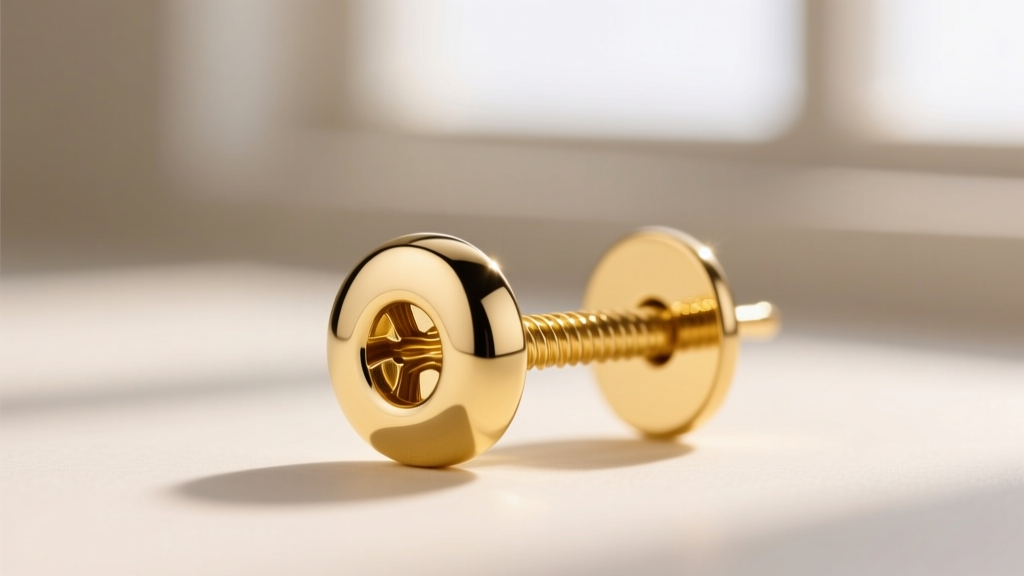
Always opt for internally threaded or threadless (press-fit) jewelry. Externally threaded posts (where the screw is on the post itself) act like a cheese wire, scraping and tearing the delicate healing tissue every time they are inserted. Internally threaded jewelry features a smooth post with the screw mechanism hidden inside the decorative end, ensuring a seamless, damage-free insertion.
Standard Gauge Sizes
- 20G (0.8mm) / 18G (1.0mm): Standard for traditional earlobe piercings and delicate fashion earrings.
- 16G (1.2mm): The gold standard for cartilage piercings (helix, tragus, conch) and modern lobe piercings. Provides superior stability and reduces the "cheese cutter effect".
- 14G (1.6mm): Common for industrial barbells and heavier daith or rook piercings.
Expert Decision Framework: How to Choose
Use this quick logic tree to determine the best material for your specific needs:
"If the jewelry is going into a fresh, unhealed piercing, or if the wearer has a known, severe contact allergy, implant-grade titanium or niobium should be the only materials considered until the tissue is fully mature." — APP Jewelry Guidelines
- Scenario A: Fresh Piercing or Severe Allergy.
Choice: ASTM F136 Titanium (flat-back labret) or Niobium (seamless ring). Do not wear gold until the piercing is 100% healed (minimum 6-12 months for cartilage). - Scenario B: Healed Cartilage Stack.
Choice: 14k or 18k Solid Gold (yellow or palladium-white) from reputable brands like Maria Tash or BVLA. Ensure the posts are 16G and internally threaded. - Scenario C: Budget-Conscious Sensitivity.
Choice: Anodized Niobium or plain Titanium. Avoid gold-plated alternatives, as the plating will inevitably wear off and trigger a reaction.
Final Thoughts on Ear Health
Investing in high-quality, verified metals is an investment in your anatomical health. By demanding transparency regarding ASTM standards, karat purity, and alloying elements, you can build a stunning, irritation-free ear stack that lasts a lifetime. Always purchase from specialized body jewelry retailers or high-end fine jewelers who can provide metallurgical certificates upon request.


