Polene Earrings: Material Properties & Plating Guide
Discover the metallurgical properties of Polene earrings. We compare gold-plated brass, vermeil, and solid gold to help you choose lasting luxury.

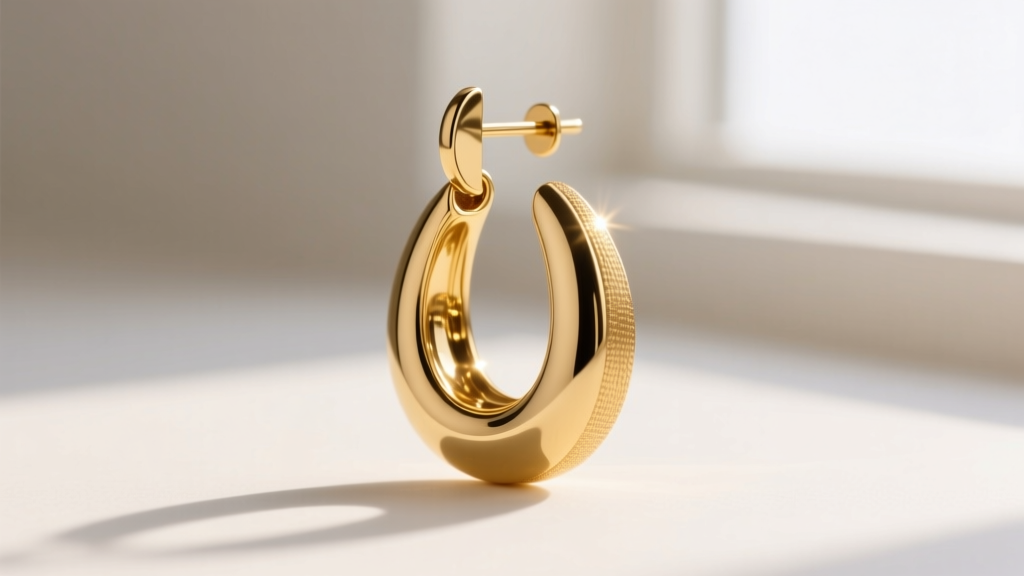
The Metallurgy Behind Polene Earrings and Parisian Fashion Jewelry
When exploring the highly sought-after Polene earrings and similar Parisian luxury fashion accessories, the conversation inevitably turns to their striking, sculptural silhouettes. To achieve these fluid, organic shapes without the prohibitive weight and cost of solid gold, high-end fashion houses rely on a specific metallurgical foundation: cast brass. Brass, an alloy primarily composed of copper (typically 60-70%) and zinc (30-40%), offers exceptional malleability and a lower melting point, making it the premier choice for lost-wax casting techniques. The higher the zinc content, the brighter and more gold-like the base metal appears, which provides an ideal canvas for subsequent gold plating. Understanding the material properties of these earrings is crucial for buyers who want to balance aesthetic luxury with long-term wearability and skin sensitivity.
Material Comparison: Plated Brass vs. Vermeil vs. Solid Gold
To contextualize where luxury fashion jewelry sits in the broader market, we must compare its core materials against fine jewelry standards. While solid gold offers lifelong durability, fashion jewelry relies on surface treatments that require specific care. According to the Gemological Institute of America (GIA), the longevity of plated jewelry is entirely dependent on the base metal's stability and the thickness of the precious metal overlay.
| Material Category | Base Metal | Plating Thickness | Tarnish Resistance | Estimated Price Range |
|---|---|---|---|---|
| Flash-Plated Brass | Copper/Zinc Alloy | < 0.5 microns | Low (Months) | $20 - $60 |
| Heavy Electroplated (Polene Style) | Copper/Zinc Alloy | 1.0 - 2.5 microns | Moderate (1-3 Years) | $120 - $250 |
| Gold Vermeil | Sterling Silver (925) | > 2.5 microns | High (3-5+ Years) | $150 - $400 |
| Solid 14k Gold | Gold Alloy (58.5% Au) | Solid Throughout | Permanent | $300 - $1,000+ |
Understanding Plating Thickness and Micron Standards
The defining factor in the lifespan of luxury fashion earrings is the plating thickness, measured in microns (one-millionth of a meter). Standard commercial jewelry often utilizes 'flash plating,' a rapid electrochemical process that deposits a mere 0.1 to 0.5 microns of gold. This ultra-thin layer wears away quickly against the skin's natural friction and acidic oils. In contrast, premium brands invest in heavy gold electroplating, typically applying 1.0 to 2.5 microns of 18k or 24k gold.
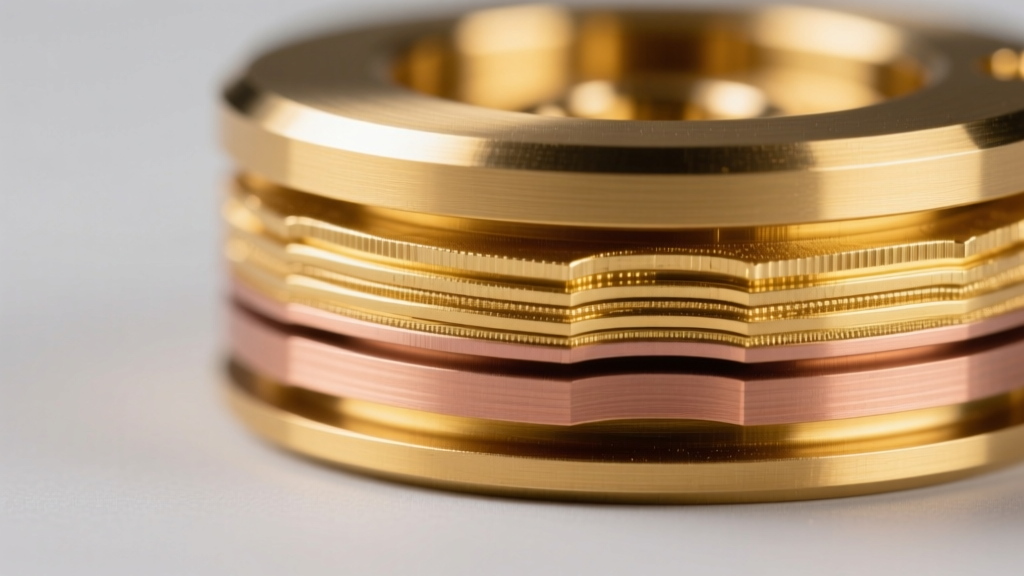
This thicker plating not only provides a richer, more authentic luster but also acts as a more robust barrier against the copper base metal. However, even 2.5 microns of gold will eventually wear thin on high-friction areas, such as earring clasps and the backs of ear wires. The Jewelers of America notes that proper storage and minimizing exposure to cosmetics are the only ways to preserve these micron-thin layers over a decade of use.
The EU Nickel Directive and Hypoallergenic Standards
A critical material property often overlooked by consumers is the presence of nickel in the plating process. Historically, a 'strike' layer of nickel was applied to brass before gold plating to create a smooth, bright surface and prevent the copper from migrating into the gold layer. However, nickel is a potent contact allergen. Today, reputable brands adhere strictly to the EU Nickel Directive (REACH compliance), which restricts nickel release to less than 0.5 micrograms per square centimeter per week for items in prolonged contact with the skin. Instead of nickel, modern luxury fashion houses use palladium or rhodium strike layers. While this increases manufacturing costs, it ensures the earrings remain hypoallergenic for the vast majority of wearers.
Earring Post Gauge Sizes and Piercing Compatibility
While the decorative body of the earring may be crafted from gold-plated brass, the post—the wire that actually penetrates the earlobe—must meet stringent biocompatibility standards. High-end brands frequently utilize surgical stainless steel (316L) or titanium (ASTM F136) for the posts, soldering them to the brass body.
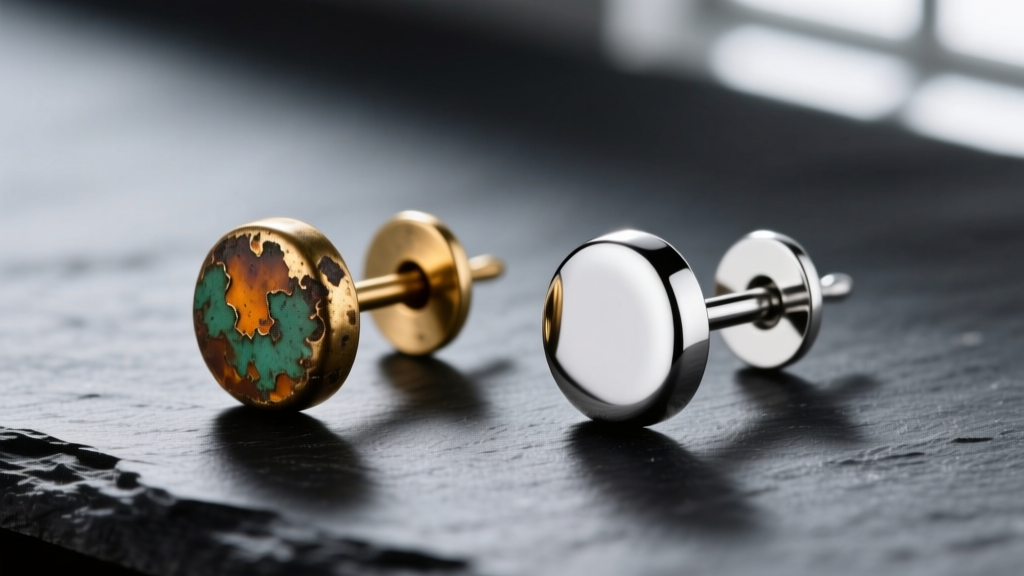
Understanding gauge sizing is essential for comfort and piercing health. Most standard lobe piercings are done at 20-gauge (0.81mm) or 18-gauge (1.02mm). Luxury fashion earrings typically feature 18-gauge posts to provide structural integrity for heavier, sculptural brass designs. If you have recently stretched piercings or sensitive cartilage piercings (which often require 16-gauge / 1.29mm jewelry), standard fashion earring posts may feel uncomfortably tight or cause micro-tears in the fistula. Always verify the post gauge before purchasing heavy statement pieces.
Tarnishing, Oxidation, and Long-Term Care
Because the base metal is brass, the underlying copper is highly reactive to sulfur compounds and moisture. When the gold plating eventually wears thin, or if microscopic scratches penetrate the surface, the copper reacts with the sulfur in the air and the natural salts in your sweat, creating copper sulfate—a greenish-black compound that causes skin discoloration and dulls the jewelry.
To maintain the material integrity of plated brass earrings, avoid ultrasonic cleaners and commercial silver dips, as the harsh chemicals and high-frequency vibrations will strip the gold microns instantly. Instead, clean them using a solution of warm water and a few drops of pH-neutral dish soap. Gently agitate with a soft-bristled infant toothbrush, rinse in distilled water (to avoid mineral deposits from tap water), and pat dry with a lint-free microfiber cloth. Store them in an airtight anti-tarnish bag with a silica gel packet to control ambient humidity.
Final Verdict: Are Fashion Jewelry Materials Worth the Investment?
Polene earrings and their luxury fashion contemporaries offer an exceptional value proposition for design-focused consumers. By utilizing high-quality brass alloys and heavy micron plating, these brands deliver the visual weight and sculptural artistry of fine jewelry at a fraction of the cost. However, buyers must approach these pieces with a clear understanding of their material limitations. They are not heirloom-grade solid gold; they are meticulously crafted fashion accessories that require mindful wear and specialized care. If you prioritize avant-garde design and are willing to adhere to proper maintenance protocols, gold-plated brass remains one of the most versatile and rewarding materials in modern jewelry design.


