Best Way to Clean Earrings: Technical Material Guide
Discover the best way to clean earrings based on metallurgy and gemology. Expert protocols for gold, titanium, and porous stones.

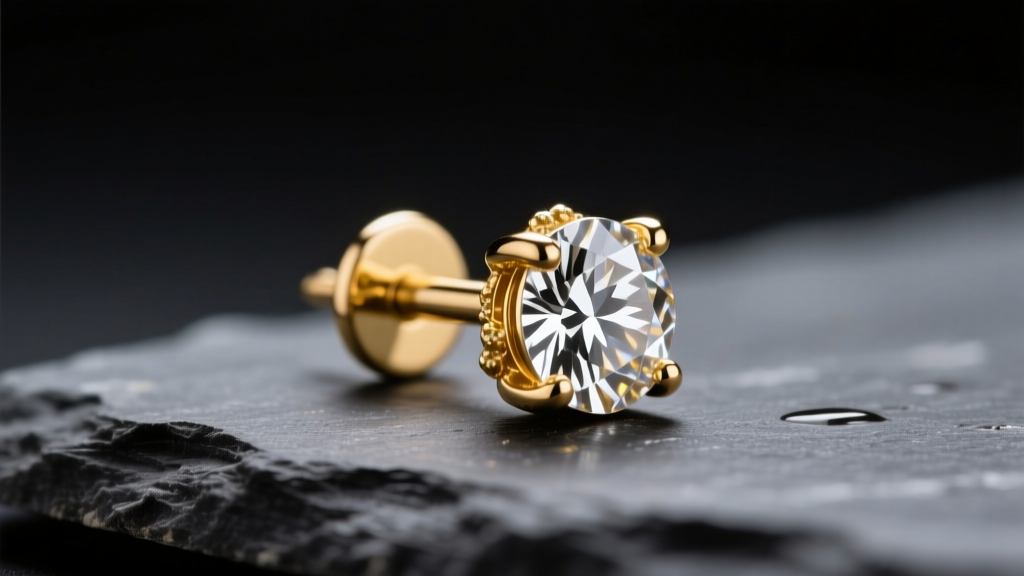
When searching for the best way to clean earrings, most generic guides offer a one-size-fits-all approach that can inadvertently destroy fine jewelry. As a metallurgical and gemological deep dive, this guide discards vague advice like 'use soap and water' in favor of material-specific protocols. Whether you are maintaining 18k gold diamond studs, ASTM F136 implant-grade titanium hoops, or porous organic gemstones, understanding the chemical interactions between cleaning agents and your jewelry is critical for preserving structural integrity and optical brilliance.
The Chemistry of Tarnish and Sebum Buildup
Before applying any cleaning agent, it is essential to understand what you are actually removing. Earrings accumulate two primary types of debris: environmental tarnish and biological sebum. Tarnish on sterling silver is primarily silver sulfide (Ag2S), a black compound formed when silver reacts with sulfur compounds in the air or on the skin. Sebum, an oily substance secreted by the sebaceous glands behind the earlobes, oxidizes over time and traps dead skin cells, dust, and cosmetic residues. This biological matrix adheres tightly to earring posts and the pavilions (undersides) of gemstones, drastically reducing light return and creating a breeding ground for bacteria.
Ultrasonic vs. Ionic vs. Steam: Technology Matrix
Professional jewelers rely on specialized equipment, but not all technologies are safe for every earring type. Below is a technical comparison of common cleaning modalities.
| Method | Mechanism of Action | Safe For | Unsafe For |
|---|---|---|---|
| Ultrasonic (40-45 kHz) | Cavitation bubbles implode, creating micro-jets that dislodge debris. | Diamonds, sapphires, platinum, solid gold. | Emeralds, opals, pearls, tungsten. |
| Ionic | Electrolysis reduces silver sulfide back to elemental silver using an aluminum anode. | Sterling silver without porous stones. | Oxidized (blackened) silver accents, plated jewelry. |
| Steam | High-pressure, high-temperature vapor blasts away oils. | Diamonds, corundum (ruby/sapphire). | Fracture-filled stones, pearls, enamel. |
| Manual Surfactant | Amphiphilic molecules bind to oils and water for gentle suspension. | All metals, porous stones, plated items. | None, if using correct pH-neutral surfactant. |
Material-Specific Protocols: The Best Way to Clean Earrings
14k/18k Gold and Platinum Alloys
Gold alloys (mixed with copper, silver, or zinc for hardness) and platinum are highly resistant to corrosion but are magnetically attractive to lipids (oils). The best way to clean earrings made of these metals involves a mild, phosphate-free laboratory surfactant like Alconox, or a high-quality pH-neutral dish detergent. The Protocol: Mix 5 drops of surfactant into 8 oz of distilled water heated to exactly 105°F (40°C). Soak the earrings for 15 minutes to emulsify the sebum. Use a specialized jeweler's brush with 0.1mm ultra-soft bristles to gently agitate the pavilion of the stones and the post. Rinse with distilled water and dry with a lint-free microfiber cloth. Avoid tap water, as dissolved calcium and magnesium will leave microscopic hard-water spots on the facets.
Implant-Grade Titanium (ASTM F136)
Titanium is the gold standard for cartilage piercings and sensitive lobes due to its biocompatibility. Its corrosion resistance comes from a passive titanium dioxide (TiO2) layer on its surface. 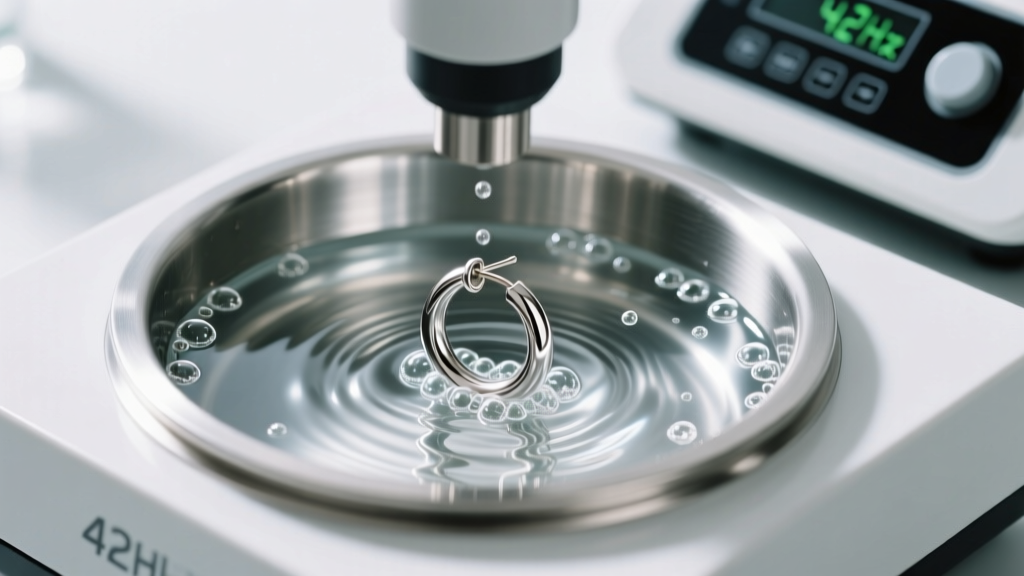 While titanium is incredibly durable, the best way to clean earrings made of this metal requires avoiding harsh chlorides and hydrofluoric acid, which can cause pitting and break down the passivation layer. Clean titanium huggies and barbells using a simple saline solution (0.9% sodium chloride) or a mild, fragrance-free liquid castile soap. If utilizing an ultrasonic cleaner for titanium body jewelry, limit the cycle to 3 minutes at 42 kHz to prevent any potential micro-abrasions on mirror-polished finishes.
Porous and Organic Gemstones (Pearls, Opals, Turquoise)
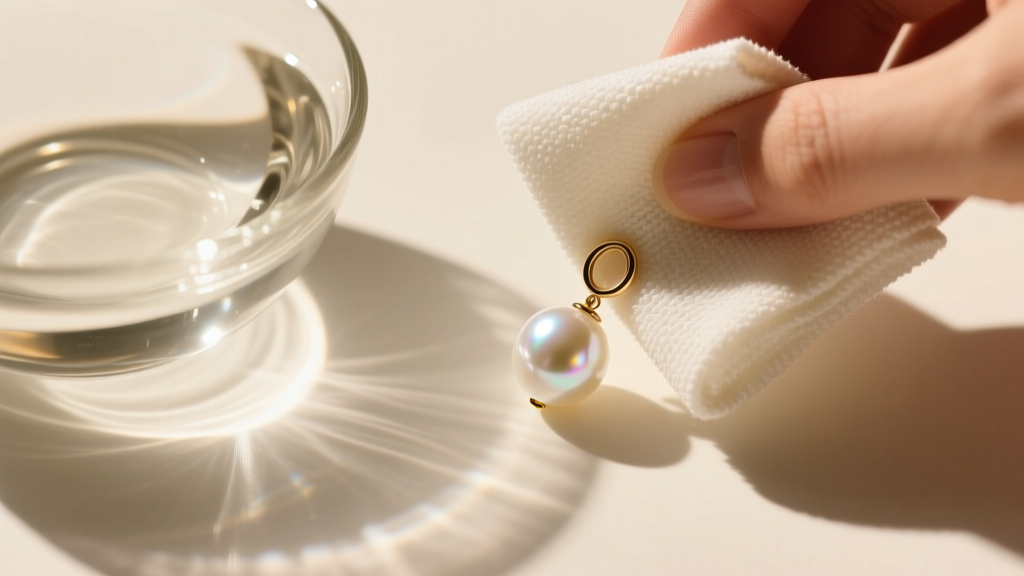
Organic and porous gemstones require a radically different approach. Pearls are composed of calcium carbonate and conchiolin, making them highly susceptible to acids. Opals contain up to 20% water, and turquoise is a porous hydrous phosphate. According to the Gemological Institute of America (GIA), ultrasonic cleaners and steam will instantly destroy the nacre of a pearl and cause opals to craze (crack) due to rapid moisture loss. The Protocol: Never submerge these earrings. Dampen a soft, untreated microfiber cloth with distilled water and gently wipe the stone. For stubborn debris near the setting, use a dry, soft-bristled makeup brush to sweep it away. Always apply perfumes and hairsprays before putting on pearl earrings to prevent chemical etching of the nacre.
Chemical Agents to Avoid: Failure Modes and Damage
Using the wrong chemical agent is the leading cause of catastrophic jewelry failure. Avoid the following compounds at all costs:
- Chlorine Bleach: Chlorine reacts with the copper and silver alloys in 14k and 18k gold, causing 'stress corrosion cracking.' This phenomenon specifically attacks the soldered joints and prongs of your earrings, leading to sudden stone loss.
- Rubbing Alcohol (Isopropyl): While great for sanitizing metal posts, alcohol will strip the natural oils from opals and pearls, leading to irreversible dehydration and cracking.
- Ammonia: Ammonia-based cleaners will strip the rhodium plating off white gold earrings and severely damage the porous surface of turquoise and lapis lazuli.
- Baking Soda Pastes: Baking soda has a Mohs hardness of 2.5. When rubbed against gold (Mohs 2.5-3) or softer stones, it acts as an abrasive, creating micro-scratches that dull the metal's luster over time.
Sterilization vs. Sanitization for Cartilage and Fresh Piercings
There is a distinct clinical difference between cleaning (sanitizing) and sterilizing. For fully healed earlobes, the manual surfactant protocol outlined above is sufficient. However, for fresh cartilage piercings, industrial piercings, or when sharing high-end body jewelry, true sterilization is required. The Association of Professional Piercers (APP) mandates that only autoclaving achieves true sterilization. An autoclave uses pressurized steam at 121°C (250°F) at 15 psi for 15-30 minutes to destroy all bacterial spores. Note that only solid titanium, niobium, and certain high-temperature synthetics can survive an autoclave cycle; gemstones and gold alloys may suffer thermal shock or discoloration.
Expert Maintenance Schedules
To maintain optimal hygiene and optical performance, implement a tiered maintenance schedule based on your earring rotation:
Daily Wearers (Studs and Small Hoops): Wipe posts with an alcohol prep pad weekly to prevent sebum buildup on the metal, but keep the alcohol away from porous stones. Perform a full surfactant soak every 14 days.
Occasional Wear (Statement Dangles and Drops): Clean immediately after wearing if exposed to sweat or cosmetics. Store in an anti-tarnish ziplock bag with a silica gel desiccant packet to control ambient humidity and prevent silver sulfide formation.
Body Jewelry (Cartilage and Helix Hoops): Clean with sterile saline spray twice daily if the piercing is less than a year old. Once fully healed, a weekly wash with mild castile soap in the shower is sufficient to maintain the titanium passivation layer.
By treating your earrings not just as accessories, but as complex metallurgical and mineralogical assemblies, you ensure their longevity. The best way to clean earrings is always dictated by their specific material composition—respect the chemistry, and your jewelry will last generations.


