How to Clean and Maintain Big Pearl Hoop Earrings
Learn expert cleaning, maintenance, and storage tips for big pearl hoop earrings to protect delicate nacre and secure metal hoop clasps.

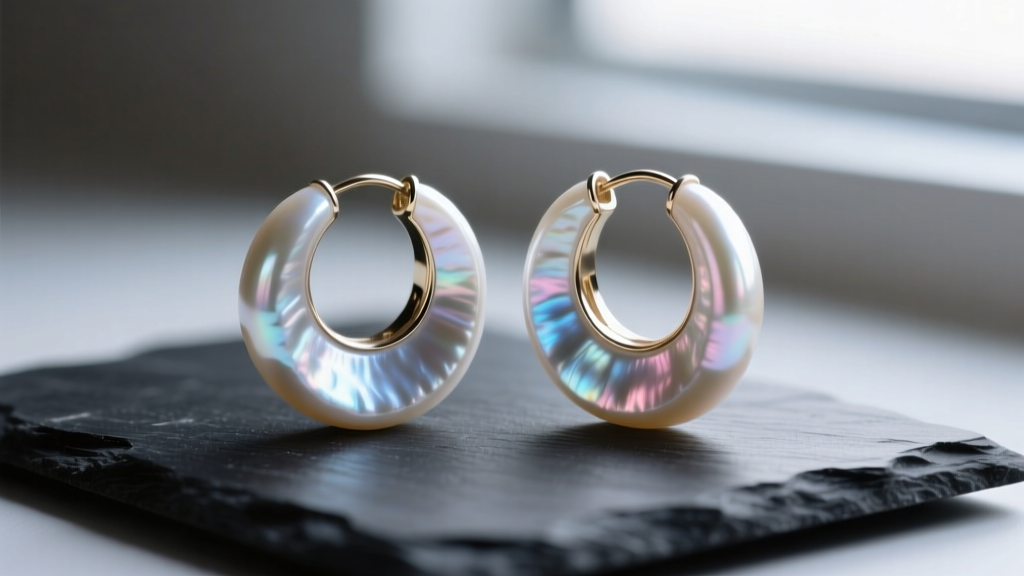
The Unique Challenge of Big Pearl Hoop Earrings
Big pearl hoop earrings represent a striking intersection of organic fragility and mechanical metalwork. When you invest in oversized pearls set within continuous or hinged metal hoops, you are combining one of the most delicate gemstones on earth with a jewelry structure that endures constant physical torque. Unlike solid diamond studs or simple gold huggies, maintaining large pearl hoops requires a dual-pronged approach: preserving the microscopic layers of nacre while ensuring the structural integrity of the metal clasps and hinges.
Pearls are organic gems composed primarily of calcium carbonate (CaCO3) in the form of aragonite. On the Mohs scale of mineral hardness, pearls rank between 2.5 and 4.5, making them exceptionally vulnerable to scratching, chemical etching, and dehydration. Meanwhile, the metal hoops—whether crafted from 14k solid gold, sterling silver, or heavy gold vermeil—feature tension points, hinges, and locking mechanisms that can warp, loosen, or accumulate debris over time. This comprehensive care guide will walk you through the exact protocols required to keep your big pearl hoop earrings looking pristine and functioning perfectly for decades.
Understanding Nacre Vulnerability and Chemical Sensitivities
The luminous overtone of a high-quality South Sea or Akoya pearl is the result of light refracting through dozens of microscopically thin layers of nacre. Because nacre is calcium carbonate, it is highly reactive to acids. Everyday substances like human sweat (which contains lactic acid), citrus juices, vinegar, and even the natural oils in your skin can slowly dissolve the outermost layers of the pearl, leading to a dull, chalky appearance known as 'pearl death'.
Furthermore, the adhesives or mechanical prongs used to secure large pearls to the metal hoop structure can be compromised by harsh chemicals. Chlorine in swimming pools, ammonia in household glass cleaners, and the alcohol found in perfumes and hairsprays will not only etch the pearl's surface but also degrade the epoxy resins often used to stabilize the pearl's drill hole where the metal wire passes through.
Critical Warning: Never place big pearl hoop earrings in an ultrasonic jewelry cleaner. The high-frequency cavitation bubbles generated by these machines will shatter the nacre layers, cause internal fracturing, and instantly dissolve the adhesives holding the pearl to the hoop setting.
Step-by-Step Cleaning Protocol
To properly clean big pearl hoops without damaging the organic gemstone or the metal finish, you must use a gentle, non-abrasive methodology. According to the Gemological Institute of America (GIA), pearls require specific, mild cleaning agents that differ vastly from those used for diamonds or sapphires.
Phase 1: Surface Dust and Oil Removal
Before applying any moisture, use a clean, untreated makeup brush with ultra-soft bristles to gently sweep away microscopic dust and dead skin cells from the crevices where the pearl meets the metal hoop. Dust often contains microscopic silica particles (Mohs 7), which can easily scratch the pearl's surface if rubbed with a cloth.
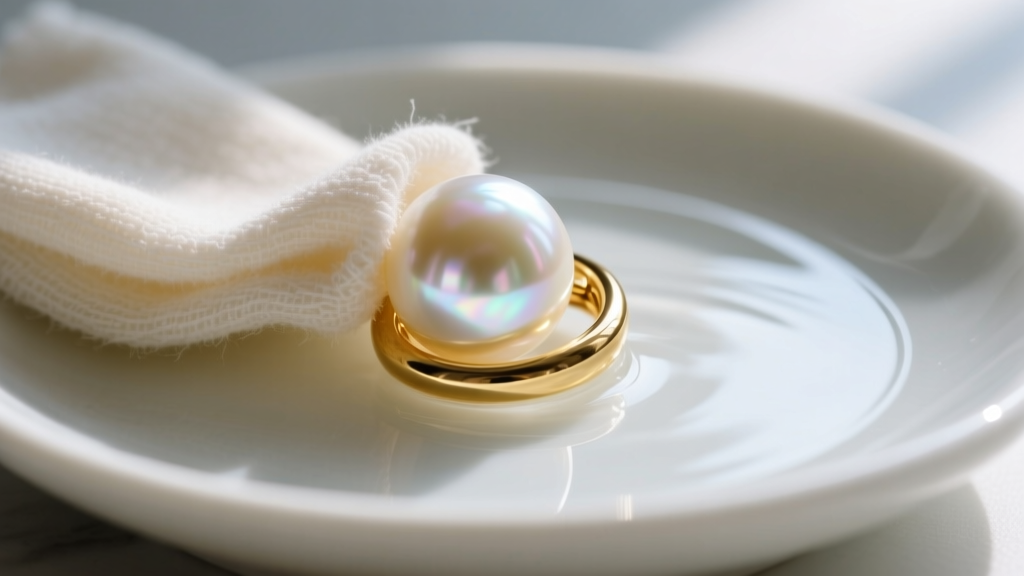
Phase 2: The Damp Wipe Technique
For routine cleaning after a night of wear, dampen a lint-free microfiber cloth with distilled water. Tap water often contains trace minerals and chlorine that can leave water spots on the metal or subtly harm the pearl over time. Gently wipe the surface of the pearl, following its natural curve. Do not press hard. Immediately follow up with a dry, soft cotton cloth to remove any lingering moisture. Never leave a pearl wet, as water can seep into the drill hole and rot the internal structural wire or adhesive.
Phase 3: Deep Cleaning (Monthly)
If your hoops have accumulated heavier body oils or cosmetic residue, create a mild cleaning solution using distilled water and a single drop of pH-neutral, phosphate-free liquid castile soap. Dip a soft cotton swab into the solution and gently trace the metal hoop, carefully avoiding saturating the pearl itself. Use the damp microfiber cloth to wipe the pearl, and immediately rinse the cloth with pure distilled water to wipe away any soap residue. Dry thoroughly.
Structural Maintenance: Hoop Hinges and Clasps
The mechanical components of big pearl hoop earrings bear the weight of the oversized pearls. A large 12mm South Sea pearl can weigh several carats, creating a pendulum effect that stresses the earring's hinge and clasp every time you move your head. Proper maintenance of these joints is critical to prevent losing your jewelry.
| Clasp Type | Common Vulnerability | Required Maintenance Action |
|---|---|---|
| Hinged Snap-Back | Hinge pin loosening; snap tension failing over time. | Apply a microscopic drop of synthetic watch oil to the hinge pin annually. Gently bend the post if the snap fit becomes loose. |
| Click-Top / Huggie | Debris accumulation in the click-receptacle preventing a secure lock. | Use a wooden toothpick or soft interdental brush to clear lint and skin cells from the clicking groove. Do not use metal pins. |
| Latch-Back / French Wire | Wire thinning and bending; latch catching on hair. | Inspect the wire for thinning near the base. Ensure the latch closes flush. Store with a silicone earring back to relieve wire tension. |
| Continuous / Endless | Warping of the circular shape; weak insertion point. | Never force the wire through the lobe. Use a gentle twisting motion. Check for metal fatigue at the insertion joint monthly. |
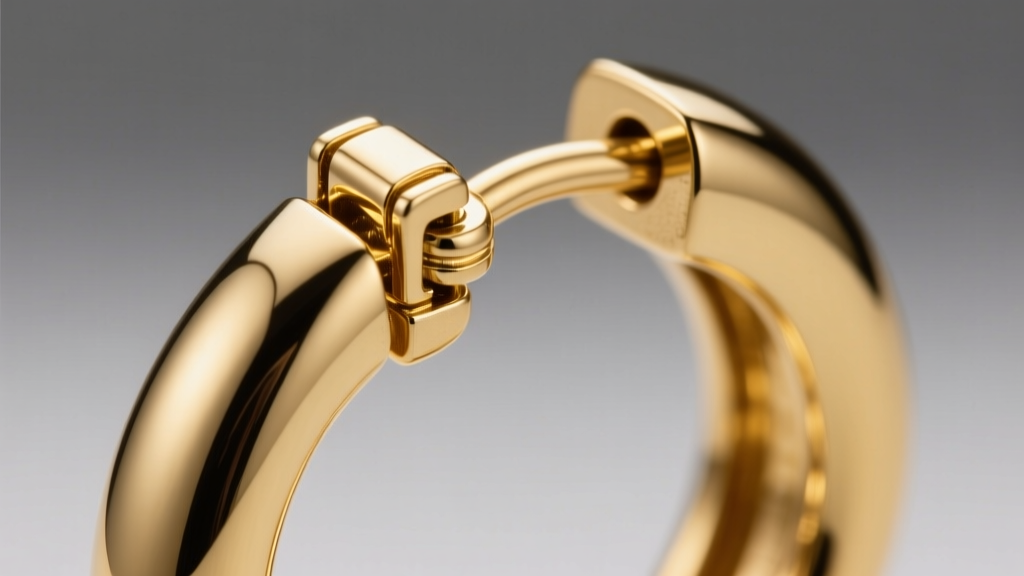
The American Gem Society (AGS) recommends having a professional jeweler inspect the structural integrity of heavy hoop earrings at least once a year. A jeweler can use a laser welder to reinforce microscopic stress fractures in the metal hoop before they snap, saving you from losing a valuable pearl.
Proper Storage: Preventing Dehydration and Scratching
How you store your big pearl hoop earrings when they are not on your ears is just as important as how you clean them. Pearls are organic and require a certain level of ambient humidity to maintain their structural integrity. If stored in an overly dry environment, the nacre can develop microscopic cracks, a phenomenon known as 'crazing'.
The Dangers of Plastic and Airtight Containers
Never store pearl jewelry in sealed plastic ziplock bags or airtight safety deposit boxes for extended periods. Plastic can emit trace chemicals that degrade the pearl's surface, and the complete lack of airflow will dehydrate the gem. Furthermore, tossing heavy metal hoops into a communal jewelry box guarantees that the metal will scratch the delicate pearls of other pieces, or worse, the pearls will scratch each other.
The Ideal Storage Environment
Store your big pearl hoops in individual, breathable silk or untreated cotton pouches. Silk is smooth enough to prevent micro-abrasions on the nacre while allowing the pearls to 'breathe'. If you live in an exceptionally dry climate or use indoor heating heavily during the winter, place a slightly damp (not wet) cotton ball inside the storage pouch alongside the earrings to maintain localized humidity. Keep the pouches in a dark, temperature-stable drawer away from direct sunlight, which can cause yellowing in white pearls and fading in naturally colored Tahitian pearls.
The 'Last On, First Off' Rule
The most effective maintenance strategy is preventative. Always adhere to the golden rule of pearl jewelry: pearls should be the last thing you put on when getting dressed, and the first thing you take off when you get home. Apply your perfumes, hairsprays, lotions, and makeup at least 15 minutes before putting on your big pearl hoop earrings. This allows the volatile alcohols and chemicals to evaporate and settle, preventing direct chemical contact with the nacre. Upon returning home, immediately wipe the pearls with a dry microfiber cloth to remove the day's accumulation of skin oils and environmental pollutants before placing them in their silk pouches.
When to Seek Professional Jeweler Intervention
While home maintenance is sufficient for routine care, certain issues require professional intervention. If the metal hoop becomes warped, do not attempt to bend it back into shape yourself; the stress could snap the metal or shatter the pearl if it is set in a rigid bezel. If you notice the pearl rattling slightly on the hoop, the internal adhesive or mechanical cup has failed. A jeweler can safely remove the pearl, clean the setting, and re-seat it using gem-grade, non-acidic epoxy. Additionally, if your hoops feature a continuous wire that passes through multiple pearls, they will eventually require professional re-stringing with specialized silk thread and French wire protectors to prevent the metal from cutting through the delicate drill holes.


