Big Pearl Stud Earrings: 2026 Value & Budget Guide
Discover how to evaluate big pearl stud earrings in 2026. We break down pricing, pearl grades, post gauges, and backing engineering for maximum value.

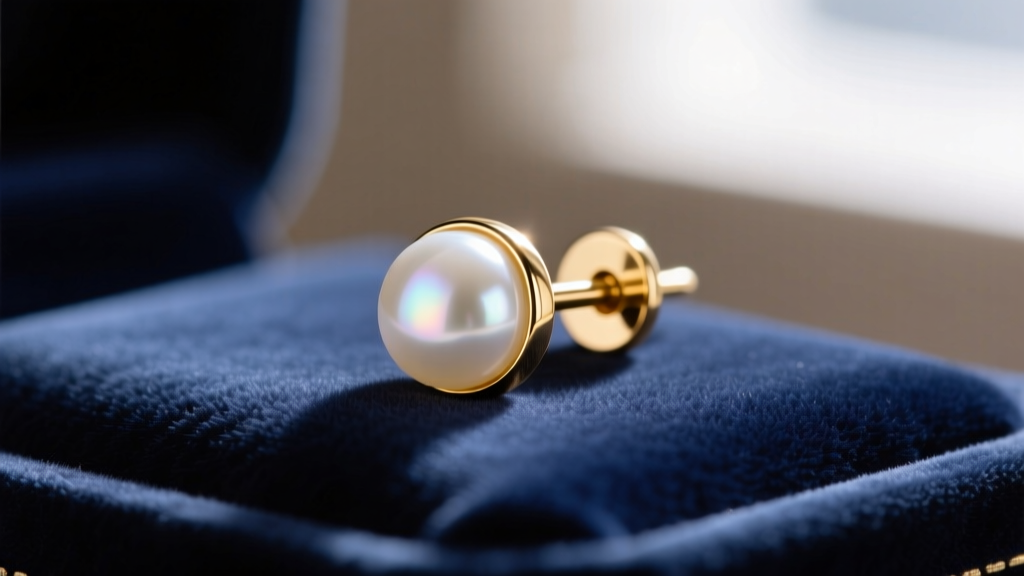
Big pearl stud earrings command immediate attention, offering a bold, sophisticated alternative to traditional diamond solitaires. However, navigating the market for oversized pearls requires more than just an eye for luster. When you increase the physical dimensions of a pearl, you exponentially increase its weight, which introduces a host of structural and engineering challenges that directly impact the jewelry's long-term value. In 2026, the market is saturated with deceptive sizing, fragile posts, and overpriced imitations. To make a smart purchase, you must evaluate the intersection of gemology, metallurgy, and budget.
The Anatomy of 'Big': Sizing and Proportions
In the pearl industry, standard stud earrings typically range from 6mm to 8mm. These sizes sit flush against the earlobe and are lightweight enough for standard earring posts. The 'big' category begins at 10mm and extends up to 15mm. Anything exceeding 15mm enters the realm of statement pieces and cocktail jewelry, which often require specialized earlobe support or even secondary piercing anchors.
The critical factor here is the weight-to-size ratio. Because pearls are organic gemstones composed of calcium carbonate and conchiolin, their density is relatively consistent. A perfectly round 12mm pearl weighs approximately 2.5 to 3.5 grams. While this sounds light, when mounted on the end of a 10-millimeter metal lever (the earring post), it generates significant torque against the earlobe piercing. Understanding this physical reality is the first step in assessing the true value of big pearl stud earrings.
Material Value Matrix: Freshwater vs. Saltwater vs. Imitation
When assessing your budget, the origin and nucleation method of the pearl dictate the baseline price. According to the Gemological Institute of America (GIA), the nacre composition varies wildly between species, directly affecting both the price and the longevity of the gem.
- Freshwater Pearls (Tissue-Nucleated): Modern tissue-nucleated freshwater pearls are composed of 100% solid nacre. They are incredibly durable, highly lustrous, and can easily reach the 11mm-13mm range without the exorbitant price tags of saltwater variants. This is the ultimate sweet spot for budget-conscious buyers seeking genuine, oversized gems.
- Akoya Pearls (Bead-Nucleated): Akoya pearls are prized for their mirror-like luster, but they rarely exceed 9.5mm. If a retailer advertises '12mm Akoya big pearl stud earrings,' proceed with extreme caution; they are either misrepresenting the species or selling a heavily treated, low-grade alternative.
- South Sea Pearls (Bead-Nucleated): The true queens of oversized pearls, naturally ranging from 10mm to 20mm. They possess a thick nacre layer and a satiny luster, but they command premium luxury prices.
- Shell Pearls (Imitation): Crafted from glass or plastic cores coated in synthetic guanine. They offer perfect roundness and zero blemishes for under $50, but possess zero heirloom value and will eventually peel.
2026 Price & Value Comparison Chart
| Pearl Type | Typical 'Big' Size | 2026 Price Bracket (Pair) | Nacre Composition | Value Retention |
|---|---|---|---|---|
| Gem-Grade Freshwater | 10mm - 13mm | $80 - $250 | 100% Solid Nacre | Moderate |
| White South Sea | 12mm - 16mm | $1,200 - $4,500+ | Thick Nacre over Bead | High |
| Shell / Imitation | 12mm - 18mm | $20 - $60 | Synthetic Coating | None |
The Hidden Costs: Post Gauge and Backing Engineering

This is where most buyers make a critical, expensive error. You can purchase a flawless, high-luster 13mm freshwater pearl, but if it is mounted on a cheap, thin post, the earring will be unwearable. The structural integrity of the metal hardware is just as important as the GIA Pearl Quality Factors used to grade the gem itself.
Why Standard Posts Fail Heavy Pearls
Standard commercial earrings are manufactured with 20-gauge (0.81mm) or 18-gauge (1.02mm) posts. Gold, whether 14k or 18k, is inherently malleable. When you mount a 3-gram, 12mm pearl on a 20-gauge 14k gold post, the leverage applied to the metal when the wearer moves, brushes their hair, or lies down will permanently bend the gold. Once a 20-gauge post bends, the pearl will perpetually droop forward, pointing at the floor rather than sitting flush against the face.
To prevent this, big pearl stud earrings must be fitted with a minimum of a 16-gauge (1.29mm) post, and ideally a 14-gauge (1.63mm) post. According to American Wire Gauge (AWG) standards, moving from a 20-gauge to a 16-gauge wire more than doubles the cross-sectional area of the metal, exponentially increasing its resistance to bending torque. If a vendor is selling oversized pearls on 20-gauge posts, they have cut corners on the metallurgy.
The Best Backings for Droop-Prevention
Standard friction backs (butterfly clutches) are entirely inadequate for heavy pearls. They rely on a tiny metal spring mechanism that will easily slide down a thick 16-gauge post under the weight of the pearl. For big pearl stud earrings, you must demand one of the following backing systems:
- La Pousette (Locking Backs): These feature a push-button mechanism that locks securely into a grooved post. They are the gold standard for heavy, expensive studs.
- Threaded Screw-Backs: The post is threaded, and the backing screws on. This provides a customized, flush fit that prevents the heavy pearl from pulling the earlobe downward.
- Jumbo Silicone Discs: If you must use friction backs, pair them with 12mm flat silicone or plastic disc backs. These distribute the weight of the pearl across a wider surface area of the earlobe, preventing the 'cheese-cutter' effect where the heavy post tears through the piercing hole.
Budget Tiers: Where to Spend and Where to Save
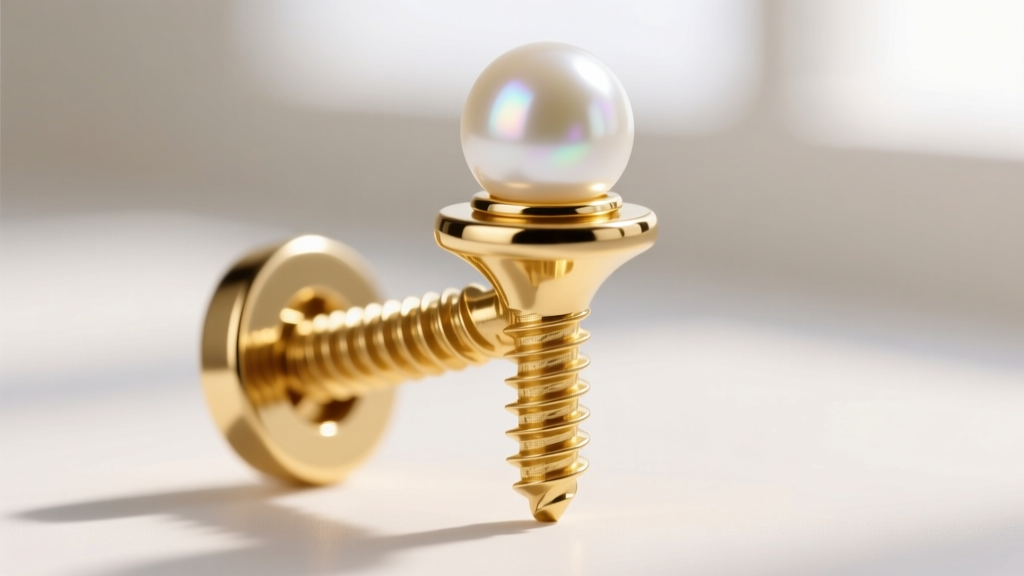
Maximizing your budget in 2026 means knowing exactly which elements of the earring warrant a premium and which can be optimized for cost.
- The Under $150 Tier (Smart Everyday Wear): Target 11mm-12mm AAA-grade round freshwater pearls. Ensure they are set in sterling silver or gold-vermeil, but verify the post thickness. Many boutique jewelers now offer 16-gauge sterling silver posts specifically designed for heavy freshwater pearls. Pair these with jumbo silicone disc backs for under $10 to solve any drooping issues.
- The $300 - $800 Tier (The Heirloom Sweet Spot): This budget allows you to upgrade the hardware without sacrificing gem size. Look for 12mm-14mm gem-grade freshwater pearls or entry-level South Sea pearls set in solid 14k gold with 14-gauge posts and La Pousette locking backs. You are paying for the structural permanence of solid gold and the security of precision-machined backs.
- The $1,500+ Tier (Luxury Investment): At this level, you are paying for the rarity of 14mm+ White or Golden South Sea pearls with pristine, blemish-free surfaces. Do not compromise on the setting; demand 18k gold, 14-gauge posts, and custom-fitted screw-backs to protect your significant investment.
Final Verdict: Maximizing Your Investment
Evaluating big pearl stud earrings requires looking past the initial visual impact of the gem's luster and size. The true value lies in the harmony between the organic beauty of the pearl and the engineered precision of its mounting. By prioritizing solid-nacre freshwater pearls for budget flexibility, insisting on 16-gauge or thicker posts to combat metal fatigue, and utilizing mechanical locking backs to manage weight distribution, you can secure a stunning, oversized statement piece that sits perfectly on the earlobe and lasts a lifetime.


