The Ultimate Guide to Buying Vermeil Earrings: What to Look For
Discover how to buy authentic vermeil earrings. Learn FTC thickness standards, spot fakes, compare pricing, and choose the best styles for sensitive ears.

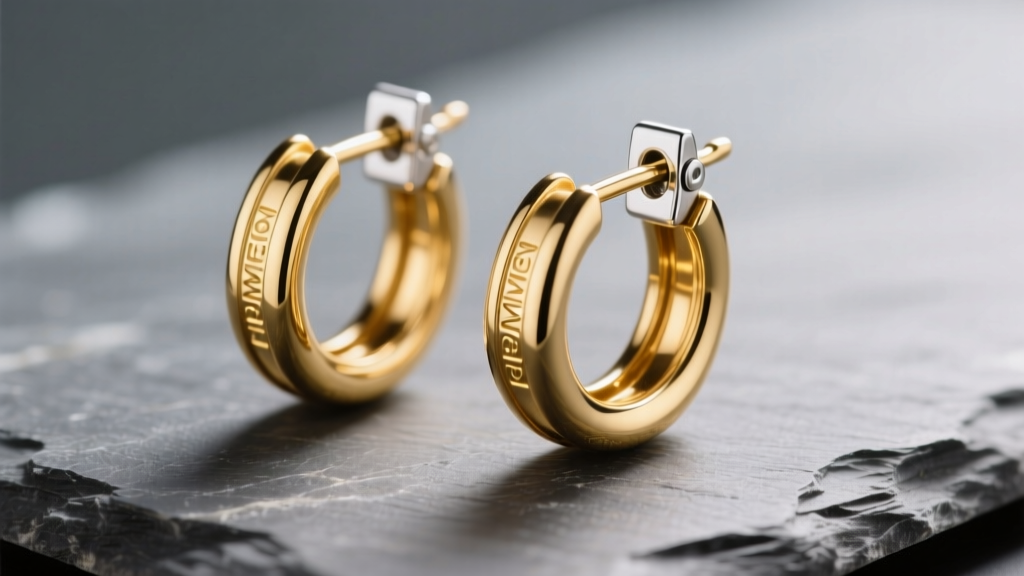
The 2026 Surge in Vermeil Popularity
With solid 14k and 18k gold prices surging to historic highs in 2026, jewelry buyers are increasingly seeking high-quality alternatives that don't compromise on aesthetics or skin safety. Enter vermeil earrings (pronounced ver-MAY). Often misunderstood and frequently misrepresented by fast-fashion dropshippers, true vermeil represents the ultimate bridge between affordable fashion jewelry and lifelong fine jewelry investments. However, not all gold-coated earrings are created equal. If you are shopping for vermeil earrings, you must know how to separate genuine, heavily plated sterling silver from cheap, flash-plated brass. This comprehensive buying guide will walk you through the exact material grades, FTC regulations, structural failure modes, and pricing benchmarks you need to make an informed purchase.
What Exactly Are Vermeil Earrings? (The 3 FTC Rules)
The term "vermeil" is not just a fancy marketing word for gold-plated jewelry; it is a strictly regulated industry standard. According to the Federal Trade Commission Jewelry Guides, a piece of jewelry can only be legally sold as vermeil in the United States if it meets three non-negotiable criteria:
1. The Base Metal Must Be Sterling Silver
Unlike standard gold-plated jewelry, which often uses brass, copper, or nickel alloys as a base, vermeil must be crafted from 925 sterling silver (92.5% pure silver). This is crucial for buyers with sensitive ears, as sterling silver is vastly more hypoallergenic than brass or nickel-heavy base metals.
2. The Gold Purity Must Be At Least 10K
The gold layer applied to the silver base must be a minimum of 10 karats. However, in the modern 2026 jewelry market, reputable brands almost exclusively use 14k or 18k gold for vermeil to achieve that rich, warm, fine-jewelry luster.
3. The Gold Thickness Must Be At Least 2.5 Microns
This is where most counterfeit "vermeil" fails. A micron is one-thousandth of a millimeter. Standard "flash plating" uses a mere 0.1 to 0.5 microns of gold, which rubs off in weeks. True vermeil requires a minimum thickness of 2.5 microns, achieved through a slow, controlled electrolytic process. This makes the gold layer 5 to 25 times thicker than standard plated jewelry, ensuring it can withstand years of wear.
Vermeil vs. Gold-Plated vs. Gold-Filled: A Material Comparison
When browsing online boutiques, you will see these three terms used interchangeably by lazy marketers. Here is the exact data breakdown to help you compare your options:
| Feature | Gold Vermeil | Gold-Plated | Gold-Filled | Solid Gold (14k) |
|---|---|---|---|---|
| Base Metal | 925 Sterling Silver | Brass, Copper, or Steel | Jeweler's Brass | Gold Alloy |
| Gold Thickness | 2.5+ Microns | 0.1 - 0.5 Microns | 5% to 10% of total weight | 100% |
| Hypoallergenic? | Yes (Highly) | No (Nickel risk) | Yes (Usually) | Yes |
| Average Lifespan | 2 to 5+ Years | 3 to 6 Months | 10 to 30 Years | Lifetime |
| Typical Price Range | $45 - $160 | $15 - $35 | $60 - $120 | $200 - $600+ |

How to Spot Fake Vermeil When Shopping Online
The e-commerce market is flooded with mislabeled jewelry. To protect your wallet and your earlobes, apply this three-step verification framework before checking out:
- Look for the "925" Stamp: Authentic vermeil earrings will almost always bear a tiny "925" stamp on the back of the decorative element or the earring post. If it is stamped "925", it confirms the sterling silver base.
- Check the Micron Specification: High-quality brands proudly list their plating thickness. If the product description simply says "gold plated over sterling silver" without mentioning the 2.5-micron minimum, it is likely a thin flash-plate that will degrade quickly.
- Beware of Suspiciously Low Prices: Silver and gold are expensive commodities. If a pair of large, heavy vermeil hoop earrings is priced at $18, it is mathematically impossible for them to be genuine vermeil. They are almost certainly brass with a microscopic gold wash.
The "Post Friction" Problem: Best Styles for Vermeil
While vermeil is incredibly durable on the decorative fronts of earrings, it has a specific structural vulnerability: the earring post. The post endures high friction every time you push it through your earlobe and secure the butterfly backing. Over 6 to 12 months of daily wear, this friction can physically strip the 2.5-micron gold layer right off the post, exposing the sterling silver underneath. While silver is safe for the skin, it can tarnish and turn black when exposed to the sulfur in your sweat.
Which Styles Perform Best?
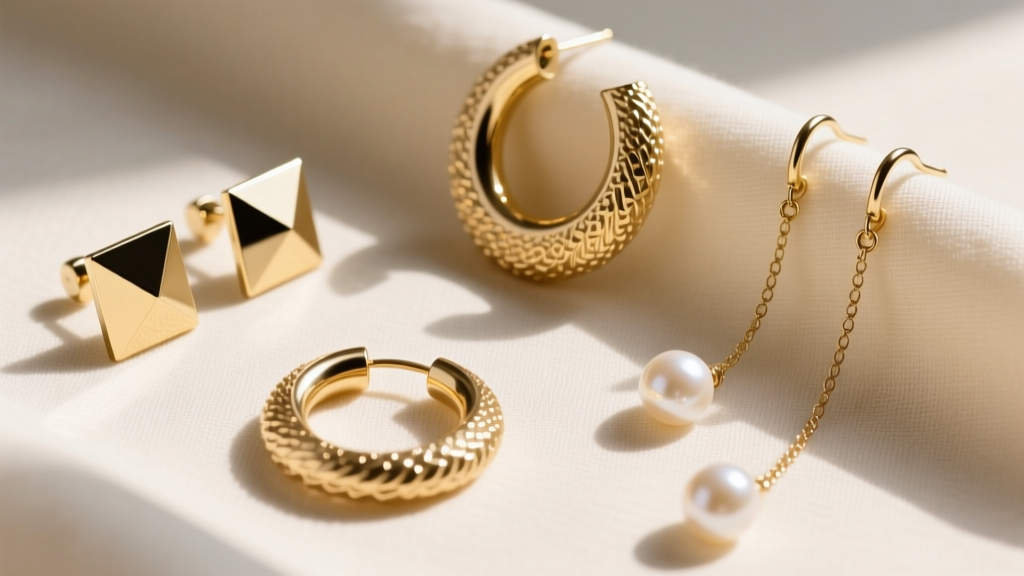
Dangles and Drop Earrings: These are the safest bets for vermeil. The decorative elements hang freely, experiencing almost zero surface friction, allowing the gold finish to last for many years.
Huggies and Clicker Hoops: Excellent durability, provided the hinge mechanism is well-oiled. The gold layer on the main hoop body rarely wears away.
Stud Earrings: If you buy vermeil studs, look for brands that use a solid titanium or surgical steel post with a vermeil decorative front. This hybrid approach eliminates the post-friction failure mode entirely.
The 2026 Price Guide: What You Should Actually Pay
Understanding the fair market value of vermeil earrings prevents you from being overcharged by luxury markups or scammed by fast-fashion fakes. Based on current precious metal spot prices and manufacturing costs in 2026, here is what you should expect to pay for genuine, 2.5-micron 18k gold vermeil:
- Lightweight Minimalist Studs: $35 - $55
- Medium Huggies & Small Hoops: $65 - $95
- Heavy Statement Hoops & Drop Earrings: $110 - $180
- Intricate Gemstone-Set Vermeil: $150 - $250+
Pro-Tip: If a brand is charging over $200 for basic vermeil hoops without any precious gemstones, you are paying for the brand name, not the materials. At that price point, you should be looking at solid 10k or 14k gold, or gold-filled alternatives.
Care & Maintenance to Prevent Flaking and Tarnish
The greatest enemy of vermeil earrings is not water; it is sulfur and chlorine. When the sterling silver base is exposed to sulfur (found in sweat, hot springs, and some lotions), it creates silver sulfide—commonly known as tarnish. If tarnish forms underneath a micro-crack in the gold layer, it will expand and cause the gold to bubble and flake off. To maximize the lifespan of your vermeil earrings, follow these strict care protocols:
What to Avoid
- Ultrasonic Cleaners: Never put vermeil in an ultrasonic jewelry cleaner. The high-frequency vibrations will literally shake the gold molecules off the silver base.
- Silver Polish: Never use abrasive silver polishing cloths or chemical silver dips. These are designed to strip tarnish and will strip your gold plating right along with it.
- Swimming Pools: Chlorine reacts aggressively with both the gold alloy and the silver base. Always remove vermeil earrings before swimming.
How to Clean Them Safely
To clean your vermeil earrings, use a few drops of mild, phosphate-free dish soap (like Dawn) in lukewarm water. Gently agitate the earrings with your fingers or an ultra-soft baby toothbrush. Rinse thoroughly under running water, and immediately pat them completely dry with a clean, lint-free microfiber cloth. According to care guidelines from Jewelers of America, storing your dried earrings in an airtight anti-tarnish bag with a silica gel packet will virtually halt the oxidation process, keeping your pieces pristine for years.
Final Thoughts on Investing in Vermeil
Vermeil earrings offer an unparalleled balance of luxury, skin safety, and affordability. By demanding 925 sterling silver bases, verifying the 2.5-micron thickness, and choosing low-friction styles or hybrid titanium posts, you can build a stunning, hypoallergenic earring collection that rivals solid gold in both appearance and longevity. Always buy from transparent jewelers who disclose their exact material grades, and treat your vermeil with the same respect you would afford fine jewelry. For further education on precious metal standards and jewelry identification, the Gemological Institute of America (GIA) remains an invaluable resource for conscious consumers.


