Best Lymphatic Drainage Earring Materials For Auricular Therapy
Discover which metals and magnets make the best lymphatic drainage earring. We compare titanium, copper, and magnetic cores for auricular therapy.

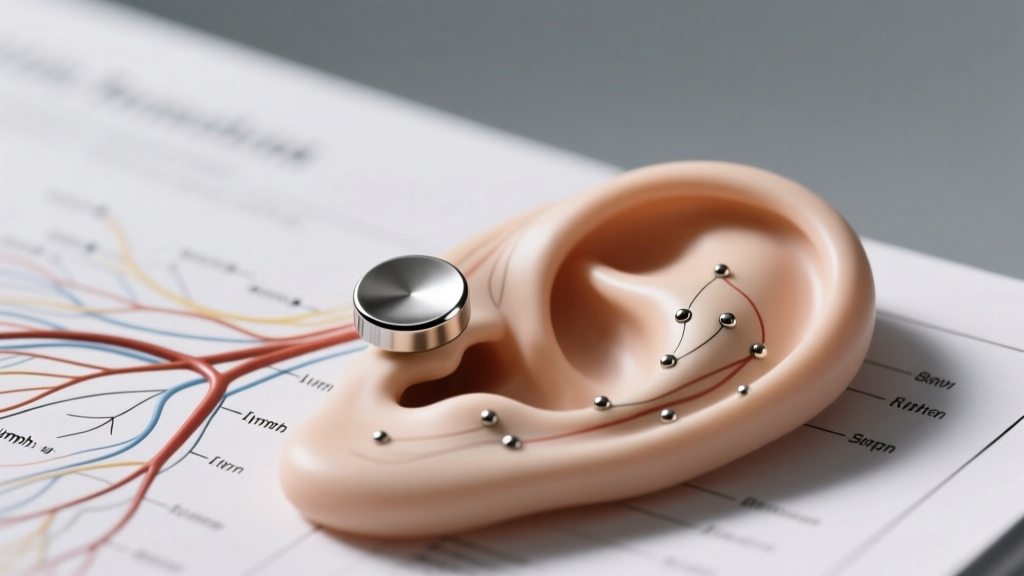
The Intersection of Material Science and Auricular Therapy
The wellness industry has recently embraced the concept of the lymphatic drainage earring—a specialized piece of auricular jewelry designed to stimulate specific acupuncture points on the ear to promote lymphatic flow, reduce facial puffiness, and support systemic detoxification. However, the therapeutic efficacy of these earrings is entirely dependent on the materials used to craft them. Because auricular therapy requires prolonged, uninterrupted contact with highly sensitive cartilage and nerve-dense skin, the biocompatibility, magnetic conductivity, and oxidation resistance of the metal are paramount.
Unlike standard fashion earrings, a therapeutic lymphatic drainage earring must interact with the body's micro-currents and magnetic fields without triggering contact dermatitis or galvanic shock. In this comprehensive material comparison, we break down the exact metallurgical properties required for safe and effective auricular lymphatic stimulation in 2026.
Mapping the Auricular Lymphatic Points
Before evaluating materials, it is crucial to understand where a lymphatic drainage earring is actually placed. According to traditional Chinese medicine (TCM) and modern auricular mapping, the ear acts as a microsystem of the entire body. To target lymphatic function, practitioners focus on three primary zones:
- The Lymphatic Node Point: Located along the root of the helix, this point is directly stimulated to encourage the drainage of cervical lymph nodes.
- The Endocrine Point: Found in the intertragic notch, stimulating this area helps regulate hormonal fluctuations that often cause fluid retention.
- The Spleen Point: Situated on the lower concha, this point supports the immune system and the body's natural filtration processes.
Because these points are often located in the deep crevices of the ear where sweat and sebum accumulate, the metal used for your lymphatic drainage earring must withstand a highly corrosive micro-environment without degrading or leaching toxic ions into the bloodstream.
Material Breakdown: What Touches Your Auricular Points?
Implant-Grade Titanium (ASTM F136)
For the physical housing or acupressure bead of a lymphatic drainage earring, Implant-Grade Titanium (specifically Ti-6Al-4V ELI, compliant with ASTM F136 standards) remains the undisputed gold standard. Titanium is completely non-magnetic, meaning it will not interfere with the therapeutic magnetic fields required for stimulation. More importantly, it possesses a passive oxide layer that makes it virtually immune to corrosion from human sweat. For individuals with nickel allergies or compromised skin barriers around the auricular points, titanium ensures that the physical pressure applied to the lymphatic nodes is not complicated by allergic inflammation.
Copper and Brass Alloys
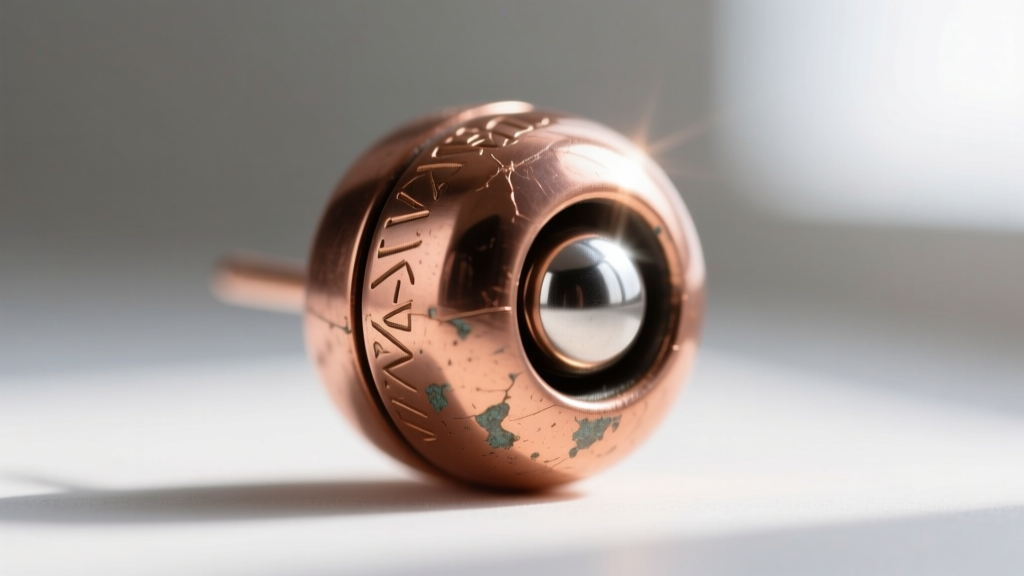
Copper has a long history in holistic wellness, prized for its high electrical and thermal conductivity. Proponents argue that a copper-based lymphatic drainage earring can better conduct the body's natural bio-electric signals to the vagus nerve branches in the ear. However, copper is highly reactive. When exposed to the acidic pH of human sweat, it rapidly oxidizes, forming copper chloride and verdigris. This oxidation not only stains the skin green but can trigger severe irritant contact dermatitis, which actively counteracts the anti-inflammatory goals of lymphatic therapy.
Neodymium Magnetic Cores with PVD Coating
The actual "engine" of a magnetic lymphatic drainage earring is a Neodymium-Iron-Boron (NdFeB) core. To stimulate cellular activity and local blood flow, these micro-magnets must produce a surface field strength between 800 and 1,200 Gauss. Because raw neodymium is highly toxic and prone to rapid corrosion, it must be hermetically sealed. In premium therapeutic earrings, this is achieved using Physical Vapor Deposition (PVD) to apply a microscopic, ultra-durable layer of 18k gold or titanium nitride over the magnetic core. This ensures the magnetic field penetrates the tissue while the biocompatible PVD layer touches the skin.
Comparative Analysis: Biocompatibility vs. Therapeutic Conductivity
To help you select the right therapeutic jewelry, we have compiled a material matrix evaluating the most common metals used in auricular wellness earrings.
| Material | Biocompatibility Grade | Magnetic Interference | Oxidation Risk | Best Auricular Application |
|---|---|---|---|---|
| ASTM F136 Titanium | Excellent (Hypoallergenic) | None (Non-magnetic) | Zero | Acupressure beads, magnetic housings |
| PVD-Coated Neodymium | High (If coating intact) | High (800-1200 Gauss) | Low (Coating dependent) | Core magnetic stimulation nodes |
| 316L Surgical Steel | Moderate (Contains Nickel) | Low (Slightly ferromagnetic) | Low | Short-term wear acupressure |
| Raw Copper | Poor (High reactivity) | None (Diamagnetic) | Very High | Not recommended for ear cartilage |
Potential Failure Modes and Skin Galvanic Reactions
When utilizing a lymphatic drainage earring, users must be aware of galvanic corrosion. This occurs when two dissimilar metals (for example, a copper backing and a gold-plated magnetic stud) come into contact in the presence of an electrolyte (sweat). This creates a microscopic battery effect, delivering a mild but continuous electrical shock to the auricular tissue. While some alternative therapies advocate for micro-currents, uncontrolled galvanic shocks lead to localized tissue necrosis and hyperpigmentation.
Furthermore, a study published in the National Center for Biotechnology Information (NCBI) highlights that prolonged exposure to metal ions released through sweat-induced corrosion is a primary driver of allergic contact dermatitis. If the PVD coating on a magnetic lymphatic drainage earring wears thin due to friction against the helix root, the underlying neodymium can leach into the skin, causing severe localized toxicity and defeating the purpose of the healing therapy.
"Auricular acupuncture and acupressure points are richly innervated by branches of the vagus nerve. The materials used to stimulate these points must be strictly inert to prevent neuro-inflammatory responses that can disrupt the parasympathetic signaling required for optimal lymphatic drainage."
— Insights derived from auricular neurostimulation research, NCBI

Maintenance Protocols for Therapeutic Earrings
To maintain the structural integrity and therapeutic output of your lymphatic drainage earring, strict hygiene and maintenance protocols must be followed. Because these earrings are often worn for 12 to 24 hours at a time to maintain continuous pressure on the lymphatic nodes, biofilm accumulation is a significant risk.
- Daily Cleansing: Wipe the earring posts and magnetic faces with a 70% isopropyl alcohol solution to dissolve sebum and dead skin cells that can act as an insulating barrier, blocking the magnetic field.
- Coating Inspection: Use a jeweler's loupe (10x magnification) once a month to inspect the PVD coating on magnetic cores. If you see any pitting, silver undertones, or flaking, discard the earring immediately to prevent neodymium exposure.
- Magnetic Degradation: Neodymium magnets lose approximately 5% of their Gauss strength every 10 years if kept at room temperature. However, exposure to high heat (such as leaving them in a hot car or using a hairdryer directly on the ear) can instantly demagnetize the core, rendering the lymphatic drainage earring therapeutically useless.
Final Verdict: Choosing Your Therapeutic Metal
The ideal lymphatic drainage earring is a hybrid construction. It should feature an ASTM F136 implant-grade titanium housing or acupressure post to guarantee absolute biocompatibility and zero allergic reaction, paired with a hermetically sealed, PVD-coated neodymium core generating at least 1,000 Gauss of magnetic force. Avoid raw copper, brass, or uncoated surgical steel, as the inflammatory response caused by metal oxidation will entirely negate the anti-inflammatory, de-puffing benefits you are seeking. By prioritizing material science alongside auricular mapping, you can safely harness the power of localized magnetic therapy to support your body's natural lymphatic network.


