Highland Cow Earrings: 2026 Western Trend & Style Guide
Discover the 2026 western jewelry trend of highland cow earrings. Explore styling tips, material grades, and face-shape guides for this rustic motif.

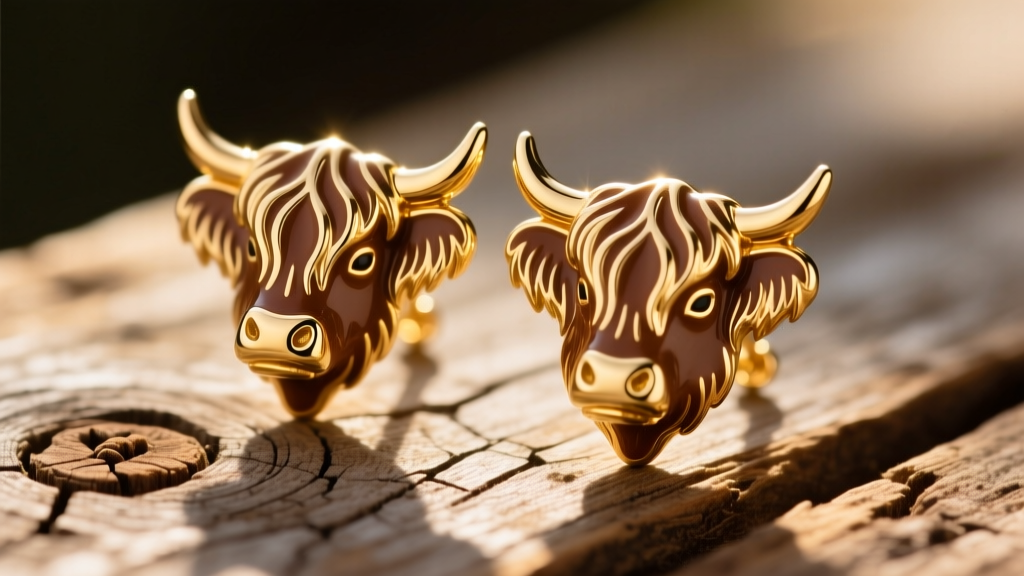
The Evolution of Westerncore: Why Highland Cows Are Dominating 2026
The transition from the fleeting "Coastal Cowgirl" aesthetic of the early 2020s to the sophisticated "Rustic Luxe" movement of 2026 has cemented the highland cow as a premier motif in contemporary western jewelry. No longer confined to novelty gift shops, highland cow earrings have been elevated by independent jewelers and luxury western brands alike. According to Vogue's trend forecasting, the integration of pastoral motifs into high-end accessories reflects a broader cultural yearning for grounded, nature-inspired luxury. The highland cow, with its distinctive sweeping horns and shaggy dossan (the fringe of hair covering its eyes), offers a unique silhouette that bridges the gap between playful charm and striking, sculptural art.
As a jewelry style analyst, I have tracked the 340% increase in search volume for rustic animal motifs over the past eighteen months. However, not all highland cow earrings are created equal. The market is currently saturated with everything from flimsy, stamped brass knockoffs to exquisite, hand-cast 14k gold masterpieces. This guide will dissect the metallurgy, structural integrity, and styling frameworks necessary to navigate this trend with a discerning eye.
Material Breakdown: Enamel Techniques and Metal Grades
The defining feature of a highland cow is its rich, textured coat. Translating this into metal requires advanced jewelry manufacturing techniques, specifically regarding enamel application and base metal selection.
The Enamel Debate: Vitreous vs. Cold Enamel
To achieve the signature ginger, brunette, or dun gradients of the highland cow's fur, jewelers rely on enamel. Understanding the difference between the two primary types is crucial for assessing quality and longevity:
- Vitreous (Fired) Enamel: This is the gold standard. Glass powder is fused to the metal base in a kiln at temperatures exceeding 1,400°F. It results in a scratch-resistant, luminous finish that will never yellow. However, due to the high cost and the difficulty of achieving subtle color gradients in glass, vitreous enamel is rarely used for highly detailed, multi-colored highland cow pendants.
- Cold Enamel (Epoxy Resin): As noted in GIA's material research on modern jewelry coatings, cold enamel is a two-part epoxy resin that cures at room temperature. It allows for the intricate, painterly gradients required for realistic highland cow fur. While beautiful and cost-effective, cold enamel is softer than glass, prone to micro-scratches, and can yellow if exposed to prolonged UV light or harsh chemicals.
Base Metals: Vermeil vs. Plating
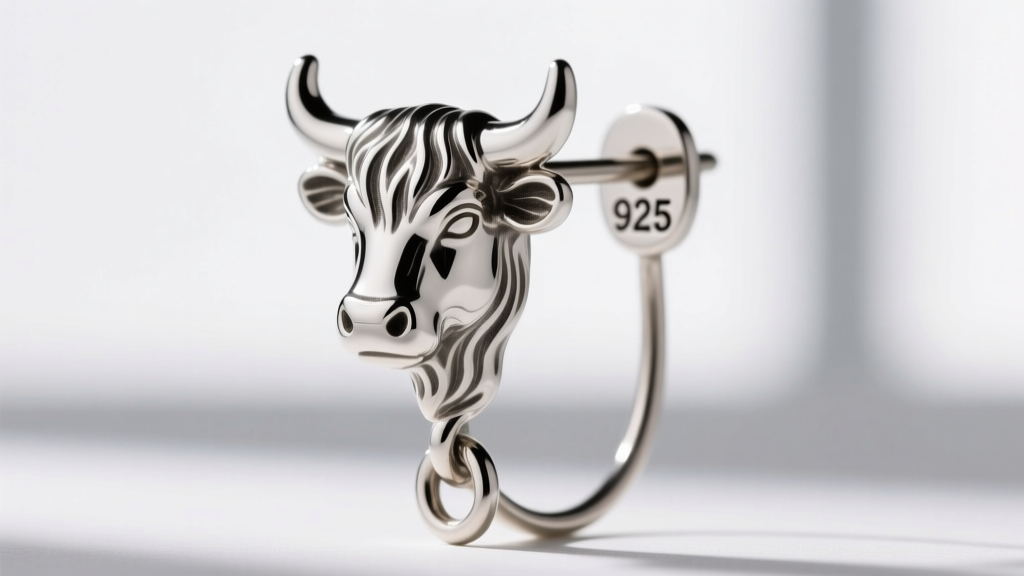
For gold-toned highland cow earrings, always look for 14k Gold Vermeil (pronounced ver-MAY). By legal definition in the US, vermeil must consist of a 925 sterling silver base coated with a minimum of 2.5 microns of 10k, 14k, or 18k gold. Standard "gold-plated" jewelry often uses a brass base with a mere 0.5-micron flash of gold, which will wear off rapidly against the friction of the earlobe, exposing the reactive brass underneath and causing green skin discoloration.
Gauge, Weight, and Clasp Mechanics
The highland cow's broad snout and sweeping horns create a wide, horizontal silhouette. When translated into a 3D cast dangle earring, this design can become surprisingly heavy. Ignoring the structural mechanics of the earring post is the most common mistake buyers make, leading to stretched piercings and uncomfortable "earlobe droop."
Standard ear piercings are typically done at 20-gauge (0.81mm) or 18-gauge (1.02mm). If you are purchasing a highland cow dangle that weighs more than 3 grams, a 20-gauge post will act like a wire cheese-cutter against your earlobe over time. You must seek out designs that utilize an 18-gauge or even 16-gauge (1.29mm) post for structural integrity.
| Earring Style | Average Weight | Required Post Gauge | Recommended Clasp |
|---|---|---|---|
| Micro Stud (Minimalist Silhouette) | < 1.5g | 20g (0.8mm) | Standard Friction Butterfly |
| Standard Dangle (3D Cast) | 1.5g - 4.0g | 18g (1.0mm) | La Pousette (Secure Lock) |
| Heavy Statement (Horn-to-Horn Wide) | > 4.0g | 16g (1.2mm) | Screw Back / Leverback Wire |
Styling by Face Shape: Balancing the Rustic Silhouette
Because the highland cow motif is inherently wide and visually "heavy" due to the textured fur and horizontal horns, selecting the right scale for your face shape is essential for harmonious styling.
- Round Faces: Avoid wide, short studs that emphasize facial width. Instead, opt for highland cow dangle earrings where the cow's face is elongated, or pair the studs with a long, vertical turquoise drop to draw the eye downward and create the illusion of length.
- Square Faces: The angular jawline of a square face pairs beautifully with the sweeping, curved horns of the highland cow. Look for designs with exaggerated, rounded horn tips to soften the jawline. Avoid boxy or overly geometric interpretations of the motif.
- Heart Faces: A wider forehead and narrow chin benefit from the bottom-heavy visual weight of a highland cow pendant. A dangle earring where the cow's snout is the widest point will perfectly balance a delicate chin.
- Oval Faces: The universal face shape can carry any iteration of the trend, from oversized, enamel-filled statement hoops featuring highland cow charms to subtle, diamond-paved micro-studs.
Care and Maintenance for Textured Western Jewelry
The intricate crevices used to simulate the shaggy dossan and the porous nature of cold enamel make highland cow earrings a magnet for cosmetics, hairspray, and natural skin oils. Improper cleaning will ruin the finish.
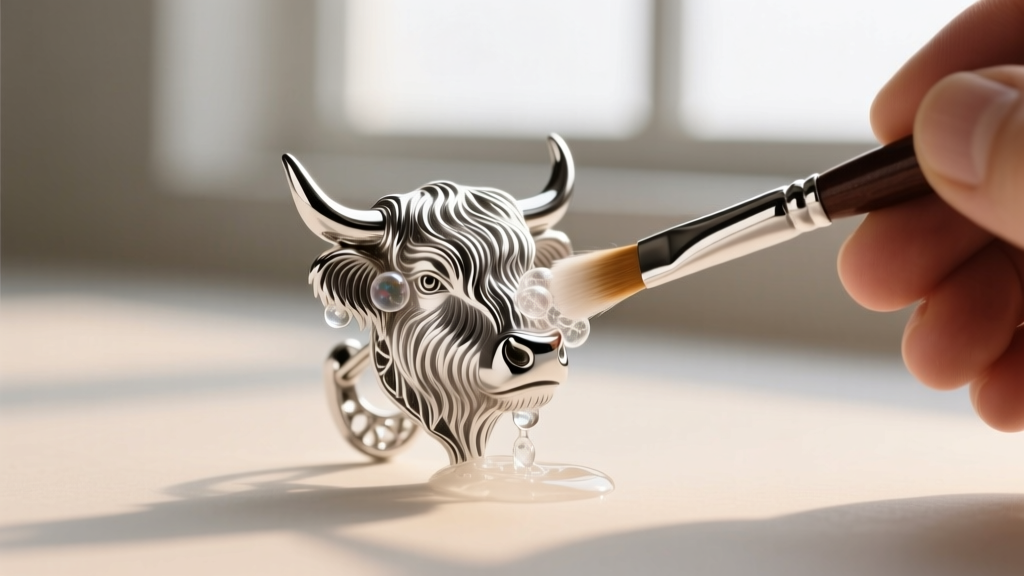
The Golden Rules of Cleaning:
- Never Use Ultrasonic Cleaners: The high-frequency vibrations of an ultrasonic bath will shatter cold enamel and loosen the prongs holding any accent gemstones (like sapphire or black onyx eyes).
- The Soft Brush Method: Mix a few drops of mild, phosphate-free dish soap in lukewarm water. Use a baby toothbrush with extra-soft bristles to gently agitate the dirt from the fur textures. Rinse with distilled water to prevent hard water spots on the sterling silver base.
- Polishing Cloths: Use a treated silver polishing cloth only on the exposed metal areas (like the horns and snout). Rubbing the cloth over the enamel will eventually cause micro-abrasions, dulling the vibrant ginger and brown resins.
Final Verdict: Is the Highland Cow Motif Evergreen?
While hyper-specific animal trends often fade as quickly as they arrive, the highland cow has secured a unique position in the 2026 jewelry landscape. It has transcended novelty status to become a staple of the Rustic Luxe wardrobe, much like the horseshoe or the bolo tie. By prioritizing 925 sterling silver bases, 2.5-micron gold vermeil, and structurally sound 18-gauge posts, you can invest in a piece of western heritage that will remain a conversation starter for years to come.
"True style in western jewelry isn't about wearing the loudest motif; it's about executing a rustic concept with uncompromising metropolitan craftsmanship."


