The Ultimate Guide to Coin Pearl Earrings: Materials & Nacre
Discover how to choose the best coin pearl earrings. We compare freshwater, saltwater, and shell pearls, plus metal settings for lasting wear.

The Anatomy of a Coin Pearl: Why Shape Dictates Material Choice
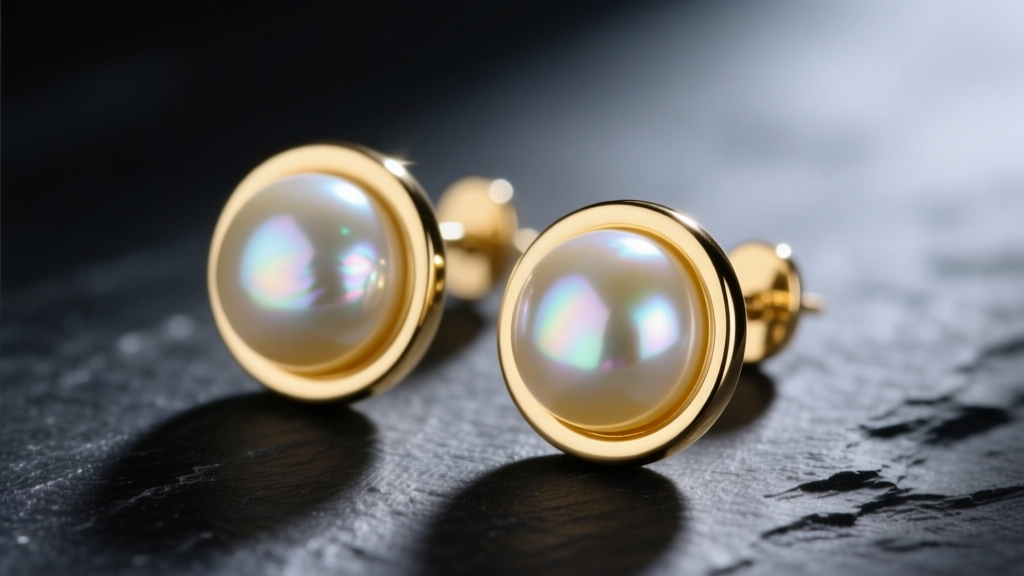
Coin pearl earrings have surged in popularity due to their modern, geometric silhouette and exceptional light-reflecting properties. Unlike traditional round pearls, which form around a spherical nucleus or purely through tissue nucleation, true coin pearls require a highly specific cultivation process. According to the Gemological Institute of America (GIA), the distinct flat, disc-like shape of a coin pearl is achieved by inserting a flat, disc-shaped shell nucleus—typically harvested from Mississippi River mussel shells—into the gonad of a freshwater mussel (Hyriopsis cumingii).
This bead-nucleation method means that the structural integrity of coin pearl earrings relies entirely on the thickness and quality of the nacre deposited over that flat disc. While tissue-nucleated freshwater pearls are solid nacre throughout, coin pearls possess a solid shell core. If the nacre layer is too thin, the sharp edges of the coin shape become highly susceptible to chipping, peeling, and premature wear. Understanding these material properties is the first step in selecting a pair of earrings that will last a lifetime.
Nacre Thickness and Luster Grading
When evaluating coin pearl earrings, nacre thickness is the ultimate determinant of longevity. A high-quality coin pearl should possess a minimum nacre thickness of 1.0mm to 1.5mm over the nucleus. Because the nucleus is flat, the nacre tends to pool slightly at the edges, creating a soft, beveled rim. If you can see a distinct, sharp, chalky line at the edge of the pearl, or if the surface appears dull and matte, the nacre is likely under 0.5mm and will eventually peel away from the shell bead core.
Luster in coin pearls is graded by the sharpness of reflections on their broad, flat surfaces. The GIA Pearl Quality Factors guide categorizes luster from 'Excellent' (mirror-like, sharp reflections) to 'Poor' (chalky and diffuse). Because coin pearls offer a wider, flatter canvas than round pearls, surface blemishes and variations in nacre deposition (often called 'mottling') are much more visible. Always demand high-resolution, unedited macro photography when purchasing coin pearl studs or dangles online.
Freshwater vs. Saltwater vs. Imitation: A Material Breakdown
The market is flooded with various iterations of 'coin pearls,' but their material origins dictate their value, durability, and price point. Below is a comprehensive comparison of the three primary materials you will encounter.
| Pearl Type | Nucleation / Core | Nacre Thickness | Avg. Price Range (Studs) | Durability & Wear |
|---|---|---|---|---|
| Freshwater Coin | Flat shell disc bead | 0.8mm - 2.0mm | $45 - $180 | High; edges may chip if dropped on hard surfaces. |
| Saltwater Mabe | Blister/Half-pearl | 0.3mm - 0.8mm | $200 - $600+ | Moderate; extremely thin nacre requires careful wear. |
| Shell Pearl (Imitation) | Ground shell powder | N/A (Lacquer coat) | $15 - $35 | Low; paint chips and yellows over time with skin oils. |
True saltwater 'coin' pearls do not exist in the same biological form as freshwater ones. When jewelers refer to saltwater alternatives, they are usually describing Mabe pearls (blister pearls), which are flat on one side and domed on the other. Mabe pearls have notoriously thin nacre (often less than 0.8mm) and are highly prone to delamination. For everyday earring wear, high-grade freshwater coin pearls offer the best balance of structural durability, thick nacre, and accessible pricing.
Metal Settings: What Holds Your Coin Pearls Matters
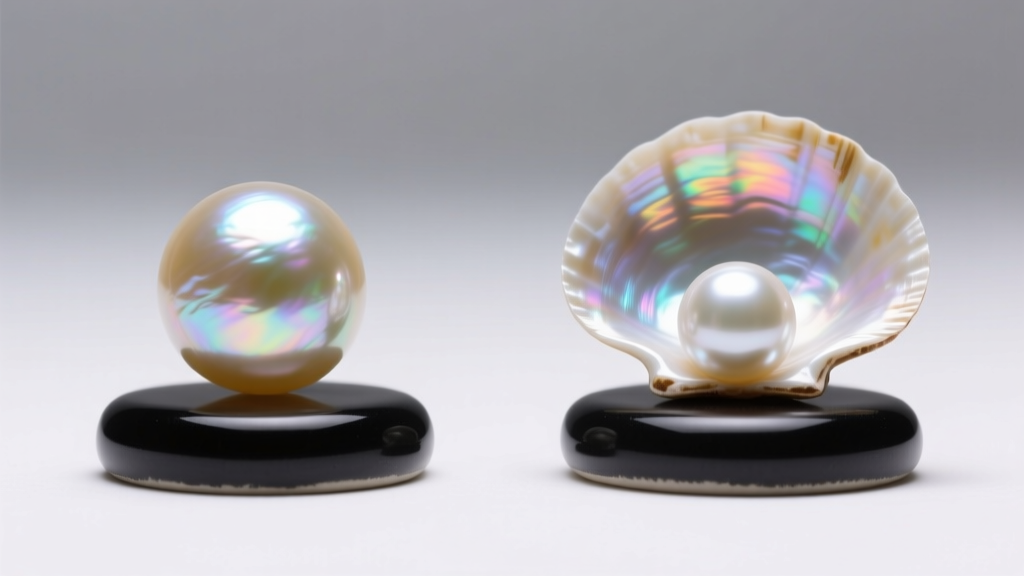
The metal setting of your coin pearl earrings is just as critical as the pearl itself. Coin pearls, particularly those in the 10mm to 14mm range, carry significant physical weight (often 3 to 6 grams per pearl). This weight places immense lateral stress on the earring post and the adhesive bond holding the pearl to the metal cup.
Sterling Silver vs. 14k Solid Gold vs. Vermeil
14k Solid Gold (Yellow, White, or Rose): This is the optimal choice for coin pearl earrings. 14k gold (58.5% pure gold alloyed with copper, silver, or zinc) provides the necessary tensile strength to support a heavy coin pearl without bending. An 18-gauge (1.02mm) 14k gold post will easily bear the weight of a 12mm coin pearl dangle without warping.
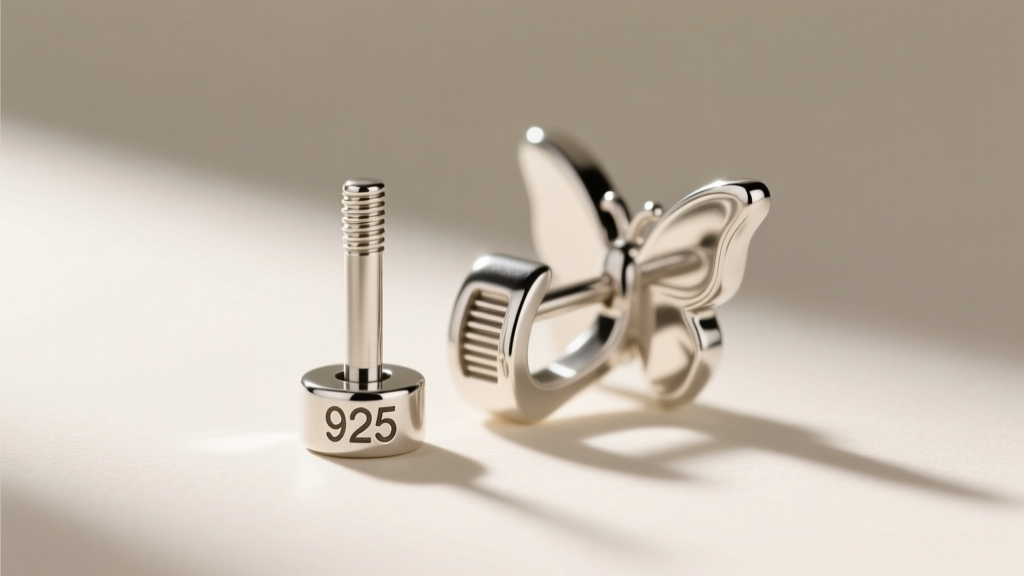
Sterling Silver (925): While affordable and hypoallergenic, sterling silver is a relatively soft metal. If a heavy coin pearl is set on a standard 20-gauge (0.81mm) sterling silver post, the post will inevitably bend under the pearl's weight, causing the earring to droop awkwardly on the earlobe. If choosing silver, ensure the post is 18-gauge or thicker, and opt for a bezel or halo setting that provides structural reinforcement to the pearl's flat back.
Gold Vermeil: Vermeil consists of a sterling silver base plated with at least 2.5 microns of gold. While visually identical to solid gold initially, the high friction of inserting and removing earring posts, combined with the acidic pH of human sweat, will wear away the gold plating on the post within 6 to 12 months. Once the silver core is exposed, it will tarnish rapidly and can cause contact dermatitis in sensitive ears.
Real-World Failure Modes: How Coin Pearl Earrings Degrade
Understanding how jewelry fails in the real world allows you to inspect your coin pearl earrings for early warning signs of degradation. Here are the most common failure modes specific to this style:
- Drill-Hole Delamination: To attach a coin pearl to an earring post, a jeweler must drill a hole halfway through the flat side. If the jeweler uses a dull drill bit or excessive speed, the friction generates heat. This heat melts the conchiolin (the organic protein 'glue' binding the aragonite nacre plates), causing the nacre to peel and flake around the drill hole. Always inspect the drill hole with a loupe; it should be clean, not jagged or flaking.
- Adhesive Breakdown: Coin pearls are typically glued to a metal cup using two-part jeweler's epoxy. Exposure to cosmetics, perfumes, and chlorine breaks down this epoxy over time. If your coin pearl stud begins to spin freely on its post, the adhesive bond has failed and requires immediate professional re-setting.
- Edge Chipping: Because the nucleus is a flat disc, the outer rim of a coin pearl is essentially a sharp corner coated in nacre. Dropping the earrings on a tile or marble bathroom counter will easily chip this rim, exposing the white shell bead underneath.
Care Protocols for Maximum Longevity
To preserve the nacre and metal integrity of your coin pearl earrings, implement a strict care protocol. Never use ultrasonic cleaners or steamers; the high-frequency vibrations will shatter the delicate nacre layers, and the heat will destroy the epoxy adhesive. Instead, wipe the flat surfaces of the pearls with a damp, lint-free microfiber cloth after every wear to remove acidic skin oils and sebum, which can slowly etch the calcium carbonate surface, leaving it permanently dull.
Store your coin pearl earrings in a soft, anti-tarnish flannel pouch, completely separate from harder gemstones like diamonds or sapphires. Because coin pearls have a broad, flat surface area, they are exceptionally prone to micro-scratching when tossed into a communal jewelry box. Finally, apply all hairsprays, perfumes, and lotions at least 15 minutes before putting on your earrings to prevent chemical degradation of both the nacre and the metal plating.
Final Verdict: Which Coin Pearl Earring Should You Buy?
For the vast majority of buyers, freshwater coin pearls set in 14k solid gold with an 18-gauge post represent the pinnacle of value, durability, and aesthetic appeal. They offer the thick, lustrous nacre that saltwater Mabe pearls lack, at a fraction of the cost, while the solid gold setting ensures the heavy pearls will remain securely and comfortably attached to your earlobes for decades. Avoid imitation shell pearls entirely, as their painted lacquer surfaces cannot replicate the deep, inner glow of genuine aragonite nacre, and they will inevitably degrade with regular wear.


