Feather Earrings Black: The Ultimate Beginner Style Guide
Discover how to choose, style, and care for black feather earrings. Explore material grades, gauge sizes, and face-shape pairings in our guide.

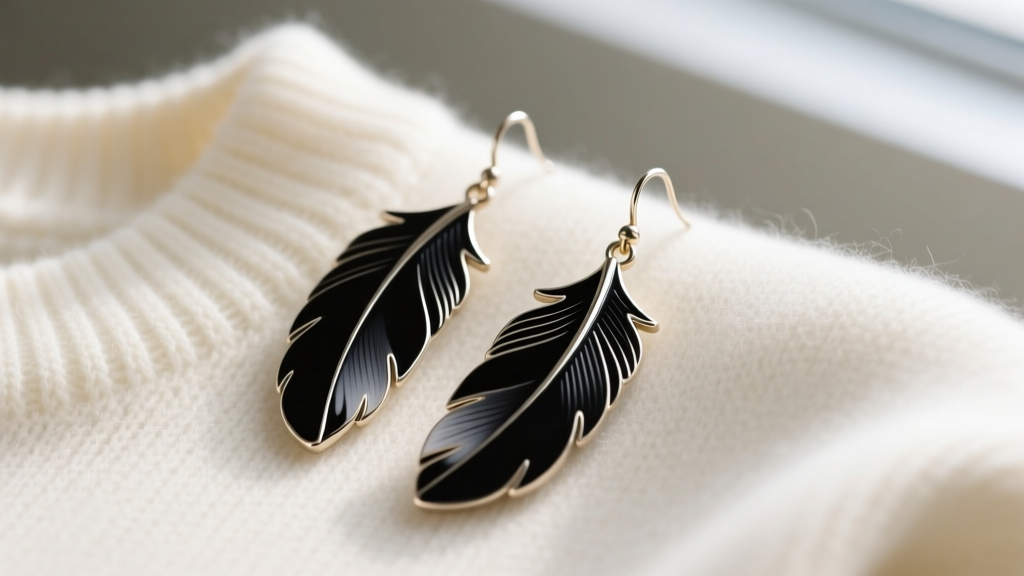
Decoding the 'Feather Earrings Black' Aesthetic
When building a versatile and expressive jewelry wardrobe, the search for feather earrings black styles often leads to a fascinating intersection of nature-inspired motifs and moody, avant-garde colorways. As we navigate the jewelry trends of 2026, dark-toned avian designs have moved beyond niche festival wear into everyday luxury and minimalist streetwear. But for beginners, the sheer variety of materials, weights, and structural designs can be overwhelming. Are you looking at genuine dyed plumage, or a meticulously crafted metal filigree? Understanding the anatomy of these earrings is the first step toward making a confident purchase.
The feather motif symbolizes freedom, travel, and spiritual connection, while the black colorway grounds the design, making it inherently more wearable for modern, monochromatic, or high-contrast outfits. This guide will break down everything you need to know about material grades, piercing gauges, and styling frameworks to master this specific jewelry niche.
Material Breakdown: What Are They Actually Made Of?
Not all black feather earrings are created equal. The material dictates the price, the weight on your earlobe, and the required maintenance routine. Below is a comparative matrix of the most common materials used in contemporary dark feather designs.
| Material | Durability & Weight | Price Range | Best For |
|---|---|---|---|
| Oxidized 925 Sterling Silver | Medium weight; patina can wear off on high-friction areas | $45 - $150 | Everyday wear, vintage aesthetics |
| Black PVD Titanium | Ultra-lightweight, highly scratch-resistant, hypoallergenic | $25 - $90 | Sensitive ears, active lifestyles |
| Matte Enamel over Brass | Lightweight; enamel can chip if dropped on hard surfaces | $15 - $60 | Bold graphic looks, budget-friendly gifting |
| Black Rhodium Plating | Heavy (if over gold); plating requires professional re-dipping | $250 - $800+ | Fine jewelry collectors, luxury evening wear |
| Genuine Dyed Feathers | Feather-light; highly fragile, water-sensitive | $10 - $45 | Bohemian styling, occasional wear |
For beginners, Black PVD (Physical Vapor Deposition) Titanium is often the smartest entry point. PVD is a vacuum-coating process that bonds a layer of black titanium nitride to the base metal. According to jewelry manufacturing experts at Rio Grande, PVD finishes are significantly more durable than traditional chemical blackening or electroplating, making them ideal for intricate feather textures that might otherwise trap polishing compounds.
The Mechanics of Comfort: Gauges, Weights, and Backings
A beautiful earring is useless if it stretches your piercing or falls out. Feather dangles, by design, have a larger surface area, which means they can catch on hair, scarves, and clothing. This snagging puts sudden stress on your earlobe.
Understanding Post Gauges
Standard lobe piercings are typically done at 20G (0.81mm) or 18G (1.02mm). If you are purchasing heavy metal feather dangles (like solid oxidized silver), you must ensure the post or wire is at least 18G. Using a thin 22G wire for a heavy dangle creates the 'cheese-cutter effect,' where the wire slowly migrates through the earlobe tissue due to the downward drag of the jewelry.
Securing the Earring
Because feather silhouettes are prone to tangling, standard butterfly friction backs are insufficient. Look for:
- Silicone Stopper Discs: These provide a wider surface area against the back of the ear, distributing the weight of the dangle more evenly.
- Screw Backs: Ideal for valuable pieces, ensuring the earring cannot be pulled off if the feather catches on a sweater.
- Leverback Wires: For French wire styles, always use a clear silicone ear nut to prevent the wire from slipping out of the piercing during movement.
The Face Shape Pairing Matrix
The elongated, tapering nature of a feather makes it an incredible tool for balancing facial proportions. Here is a beginner-friendly framework for selecting the right black feather silhouette based on your bone structure:
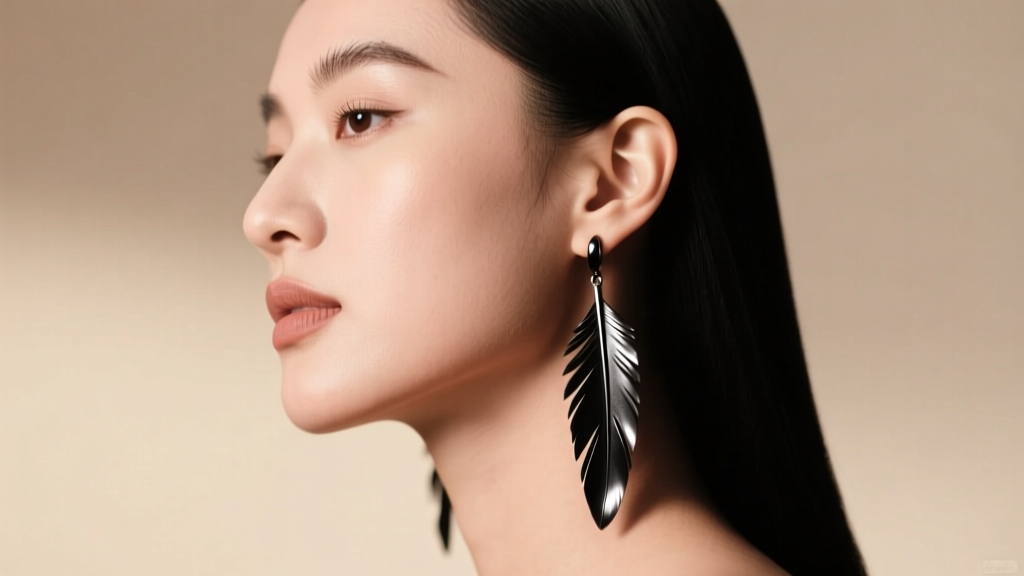
- Round Faces: Opt for long, slender, linear feather drops. The vertical lines draw the eye downward, creating the illusion of a longer, more oval face shape. Avoid wide, clustered feather studs.
- Square Faces: Choose curved, sweeping feather dangles or hoops with a dangling feather charm. The organic curves of the metalwork will soften a strong, angular jawline.
- Heart-Shaped Faces: Look for black feather huggies or top-heavy studs that draw attention upward toward the cheekbones and eyes, balancing a narrower chin.
- Oval Faces: You have the most versatility. You can easily pull off dramatic, oversized black enamel feather ear cuffs or asymmetrical mismatched sets.
Cartilage vs. Lobe: Placement Strategies
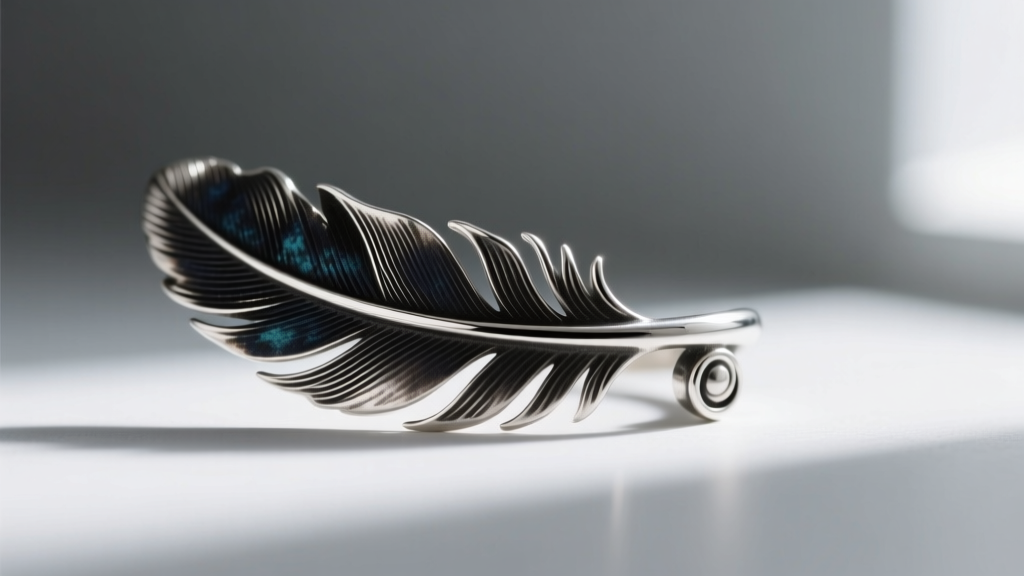
While lobes are the default, the feather motif translates beautifully to cartilage piercings. A blackened silver feather ear cuff wrapping around the helix creates an edgy, architectural look without requiring an actual piercing. If you do have a helix or tragus piercing, opt for a miniature 6mm to 8mm black titanium feather stud. Because cartilage is highly sensitive to pressure, ensure the backing is a flat-disc labret post (usually 16G or 18G) rather than a traditional butterfly back, which can dig into the folds of the ear while sleeping.
'Black jewelry is the ultimate neutral. A dark feather motif provides the organic texture of nature without the visual noise of bright gemstones, allowing it to anchor an outfit rather than compete with it.' — Editorial Styling Note, Jewel Style Radar
Care and Maintenance for Dark Finishes
The biggest mistake beginners make with dark jewelry is using standard silver dip cleaners. If your feather earrings are made of oxidized sterling silver, liquid silver polishes will strip away the intentional black patina (created using liver of sulfur), leaving you with flat, grey metal. The Gemological Institute of America (GIA) consistently advises against harsh chemical baths for treated or textured metals.
How to Clean Oxidized and PVD Metals
- Dry Polishing Only: Use a soft, untreated microfiber cloth to gently buff the high points of the feather. This enhances the contrast between the bright silver ridges and the dark, recessed grooves.
- Avoid Moisture and Perfume: Always put your earrings on after applying hairspray, perfume, and lotions. The alcohol and oils can degrade cold enamel and dull PVD coatings over time.
- Storage: Store black feather earrings in an anti-tarnish pouch. Even though the black oxidation is intentional, the underlying silver can still react to ambient humidity, leading to flaky, uneven tarnish on the polished edges.
Final Thoughts for the Beginner
Entering the world of dark, nature-inspired jewelry is an exercise in personal expression. By prioritizing hypoallergenic materials like PVD titanium, respecting the mechanics of earring gauges, and matching the silhouette to your unique face shape, you can confidently rock black feather earrings in any setting. Whether you choose a subtle matte enamel stud for the office or a dramatic, sweeping oxidized silver dangle for an evening out, the key lies in understanding the craftsmanship behind the piece.


