How to Clean Hypoallergenic Earrings for Sensitive Ears Safely
Expert guide to cleaning hypoallergenic earrings for sensitive ears. Learn material-specific care for titanium, gold, and niobium to prevent skin irritation.

The Hidden Culprit Behind 'Allergic' Reactions
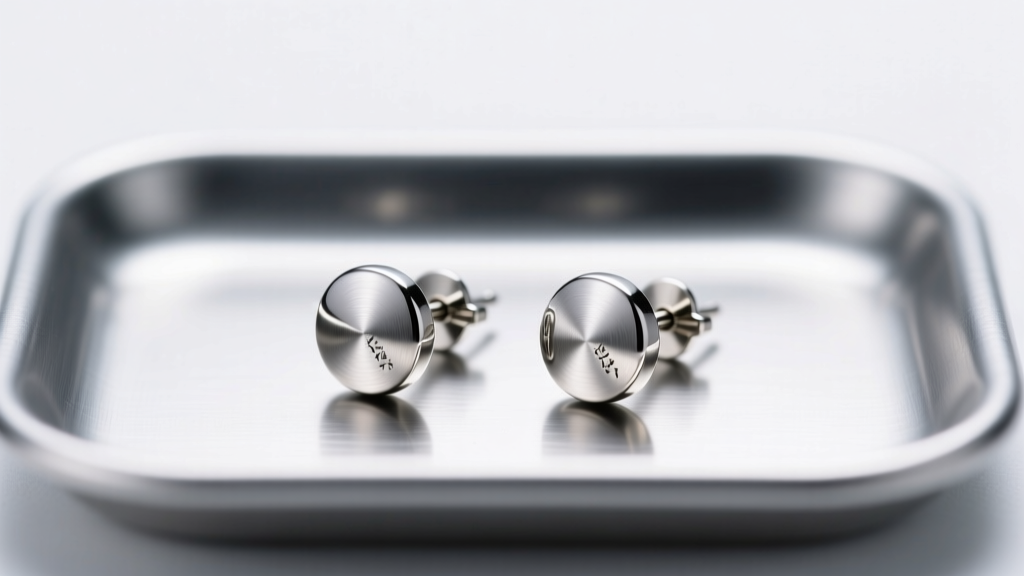
Investing in hypoallergenic earrings for sensitive ears is the first step toward comfortable piercings, but it is not a permanent shield against irritation. Many wearers mistakenly believe that once they purchase implant-grade titanium or solid platinum, their earlobes and cartilage will remain perpetually calm. However, dermatological data reveals a different reality: a significant percentage of contact dermatitis cases attributed to 'metal allergies' are actually reactions to biofilm buildup, oxidized sebum, and trapped environmental allergens on the jewelry surface.
When you wear earrings, the post or wire passes through the fistula (the piercing tunnel). This micro-environment is warm, moist, and constantly shedding dead skin cells. If not cleaned properly, these organic materials mix with natural body oils to form a microscopic layer of biofilm. According to the Association of Professional Piercers (APP), this biofilm can harbor bacteria and trap nickel ions from environmental exposure, triggering an immune response that mimics a true metal allergy. Proper maintenance of your hypoallergenic earrings for sensitive ears is not just about keeping them shiny; it is a critical health protocol for your piercings.
Material-Specific Cleaning Protocols
Not all hypoallergenic metals are created equal, and their surface properties dictate how they must be cleaned. Using the wrong method can alter the metal's surface topography, creating micro-abrasions where bacteria can thrive.
Implant-Grade Titanium (ASTM F136) and Niobium
Implant-grade titanium (specifically Ti6Al4V ELI, certified to ASTM F136 standards) is the gold standard for sensitive ears. Its surface naturally forms a passive oxide layer that prevents corrosion. Niobium behaves similarly. Both metals are highly resistant to chemical damage, but their oxide layers can be compromised by harsh abrasives.
- The Right Way: Use a mild, phosphate-free liquid soap and warm distilled water. A soft-bristled baby toothbrush is ideal for gently sweeping the threads of internally threaded posts or the hinges of huggie hoops.
- The Wrong Way: Never use baking soda or toothpaste. Toothpaste contains silica abrasives that rank higher on the Mohs hardness scale than the passive oxide layer of titanium. Scrubbing with toothpaste creates microscopic grooves in the metal, turning a smooth, bacteria-resistant surface into a porous trap for sebum and dead skin.
Solid 14k/18k Gold and Platinum
While platinum is a pure, hypoallergenic powerhouse, 14k and 18k gold are alloys. They contain trace amounts of copper, zinc, and sometimes silver to increase durability. Over time, these alloy metals can oxidize or react with sulfur in the environment, creating a dull film that can irritate highly reactive skin.
- The Right Way: Ultrasonic cleaners are generally safe for solid gold and platinum only if the earrings do not contain soft or porous gemstones (like opals, pearls, or emeralds). A 3-minute cycle in a specialized jewelry cleaning solution will effectively dislodge debris from intricate filigree or pave settings.
- The Wrong Way: Avoid chlorine bleach at all costs. Chlorine causes a galvanic reaction that attacks the alloy metals in gold, leaving behind a weakened, sponge-like surface structure that can leach irritants directly into the fistula.
The Step-by-Step Manual Cleaning Method
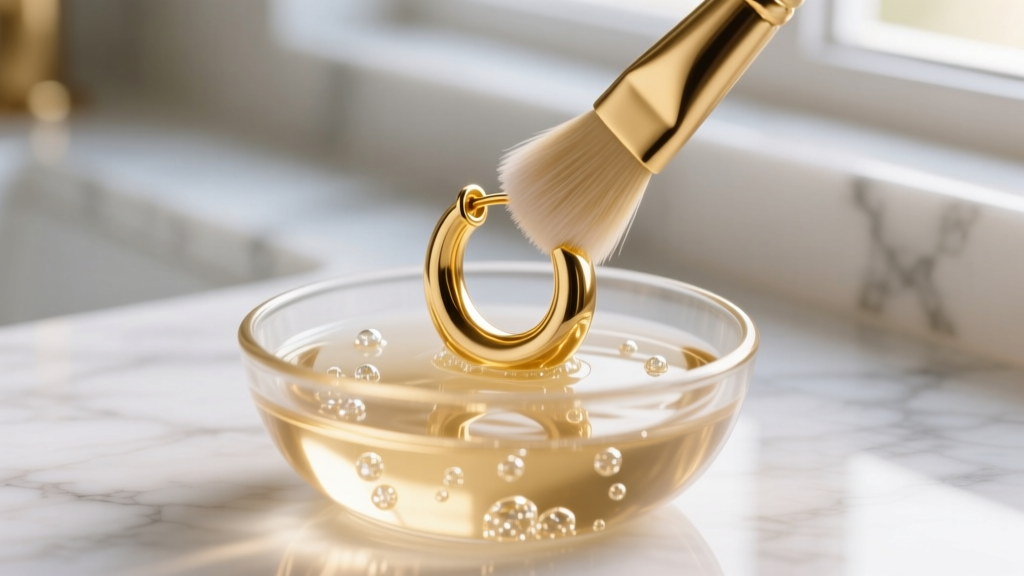
For routine maintenance of your hypoallergenic earrings for sensitive ears, the manual cleaning method is the safest and most effective approach. Follow this precise framework to ensure complete sanitation without damaging the jewelry.
- Preparation (The 98°F Soak): Fill a small glass beaker with distilled water heated to approximately 98°F to 105°F (body temperature to slightly warm). Add two drops of phosphate-free dish detergent. Avoid tap water, as dissolved minerals can leave calcified deposits on the metal.
- Immersion: Submerge the earrings completely. Allow them to soak for exactly 5 to 7 minutes. This softens hardened sebum and cosmetic residue without requiring aggressive mechanical force.
- Agitation: Using a dedicated, soft-bristled infant toothbrush, gently brush the earring. Pay special attention to the post groove, the clutch or backing mechanism, and any hinge points. For 16-gauge or 14-gauge wires, ensure you clean the entire circumference of the wire that sits inside the ear.
- Rinsing: Rinse thoroughly under a slow stream of lukewarm distilled water. Any residual soap left on the earring can act as a chemical irritant once inserted back into the ear.
- Drying: Pat dry with a lint-free microfiber cloth. Avoid cotton swabs or tissue paper, which can leave microscopic fibers tangled in the earring's clasps or threading.
Cleaning Methods Compared by Metal Type
Use the following decision matrix to determine the safest cleaning protocol based on your specific jewelry material and construction.
| Metal / Material | Best Cleaning Method | Frequency | Methods to Strictly Avoid |
|---|---|---|---|
| Implant-Grade Titanium | Manual soak & soft brush | Bi-weekly | Abrasives, ultrasonic (if anodized) |
| Niobium | Manual soak & soft brush | Bi-weekly | Alcohol, ultrasonic (strips color) |
| Solid 18k Gold | Ultrasonic or manual soak | Weekly | Chlorine, bleach, ammonia |
| Platinum 950 | Ultrasonic or manual soak | Weekly | Harsh acids |
| Anodized Titanium | Gentle manual wipe only | As needed | Ultrasonic, alcohol, soaking |
Chemicals That Destroy Hypoallergenic Properties
A common and dangerous myth in piercing care is that rubbing alcohol or hydrogen peroxide should be used to sterilize earrings before insertion. While these chemicals do kill bacteria, they are highly detrimental to both your jewelry and your biology.
"Repeated use of rubbing alcohol on jewelry can degrade certain finishes and, more importantly, severely dry out the delicate mucosal tissue of the fistula, leading to micro-tears that invite infection and contact dermatitis." — American Academy of Dermatology (AAD) guidelines on contact irritants.
Furthermore, if your hypoallergenic earrings for sensitive ears feature anodized titanium (which achieves its vibrant colors through a controlled oxide layer), alcohol and ultrasonic cleaners can strip this layer, leaving the metal dull and potentially exposing underlying impurities. Always stick to mild, pH-neutral surfactants designed to lift organic oils without altering the metallurgical surface.
Troubleshooting Persistent Irritation
If you have meticulously cleaned your earrings and are still experiencing redness, itching, or weeping in your earlobes or cartilage, consider the following failure modes:
- The Clutch/Backing Trap: Often, the earring post is clean, but the silicone or metal backing is harboring a massive buildup of dead skin. Discard old silicone backs monthly and replace them with new, medical-grade silicone or solid titanium threadless ends.
- Gauge Size Friction: If you are wearing standard 20-gauge (0.8mm) or 22-gauge (0.6mm) wires, the thin metal can act like a cheese wire, constantly moving and creating friction inside the fistula. Upsizing to a 16-gauge (1.2mm) or 14-gauge (1.6mm) post provides more surface area, stabilizing the jewelry and reducing mechanical irritation that mimics an allergic reaction.
- Cosmetic Cross-Contamination: Hairspray, dry shampoo, and heavy foundations contain polymers that bond to metal. If you apply cosmetics after inserting your earrings, you are sealing chemical irritants directly against the piercing site. Always insert your cleaned earrings after your hair and makeup routine is complete.
Post-Cleaning Storage and Maintenance
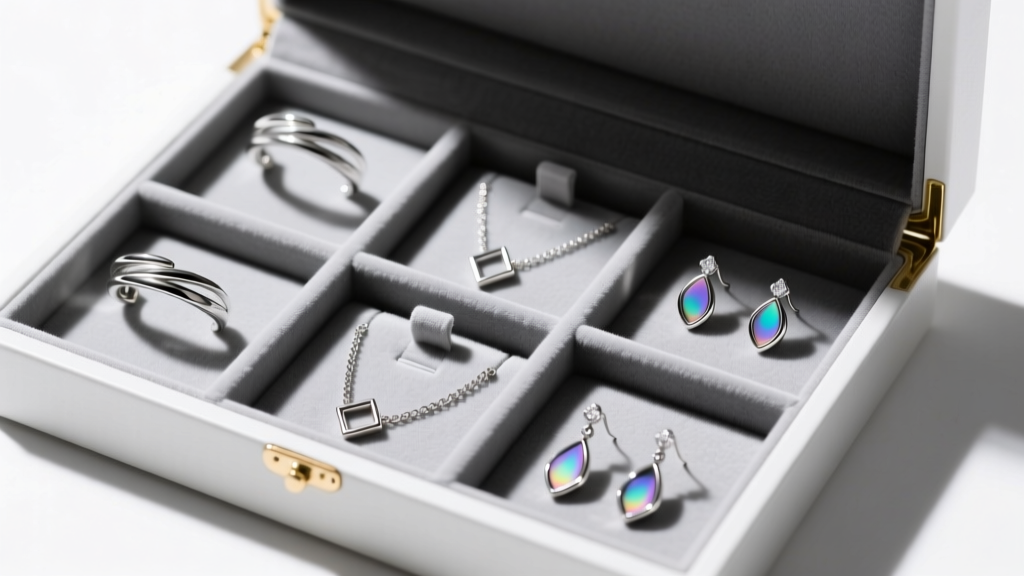
How you store your cleaned earrings is just as critical as how you wash them. Tossing freshly cleaned titanium studs into a communal jewelry box on your bathroom counter exposes them to humidity, aerosolized cosmetics, and cross-contamination from non-hypoallergenic pieces.
Store your sensitive ear jewelry in individual, airtight polyethylene bags (such as small Ziploc bags) with a tiny silica gel desiccant packet to control moisture. For high-end solid gold or platinum pieces, use anti-tarnish cloth pouches. Keep your storage container in a dry, climate-controlled environment—never in the bathroom, where fluctuating temperatures and high humidity accelerate oxidation and bacterial growth. By treating the storage and maintenance of your hypoallergenic earrings for sensitive ears with clinical precision, you ensure that your piercings remain healthy, comfortable, and beautifully adorned for years to come.


