Big Rhinestone Earrings: A 2026 Budget & Value Guide
Discover if big rhinestone earrings are worth the investment. We break down 2026 pricing tiers, material grades, and stone settings for maximum value.

The True Cost of Glamour: Understanding Rhinestone Grades
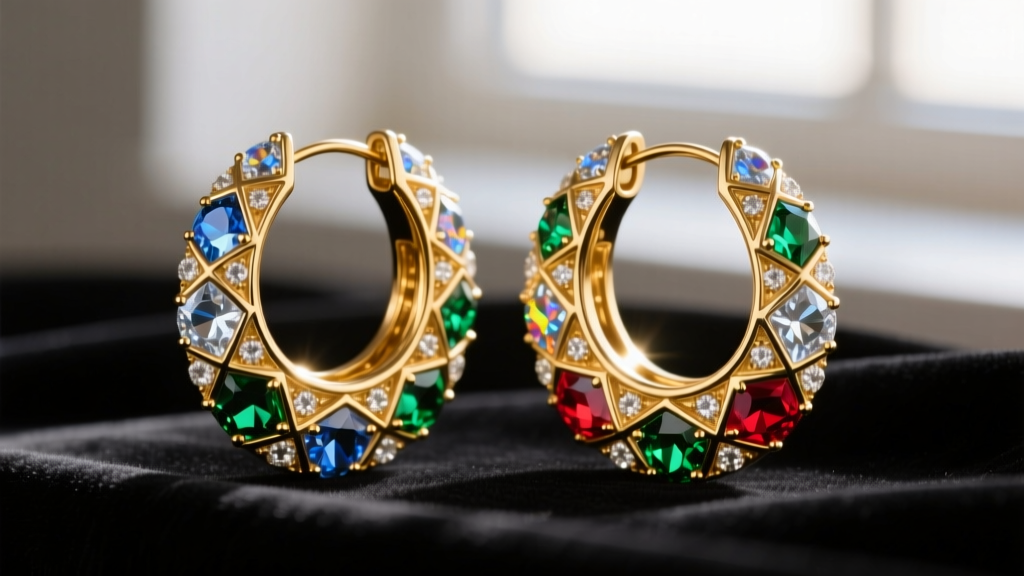
When evaluating big rhinestone earrings, the primary driver of both price and longevity is the material composition of the stones themselves. The term "rhinestone" is largely unregulated in the global fashion market, meaning a $15 pair and a $150 pair can legally use the exact same descriptor on their packaging. To assess true value in 2026, you must look past the marketing copy and examine the refractive index (RI), cut precision, and base material of the stones.
Glass vs. Acrylic vs. Crystal
Acrylic rhinestones are injection-molded from plastic resins. While they are incredibly lightweight—making them ideal for massive, oversized chandelier earrings that would otherwise drag down the earlobe—they possess a low RI (around 1.49) and are highly susceptible to micro-scratches. Within six months of regular wear, acrylic stones develop a cloudy, "dead" appearance due to surface abrasion and chemical reactions with skin oils and cosmetics.
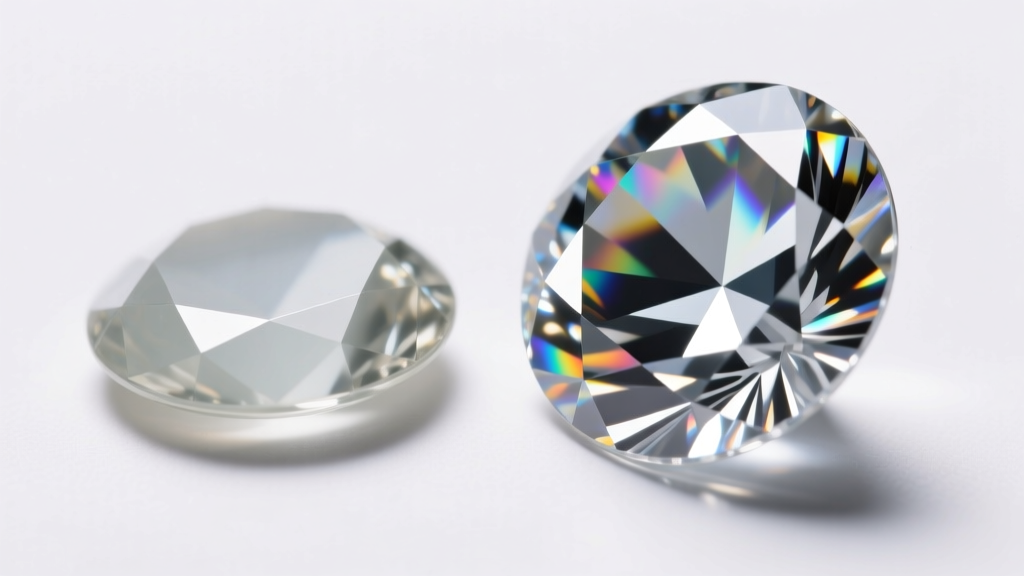
Machine-cut glass stones represent the mid-tier value sweet spot. With an RI of approximately 1.52 to 1.54, they offer respectable brilliance and a satisfying, heavy drape. According to optical analyses referenced by the Gemological Institute of America (GIA), the optical dispersion of high-quality cut glass can mimic lower-grade diamonds when properly faceted with precision machines. However, standard glass lacks the specific mineral additives found in premium crystals, meaning it will not produce the same intense "fire" (color dispersion) under direct, harsh spotlights.
Premium crystals (such as Preciosa or legacy Swarovski stock) boast an RI of 1.7 to 1.8 due to specific lead-free barium or zinc oxide additives. They are machine-cut to exact mathematical proportions, ensuring maximum light return from the pavilion facets. If you are purchasing big rhinestone earrings for stage performances, bridal wear, or high-definition photography, premium crystal is the only material that will prevent the stones from looking flat and gray on camera.
2026 Pricing Tiers: What You Actually Get for Your Money
To conduct a proper budget assessment, we have categorized the current market for oversized rhinestone earrings into three distinct tiers. This framework helps you align your spending with your actual use-case requirements, ensuring you never overpay for unnecessary luxury or underpay for structural liabilities.
| Tier | Price Range | Stone Material | Base Metal & Plating | Setting Method | Expected Lifespan |
|---|---|---|---|---|---|
| Fast Fashion | $8 - $25 | Acrylic / Resin | Zinc Alloy / Flash Plated (<0.1 microns) | Industrial Glue | 3 - 6 Months |
| Mid-Market Boutique | $35 - $85 | Machine-Cut Glass | Brass / 0.5 to 1.0-micron Gold Vermeil | Glue + Partial Prong | 1 - 3 Years |
| Premium / Designer | $120 - $450+ | Preciosa / Lead-Free Crystal | Sterling Silver or Heavy 2.5-micron Vermeil | Secure Prong or Bezel | 5+ Years / Heirloom |
For the average consumer building a versatile evening wardrobe, the mid-market boutique tier offers the highest cost-per-wear value. You avoid the rapid tarnishing and skin irritation of zinc alloys while securing glass stones that sparkle beautifully in ambient restaurant and event lighting.
The Hidden Failure Modes of Oversized Rhinestone Jewelry
Big rhinestone earrings face unique structural stresses that smaller studs simply do not encounter. When conducting a value assessment, inspect the piece for these three common failure points before committing to a purchase.
- Cyanoacrylate Glue Degradation: Inexpensive earrings rely on industrial superglue to hold large stones in place. Cyanoacrylate breaks down rapidly when exposed to the lipids in human sebum, as well as the alcohol in perfumes, setting sprays, and hairsprays. If you can see a white, chalky residue around the base of the stone upon unboxing, the adhesive is already failing and the stone will drop within weeks.
- Lobe Stretching and Piercing Blowouts: A large, clustered rhinestone drop earring can easily weigh between 12 and 25 grams. A standard earlobe piercing (usually 20-gauge or 18-gauge) is not designed to support this weight dynamically. Over time, the kinetic energy of walking will cause the earring to act as a pendulum, stretching the fistula and causing irreversible lobe sagging. For heavy pieces, always factor in the anatomical cost.
- Verdigris and Plating Friction: The Federal Trade Commission (FTC) Jewelry Guides outline strict standards for metal marketing, but "gold plated" can still legally encompass microscopic layers. Industry metallurgy standards dictate that anything under 0.5 microns of gold over brass is considered "flash plating." Flash plating will wear off the earring post within weeks of friction against the ear, exposing the brass underneath. When raw brass reacts with sweat, it creates copper chloride (verdigris), leaving a green stain on your skin and risking severe contact dermatitis.
Engineering the Wear: Earring Backs and Weight Distribution
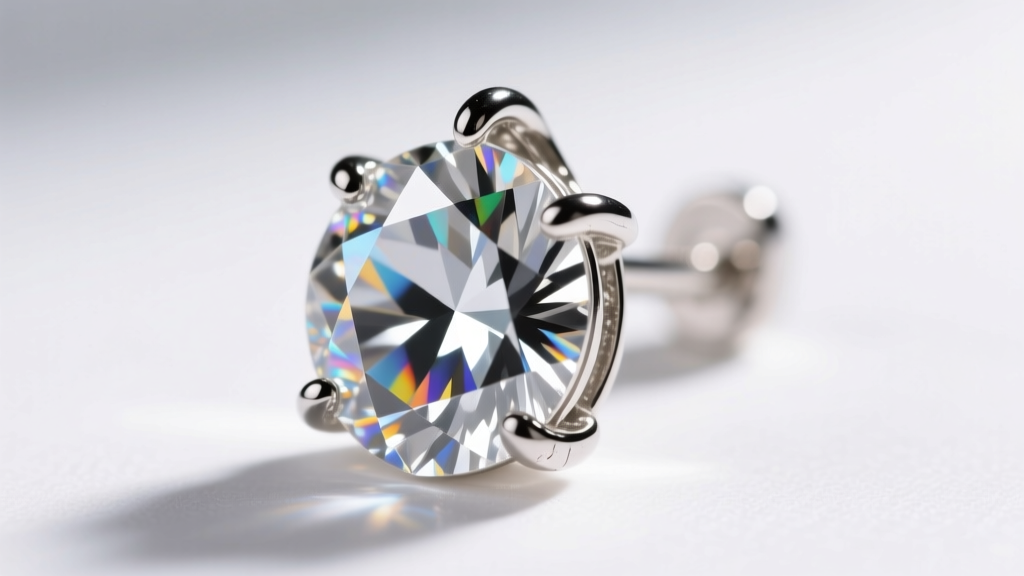
The structural integrity of big rhinestone earrings extends far beyond the stones and the metal base; the earring back is a critical, often overlooked component of overall value. A heavy, oversized rhinestone drop earring exerts significant leverage on the earlobe. Standard butterfly friction backs (metal clutches) are wholly inadequate for earrings weighing over 10 grams. The small surface area of a metal clutch will dig into the back of the ear, causing acute discomfort and eventually leading to the earring slipping forward, tilting the design and stretching the piercing.
When assessing value, look for brands that include specialized hardware in the box. Silicone O-ring stoppers provide a larger surface area and a high-friction grip that prevents heavy drops from sliding off the post. Even better are "earring support patches" or "lobe miracle guards"—adhesive silicone discs that sit behind the earlobe, distributing the weight of the earring across a wider area of skin. If a mid-market brand ($40-$85) includes these specialized ergonomic backs, it signals a high level of design maturity and respect for the consumer's anatomy, vastly increasing the overall value proposition of the purchase.
Value Assessment Framework: How to Buy Smart
True value in fashion jewelry is not about finding the lowest absolute price; it is about matching the structural integrity and optical grade of the piece to the frequency and environment of its intended use.
Use this decision matrix when shopping for big rhinestone earrings to ensure your budget is allocated efficiently:
Scenario A: Single-Use Event (Gala, Costume Party, Themed Photoshoot)
Budget: Under $30.
Strategy: Prioritize sheer size and dramatic silhouette over material grade. Acrylic stones and zinc-alloy bases are perfectly acceptable here, as the earrings will not be subjected to long-term wear and tear. Look for glued settings, but inspect them closely to ensure no stones are missing or misaligned out of the box.
Scenario B: Regular Evening & Holiday Rotation
Budget: $40 to $90.
Strategy: Demand machine-cut glass and a brass base with at least 0.5-micron gold or rhodium plating. Ensure the earring features a mechanical setting (prongs or bezels) rather than relying solely on chemical adhesives. If the design uses a French wire, verify that the wire is thick enough (18-gauge or thicker) to support the weight of the drop without bending out of its U-shape over time.
Scenario C: Professional Stage Performers & Bridal
Budget: $150+.
Strategy: Invest in premium crystal (Preciosa) set in sterling silver or heavy 2.5-micron vermeil. Stage lighting requires the high refractive index of crystal to cut through the glare and reach the back of the auditorium, while the physical demands of performing require secure, hand-set prongs that will not lose a stone mid-routine.
Final Verdict: Are Big Rhinestone Earrings Worth the Investment?
Big rhinestone earrings remain an indispensable styling tool for elevating a minimalist wardrobe, framing the face, or completing a high-glamour aesthetic. However, the "tax" on poorly constructed oversized jewelry is high—both in terms of rapid replacement costs and potential anatomical damage to your earlobes. By understanding the optical differences between acrylic, glass, and crystal, and by demanding appropriate metal plating thickness and mechanical setting techniques, you can confidently navigate the 2026 market. Skip the flash-plated fast fashion traps, target the mid-tier glass-and-brass sweet spot for everyday glamour, and reserve premium crystals for moments when only maximum brilliance will do.


