The Ultimate Guide to Cleaning Popcorn Earrings Safely
Learn how to safely clean, store, and maintain delicate popcorn earrings without crushing the hollow links or dulling the textured metal finish.

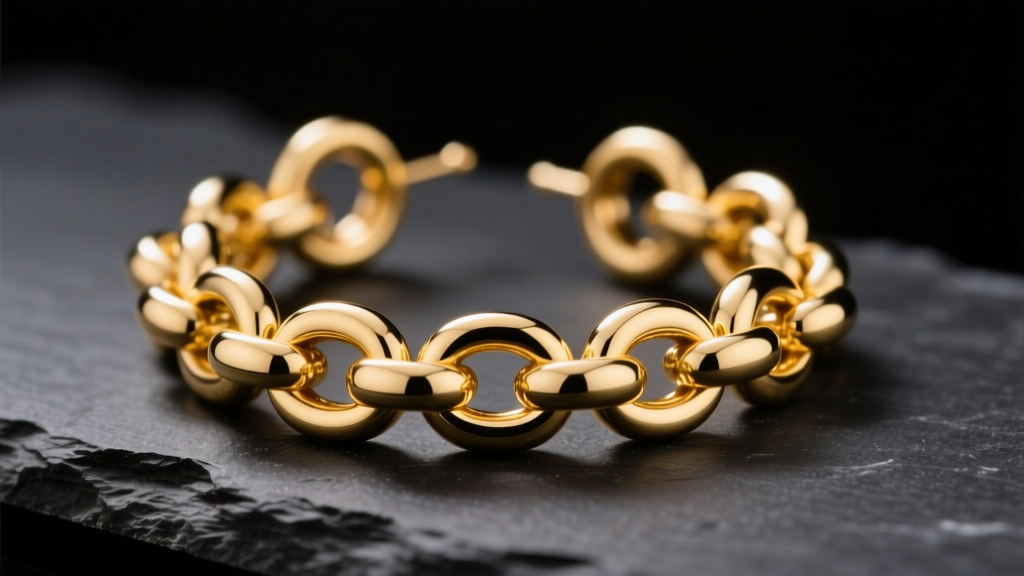
The Unique Anatomy of Popcorn Earrings
Popcorn earrings—characterized by their puffed, rounded, and highly textured chain links or bead clusters—are marvels of jewelry engineering. They offer substantial visual volume and a luxurious, light-catching texture while remaining remarkably lightweight. This is achieved through a manufacturing process that stamps and laser-welds thin sheets of precious metal into hollow, three-dimensional forms. While this makes them comfortable for all-day wear, especially in larger dangle or drop styles, it also introduces unique vulnerabilities. The microscopic seams and deep crevices of the popcorn texture act as magnets for sebum, dead skin cells, cosmetic residue, and environmental dust. Furthermore, because the metal walls of these hollow links are often less than 0.3mm thick, standard jewelry cleaning methods can easily cause catastrophic structural failure, warping, or irreversible scratching.
Critical Maintenance Mistakes to Avoid
Before attempting to clean your popcorn earrings, it is vital to understand which popular cleaning methods are actually destructive to hollow and heavily textured metals.
The Ultrasonic Cleaner Hazard
Ultrasonic cleaners use high-frequency sound waves to create microscopic cavitation bubbles in a liquid solution. When these bubbles implode against solid jewelry, they dislodge dirt effectively. However, according to the Gemological Institute of America (GIA), the shockwaves from these implosions can easily dent, warp, or shatter the thin walls of hollow popcorn links. Never place hollow-chain earrings in an ultrasonic machine.
Abrasive Pastes and Viral DIY Hacks
While social media trends frequently promote baking soda pastes or toothpaste for polishing silver, these are highly abrasive. Toothpaste has a high Relative Dentin Abrasivity (RDA) value, meaning it contains silica particles that will leave microscopic scratches across the polished surfaces of your popcorn links, permanently dulling their luster. Similarly, the viral electrochemical aluminum-foil-and-baking-soda bath for silver can leave corrosive chemical residues trapped inside the hollow seams of popcorn chains, leading to accelerated internal oxidation.
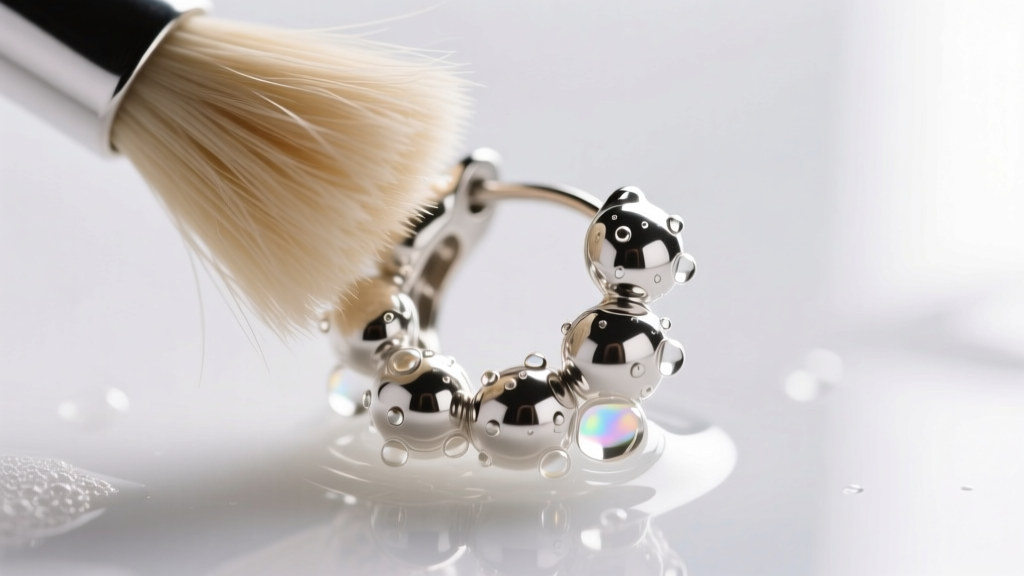
The 5-Step Deep Cleaning Protocol
To safely remove trapped debris without compromising the structural integrity of your popcorn earrings, follow this precise, non-abrasive cleaning protocol.
- Preparation: Fill a small glass bowl with lukewarm distilled water. Tap water contains minerals that can leave hard water spots deep within the textured crevices. Add exactly two drops of a mild, phosphate-free liquid dish soap (such as original Dawn) and gently agitate to create suds.
- Controlled Soak: Submerge the earrings for no more than 3 to 5 minutes. This brief soak is sufficient to loosen cosmetic buildup and natural oils without risking prolonged moisture exposure to the laser-welded seams.
- Gentle Agitation: Using an extra-soft baby toothbrush (with bristles under 0.1mm in diameter) or a clean, soft-bristled makeup blending brush, gently sweep across the textured surfaces. Brush in the direction of the chain links to avoid snagging. Never apply downward pressure; let the bristles do the work.
- Distilled Rinse: Remove the earrings and rinse them under a gentle stream of distilled water to wash away the suspended dirt and soap residue.
- The Compressed Air Dry: This is the most crucial step for hollow jewelry. Pat the exterior gently with a lint-free microfiber cloth. Then, use a can of compressed air (held at least 6 inches away) to blow out any water trapped inside the hollow popcorn links. Trapped moisture can lead to skin irritation upon wearing and promote internal tarnishing in lower-karat golds or sterling silver.
Material-Specific Care Matrix
Different metals react differently to environmental exposure and require specific maintenance approaches to preserve their finish.
| Metal Type | Tarnish Risk | Recommended Polish Additive | Cloth Warning |
|---|---|---|---|
| 14k / 18k Yellow Gold | Low | None (Soap & Water only) | Avoid aggressive rubbing on high-polish seams |
| Sterling Silver | High | Jeweler's Rouge (sparingly) | Do not use treated silver dips on hollow links |
| Platinum / White Gold | Very Low | None | Rhodium plating on white gold can wear if over-polished |
Preventing Structural Failure: Storage and Wear Rules
The number one cause of permanent damage to popcorn earrings is not chemical tarnish, but physical crushing. Because the links are hollow, they cannot be easily hammered or reshaped by a jeweler once dented. According to Jewelers of America, proper storage is the cornerstone of jewelry longevity.
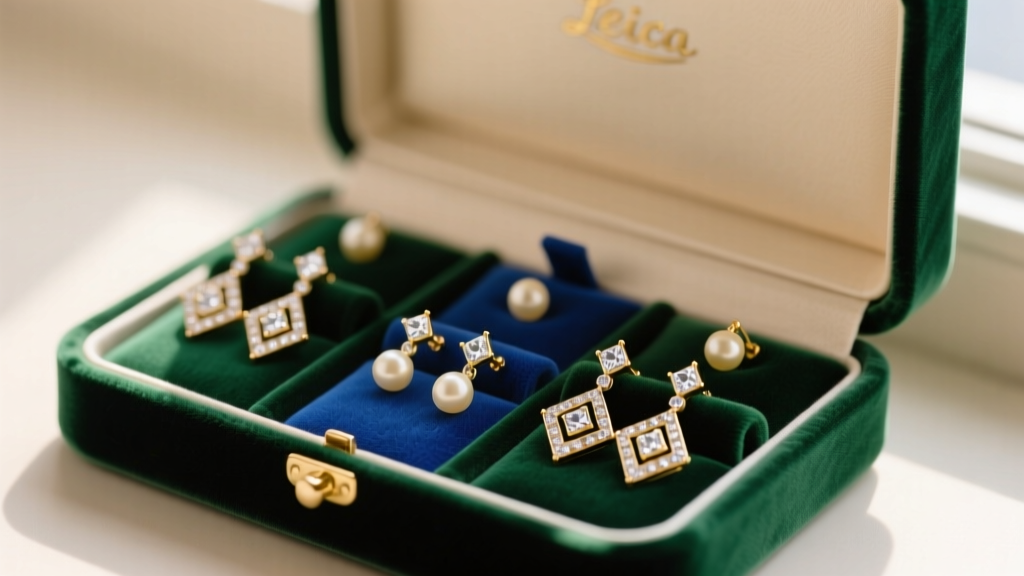
Never store popcorn chain earrings in a communal jewelry box where heavier solid-metal pieces can shift and crush the delicate puffed links. Always use individual, velvet-lined compartments.
When wearing popcorn drop or dangle earrings, put them on after applying hairspray, perfume, and lotions. The textured surface area of popcorn links provides ample real estate for aerosolized cosmetics to adhere to, creating a sticky film that is notoriously difficult to remove from the deep crevices without prolonged soaking, which we want to avoid.
Environmental and Chemical Hazards
Chlorine is the ultimate enemy of gold alloys. If you wear 14k or 18k gold popcorn earrings in a swimming pool or hot tub, the chlorine can cause a chemical reaction known as 'stress corrosion cracking.' This weakens the microscopic laser welds holding the hollow popcorn links together, eventually causing the chain to snap under its own weight. Always remove your earrings before swimming, cleaning with bleach-based household products, or using hot tubs.
When to Visit a Professional Jeweler
While home maintenance is excellent for surface cleaning and tarnish prevention, certain issues require professional intervention. If the earring post or the soldered joint connecting the post to the popcorn chain becomes bent, do not attempt to bend it back into place yourself. The torque applied to the base of a hollow link can easily crush the adjacent link. A professional jeweler can use specialized laser welders to reattach posts or repair clasps without applying the broad, damaging heat of a traditional soldering torch. For deep, irreversible dents in the popcorn links themselves, replacement of the specific chain segment is usually the only viable option, as the hollow metal lacks the structural memory to be reshaped.


