How to Clean and Restore Vintage Western Germany Earrings
Discover expert care, cleaning, and restoration tips for vintage Western Germany earrings to protect marcasite, rhinestones, and gold wash.

The Legacy and Vulnerability of W. Germany Marks
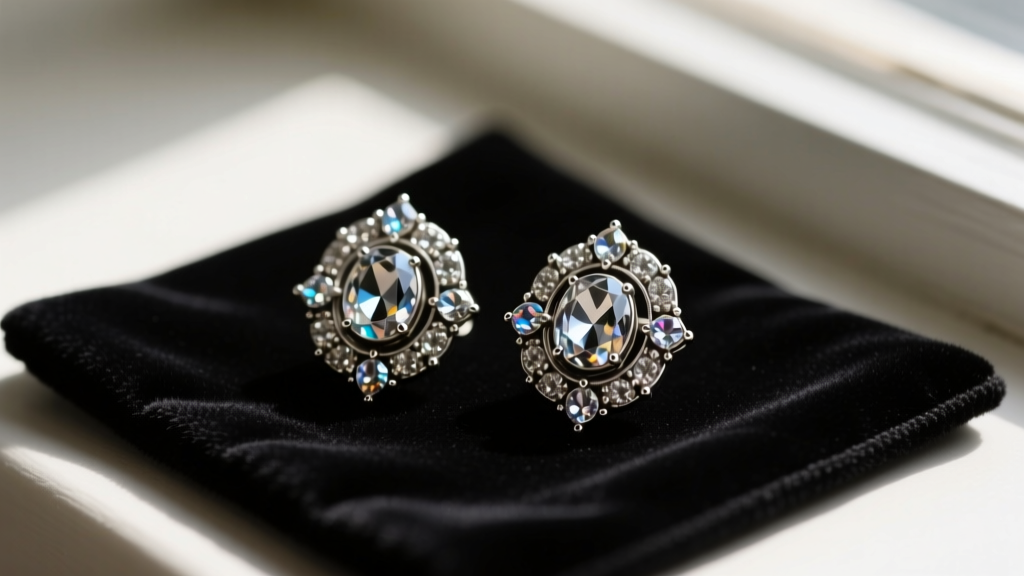
Vintage earrings stamped with "W. Germany" or "Made in Western Germany" represent a highly coveted era of mid-century European craftsmanship, spanning from the formation of the Federal Republic in 1949 to reunification in 1990. Collectors prize these pieces for their intricate metalwork, heavy gold wash, and early use of Aurora Borealis (AB) glass coatings. However, the very materials that make these earrings desirable—such as glued marcasite, foil-backed rhinestones, and thin gold electroplating—make them exceptionally vulnerable to modern cleaning methods. According to the Victoria and Albert Museum (V&A), vintage costume jewelry requires a radically different approach than fine jewelry, as harsh chemicals can instantly dissolve historic adhesives and strip delicate metal finishes.
Identifying Your Mid-Century Materials
Before applying any cleaning agent, you must accurately identify the materials used in your Western Germany earrings. The 1950s and 1960s saw specific manufacturing trends that dictate your care strategy:
- Marcasite (Iron Pyrite): Often set in silver-tone or darkened oxidized alloys. Unlike modern prong-set stones, vintage marcasite was frequently secured with shellac or early synthetic glues that degrade when exposed to moisture or alcohol.
- Foil-Backed Rhinestones: Glass stones with a delicate metallic foil painted on the back to increase brilliance. If water seeps behind the glass, the foil will oxidize, turn black, and permanently ruin the stone's sparkle.
- Aurora Borealis (AB) Coatings: Introduced in the mid-1950s, this micro-thin metallic coating on glass creates a rainbow effect. Friction and chemical solvents will strip this coating away, leaving plain clear glass.
- Gold Wash over Base Metal: Unlike modern heavy gold vermeil, mid-century gold wash is often only a few microns thick. Abrasive polishing will instantly wear through to the brass or pot metal beneath.
The Golden Rules of Vintage Earwear Maintenance
When dealing with mid-century European costume jewelry, the guiding principle is minimal intervention. The Gemological Institute of America (GIA) emphasizes that porous gemstones and treated surfaces must never be subjected to ultrasonic cleaners or steam. For Western Germany earrings, this means absolutely no soaking, no ultrasonic baths, and no commercial silver dips. Your goal is surface-level debris removal and tarnish management without compromising the structural adhesives or micro-coatings.
Step-by-Step Cleaning Guide by Material
1. Cleaning Marcasite and Silver-Tone Alloys
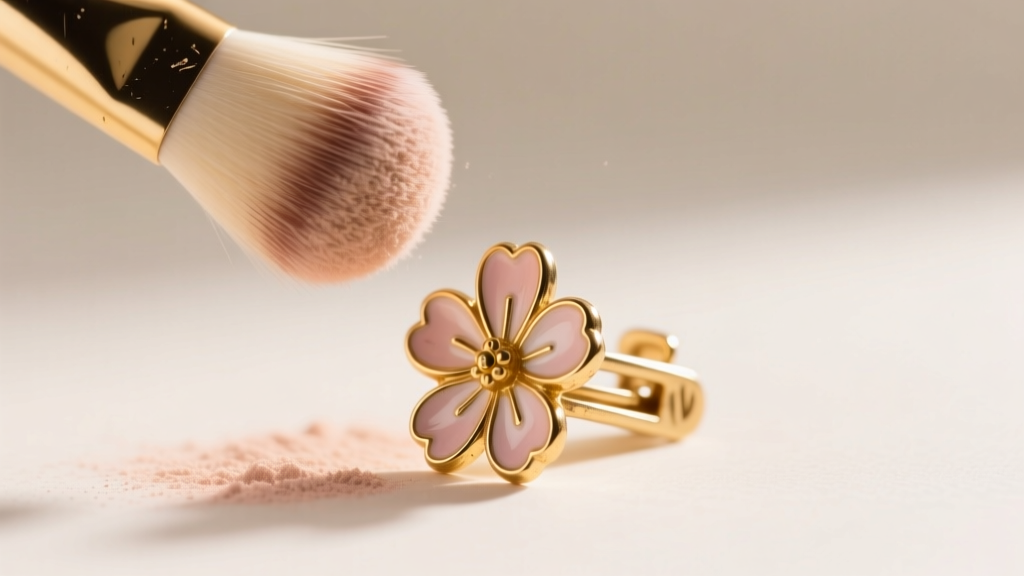
To clean the metal surrounding marcasite stones, use a high-quality silver polishing cloth (impregnated with mild anti-tarnish agents) and gently rub only the metal surfaces. Avoid dragging the cloth over the stones, as the friction can catch the edges and pop them out of their glue beds. For dirt trapped between the marcasite stones, use a clean, dry, soft-bristled makeup brush to sweep out debris. If grime is stubborn, slightly dampen a cotton swab with distilled water—never tap water, which contains chlorine—and carefully dab the metal, ensuring no moisture touches the stones. Allow to air dry completely before storing.
2. Restoring Aurora Borealis and Foil-Backed Rhinestones
Never use liquid cleaners, alcohol, or even breath condensation on foil-backed or AB rhinestones. The safest method to restore brilliance is to use a specialized glass-cleaning microfiber cloth designed for camera lenses. Gently buff the surface of the glass in small circular motions. If hairspray or makeup residue has accumulated, use a wooden toothpick to very gently scrape the residue away from the prongs or bezel settings, taking care not to scratch the glass surface. For the GIA, preserving the original surface treatment of vintage gemstones and glass is paramount to maintaining their historical and monetary value.
3. Caring for Enamel and Resin Details
Many 1960s Western Germany dangle earrings feature cold enamel or early Lucite resins. Clean these with a barely damp microfiber cloth. Avoid any products containing ammonia or acetone, which will cause early plastics to craze (develop micro-cracks) and enamel to cloud or peel.
Maintaining Vintage Hardware: Screw-Backs and Clip-Ons
Because ear piercing was less common in the mid-century, many Western Germany earrings feature screw-back or early clip-on mechanisms. These require specific mechanical maintenance:
- Screw-Backs: Over decades, the tension screw can loosen, causing the earring to fall off. Use a miniature jeweler's screwdriver to gently tighten the screw on the paddle. Do not overtighten, as the vintage threading can strip. Apply a microscopic drop of clear nail polish to the outside of the screw head to lock it in place without gluing the mechanism shut.
- Clip-Ons: The tension springs in 1950s clip-ons can become brittle. Never bend the metal paddle backward to adjust the fit, as the base metal may snap. Instead, use needle-nose pliers with rubber-dipped tips to very gently squeeze the sides of the paddle inward to increase tension.
The Vintage Earring Hazard Chart
Understanding what not to use is just as critical as knowing the correct cleaning methods. Refer to this hazard chart to prevent irreversible damage to your collection.
| Cleaning Agent | Material Affected | Resulting Damage |
|---|---|---|
| Ultrasonic Cleaners | Marcasite, Rhinestones | Vibrations shatter glass and shake stones loose from dried adhesive. |
| Isopropyl Alcohol | Foil-backs, Enamel, Resin | Dissolves shellac glues, strips foil backing, and clouds early plastics. |
| Silver Dip Liquids | Gold Wash, AB Coatings | Instantly strips gold electroplating and removes rainbow AB micro-layers. |
| Toothpaste / Baking Soda | All Vintage Surfaces | Highly abrasive; creates micro-scratches on glass and strips metal finishes. |
Proper Archival Storage for Collectors
Once your Western Germany earrings are cleaned, proper storage is essential to prevent environmental degradation. According to conservation guidelines from the Victoria and Albert Museum, fluctuating humidity and exposure to sulfur in the air are the primary enemies of vintage costume jewelry.
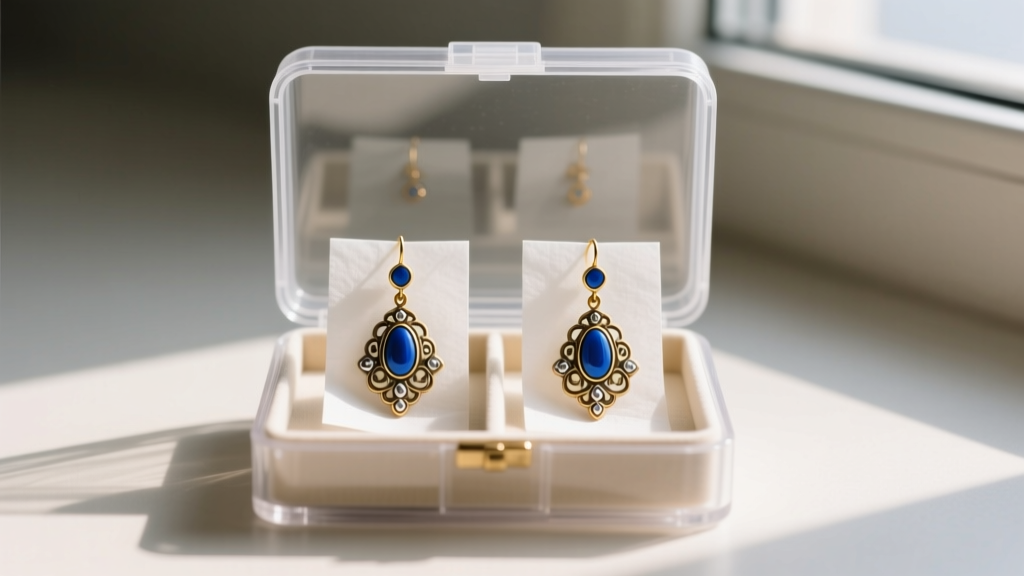
Store your earrings in an archival-quality, PVC-free plastic box. PVC off-gases chemicals that can cause a sticky, irreversible film on vintage resins and enamels. Wrap each pair individually in acid-free, unbuffered tissue paper to prevent the metal findings from scratching the glass stones. Finally, place 3M anti-tarnish strips in each compartment of your jewelry box. These strips absorb sulfur compounds and airborne pollutants, significantly slowing the oxidation of silver-tone alloys and protecting the delicate gold wash from turning black or green. By following these meticulous care protocols, you ensure that the intricate beauty of mid-century Western Germany earrings survives for future generations of collectors to admire.


