Moschino Earrings: Expert Material & Auth Guide 2026
Expert technical analysis of Moschino earrings. Explore base metallurgy, gauge specs, weight biomechanics, and authentication hallmarks.

The Metallurgy of Camp: Base Alloys and Plating Thickness
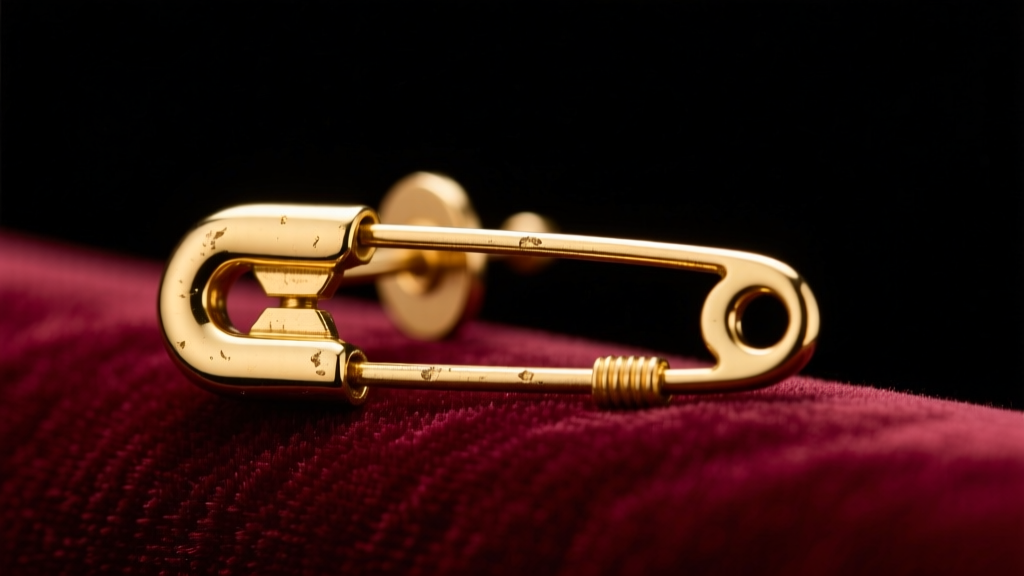
Moschino’s aesthetic relies heavily on bold, oversized, and campy silhouettes, which dictates specific metallurgical choices. Unlike fine jewelry houses that cast in solid 18k gold or platinum, Moschino fashion earrings are primarily constructed from either solid brass or Zamak (a zinc alloy comprising aluminum, magnesium, and copper). Zamak is favored for intricate, three-dimensional novelty pieces—such as the iconic Teddy Bear or oversized Safety Pin motifs—due to its low melting point and excellent flow characteristics in die-casting molds. However, Zamak is inherently more brittle than brass and prone to catastrophic snapping if subjected to shear stress.
The gold-tone finish on authentic Moschino earrings is typically achieved through electrolytic plating. Standard production runs utilize a 14k or 18k gold flash plating ranging from 0.5 to 1.5 microns in thickness. To ensure longevity and prevent the underlying base metal from oxidizing through the porous gold layer, a barrier layer of palladium or nickel is applied first. According to GIA's gem and material encyclopedias, the degradation of this barrier layer is the primary cause of the greenish-black verdigris tarnish seen on vintage fashion jewelry.
EU REACH Compliance and Nickel Barriers
Post-2020 Moschino earrings manufactured for the European market strictly adhere to EU REACH regulations regarding nickel release. Authentic modern pieces will feature a hypoallergenic barrier layer (often rhodium or a specialized polymer) beneath the gold plating, limiting nickel migration to less than 0.5 micrograms per square centimeter per week. Counterfeit manufacturers frequently skip this barrier layer to cut costs, resulting in rapid plating wear and severe contact dermatitis for the wearer.
Hardware & Gauge Specifications: Posts, Hinges, and Clutches
The structural integrity of an earring relies on its hardware. Moschino utilizes specific gauge thicknesses depending on the weight and drop length of the piece. Standard Moschino studs and small hoops feature 20-gauge (0.81mm) posts, which is the industry standard for commercial fashion jewelry. However, for heavy drop earrings and oversized chandeliers, the brand upgrades to an 18-gauge (1.02mm) surgical stainless steel (316L) post to prevent bending under the torque of the earring's weight.
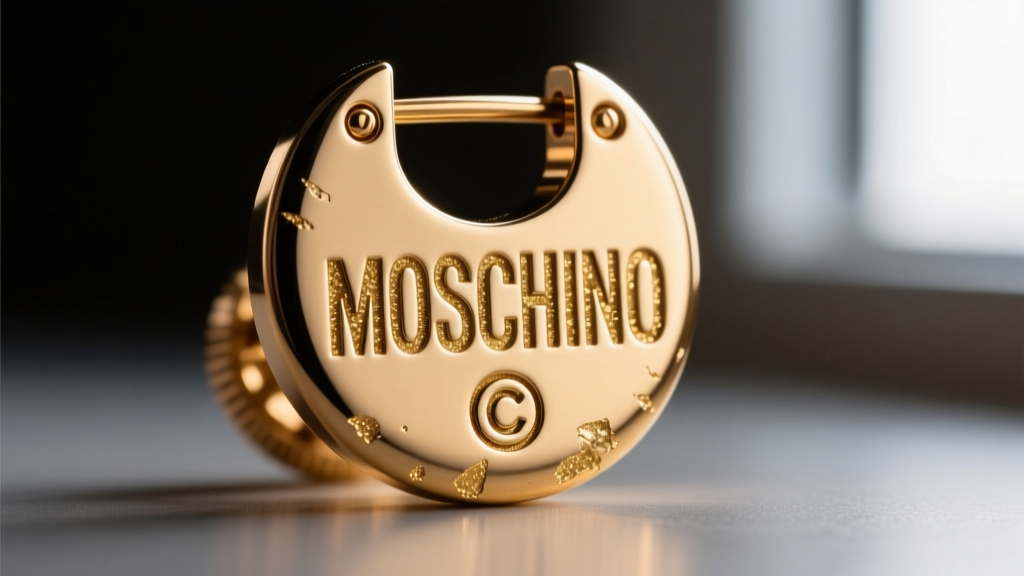
The clutch mechanisms also vary by design. While standard butterfly friction backs are used for lightweight pieces, heavier Moschino drops utilize jumbo clutches with wider surface areas to distribute pressure against the earlobe. For clip-on styles, particularly the vintage-inspired logo discs, Moschino employs padded omega clips with adjustable tension screws. These hinges are machined from steel and plated to match the earring body, featuring a silicone or rubberized grip pad to prevent slipping on unpierced lobes.
Weight Distribution & Lobe Biomechanics
A critical, often overlooked aspect of wearing oversized Moschino earrings is lobe biomechanics. A standard earring weighs between 2 and 4 grams. In contrast, a pair of Moschino oversized safety pin drops or embellished logo shields can weigh between 18 and 28 grams per earring. This extreme weight introduces significant downward shear force on the earlobe fistula.
Prolonged wear of heavy fashion jewelry causes micro-tears in the collagen matrix of the earlobe, leading to irreversible stretching and elongation of the piercing hole. To mitigate this failure mode, experts recommend the following technical interventions:
- Support Patches: Utilize adhesive polyurethane lobe support patches (e.g., Lobe Wonder) on the back of the ear. These patches feature a reinforced slit that distributes the 25g+ load across a 15mm surface area rather than a single 1mm point.
- Post Sleeving: For vintage pieces with worn posts, applying a micro-thin layer of medical-grade silicone tubing over the post increases friction and prevents the heavy earring head from drooping forward.
- Time Limits: Restrict the continuous wear of Moschino novelty drops exceeding 15g to a maximum of 4 hours to allow lobe tissue to recover its elastic recoil.
Authentication Matrix: Hallmarks, Stamps, and Font Kerning
Authenticating Moschino earrings requires a meticulous examination of the brand's hallmarks, as counterfeiters have become highly proficient at replicating the overall silhouette. According to the authentication specialists at The RealReal, the stamping process is the most reliable indicator of provenance. Authentic Moschino jewelry utilizes a high-pressure die stamp, resulting in deep, crisp, and uniform lettering. Fakes often rely on shallow laser etching or low-pressure casting, which leaves rounded edges and inconsistent depth.

| Authentication Feature | Authentic Moschino | Counterfeit / Replica |
|---|---|---|
| Stamp Depth | Deep, sharp die-strike with clean 90-degree interior walls. | Shallow, rounded edges; often looks painted or laser-burned. |
| Font Kerning | Uniform spacing; the 's' and 'c' have precise, consistent gaps. | Uneven kerning; letters often crowd together or touch. |
| Copyright Symbol | Perfectly circular © with a centered, proportional 'c'. | Oval or squashed ©; the inner 'c' is often off-center or too large. |
| Hinge Construction | Steel pin with smooth, flush riveting; no visible glue. | Sloppy soldering; visible adhesive residue around the hinge pin. |
| Base Metal Weight | Heavy, dense feel (solid brass or high-grade Zamak). | Noticeably lighter, hollow-sounding when tapped (thin alloy). |
Rhinestone Setting and Adhesive Failure Modes
Many Moschino earrings feature pavé or channel-set rhinestones. The brand predominantly uses high-refractive-index glass crystals (often precision-cut to mimic diamond brilliance) rather than cheap acrylic or resin stones. In authentic pieces, these stones are secured using either mechanical prong settings or specialized UV-cured jewelry epoxies.
A common failure mode in older or poorly stored Moschino earrings is adhesive degradation. Exposure to high humidity, perfume aerosols, and UV light causes standard cyanoacrylate glues to become brittle and yellow, leading to stone loss. If you are acquiring vintage Moschino crystal earrings, inspect the settings under a 10x jeweler's loupe. Look for cloudy residue around the stone girdles, which indicates failing adhesive. Professional jewelers can easily reseat these stones using two-part epoxy resins that offer superior shear strength and moisture resistance.
Care, Maintenance, and Re-plating Protocols
Preserving the gold-tone finish and structural integrity of Moschino earrings requires a strict maintenance protocol. Never use ultrasonic cleaners on fashion jewelry; the high-frequency cavitation bubbles will aggressively strip the 0.5-micron gold flash plating and shatter the adhesive bonds holding rhinestones in place.
Instead, clean the surface using a mild, phosphate-free dish soap and a microfiber cloth. For intricate crevices in novelty shapes, use a soft-bristled makeup brush to gently dislodge sebum and cosmetic buildup. To protect the plating from environmental oxidation, apply a micro-thin coat of Renaissance Wax (a blend of carnauba and microcrystalline waxes) using a lint-free cloth. This creates a hydrophobic barrier that prevents moisture and sulfur compounds in the air from reacting with the base metal. When the gold plating inevitably wears through to the silver-toned barrier layer, the pieces can be professionally re-plated via a process called electro-deposition, restoring them to their original campy glory without compromising the underlying Zamak or brass architecture.