Essential Cleaning Guide for Guys with Stud Earrings
Discover the ultimate cleaning and maintenance routine for guys with stud earrings. Learn about materials, hygiene, and preventing irritation bumps.

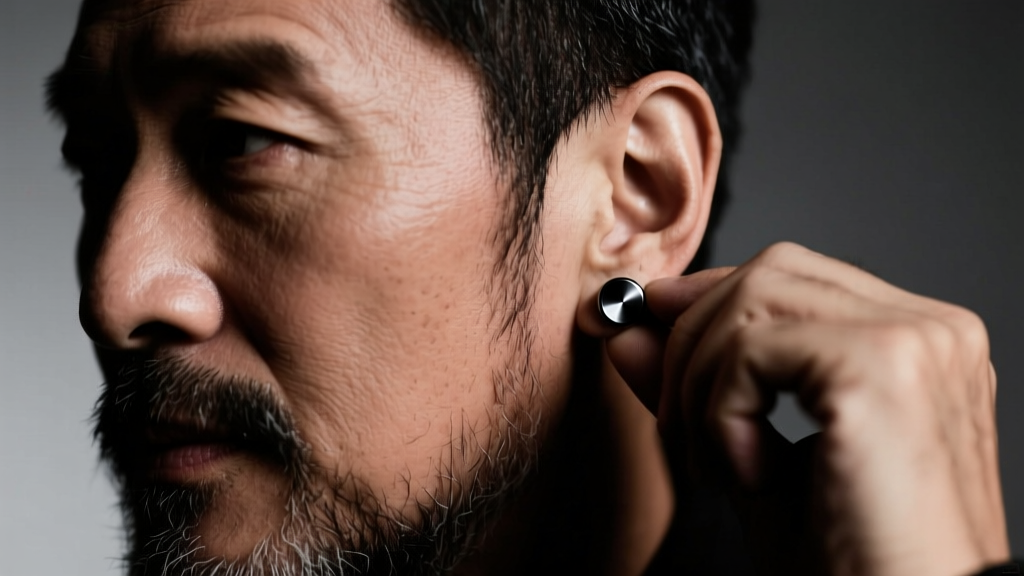
The modern landscape of men's jewelry has evolved significantly, and the sight of guys with stud earrings is now a staple of contemporary style. Whether you are sporting a minimalist diamond stud in the lobe or a rugged black titanium piece in the helix, maintaining the health of your piercing and the pristine condition of your jewelry requires a dedicated routine. Many men treat their ear piercings as permanent, set-it-and-forget-it fixtures, which often leads to localized infections, metal degradation, and the dreaded "piercing cheese" odor.
This comprehensive care guide breaks down the exact maintenance protocols, material science, and troubleshooting techniques you need to keep your ear piercings healthy and your hardware looking sharp.
Why Men's Ear Care Requires a Specific Approach
Male physiology and daily grooming habits introduce unique variables to piercing aftercare and long-term maintenance. Men typically have higher sebum (oil) production rates than women, driven by androgens like testosterone. When excess sebum mixes with dead skin cells inside the piercing fistula (the skin tunnel), it creates an environment ripe for bacterial overgrowth and odor.
Furthermore, men's grooming routines often involve heavy pomades, beard oils, and aerosol hairsprays. These products frequently migrate to the ear, coating the jewelry and trapping debris. Add the friction from over-ear headphones, motorcycle helmets, and gym sweat, and it becomes clear why a proactive cleaning protocol is non-negotiable for guys with stud earrings.
Material Matters: What You Should Actually Be Wearing
The foundation of a low-maintenance piercing is biocompatible jewelry. If you are experiencing constant irritation, the culprit is likely your metal. Below is a breakdown of common materials used in men's studs and how they perform in the body.
| Material Grade | Biocompatibility | Tarnish Risk | Best Use Case |
|---|---|---|---|
| Implant-Grade Titanium (ASTM F136) | Excellent (Nickel-Free) | None | New piercings, sensitive skin, daily wear |
| 316L Surgical Steel | Fair (Contains 8-10% Nickel) | Low | Healed lobes only, budget-friendly |
| 14k or 18k Solid Gold | Excellent (If Alloyed Properly) | None | Healed piercings, luxury statement pieces |
| Sterling Silver (925) | Poor (Contains Copper/Nickel) | High (Oxidizes) | Avoid entirely; causes argyria and allergic reactions |
According to the Association of Professional Piercers (APP), implant-grade titanium is the gold standard for initial piercings and long-term wear. It is completely nickel-free and will not react to the saline environment of the human body.
The Daily and Weekly Cleaning Protocol
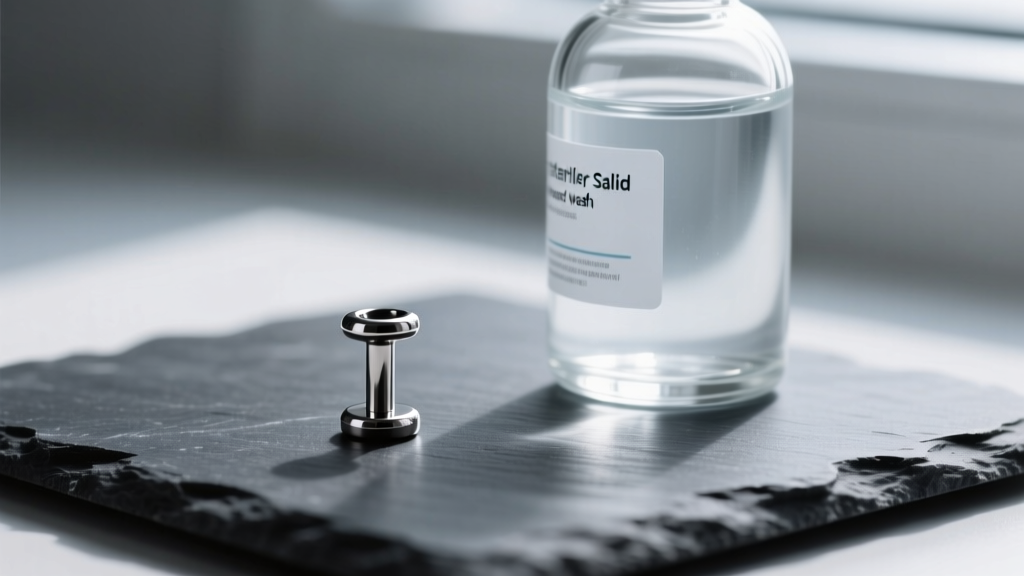
Ditch the rubbing alcohol and hydrogen peroxide. These harsh astringents destroy the delicate cellular matrix of the fistula, leading to dryness, micro-tears, and hypertrophic scarring. Instead, adopt this two-tiered cleaning system.
Daily Maintenance: The Saline Flush
- Product: Sterile wound wash containing only 0.9% sodium chloride and purified water (e.g., NeilMed Piercing Aftercare).
- Method: Spray directly onto the front and back of the stud earring once a day, ideally after showering when the pores are open.
- Drying: Gently pat dry with a non-woven gauze pad. Avoid cotton swabs or paper towels, as they leave microscopic fibers that can wrap around the post and cause irritation bumps.
Weekly Deep Clean: The Soap Wash
Once a week, you need to break down the sebum and grooming product buildup that saline alone cannot dissolve.
- Apply a drop of mild, fragrance-free liquid castile soap to your fingertips.
- Gently lather the front gem and the back of the post, moving the jewelry slightly to allow the soap to enter the fistula.
- Rinse thoroughly under warm running water in the shower.
- Pat dry with clean gauze.
Troubleshooting Common Issues for Men
Even with a solid routine, guys with stud earrings occasionally run into hardware or biological hiccups. Here is how to address the most frequent complaints.
1. The "Piercing Cheese" Odor
That distinct, unpleasant smell is simply a combination of dead skin cells, sebum, and bacteria trapped in the fistula. If you are wearing standard butterfly-back studs, the sharp post and tight backing create a massive debris trap. Solution: Upgrade to internally threaded or threadless flat-back labrets (more on this below) and stick to your weekly castile soap deep clean.
2. Irritation Bumps (Hypertrophic Scarring)
If you notice a small, flesh-colored or red bump adjacent to your stud, it is likely an irritation bump, not a keloid. The Mayo Clinic notes that these are typically caused by localized trauma, moisture trapping, or improper jewelry angles. Solution: Stop touching the jewelry, ensure you are not sleeping on that ear, and apply a sterile warm saline compress for 5 minutes daily to encourage lymphatic drainage.
3. Embedded Butterfly Backs
Men who work out or wear tight beanies often experience swelling that causes sharp butterfly clutches to embed into the earlobe tissue. This is a medical emergency requiring a professional piercer or doctor to remove the hardware. Solution: Never wear tight butterfly backs; always leave a 1mm gap between the backing and the skin to allow for natural swelling and airflow.

Upgrading Your Hardware: Flat-Backs vs. Butterfly Clutches
If there is one upgrade every man with a stud earring should make in 2026, it is switching from traditional butterfly-back earrings to flat-back labret studs. Butterfly backs are notorious for harboring bacteria, poking the skin behind the ear, and catching on hair and clothing.
Flat-back labrets feature a smooth, low-profile disc that sits flush against the inside of the ear. This design offers several massive advantages for men:
- Comfort: You can sleep on your side without the post digging into your neck or mastoid bone.
- Hygiene: The smooth disc wipes clean instantly and doesn't trap dead skin like the crevices of a butterfly clutch.
- Security: Threadless (push-pin) or internally threaded mechanisms ensure the jewelry will not fall out in the shower or at the gym.
"Properly fitted jewelry is the single most important factor in piercing longevity. Flat-back labrets eliminate the pressure necrosis commonly caused by standard earring nuts." — Association of Professional Piercers (APP) Guidelines
Final Thoughts on Long-Term Wear
Being one of the many guys with stud earrings means taking ownership of your body modification. By investing in implant-grade titanium or solid gold, adopting a gentle but consistent saline and soap cleaning routine, and upgrading to flat-back hardware, you ensure your piercings remain a sharp, hygienic element of your personal style for decades to come.


