Bioflex Earrings: The Ultimate Hypoallergenic Material Guide
Discover if bioflex earrings are truly hypoallergenic. Compare PTFE, Bioplast, and titanium for sensitive ears, healing piercings, and MRI safety.

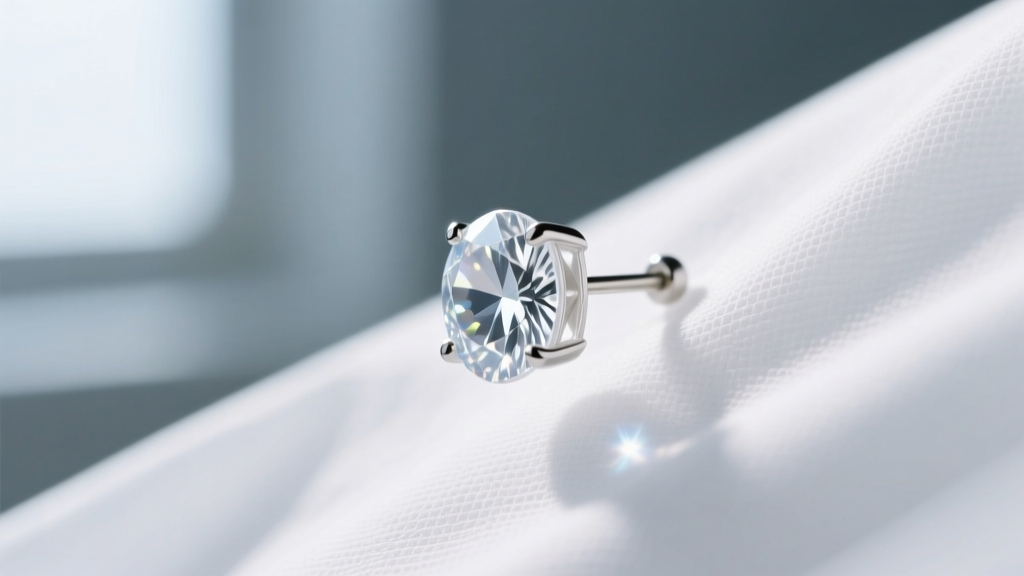
The Chemistry of Bioflex: PTFE vs. Bioplast
When consumers search for hypoallergenic jewelry, the term 'bioflex earrings' frequently dominates the results. However, from a materials science perspective, 'Bioflex' is not a single chemical compound. It is a commercial umbrella term most accurately applied to PTFE (Polytetrafluoroethylene), though it is sometimes incorrectly used to market flexible acrylics or medical-grade polyurethanes like Bioplast. Understanding this distinction is critical for anyone managing contact dermatitis, nickel allergies, or fresh cartilage piercings.
True PTFE is a synthetic fluoropolymer of tetrafluoroethylene. It is renowned for being completely inert, non-reactive, and hydrophobic. Because it contains zero nickel, lead, or cadmium, PTFE is exceptionally safe for highly reactive tissue. Bioplast, on the other hand, is a trademarked brand of medical-grade polymer that can be heat-molded. While both are flexible and metal-free, PTFE remains the gold standard for chemical inertness in flexible body jewelry. According to the Association of Professional Piercers (APP), while PTFE is safe for long-term wear in healed piercings, its flexibility makes it less ideal for initial piercings compared to rigid metals.
Material Showdown: Bioflex vs. Implant-Grade Titanium
To understand where bioflex earrings fit into a curated jewelry wardrobe, we must compare them directly against the undisputed champion of body jewelry: ASTM F-136 Implant-Grade Titanium. Below is a technical breakdown of how these two materials perform across critical metrics.
| Metric | Bioflex (PTFE) | Implant-Grade Titanium (ASTM F-136) |
|---|---|---|
| Nickel Content | 0% (Completely inert) | 0% (Alloyed with Aluminum/Vanadium) |
| Flexibility | High (Bends to tissue contours) | None (Rigid structural support) |
| Surface Porosity | Low initially, degrades over time | Ultra-low (Mirror polish resists bacteria) |
| MRI Safety | 100% Radiolucent & Non-magnetic | Non-magnetic, but causes minor artifacting |
| Autoclave Safe | Yes (Up to 134°C / 273°F) | Yes (Withstands extreme heat) |
| Threading Capability | Poor (Strips easily, relies on O-rings) | Excellent (Precision internal threading) |
While titanium offers superior structural integrity and surface permanence, bioflex wins in scenarios requiring radiolucency or extreme physical flexibility. If you are an athlete prone to snagging your earrings on equipment, a rigid titanium hoop could result in a torn earlobe. A PTFE huggie or retainer will simply bend, preserving your tissue.
The Micro-Trauma Reality: Failure Modes and Tissue Reactions
Despite its hypoallergenic reputation, bioflex is not a miracle cure for all piercing irritation. The primary failure mode of PTFE and Bioplast earrings is micro-fissuring. Over months of continuous wear, the constant friction against the fistula (the piercing channel) creates microscopic scratches on the polymer's surface.
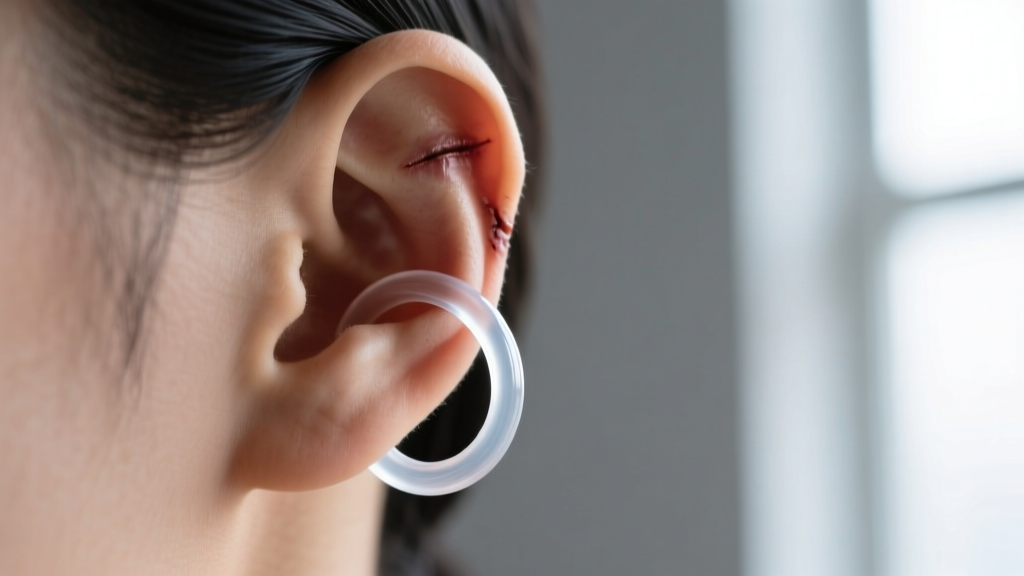
These micro-abrasions act as a haven for sebum, dead skin cells, and bacteria. Unlike titanium, which can be polished to a mirror finish to prevent bacterial adhesion, degraded PTFE becomes porous. This leads to a common complaint among long-term polymer wearers: a persistent, foul odor and localized grayish discharge, even in fully healed lobes. Furthermore, exposure to harsh chemicals like rubbing alcohol, tea tree oil, or hydrogen peroxide will rapidly dry out the polymer, accelerating the cracking process and causing the jewelry to become brittle and snap inside the ear.
Strategic Use Cases: When Bioflex is the Undisputed Champion
Given its unique material properties, bioflex earrings should not be your everyday, never-take-them-out studs. Instead, they are highly specialized tools for specific scenarios.
MRI Scans and Medical Procedures
One of the most valuable applications for PTFE retainers is in medical imaging. The Mayo Clinic MRI Safety Guidelines note that while titanium is generally safe for MRIs, dense metals can cause 'starburst' artifacting that obscures nearby tissue. If you require an MRI of the head, neck, or jaw, swapping your metal jewelry for a bioflex retainer ensures zero magnetic interference and zero image distortion.
Active Lifestyles and Contact Sports
For martial artists, gymnasts, or anyone who wears over-ear headphones for eight hours a day, rigid cartilage studs are a liability. Bioflex ear cuffs and flexible 16G hoops absorb impact and pressure, preventing the dreaded 'cheese-cutter effect' where rigid metal slowly migrates through the tissue under pressure.
Concealed Piercings
Because PTFE is translucent and mimics the refractive index of the skin, bioflex retainers are virtually invisible from a distance. They are the standard choice for professionals working in conservative corporate environments who need to keep their fistulas open without violating dress codes.
Gauge Sizing, Threading, and Pricing Realities
When shopping for bioflex earrings, you will notice a distinct lack of complex threading options. Because PTFE is a soft polymer, tapping internal or external threads into it is structurally unsound; the threads will strip after one or two uses. Therefore, most bioflex jewelry relies on friction-fit mechanisms or metal O-rings.
- 18G (1.0mm): Standard for traditional lobe piercings and delicate nostril screws.
- 16G (1.2mm): The most common gauge for cartilage, helix, and tragus retainers.
- 14G (1.6mm): Used for thicker industrial bars or heavy-duty lobe stretchers.
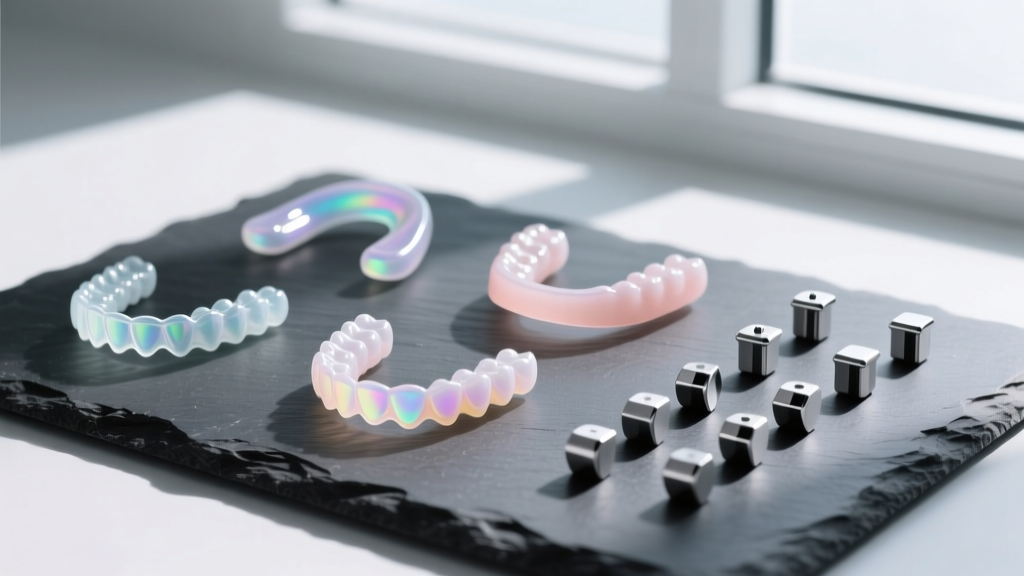
Pricing is highly accessible. While a single implant-grade titanium labret stud from a premium brand like NeoMetal or BVLA will cost between $35 and $80, a high-quality PTFE bioflex retainer typically ranges from $4 to $12. However, because they degrade faster, you should budget to replace your bioflex jewelry every 6 to 12 months to maintain optimal hygiene.
Maintenance: Cleaning Polymers Without Degrading Them
Caring for bioflex requires a gentler approach than caring for metal. Never boil PTFE jewelry, and never soak it in chemical disinfectants. To clean your flexible earrings, follow this protocol:
- Remove the jewelry and rinse it under warm (not hot) distilled water.
- Apply a small amount of fragrance-free, glycerin-based antibacterial soap to your fingertips.
- Gently massage the soap along the shaft of the earring, paying special attention to the O-ring grooves where sebum accumulates.
- Rinse thoroughly and pat dry with a lint-free paper product. Avoid cloth towels, which can snag on microscopic polymer burrs.
Final Verdict: Is Bioflex Right for Your Ears?
Bioflex earrings are an essential component of a comprehensive jewelry collection, but they are a supplement to, not a replacement for, implant-grade titanium. If you are dealing with a brand-new, unhealed piercing, stick to rigid ASTM F-136 titanium to ensure a perfectly straight, undisturbed healing channel. However, if you need a hypoallergenic, non-magnetic, and impact-resistant solution for a healed lobe or cartilage piercing, PTFE bioflex is an unmatched, budget-friendly material that prioritizes tissue safety and physical comfort.


