How to Style, Size, and Clean a Black Stud Earring
Learn how to choose, size, and maintain your perfect black stud earring. Expert guide on materials, gauge sizes, and step-by-step cleaning routines.

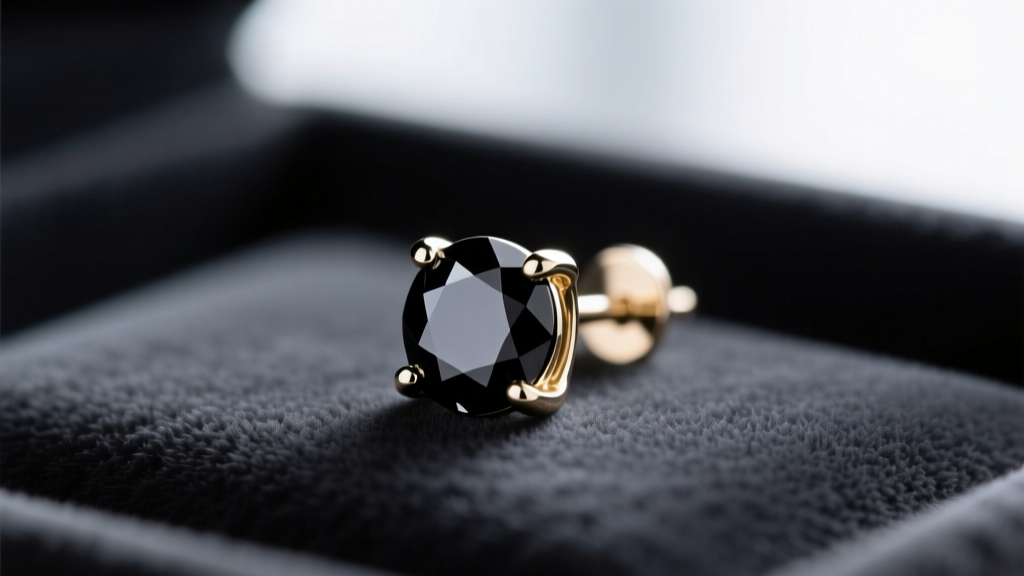
The Enduring Appeal of the Dark Aesthetic
When it comes to versatile, edge-defining jewelry, the black stud earring remains an undisputed staple in modern piercing curation. Unlike traditional clear diamonds or yellow gold hoops, black studs offer a striking contrast that works equally well in a minimalist office environment or a heavily curated, alternative ear project. However, the term "black" in jewelry encompasses a vast array of completely different materials, gemstones, and chemical treatments. What works for a durable black diamond will completely ruin an oxidized silver piece or a black onyx cabochon.
This comprehensive, step-by-step guide will walk you through the exact material science, anatomical sizing requirements, and chemical cleaning protocols necessary to keep your dark jewelry looking pristine. Whether you are outfitting a fresh helix piercing or upgrading your standard lobe studs, understanding the nuances of these materials is the difference between a lifelong staple and a ruined accessory.
Step 1: Selecting the Right Material and Finish
The first step in mastering black jewelry is understanding that "black" is rarely a natural metal color. It is usually achieved through plating, chemical oxidation, or specific gemstone selection. Here is a deep dive into the four most common materials used for dark studs.
Black Rhodium and Ruthenium Plating
True black rhodium does not exist in nature. The dark, gunmetal-to-ink finish seen on high-end white gold or platinum studs is actually an electroplated alloy of rhodium mixed with ruthenium or tin. This plating is exceptionally hard but is still a surface treatment. Over 12 to 24 months of daily wear, the friction from hair and skin oils will inevitably wear the plating down to the bright white metal beneath. If you choose a black rhodium stud, be prepared to send it back to a jeweler for re-plating every few years.
Oxidized Sterling Silver
The term "oxidized silver" is a jewelry industry misnomer. The dark patina is actually silver sulfide, created by intentionally exposing sterling silver to sulfur compounds (commonly liver of sulfur). This creates a beautiful, matte-black finish that highlights intricate textures and milgrain details. However, this patina is fragile. Harsh chemicals, chlorine, and abrasive polishing cloths will strip the black finish away, leaving you with standard shiny silver.
Black Diamonds (Carbonado vs. Irradiated)
According to the Gemological Institute of America (GIA), natural black diamonds (carbonado) are polycrystalline, opaque, and heavily included, making them incredibly tough but difficult to facet cleanly. Most commercial black diamond studs are actually pale, heavily included white diamonds that have been subjected to high-dose neutron irradiation or heat treatment to turn them a uniform, opaque greenish-black. Both varieties rank a 10 on the Mohs hardness scale, making them the most scratch-resistant option for daily wear.
Black Onyx
Black onyx is a dyed variety of chalcedony (quartz). While it offers a deep, glassy, and perfectly uniform black color, it only ranks a 7 on the Mohs scale. It is highly susceptible to scratching from household dust (which contains quartz particles) and can fracture if subjected to ultrasonic vibrations or sudden temperature changes.
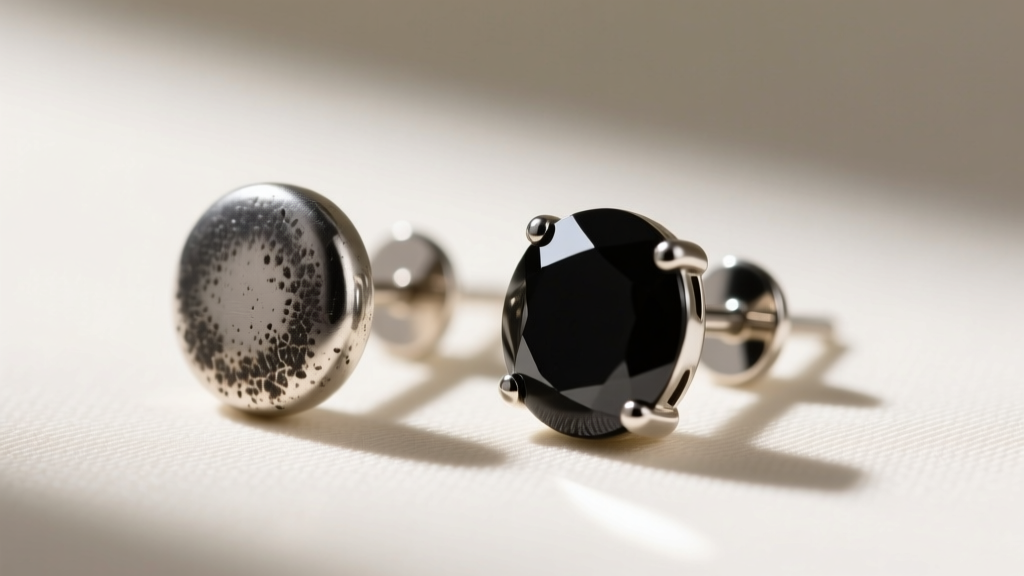
Material Durability and Pricing Matrix
| Material | Mohs Hardness | Maintenance Level | Avg. Price (4mm-6mm Studs) |
|---|---|---|---|
| Black Onyx | 7 | High (Avoid impacts/ultrasonic) | $20 - $60 |
| Oxidized Silver | 2.5 (Metal) | High (Avoid chemicals/polishing) | $35 - $85 |
| Black Rhodium | 5.5 (Plating) | Medium (Requires re-plating) | $80 - $150 |
| Black Diamond | 10 | Low (Highly durable) | $150 - $600+ |
Step 2: Sizing for Lobe vs. Cartilage Piercings
A beautiful black stud earring will look awkward and cause physical discomfort if the gauge and post length are not matched to your specific piercing anatomy. The Association of Professional Piercers (APP) provides strict guidelines on jewelry sizing to prevent migration, rejection, and the dreaded "cheese-cutter effect."
Standard Earlobe Sizing
- Gauge: Most standard lobe piercings done at jewelry stores are 20G (0.81mm) or 18G (1.0mm). Professional piercers typically use 16G (1.2mm) or 14G (1.6mm) for better stability.
- Post Length: For a healed lobe, a 6mm to 8mm post length is standard. If the post is too long, the stud will droop forward; if it is too short, the backing will embed into the tissue.
Cartilage (Helix, Flat, Tragus) Sizing
- Gauge: Cartilage is almost universally pierced at 16G (1.2mm) or 18G (1.0mm). Wearing a heavy black onyx stud on a thin 20G wire in the upper ear can cause the jewelry to slowly slice through the tissue over time due to the weight of the stone.
- Post Length: Cartilage tissue is thinner and denser. You will typically need a shorter post length, usually between 4mm and 5mm, to ensure the backing sits flush against the back of the ear without leaving a gap where hair can snag.
Step 3: Step-by-Step Cleaning and Maintenance
The cleaning protocol for your jewelry depends entirely on the material. While black diamonds and solid gold can handle rigorous cleaning, onyx and oxidized silver require a gentle, chemical-free approach. Never use ultrasonic jewelry cleaners or steamers on black onyx or oxidized silver; the high-frequency vibrations can cause internal fracturing in the quartz, and the heat will strip the silver sulfide patina instantly.
The Universal Safe Cleaning Routine
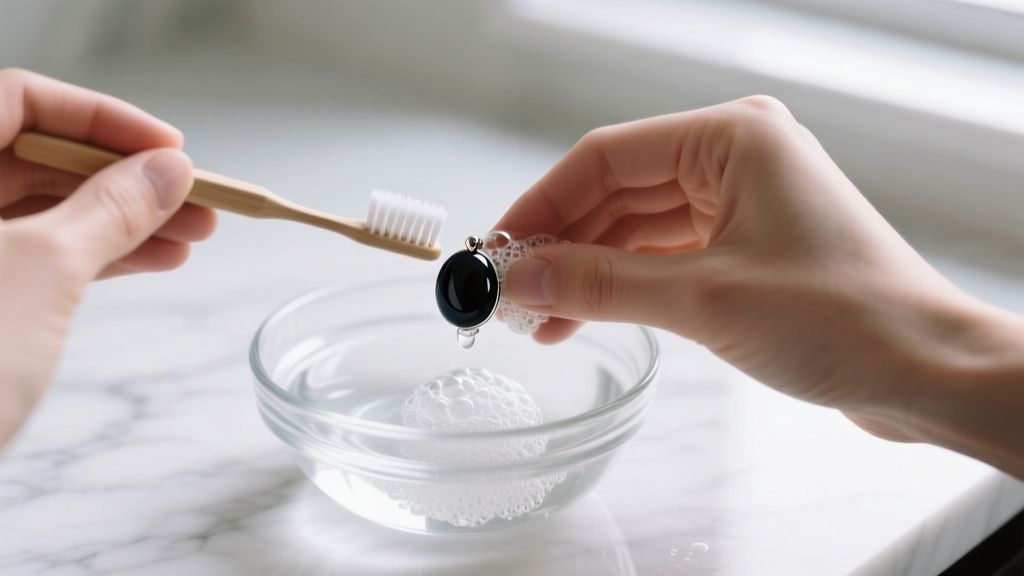
- Prepare the Solution: Fill a small glass bowl with warm distilled water (tap water contains minerals and chlorine that can react with metal alloys). Add two drops of a mild, phosphate-free dish soap, such as original blue Dawn.
- Soak Briefly: Place your studs in the solution. For black diamonds and rhodium, let them soak for 5 to 10 minutes to loosen sebum and dead skin cells. For oxidized silver, limit the soak to 60 seconds to prevent water spotting.
- Agitate Gently: Use a brand-new, extra-soft baby toothbrush to gently sweep the bristles around the base of the gemstone and the post. Do not scrub the surface of an oxidized piece; only clean the post and the backing mechanism.
- Rinse and Dry: Rinse under a gentle stream of distilled water. Pat dry with a lint-free microfiber cloth. Ensure the area behind the gemstone is completely dry before storing to prevent moisture-induced tarnishing on the underlying metal.
Expert Troubleshooting: Fading and Tarnish Prevention
Even with meticulous care, dark jewelry faces unique environmental threats. Here is how to troubleshoot the most common failure modes associated with black jewelry.
Restoring Faded Oxidized Silver
If your oxidized silver stud has rubbed against your hair and turned shiny and gray, you can re-oxidize it at home. Purchase a small jar of "Liver of Sulfur" from a jewelry supply store. Dissolve a pea-sized amount in warm water, dip the cleaned silver stud into the solution for 10 seconds, and rinse. The sulfur will instantly react with the copper in the sterling silver, restoring the deep black patina. Polish only the high points with a soft cloth to leave the recesses dark.
Managing Black Rhodium Wear
Unlike silver, you cannot fix worn black rhodium at home. Once the ruthenium alloy plating wears off the high-contact areas of the stud, the only solution is professional electroplating. Many local bench jewelers offer rhodium plating services, but you must specifically request "black rhodium" or "ruthenium plating," as standard rhodium is bright white. Expect to pay between $35 and $60 per piece for this specialized service.
Preventing Onyx Scratches
Because black onyx is a 7 on the Mohs scale, it will easily be scratched by diamonds, sapphires, or even dust if stored improperly. Never toss your onyx studs into a communal jewelry box. Store them individually in soft, anti-tarnish flannel pouches to ensure the glassy, mirror-like finish remains unmarred for years to come.


