Beginner Guide to Buying James Avery Retired Hoop Earrings in 2026
Discover how to authenticate, price, and style James Avery retired hoop earrings. A beginner's 2026 guide to silver grades, hallmarks, and markets.

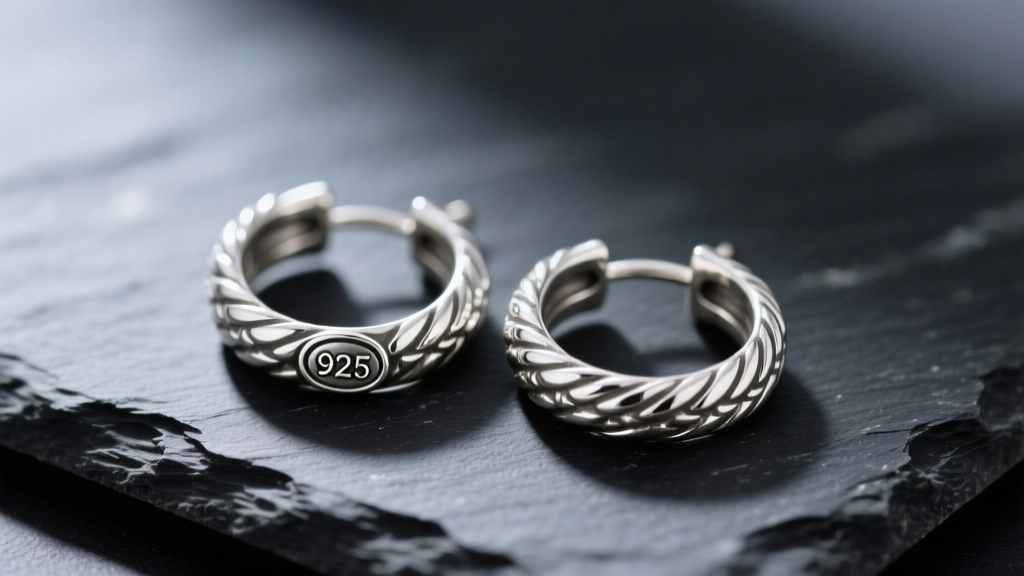
The secondary jewelry market is vast, but few niches command the passionate following of james avery retired hoop earrings. For beginners stepping into the world of collectible Southwestern and artisan-crafted jewelry, navigating the resale landscape can feel overwhelming. Discontinued designs from this iconic Texas-based brand carry a unique blend of historical craftsmanship, heavy metal weight, and nostalgic charm that modern mass-market alternatives simply cannot replicate.
Whether you are hunting for the classic braided sterling silver hoops, the heavy twisted-wire designs, or rare 14-karat gold huggies, understanding the nuances of authentication, gauge sizing, and fair market pricing is essential. This 2026 beginner-friendly explainer will equip you with the exact specifications and expert insights needed to build a curated collection of retired James Avery hoops without falling prey to counterfeits or overpriced listings.
The Allure of Discontinued James Avery Designs
James Avery Craftsman, Inc. has evolved significantly since its founding in the 1950s. Early pieces were characterized by hand-cast, heavyweight designs with deep, dark oxidation (patina) that highlighted intricate textures and Southwestern motifs. Over the last decade, the brand has shifted toward lighter, more polished, and globally scalable manufacturing techniques.
Because of this shift, retired hoop earrings—particularly those from the 1980s and 1990s—are highly sought after by collectors. These vintage hoops often feature substantial metal volume, complex soldering, and a distinct tactile weight that modern jewelry enthusiasts crave. When you search for james avery retired hoop earrings, you are not just buying an accessory; you are acquiring a piece of American artisan history that holds its intrinsic metal value alongside its collectible premium.
Authenticating Hallmarks and Metal Purity
The most critical skill for any beginner is learning to read the brand's hallmarks. Counterfeiters often cast molds from authentic pieces, but the stamps on the interior of the earring wire or backing plate tell the true story. According to guidelines from the Federal Trade Commission, precious metal stamping must be accurate and accompanied by a registered trademark.
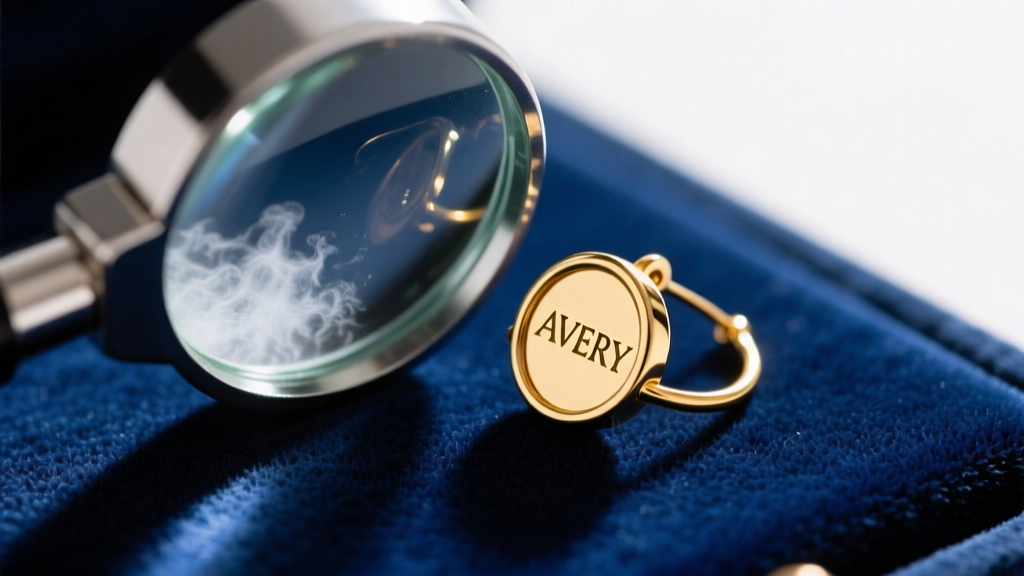
The Evolution of the Avery Stamp
James Avery hallmarks have undergone subtle changes over the decades. When inspecting retired hoops, look for the following indicators:
- The Copyright Symbol (©): Authentic pieces will almost always feature a small © symbol near the brand name.
- The 'AVERY' Block Letters: Modern pieces use a clean, sans-serif font. Older, retired pieces from the 1970s and 80s may feature a slightly more stylized or deeply cast 'JA' logo, or the word 'AVERY' in a distinct, slightly uneven serif font due to early hand-stamping methods.
- Metal Purity Marks: Sterling silver pieces will be stamped '925' or 'STERLING'. Gold pieces will be stamped '14K' or '18K'. Beware of pieces that only say 'Silver' or lack a purity number entirely, as these are likely vintage fakes or unrelated artisan pieces.
"The patina on a true vintage James Avery sterling hoop is baked into the crevices of the casting. If a 'retired' piece is blindingly bright white with no oxidation in the deep grooves, it has likely been aggressively polished by a seller, stripping away decades of character and potentially hiding structural flaws."
Navigating Gauge Sizes and Earlobe Comfort
One of the most common mistakes beginners make when buying secondary-market hoops is ignoring the wire gauge. James Avery is famous for robust, heavy-gauge jewelry. Standard commercial earrings are typically 20-gauge (0.81mm) or 22-gauge (0.64mm). However, many retired James Avery hoops were crafted with thicker wires to support the weight of heavy cast charms or textured metalwork.
| Gauge Size | Thickness (mm) | Common James Avery Hoop Style | Earlobe Compatibility |
|---|---|---|---|
| 20 Gauge | 0.81mm | Lightweight Huggies, Small Charm Hoops | Standard piercings; easy insertion |
| 18 Gauge | 1.02mm | Classic Braided Hoops, Twisted Wire | Fits most standard lobes; may require gentle wiggling |
| 16 Gauge | 1.29mm | Heavy Statement Hoops, Large Oval Hoops | Requires stretched or naturally large piercings; can cause tearing if forced |
Expert Tip: Never force a 16-gauge or thick 18-gauge hoop through a tight, un-stretched piercing. This can cause micro-tears in the earlobe tissue, leading to scarring and the dreaded 'cheese-cutter effect,' where the heavy wire slowly migrates downward through the flesh over time.
2026 Secondary Market Pricing Tiers
Pricing for james avery retired hoop earrings fluctuates based on metal spot prices, rarity, and condition. In 2026, the secondary market has stabilized, but beginners should still be wary of sellers capitalizing on the 'vintage' buzz without providing actual value. Here is a realistic pricing framework based on current market data from platforms like eBay and specialized collector groups.
Sterling Silver Tiers
- Entry-Level ($60 - $120): Small to medium retired sterling hoops (under 1-inch diameter) with minor surface scratches or heavy tarnish. Often missing the original Avery-branded packaging.
- Mid-Range Collector ($150 - $350): Highly sought-after retired designs like the heavy braided hoops, large twisted-wire hoops, or hoops featuring soldered Southwestern motifs (e.g., turquoise inlays, cross charms). Excellent condition with visible, crisp hallmarks.
- Premium / Rare ($400 - $800+): Discontinued limited-edition sterling hoops, or large retired hoops featuring mixed metals (e.g., sterling silver with 14k gold accents or bezel-set precious stones).
Solid Gold Tiers
Retired solid 14k or 18k gold hoops are exceptionally rare, as the brand produced far fewer gold pieces in their early decades. Expect to pay a significant premium over the melt weight of the gold. Small 14k gold retired huggies typically start around $600, while large, heavy 14k gold statement hoops can easily command $1,500 to $3,000+ depending on the intricacy of the casting.
Inspecting for Structural Flaws and Repairs
Because retired hoops have been worn and loved for decades, structural integrity is a major concern. When evaluating photos from a seller or inspecting a piece in person, you must look beyond the aesthetic appeal and focus on the mechanics of the earring.
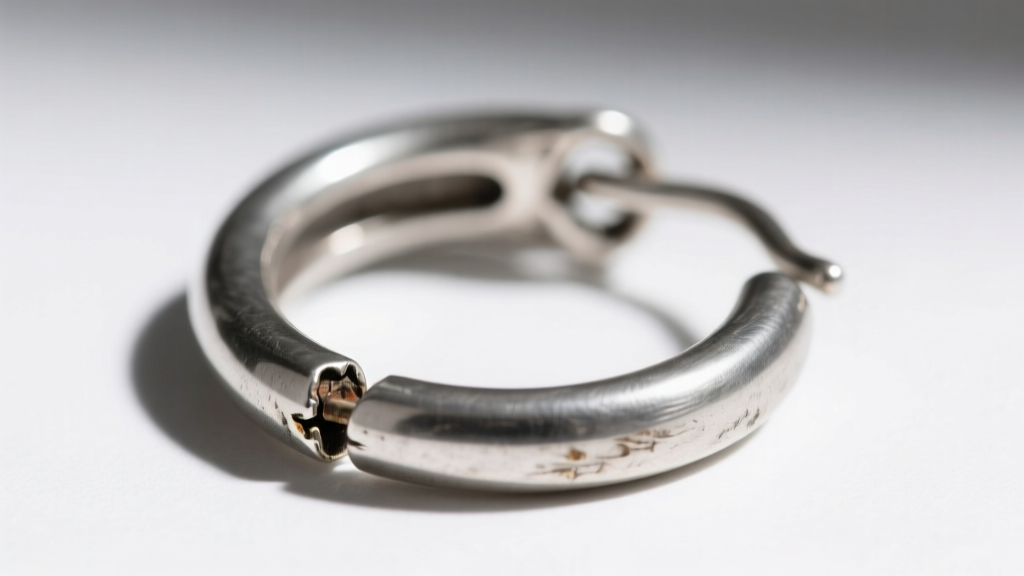
Critical Failure Points to Check
- The Hinge and Solder Joint: Many retired huggie and medium-sized hoops feature a hinged back. Inspect the solder line where the hinge meets the hoop body. If you see uneven, lumpy, or discolored metal, the earring has likely been repaired by a third-party jeweler. Poor soldering can snap under the tension of daily wear.
- Clasp Tension and Wire Deformation: For French-wire or click-top hoops, the tension of the closing mechanism is vital. A bent wire or a loose click-top means the earring will fall out and be lost. Test the clasp; it should snap shut with a definitive, secure click.
- Porosity and Cracking: Early hand-cast silver pieces sometimes suffer from casting porosity—tiny pinholes in the metal. While minor porosity is normal for vintage castings, deep cracks near the post or the clasp joint are red flags that indicate the metal is fatigued and prone to snapping.
Sourcing Safely Online
Where you buy is just as important as what you buy. For beginners, the safest route is to utilize platforms that offer robust buyer protection programs.
James Avery's official website only sells current collections, meaning you must rely on the secondary market. Stick to verified sellers on eBay who accept returns, or utilize trusted community groups on Facebook where veteran collectors moderate listings and call out fakes. Avoid unverified social media marketplace listings where high-resolution photos of hallmarks are unavailable. Always request a macro-photograph of the interior stamp and the clasp mechanism before committing your money to a retired piece.
By understanding the weight, the hallmarks, and the mechanical realities of these beautiful accessories, you can confidently navigate the market. Collecting james avery retired hoop earrings is a rewarding journey that connects you to a legacy of American craftsmanship—one heavy, beautifully oxidized sterling hoop at a time.


