The Complete Buying Guide for Pull Through Earrings
Discover how to choose the perfect pull through earrings. Our buying guide covers chain gauges, hypoallergenic metals, and styling tips for every face shape.

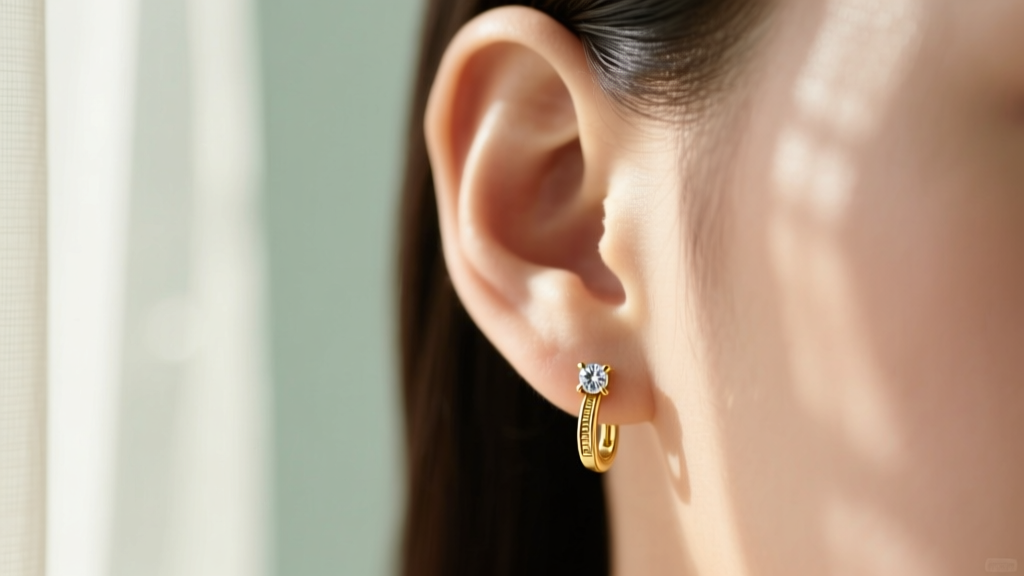
Pull through earrings, frequently referred to as threader earrings or ear threads, represent one of the most elegant and minimalist categories in modern jewelry design. Unlike traditional stud or hook earrings that rely on a fixed backing or a curved wire, pull through designs utilize a delicate chain that threads directly through the ear piercing. The friction of the chain against the earlobe, combined with gravity and a decorative drop, keeps the earring securely in place. However, their unique mechanics require a specific set of considerations when purchasing. This comprehensive buying guide will walk you through the exact metallurgy, gauge sizing, and structural nuances you need to know before investing in a pair.
The Anatomy of a Pull Through Earring
To make an informed purchase, you must first understand the three distinct components of a threader earring:
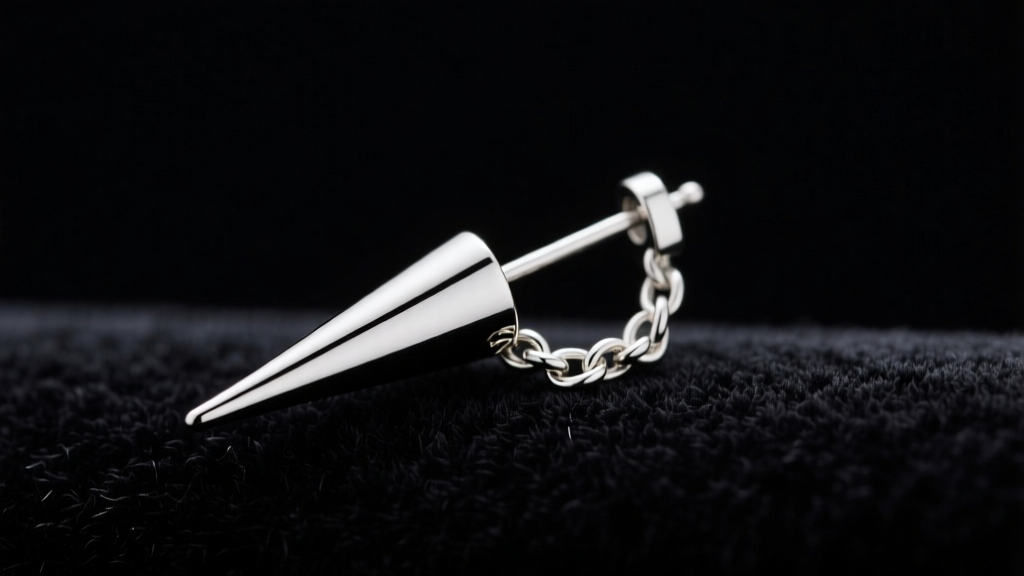
- The Lead-In Pin: This is the solid, tapered wire at the very front of the chain. It acts as a needle to guide the chain through the fistula (the piercing hole). A high-quality lead-in pin should be perfectly smooth, seamlessly welded or cast to the chain, and taper to a rounded point to prevent tissue micro-tears.
- The Chain Body: The flexible middle section that sits inside and drapes outside the ear. The weave of this chain dictates both the aesthetic and the durability of the piece.
- The Decorative Drop: The terminal end of the chain, which often features a gemstone, pearl, or metallic charm. This component provides the counterweight necessary to keep the earring from sliding completely out of the ear.
Critical Sizing: Chain Gauge and Total Length
The most common reason buyers are dissatisfied with threader earrings is a mismatch in gauge thickness or overall length. Because these earrings lack a rigid post, the chain must be thin enough to glide through the ear but thick enough to resist snapping under tension.
| Chain Gauge (mm) | Standard Wire Gauge | Best For | Durability Rating |
|---|---|---|---|
| 0.50mm - 0.60mm | 24g - 22g | Newer, tighter piercings; ultra-minimalist looks | Low (prone to kinking) |
| 0.65mm - 0.75mm | 22g - 20g | Standard healed lobes; everyday wear | Medium (industry standard) |
| 0.80mm - 1.00mm | 20g - 18g | Stretched lobes; heavy statement drops | High (very durable) |
Pro-Tip on Length: Standard pull through earrings range from 3 to 4.5 inches (7.5 cm to 11.5 cm) in total length. If you have multiple lobe piercings and wish to thread the earring through two holes simultaneously, you must opt for a minimum length of 4.5 inches to accommodate the tissue bridge between the piercings.
Metallurgy and Hypoallergenic Requirements
Because a pull through earring slides back and forth through the piercing channel during insertion and removal, the metal is in constant, dynamic friction with the delicate fistula tissue. This makes metal purity and biocompatibility far more critical than with standard stud earrings.
Implant-Grade Titanium (ASTM F136)
For sensitive ears or newly healed piercings, implant-grade titanium is the undisputed gold standard. It contains zero nickel and is highly resistant to corrosion. If you suffer from contact dermatitis, the American Academy of Dermatology strongly recommends avoiding alloys with unknown nickel content, making ASTM F136 titanium the safest choice for the lead-in pin and chain.
Solid Gold vs. Gold Plated
When shopping for gold threaders, you will encounter terms like 'gold vermeil' or 'gold filled.' For pull through designs, these are suboptimal. The friction of pulling the chain through the ear will rapidly wear away microscopic layers of plated gold, exposing the base metal (often brass or copper) underneath. Always invest in solid 14k or 18k gold. According to the Gemological Institute of America (GIA), 14k gold offers the ideal balance of purity and structural hardness, ensuring the delicate chain links do not easily stretch or deform over time.
Expert Warning: Never sleep in pull through earrings. The chains can easily tangle in hair or bedding, leading to severe lobe tearing or permanent kinking of the chain links.
Face Shape and Styling Framework
The adjustable nature of threader earrings makes them incredibly versatile, but the length you choose to leave dangling should complement your facial geometry.
- Round Faces: Opt for longer threaders (4+ inches) with a linear, vertical drop. Pull the chain so the decorative element falls below the jawline. This creates an optical illusion that elongates the face and sharpens the jaw.
- Square Faces: Choose threaders with curved, circular, or teardrop terminal drops. Leave a medium length (about 2 inches dangling) to soften angular jawlines and add movement.
- Heart-Shaped Faces: Select threaders with a heavier, wider decorative drop at the bottom (like a pearl or a cluster of stones). This adds visual weight to the lower half of the face, balancing a narrower chin.
- Oval Faces: You have the most flexibility. Experiment with asymmetric styling—thread one earring short so the drop rests just below the lobe, and let the other dangle long for an avant-garde, editorial look.
Troubleshooting: Why You Keep Losing Them (And Fixes)
The primary complaint regarding pull through earrings is the fear of losing them, as they lack a traditional butterfly back or locking mechanism. Here is how to solve the most common failure modes:
1. The 'Slip-Out' Issue
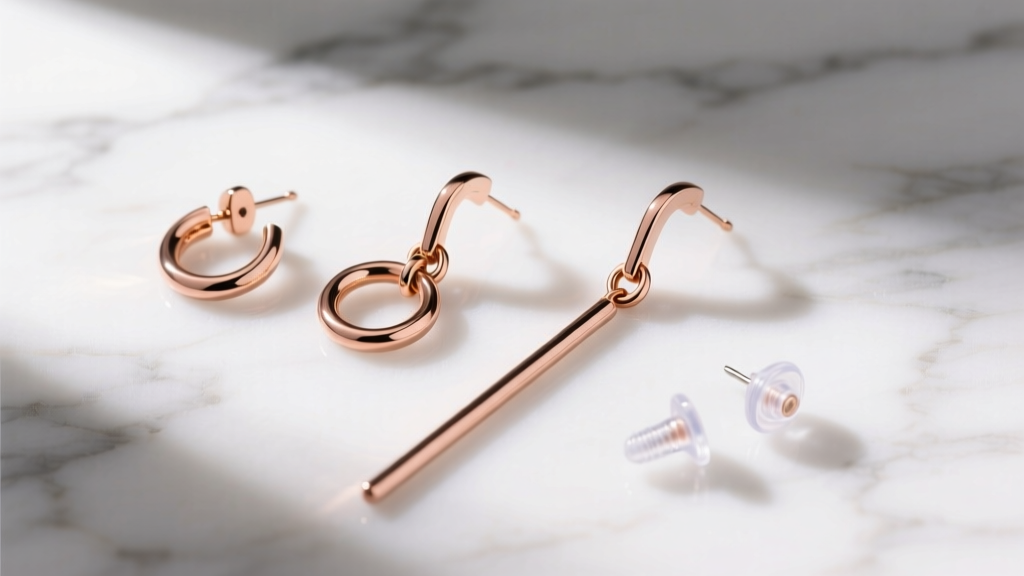
If your ear piercings are slightly stretched from years of wearing heavy jewelry, the friction of a 0.65mm chain may not be enough to hold the earring in place. The Fix: Purchase clear silicone threader stoppers (often sold as tiny O-rings). Once you have adjusted the earring to your desired length, slide a silicone stopper up the chain from the back until it rests flush against the rear of your earlobe. This provides a secure, invisible lock.
2. The Bent Lead-In Pin
If you force a threader earring and the lead-in pin bends, do not attempt to bend it back into place. Repeatedly bending the metal will cause work-hardening, leading to a microscopic fracture and eventual snapping. The Fix: If the pin is bent, use a pair of nylon-jaw jewelry pliers to gently roll it straight, or take it to a professional jeweler for a quick re-tapering.
3. Chain Tangling and Knotting
Fine chains (especially box chains and snake chains) are notorious for catching on sweater threads and forming microscopic knots. The Fix: Always store threader earrings laid completely flat in a lined jewelry box, or hang them from a dedicated earring tree. Never toss them loosely into a jewelry pouch.
Investment Tiers: What Should You Pay?
Understanding the market pricing for pull through earrings will help you identify quality craftsmanship and avoid overpaying for mass-produced fashion jewelry.
- Budget Tier ($25 - $60): Expect sterling silver (925) or gold-plated brass. The chains may be slightly stiffer, and the lead-in pins might not be perfectly seamless. Suitable for occasional wear, but monitor for plating wear and silver tarnish.
- Mid-Tier ($75 - $200): The sweet spot for quality. You will find solid 14k gold, high-grade titanium, and semi-precious stone drops (like moonstone or freshwater pearls). Chains in this tier are usually laser-welded for superior strength.
- Fine Jewelry Tier ($250 - $800+): Features 18k solid gold or platinum chains, hand-set diamond or sapphire terminal drops, and bespoke chain weaves (like wheat or rope chains). These are heirloom-quality pieces designed for daily, lifelong wear.
Pull through earrings offer an unmatched blend of minimalist elegance and kinetic movement. By paying strict attention to the chain gauge, insisting on biocompatible solid metals, and utilizing silicone stoppers for security, you can confidently build a collection of threaders that will remain a staple in your jewelry wardrobe for years to come.


