Vintage Lewis Segal Earrings: 2026 Value & Buying Guide
Discover the true market value of vintage Lewis Segal earrings in 2026. Learn how to authenticate, assess gold weight, and price these sculptural gems.

The Allure of Lewis Segal's Sculptural Ear Art
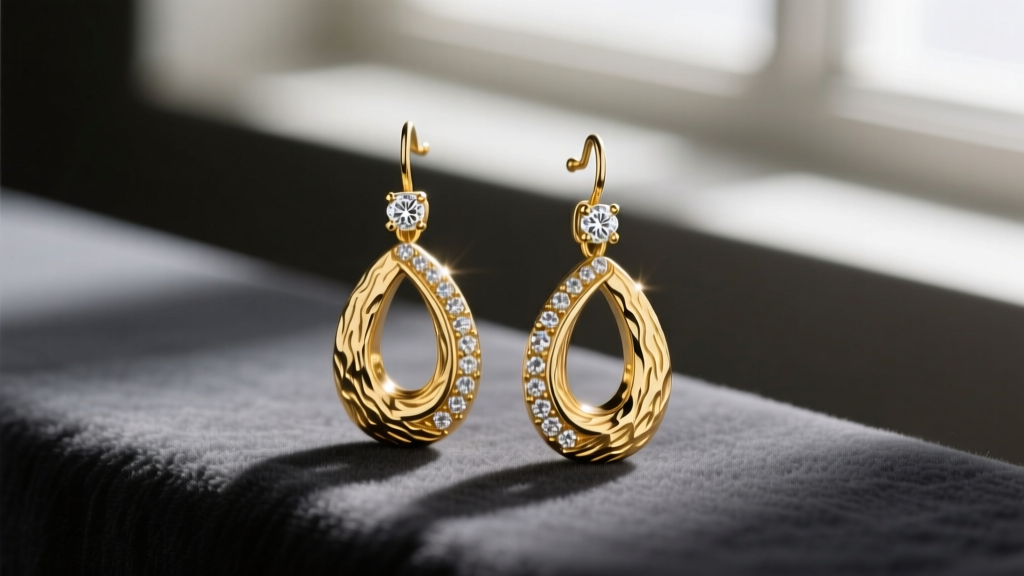
In the landscape of late-20th-century studio jewelry, vintage Lewis Segal earrings occupy a highly specific and increasingly lucrative niche. Known for his organic, heavily textured gold work—often drawing inspiration from natural elements like tree bark, water ripples, and geological formations—Segal’s pieces from the 1970s and 1980s represent the pinnacle of wearable sculpture. For collectors and vintage enthusiasts in 2026, these earrings are not merely accessories; they are tangible assets. However, navigating the secondary market requires a rigorous understanding of gold purity, structural integrity, and the specific hallmarks that separate genuine Segal creations from period-appropriate imitations.
2026 Market Valuation: What Are They Actually Worth?
With global gold prices hovering at historic highs in 2026, the "melt value" of heavy 18k gold jewelry provides a substantial price floor. Yet, Lewis Segal’s collector premium routinely pushes valuations 60% to 150% above scrap. The exact valuation depends heavily on the era, the complexity of the metalworking (such as reticulation or hand-hammering), and the presence of original gemstones.
| Category & Material | Typical Weight (Pair) | 2026 Estimated Market Value | Value Drivers |
|---|---|---|---|
| 14k Gold Small Studs / Hoops | 4g - 8g | $450 - $900 | Scrap value + 10-20% maker premium |
| 18k Textured Gold Dangles (No Stones) | 12g - 18g | $1,400 - $2,800 | Sculptural complexity, bark/ripple textures |
| 18k Gold with Pavé Diamonds / Cabochons | 15g - 24g | $3,200 - $6,500 | Diamond clarity, cabochon turquoise/lapis quality |
| Archive / Museum Pieces (Platinum/Rare Gems) | 20g+ | $8,000 - $15,000+ | Provenance, exhibition history, unique alloys |
Key Value Drivers: Hallmarks and Gold Purity
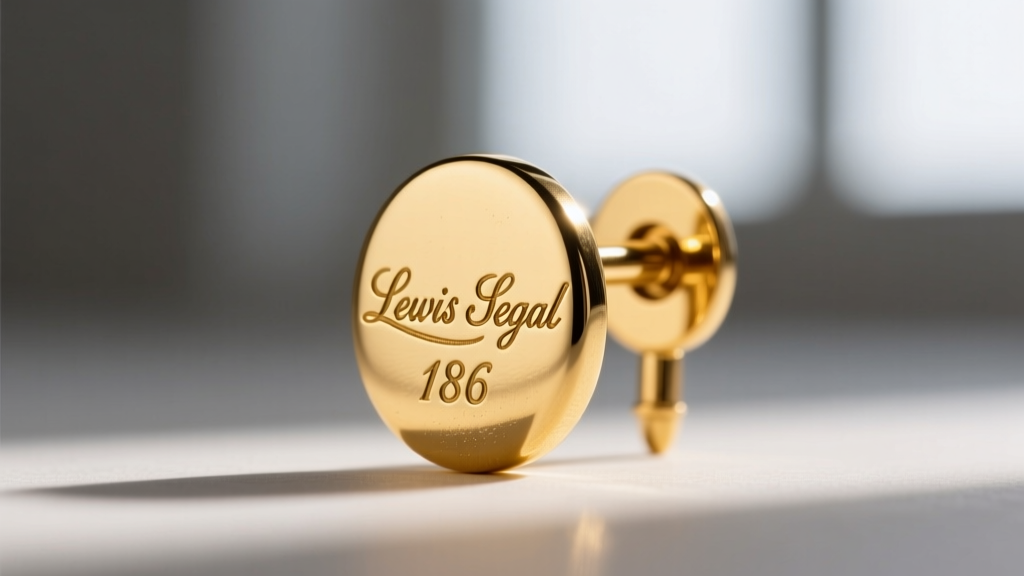
Authentication is the most critical step in assessing vintage Lewis Segal earrings. Genuine pieces are almost exclusively crafted in 18k gold (stamped 750) or, less commonly, 14k (stamped 585). According to the Gemological Institute of America (GIA), verifying these hallmarks under magnification is essential, as counterfeit stamps are prevalent in the vintage market. Look for the maker’s mark—often a stylized "LS" or the full "LEWIS SEGAL" stamp—located on the earring post, the omega clip, or the flat backing of a stud. A genuine stamp will show crisp, deep edges, whereas fake stamps often appear shallow or blurred due to poor casting techniques.
Authentication & Condition Assessment Framework
Beyond verifying the maker's mark, a thorough condition assessment dictates the final budget allocation. Vintage earrings endure decades of mechanical stress, and specific failure modes are common in 1970s and 1980s designs. Use this checklist when inspecting potential purchases:
- Post Gauge and Thinning: Vintage Segal posts were often originally crafted in 18-gauge or even 16-gauge wire for structural support. Decades of aggressive polishing by jewelers can reduce an 18g post to a fragile 20g or 22g, increasing the risk of bending or snapping. Always measure the post thickness with digital calipers.
- Omega Clip Spring Fatigue: Many of Segal’s larger drop earrings utilize omega clips for secure fastening. Test the tension of the hinge. If the clip fails to snap shut with a firm, audible click, the internal spring mechanism is fatigued and will require a $50-$120 repair by a specialist.
- Pavé Prong Degradation: For pieces featuring pavé diamonds or accent stones, inspect the prongs under a 10x jeweler's loupe. Segal often used delicate, bead-set prongs that can wear flat over time. Missing stones or "snagging" on fabric indicates an urgent need for re-tipping, which costs roughly $25-$40 per stone.
- Friction Post Grooving: Check the post for deep grooves worn by decades of friction clutches. Deep grooves create structural weak points and can harbor bacteria.
Sourcing and Investment Strategy
Where you buy vintage Lewis Segal earrings significantly impacts the price you pay. High-end auction houses and curated vintage dealers on platforms like 1stDibs command the highest premiums, often pricing pieces 30% to 50% above actual market value to account for their curation and authentication guarantees. Conversely, estate sales, regional auction houses, and pawn shops offer the highest potential for arbitrage, though they require you to possess the authentication skills outlined above.
Market trends reported by the Sotheby's Jewellery Department indicate a sustained surge in demand for "organic modernist" and textured gold pieces from the 1970s and 1980s. Buyers are actively moving away from highly polished, mass-produced contemporary gold and toward the tactile, imperfect surfaces characteristic of Segal’s studio work. This shift suggests that well-preserved, heavily textured Segal dangles and ear cuffs will continue to appreciate, outperforming standard diamond stud investments in the near term.
Final Verdict: Are They a Solid Investment?
From a pure budget and value assessment perspective, vintage Lewis Segal earrings offer a compelling proposition in 2026. The high baseline value of 18k gold provides a safety net, ensuring that even if the vintage jewelry market cools, the intrinsic metal value protects your capital. However, the true ROI lies in acquiring pieces with pristine hallmarks, original textures, and complex mechanical findings (like integrated omega clips or custom locking backs). By prioritizing structural integrity over superficial polish and relying on XRF testing for gold purity verification, collectors can confidently navigate the market and secure museum-quality ear art that doubles as a robust tangible asset.