How to Safely Clean and Maintain Blue Lapis Earrings
Discover expert tips to safely clean, store, and maintain your blue lapis earrings. Learn what chemicals to avoid and how to protect this porous gem.

Understanding the Gemology of Lapis Lazuli
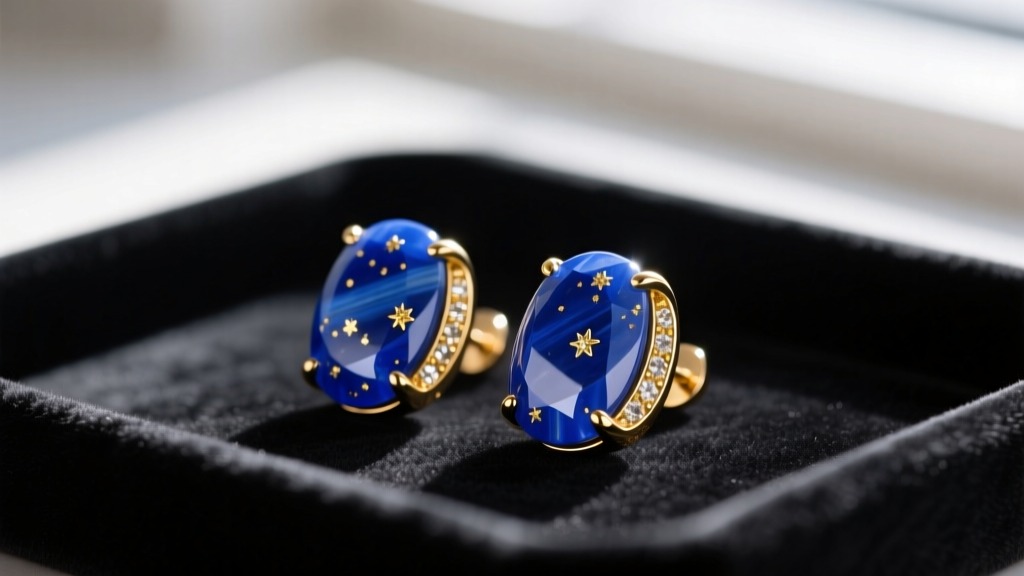
Before you reach for a jewelry cleaner, it is critical to understand the mineral composition of your blue lapis earrings. Lapis lazuli is not a single mineral; it is a metamorphic rock composed primarily of lazurite (which provides the deep royal blue color), calcite (white flecks), and pyrite (metallic gold flecks). This unique composition dictates its care requirements.
On the Mohs scale of hardness, lapis lazuli ranks between 5 and 6. This makes it relatively soft compared to diamonds (10) or sapphires (9), meaning it is highly susceptible to scratching. More importantly, the calcite inclusions within the stone are extremely porous and highly reactive to acids. The Gemological Institute of America (GIA) specifically warns that exposure to even mild acidic substances can dissolve the calcite matrix, permanently pitting the surface of the stone and destroying its polish.
The Wax and Oil Factor
Nearly all commercial-grade lapis lazuli undergoes a post-polishing treatment where it is coated with colorless wax or oil. This enhances the stone's luster and seals the porous surface. Heat, harsh solvents, and ultrasonic vibrations will strip this protective layer, leaving your blue lapis earrings looking dull, chalky, and pale.
Identifying Dyed vs. Natural Lapis
A crucial first step in maintenance is verifying whether your earrings feature natural lapis or a dyed simulant. Lower-grade pale lapis, howlite, or jasper are frequently dyed with Prussian blue to mimic high-quality Afghan lapis. If your blue lapis earrings are dyed, exposing them to alcohol, acetone, or even prolonged soaking in water can cause the dye to bleed. This not only ruins the stone but can stain your earlobes and tarnish the surrounding metal hardware. To test, gently dab an inconspicuous area with a cotton swab moistened with a tiny drop of acetone; if the swab turns blue, the stone is dyed and must only be cleaned with a dry, soft cloth.
The Lapis Lazuli Danger Zone: What to Avoid
Many jewelry owners ruin their pieces by applying generic cleaning methods to porous gems. Below is a definitive guide to what you must never expose your lapis earrings to.
| Cleaning Method / Agent | Effect on Lapis Lazuli | Verdict |
|---|---|---|
| Ultrasonic Cleaners | High-frequency vibrations can shatter the stone along natural cleavage planes or dislodge pyrite inclusions. | NEVER USE |
| Steam Cleaning | Extreme heat melts the protective wax coating and can cause thermal shock, leading to internal fracturing. | NEVER USE |
| Ammonia & Bleach | Harsh alkalines and chlorides will chemically burn the surface and permanently dull the polish. | NEVER USE |
| Commercial Silver Dip | Contains thiourea and strong acids that will instantly etch the calcite inclusions. | NEVER USE |
| Mild Dish Soap & Lukewarm Water | Safely lifts sebum and dust without stripping wax or reacting with minerals. | SAFE TO USE |
The Step-by-Step Cleaning Routine
When your blue lapis earrings accumulate daily oils, hairspray, or dust, follow this meticulous, gemologist-approved cleaning protocol to restore their brilliance safely.
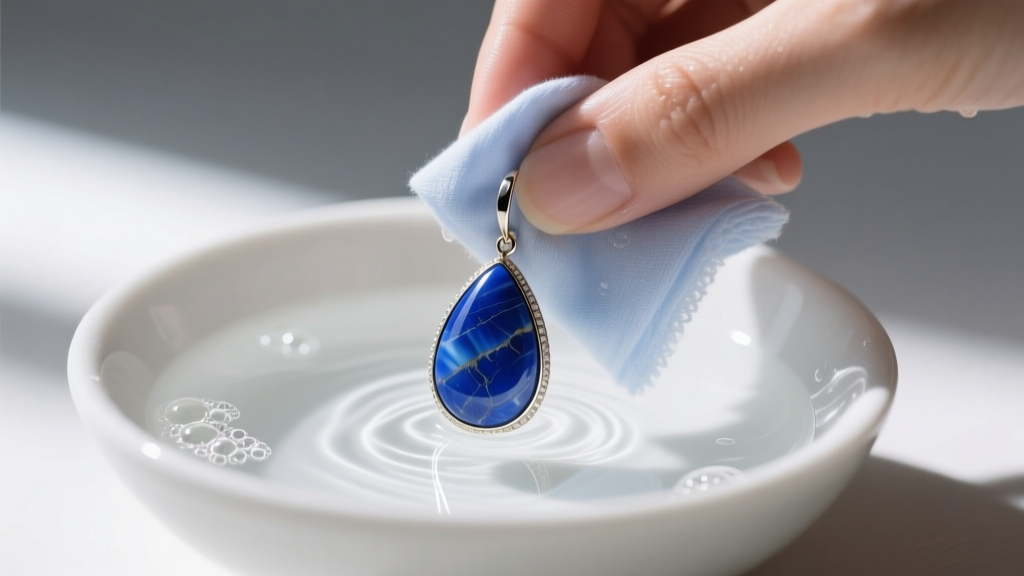
- Prepare the Solution: Mix one drop of mild, phosphate-free, and lotion-free dish soap (such as original Dawn) into a cup of lukewarm distilled water. Avoid tap water, as hard water minerals can leave microscopic deposits on the porous stone.
- Dampen, Do Not Soak: Dip a clean, lint-free microfiber cloth or a very soft baby toothbrush into the solution and wring it out until it is merely damp. Never submerge lapis lazuli in water, as the stone can absorb the liquid, which may lead to internal degradation or loosen the adhesive in bezel settings.
- Gentle Agitation: Lightly wipe the surface of the lapis stone. If dealing with intricate carvings or raw lapis edges, use the damp baby toothbrush to gently dislodge debris from the crevices. Do not scrub aggressively.
- Rinse the Cloth: Wring out a fresh cloth dampened only with plain distilled water and wipe the stone to remove any residual soap film.
- Immediate Drying: Pat the earrings completely dry with a soft cotton towel immediately. Allowing them to air dry can result in water spots that are difficult to remove without re-polishing.
Maintaining the Metal Hardware and Posts
While the lapis requires gentle care, the metal hardware—whether 18k gold, 14k gold, or sterling silver—needs its own maintenance to prevent earlobe irritation and tarnish. Earring posts accumulate dead skin cells, sebum, and cosmetic residue, which can harbor bacteria and cause contact dermatitis.
Cleaning the Posts Safely
To sanitize the earring posts without damaging the lapis, dip a cotton swab in 70% isopropyl alcohol. Carefully swab the metal post and the friction back or screw back, ensuring the alcohol does not touch the lapis stone. Alcohol will strip the wax from the lapis and cause dyed stones to bleed. For sterling silver settings that have tarnished, use a treated silver polishing cloth exclusively on the metal borders. Keep the cloth away from the gemstone, as the mild abrasives in the polishing cloth will scratch the lapis's 5-6 Mohs surface.
Proper Storage to Prevent Scratching and Fading
How you store your blue lapis earrings when they are not on your ears is just as important as how you clean them. The International Colored Gemstone Association (ICA) notes that prolonged exposure to direct sunlight and heat can degrade the wax treatments and cause the vibrant blue lazurite to fade over time.
Storage Best Practices
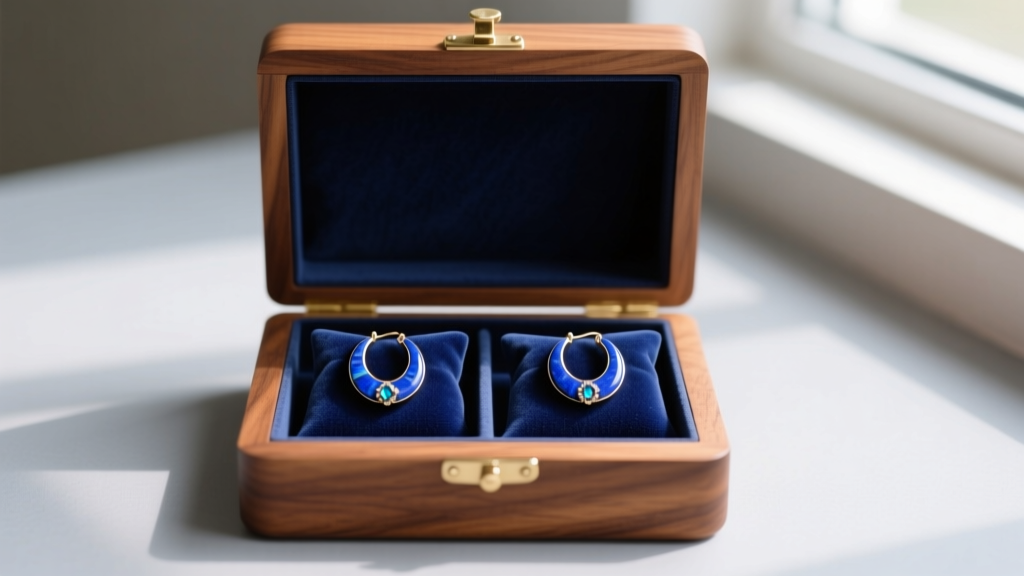
- Isolate from Harder Gems: Because lapis is relatively soft, storing it in a communal jewelry box alongside diamonds, sapphires, or even quartz (which is Mohs 7 and present in household dust) will result in severe surface scratching. Always store lapis earrings in a dedicated soft velvet pouch or a fabric-lined compartment.
- Avoid Humidity Extremes: High humidity can degrade certain metal settings and promote tarnish on sterling silver, while extremely dry environments can cause the stone's internal wax to dry out and crack. Store in a climate-controlled room, not a bathroom.
- Put Them On Last: Always put your blue lapis earrings on after applying makeup, perfume, hairspray, and lotions. Aerosols and cosmetic chemicals can create a stubborn, cloudy film on the porous surface that is difficult to remove without professional re-polishing.
When to Seek Professional Jeweler Help
Home cleaning is excellent for surface maintenance, but it cannot fix structural or deep cosmetic issues. You should take your blue lapis earrings to a professional lapidary or jeweler if you notice the following:
- Dullness and Chalkiness: If the stone has lost its luster and looks pale, the protective wax layer has likely been stripped. A jeweler can safely re-wax and re-polish the stone using specialized gemstone compounds.
- Loose Stones in Prong or Bezel Settings: Because lapis is often cut into cabochons, it relies on the tension of a bezel or the grip of prongs. If the earring is dropped, the stone may chip or the setting may bend. A jeweler can tighten the metal without applying damaging pressure to the stone.
- Deep Scratches: Surface scratches cannot be buffed out at home. A professional must carefully sand and re-polish the lapis using progressively finer diamond grits, followed by a fresh wax sealing.
Conclusion
Caring for blue lapis earrings requires a departure from standard jewelry cleaning habits. By respecting the stone's porosity, avoiding ultrasonic and chemical hazards, and adhering to a gentle, damp-cloth cleaning routine, you can preserve the celestial blue and gold beauty of your earrings for decades. Treat your lapis with the specialized care it demands, and it will remain a vibrant, statement-making staple in your jewelry collection.


