How to Choose Blue Statement Earrings: 2026 Buyer's Guide
Discover how to choose blue statement earrings in 2026. Learn about gemstone authenticity, weight distribution, and the best closures for heavy dangles.

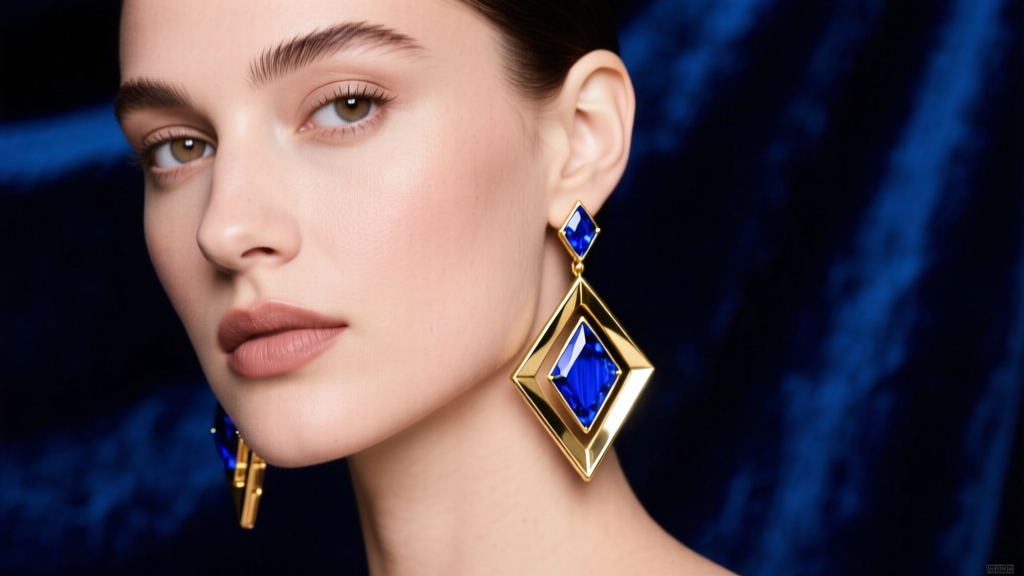
The Anatomy of Blue Statement Earrings in 2026
Blue statement earrings are more than just a pop of color; they are an exercise in structural engineering, material science, and visual psychology. As we navigate the jewelry landscape of 2026, the trend has shifted away from flimsy, mass-produced novelty pieces toward architectural, heavyweight designs featuring raw gemstones, sculptural cold enamel, and sustainable lab-grown sapphires. However, buying a bold pair of blue drops or chandeliers comes with a unique set of challenges. The primary adversary of any statement earring is gravity. When a single earring exceeds 15 grams, standard jewelry mechanics begin to fail, leading to the dreaded 'cheese-cutter effect' where thin wires slowly slice through the earlobe tissue.
This comprehensive buyer's guide will walk you through the exact specifications you need to scrutinize before purchasing blue statement earrings. From decoding gemstone treatments to selecting the correct closure mechanisms for heavy dangles, these actionable insights will ensure your investment is as comfortable as it is striking.
Decoding Blue Gemstones: Authenticity, Weight, and Hardness
The foundation of any blue statement piece is its primary material. In 2026, jewelers are heavily favoring stones with organic inclusions and striking color zoning over perfectly uniform, heavily treated beads. According to the GIA Gem Encyclopedia, understanding the Mohs hardness and porosity of your chosen blue stone is critical for long-term wearability, especially for large surface-area statement pieces that are prone to impact.
| Material | Mohs Hardness | Avg. Weight (per 20mm stone) | Price Tier | 2026 Trend Status |
|---|---|---|---|---|
| Lapis Lazuli | 5.5 - 6.0 | 8 - 12g | Mid | Classic, raw geometric cuts |
| Blue Kyanite | 4.5 - 7.0 (directional) | 6 - 9g | Mid-High | Architectural slices, striated |
| Lab Sapphire | 9.0 | 10 - 15g | High | Faceted halos, deep Ceylon blue |
| Cold Enamel | N/A (Resin-based) | 4 - 7g | Mid | Sculptural, oversized hoops |
| Dyed Howlite | 3.5 | 7 - 10g | Low | Avoid (imitation turquoise/lapis) |
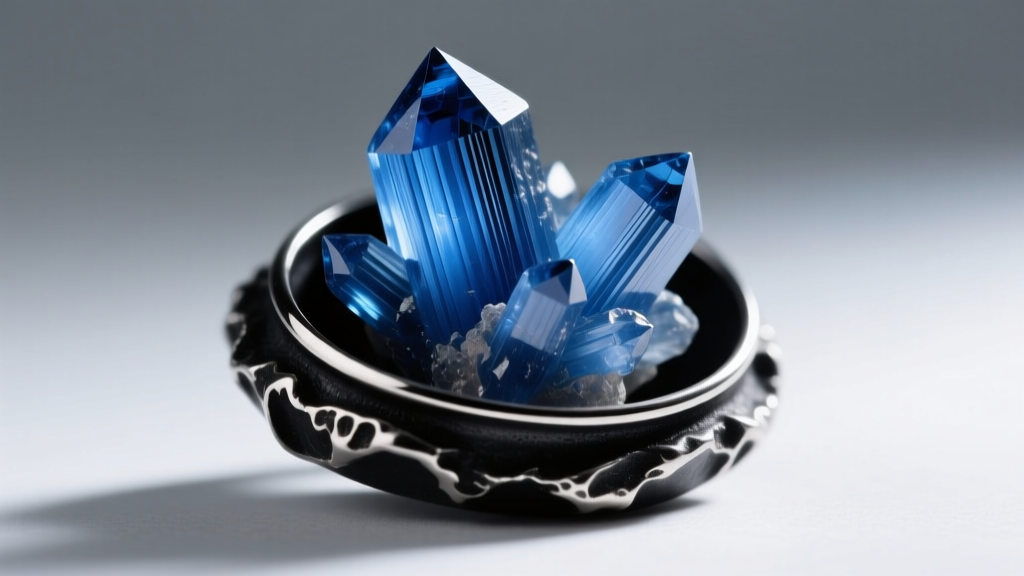
The Acetone Test for Lapis Lazuli
Lapis lazuli is a staple for blue statement earrings, but the market is flooded with dyed, low-grade material. High-quality lapis derives its royal blue hue from lazurite, often flecked with metallic pyrite. Cheaper variants are heavily calcite (white) and are dyed blue to mimic top-tier material. When buying vintage or artisan lapis dangles, perform a spot test: dab a cotton swab in nail polish remover (acetone) and rub an inconspicuous area of the stone. If the swab turns blue, the stone is dyed and will likely fade or bleed onto your skin when exposed to sweat and perfumes.
The Engineering of Comfort: Closures and Weight Distribution
The most beautiful pair of blue sapphire chandelier earrings is useless if it causes lobe fatigue after twenty minutes. Standard earlobes can comfortably support 7 to 10 grams per piercing. Statement earrings frequently weigh between 15 and 25 grams. To manage this load, you must look beyond the aesthetic and examine the hardware.
- Omega Backs and Clip-Ons: For earrings exceeding 20 grams, omega closures are the gold standard. Unlike a standard post that relies entirely on the piercing hole, an omega back features a hinged, curved paddle that clamps against the rear ridge of the ear cartilage, distributing the weight across a wider surface area.
- Leverback Wires: A secure leverback ensures the earring won't fall out, but it does not solve the weight issue. If the wire is thinner than 18-gauge (1.0mm), it will bend under the weight of a heavy blue enamel drop.
- Jumbo Silicone Friction Backs: If you are buying post-style statement studs (like a large lapis cabochon), discard the standard metal butterfly backs. Upgrade to jumbo silicone backs (often 10mm to 12mm in diameter). Brands like LobeWonder or Blingwraps create adhesive support patches that sit behind the lobe, providing a structural scaffold that prevents the earring from drooping forward.
"The pivot point of a heavy dangle earring is its most critical failure point. If a 20-gram kyanite drop is suspended from a 0.8mm open jump ring, the kinetic energy of walking will eventually warp the ring open. Always look for welded jump rings or direct-drill settings in heavy statement pieces." — Master Jeweler Bench Notes, 2025
Face Shape Pairing for Bold Blue Silhouettes
Because blue is a receding color in the visual spectrum, it creates an illusion of depth. When styling large blue drops, you must balance this depth with the physical geometry of the earring to complement your facial structure.
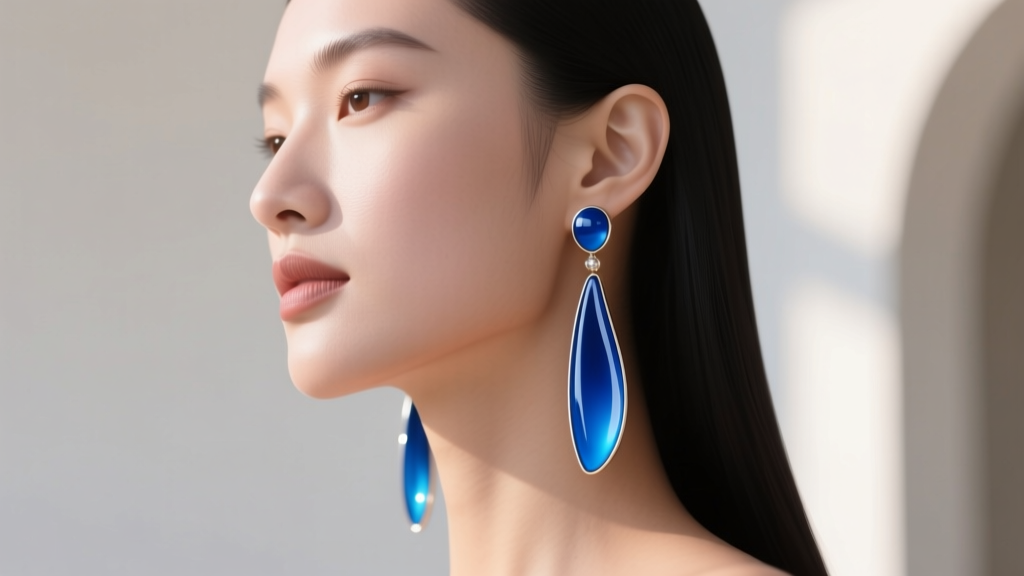
Strategic Pairing Guide
Round Faces: Avoid circular blue hoops or dome-shaped blue studs, which will exaggerate facial roundness. Instead, opt for long, angular blue statement earrings. Think sharp geometric lapis lazuli drops, elongated rectangular kyanite slices, or linear blue enamel tassels. The vertical lines draw the eye downward, creating a slimming, lengthening effect.
Square Faces: A strong, angular jawline benefits from softening curves. Look for oversized blue resin hoops, organic teardrop-shaped lab sapphires, or fluid, asymmetrical cold enamel waves. Avoid harsh, boxy geometric shapes that mirror the jawline.
Heart-Shaped Faces: With a broader forehead and a narrow chin, the goal is to add visual weight to the lower half of the face. Chandelier-style blue earrings that flare out at the bottom, or wide blue gemstone cluster drops, perfectly balance the facial proportions.
Red Flags: What to Avoid When Buying
When shopping for blue statement earrings, especially from independent online artisans or vintage markets, be highly critical of the materials used in the earring's infrastructure. The International Gem Society frequently warns consumers about the hidden dangers of improper alloy pairings in heavy jewelry.
- Unsealed Brass or Copper Bases: Many affordable blue enamel or resin statement earrings are cast in brass. When brass reacts with the natural oils and sweat on your earlobes, it creates copper chloride, leaving you with a stubborn green stain. Always ensure the post or wire is at least 925 sterling silver, titanium (Grade 2 CP or aerospace Grade 5), or 14k gold vermeil.
- Reconstituted Turquoise: Often sold in large, heavy statement cuffs or dangles, 'reconstituted' turquoise is essentially stone dust mixed with blue dye and epoxy resin. It lacks the structural integrity of natural stone and can shatter if a heavy earring is dropped on a hard surface.
- Glued Cabochons without Bezels: In large blue statement studs, the surface area of the stone is substantial. If a flat-back lapis or sodalite cabochon is merely glued to a flat metal pad without a mechanical bezel or prong setting, the adhesive will eventually degrade due to temperature fluctuations and cosmetic exposure, resulting in a lost stone.
Maintenance and Storage of Porous Blue Stones
Statement pieces are often worn for long events, accumulating hairspray, perfume, and skin oils. While lab sapphires and enamel can be cleaned with mild soap and a soft brush, porous stones like lapis lazuli, sodalite, and turquoise require specialized care. Never use ultrasonic cleaners on these materials; the high-frequency vibrations can fracture the internal calcite matrix of the lapis, and the heat can melt the dyes used in lower-grade stones. Instead, wipe them gently with a dry, untreated microfiber cloth immediately after removal, and store them in a dark, climate-controlled environment to prevent the blue pigments from fading under prolonged UV exposure.


