How to Choose the Perfect Bride Earrings for Wedding Day Elegance
Discover how to choose the perfect bride earrings for wedding day elegance. Explore metals, gemstones, face shapes, and comfort tips for your big day.

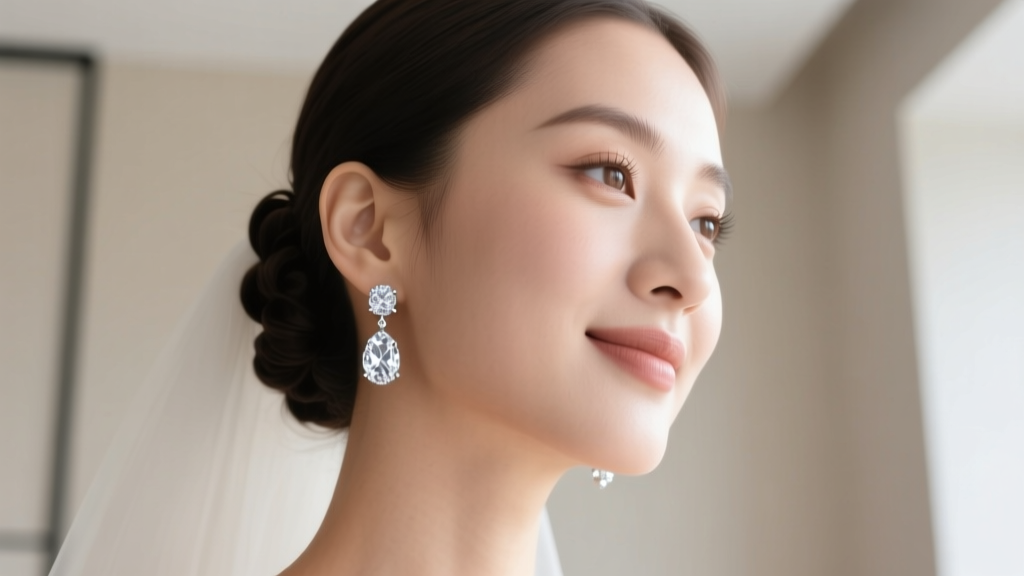
The Anatomy of Perfect Bridal Earrings: Material & Weight
When selecting bride earrings for wedding day wear, the structural integrity and material composition are just as critical as the aesthetic design. A wedding day involves 10 to 14 hours of continuous wear, meaning the earrings must withstand movement, perspiration, and the weight of heavy veils or updos. The foundation of any high-quality bridal earring lies in its metal base and overall gram weight.
Hypoallergenic Metals: Avoiding Day-Of Disasters
The stress of a wedding day can heighten skin sensitivity, making hypoallergenic metals non-negotiable. According to the American Academy of Dermatology, nickel allergies affect roughly 18% of women, often presenting as contact dermatitis. To avoid red, itchy lobes in your wedding photos, opt for these specific metal grades:
- Platinum (950 grade): The ultimate choice for bridal jewelry. It is naturally white, hypoallergenic, and exceptionally dense, providing a secure setting for heavy diamonds.
- 18K or 14K White Gold: Ensure the alloy is mixed with palladium rather than nickel. If it contains nickel, it must have a thick rhodium plating, though this can wear off during a long day.
- Implant-Grade Titanium (ASTM F136): Rarely used in traditional fine bridal jewelry, but if you are sourcing custom or alternative bridal pieces, this is the gold standard for sensitive ears.
The Weight Factor: Grams vs. Comfort
One of the most common mistakes brides make is ignoring the physical weight of the earrings. A standard comfortable stud weighs between 1.5 and 3 grams. However, statement chandeliers or long drop earrings can easily exceed 12 grams per ear. Over 8 hours, this causes 'earlobe droop,' where the piercing stretches downward, altering the angle of the earring and causing tension headaches.
| Earring Style | Average Weight (per ear) | Comfort Duration | Required Support Accessory |
|---|---|---|---|
| Solitaire Studs | 1.5g - 3.0g | 16+ Hours | Standard friction back or screw back |
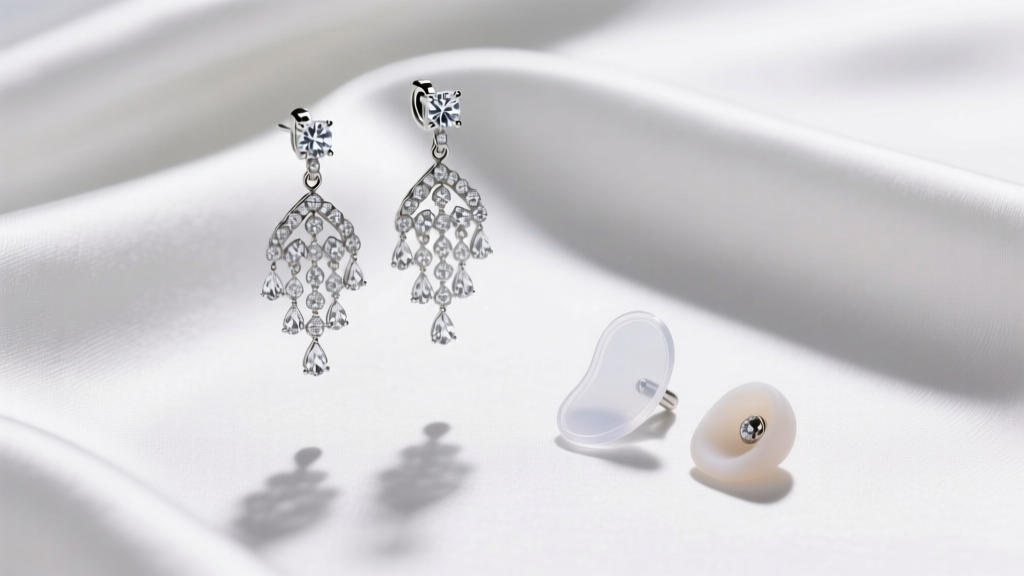
| Medium Drops / Hoops | 4.0g - 7.0g | 8 - 10 Hours | Jumbo silicone earring backs |
| Statement Chandeliers | 10.0g - 18.0g | 4 - 6 Hours | Earlobe support patches (e.g., LobeWonder) |
Matching Bride Earrings for Wedding Day Necklines & Veils
The visual balance of your bridal silhouette relies heavily on the interplay between your neckline, veil, and earrings. The goal is to frame the face without creating visual clutter.
Neckline Pairings
The geometry of your dress dictates the length and volume of your earrings. A high-neck or illusion neckline dress already draws the eye upward and fills the décolletage. Pairing this with long, dangling earrings creates a crowded, overwhelming look. Instead, opt for substantial cluster studs or medium-sized hoop earrings (15mm - 20mm diameter). Conversely, a strapless or sweetheart neckline leaves the collarbone and neck entirely bare. Here, elongated drop earrings or chandeliers that graze the collarbone (approximately 2 to 2.5 inches in length) provide necessary vertical balance.
Navigating Veils and Hair Accessories
If you are wearing a blusher veil or a heavily beaded Juliet cap, your earrings will be partially obscured during the ceremony. In these cases, the movement of the earring is more important than its intricate detailing. Choose earrings with articulated joints—where the top stud connects to the drop via a small jump ring or hinge. This allows the diamonds or gemstones to catch the light dynamically as you walk down the aisle, ensuring they remain visible even through tulle.
Gemstone Selection: Beyond the Traditional Diamond
While diamonds remain the standard for bridal jewelry, modern brides are increasingly incorporating colored gemstones for personalization. However, not all gemstones possess the durability required for the rigors of a wedding day.
Durability and the Mohs Scale
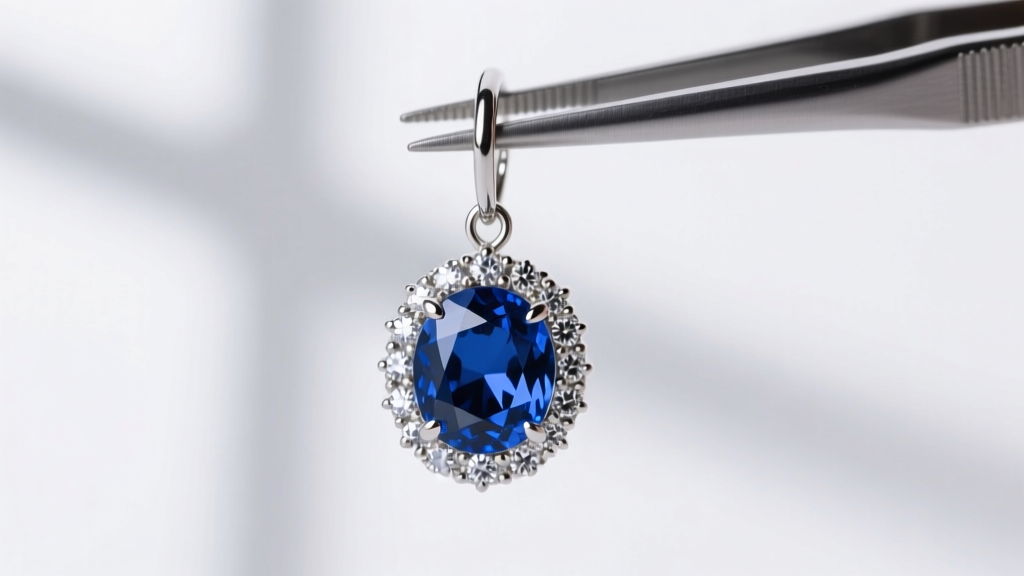
When evaluating gemstone options for bride earrings for wedding day wear, always consult the Mohs scale of mineral hardness. The Gemological Institute of America (GIA) recommends stones with a hardness of 8 or higher for everyday or high-stress wear. Diamonds (10), Sapphires (9), and Rubies (9) are exceptional choices. They resist scratching from accidental bumps against zippers, hairpins, or dress embellishments.
Avoid using Emeralds (7.5-8) or Opals (5.5-6.5) in intricate prong settings for long wedding days unless they are bezel-set. Emeralds are heavily included and prone to chipping under pressure, while opals are sensitive to the sudden temperature changes and dehydration that can occur in heavily air-conditioned or outdoor venues.
Color Harmony with Skin Undertones
To ensure your earrings complement your natural coloring in photographs, match the metal and gemstone to your skin's undertone:
- Cool Undertones: Platinum and white gold paired with icy white diamonds, blue sapphires, or amethysts enhance the pink and blue notes in the skin.
- Warm Undertones: 18K yellow gold or rose gold paired with champagne diamonds, morganite, or warm-toned rubies create a cohesive, glowing effect.
- Neutral Undertones: You have the versatility to mix metals. A two-tone setting (e.g., a yellow gold basket on a platinum post) offers a customized, modern bridal look.
Practical Fitting and Day-Of Troubleshooting
Even the most beautifully crafted earrings can cause issues if the mechanics of the closure are flawed. The final step in your buying guide is understanding how to secure and troubleshoot your earrings on the day of the event.
Closure Types and Security
For heavy bridal earrings, standard butterfly friction backs are insufficient; they can easily slip off when catching on lace or tulle. Look for earrings featuring La Pousette backs (which function like a camera lens cap with a push-button release) or screw-backs. If your chosen earrings only come with friction backs, purchase locking silicone disc backs (such as those from brands like BlingGuard) to double-secure the post.
The 'Hair-Snag' Test
Before finalizing your purchase, perform the hair-snag test. Run the earring through a piece of sheer fabric or fine lace (similar to your veil). If the prongs catch, they need to be filed down by a jeweler. V-prongs are generally safer for bridal wear than traditional rounded prongs, as they sit flatter against the stone and are less likely to catch on stray hairs when you hug guests or dance.
Pro-Tip for the Getting-Ready Suite: Always put your earrings in after your hair and makeup are completely finished, and after you have stepped into your dress. This prevents makeup transfer onto the gemstones and eliminates the risk of the earrings catching on the delicate fabric of your gown while pulling it over your head.
By prioritizing hypoallergenic materials, calculating weight distribution, and selecting secure closures, your bride earrings for wedding day wear will remain comfortable, secure, and photogenic from the first look to the final send-off.


