Blue Teardrop Earrings: A Beginner's Styling & Buying Guide
Discover how to choose, style, and care for blue teardrop earrings. Our beginner guide covers gemstones, metals, gauge sizes, and face shapes.

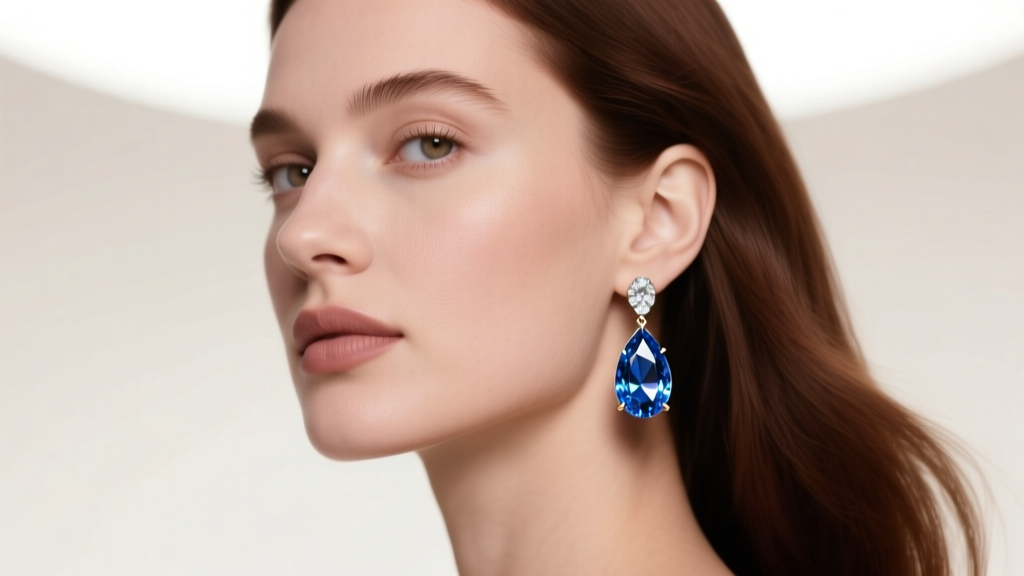
The Timeless Appeal of the Blue Teardrop
The teardrop, or pear-shaped, earring is a masterclass in visual elongation and elegance. When you introduce the color blue into this silhouette, you create a piece of jewelry that is both universally flattering and strikingly versatile. Blue teardrop earrings range from delicate, everyday glass drops to high-carat, red-carpet-ready sapphires. For beginners navigating the jewelry market, understanding the nuances of gemstone types, metal pairings, and structural mechanics is essential to making a smart, long-lasting purchase.
Unlike simple studs, teardrops possess a distinct anatomy: the rounded 'belly' and the tapered 'culet' (the point). In a properly set teardrop earring, the culet should always point downward toward the jawline, drawing the eye vertically and creating a slimming, elongating effect. But before you buy your first pair, you must decode the materials, as 'blue' can mean anything from a $30 enamel drop to a $5,000 natural sapphire.
Decoding the Blue: Gemstone vs. Enamel vs. Glass
Not all blue stones are created equal. The durability, price, and care requirements of your teardrop earrings depend entirely on the material. According to the Gemological Institute of America (GIA), understanding the Mohs scale of hardness is critical for drop earrings, which are more prone to swinging and striking surfaces than snug studs.
| Material | Mohs Hardness | Avg. Price Range (Pair) | Best For & Care Notes |
|---|---|---|---|
| Natural Sapphire | 9 | $800 - $3,000+ | Everyday wear. Highly scratch-resistant. Safe for ultrasonic cleaners. |
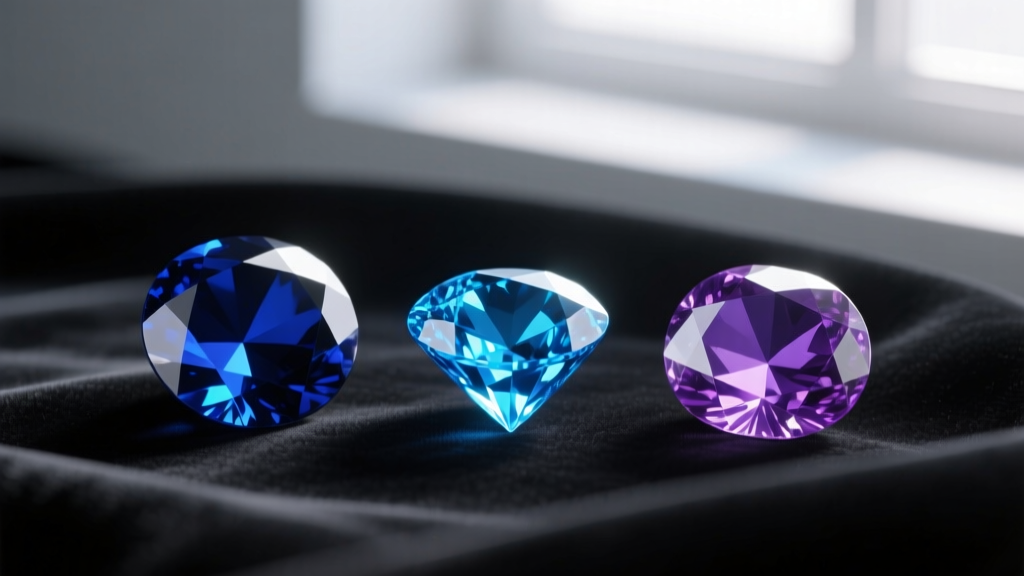
| London Blue Topaz | 8 | $150 - $600 | Frequent wear. Deep, inky blue. Avoid hard knocks due to perfect cleavage. |
| Tanzanite | 6 - 7 | $400 - $1,500 | Special occasions. Violet-blue pleochroism. NEVER use ultrasonic cleaners. |
| Lapis Lazuli | 5 - 6 | $80 - $300 | Casual/Boho styles. Opaque, porous. Keep away from perfumes and acids. |
| Enamel/Glass | N/A | $30 - $150 | Trend-driven fashion. Prone to chipping. Clean only with a damp cloth. |
If you are investing in fine jewelry, London Blue Topaz offers the best balance of vivid color, durability, and price. However, if you want a stone with complex color-shifting properties, Tanzanite is unparalleled, provided you treat it with extreme care.
Color Theory: Matching Metals to Your Blue
The metal setting acts as a frame for your blue teardrop. The contrast or harmony between the metal and the stone will drastically alter the earring's overall vibe.
- White Gold & Platinum: The ultimate enhancer for cool-toned blues. White metals reflect light without adding warmth, making London Blue Topaz and Sapphires appear crisper and more icy. This is the most popular choice for modern, minimalist styling.
- Yellow Gold: Creates a high-contrast, regal aesthetic. Yellow gold paired with deep blue lapis lazuli or dark sapphires evokes a vintage, Art Deco, or celestial feel. The warmth of the gold makes the blue stone 'pop' aggressively.
- Rose Gold: Softens the look. The pinkish hue of rose gold sits opposite blue on the color wheel, creating a subtle complementary contrast that makes violet-blues (like Tanzanite) look incredibly romantic and warm.
The Mechanics of the Drop: Gauge Sizes and Lobe Support
One of the most common mistakes beginners make is ignoring the physical weight of teardrop earrings. A 15x20mm solid gemstone teardrop can easily weigh between 6 to 10 grams per ear. Standard earring posts are typically 20-gauge (0.81mm thick). While a 20-gauge post is fine for lightweight hollow glass or small enamel drops, it will physically bend under the weight of a heavy stone, causing the earring to droop forward awkwardly.
The Expert Rule of Thumb: If your blue teardrop earrings exceed 5 grams each, insist on an 18-gauge (1.02mm) or 16-gauge (1.29mm) post. Thicker wire provides the structural integrity needed to keep the teardrop hanging perfectly vertical.
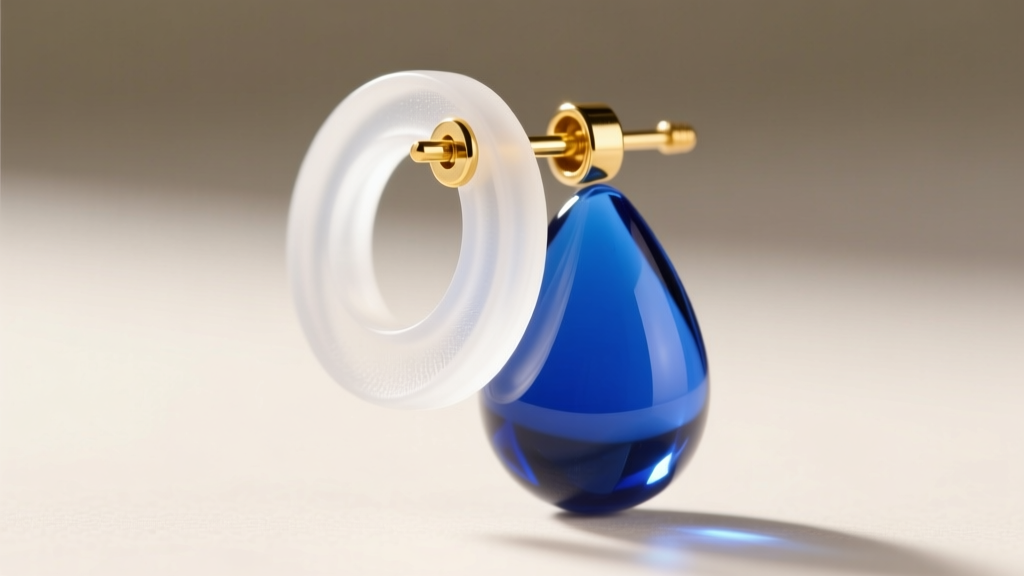
If you already own a pair of heavy blue teardrops that droop, you do not need to replace them. You can purchase silicone earring support discs (often called 'BlingWraps' or 'earring lifters'). These thick, clear silicone pads slide onto the post behind your earlobe, distributing the weight across a wider surface area and physically forcing the earring to stand upright. The Jewelers of America organization frequently recommends these supports for clients purchasing heavy statement drops to prevent gradual lobe stretching over time.
Face Shape Framework: Who Should Wear Teardrops?
Because teardrops are inherently vertical, they interact with your facial geometry in specific ways. Use this framework to determine how to style your blue drops:
Round and Square Faces
Teardrops are your best friend. The downward pull of the pear shape helps elongate the face, softening strong jawlines (square) and adding verticality to wider cheekbones (round). Opt for longer, narrower blue teardrops (e.g., 10x25mm) to maximize the slimming effect.
Heart-Shaped Faces
Heart faces feature a wider forehead and a narrow, pointed chin. Teardrop earrings are excellent here because the rounded 'belly' of the earring sits right at the jawline, adding visual weight and balance to the lower half of the face.
Oblong and Long Faces
Proceed with caution. Because your face is already vertically dominant, long, skinny teardrops will exaggerate the length. Instead, look for 'wide' teardrops or almost triangular pear shapes where the belly is exceptionally round and the drop is short (e.g., 15x15mm), or pivot to blue studs entirely.
Care Protocols: What to Avoid
Maintaining the brilliance of your blue teardrops requires specific care protocols based on the material. A common beginner error is tossing all jewelry into an ultrasonic cleaner. While ultrasonic waves are perfectly safe for hard stones like Sapphires, they can shatter Tanzanite due to its perfect cleavage planes and internal inclusions. Furthermore, if your blue teardrops are treated with fracture-filling oils (common in lower-grade Emeralds or some Lapis), the ultrasonic vibrations will strip the oil, leaving the stone cloudy and cracked.
For everyday cleaning of Topaz and Sapphire teardrops, a simple bowl of warm water with a drop of mild dish soap and a soft baby toothbrush is the gold standard. Gently brush the back of the stone (the pavilion), where skin oils and lotion accumulate and block light from entering the gem. Dry with a lint-free microfiber cloth to prevent water spots from dulling the blue hue.
Pro Styling Tip: If you want the look of blue teardrops but already own a pair of high-quality blue studs, look into 'earring jackets' or 'drops with loops.' These are specialized attachments that hang from the post of your existing stud, allowing you to convert a simple sapphire stud into a dramatic teardrop silhouette for evening wear, saving you the cost of buying an entirely new pair.


