Blue Topaz Diamond Earrings: Material & Setting Guide
Discover the ultimate guide to blue topaz diamond earrings. Compare gemstone treatments, metal settings, and pricing for your perfect pair.

The Allure of Blue Topaz and Diamond Pairings
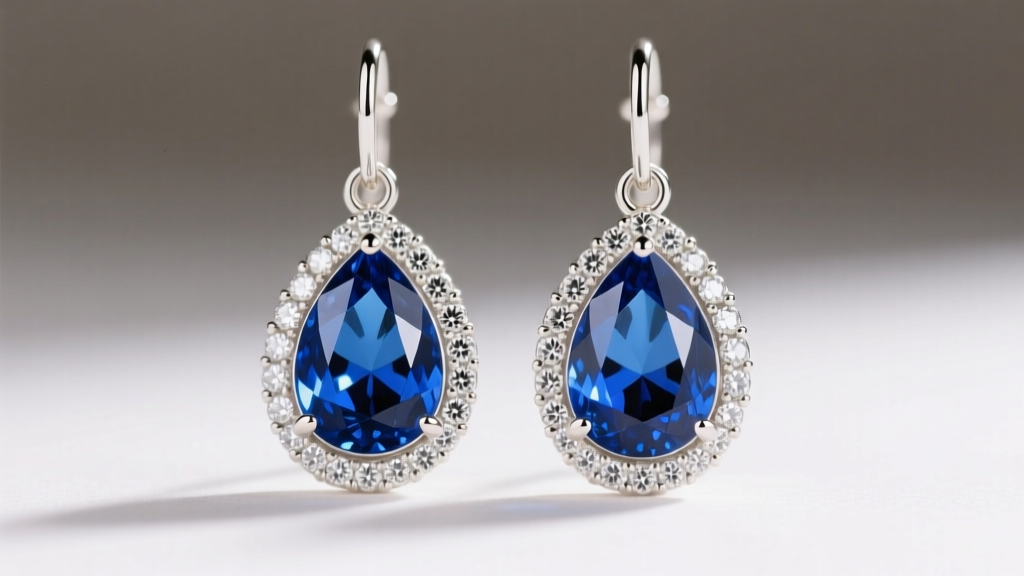
When evaluating fine jewelry, the combination of blue topaz and diamonds creates a striking visual contrast that balances vibrant color with unparalleled brilliance. As we navigate the 2026 jewelry market, blue topaz diamond earrings remain a highly sought-after category, prized for their accessibility and luxurious aesthetic. However, not all blue topaz is created equal, and the quality of the diamond accents and metal settings can drastically alter both the durability and the value of the piece. This comprehensive material comparison guide breaks down the gemological properties, treatment processes, and structural considerations you need to know before investing in your next pair.
Gemological Breakdown: London, Swiss, and Sky Blue Topaz
Topaz is a silicate mineral with a Mohs hardness of 8, making it highly resistant to scratching. However, its refractive index (1.61 to 1.64) is significantly lower than that of a diamond (2.417), meaning it relies on its body color and vitreous luster rather than fiery dispersion for its beauty. Naturally occurring blue topaz is exceptionally rare and usually very pale. Therefore, nearly all commercial blue topaz is created through a controlled treatment process involving colorless topaz.
Treatment Processes and Color Stability
According to the Gemological Institute of America (GIA), the blue coloration is achieved through irradiation (using electron beams or gamma rays) followed by heat treatment. This process is permanent and stable under normal wear conditions. The market categorizes these treated stones into three primary tiers:
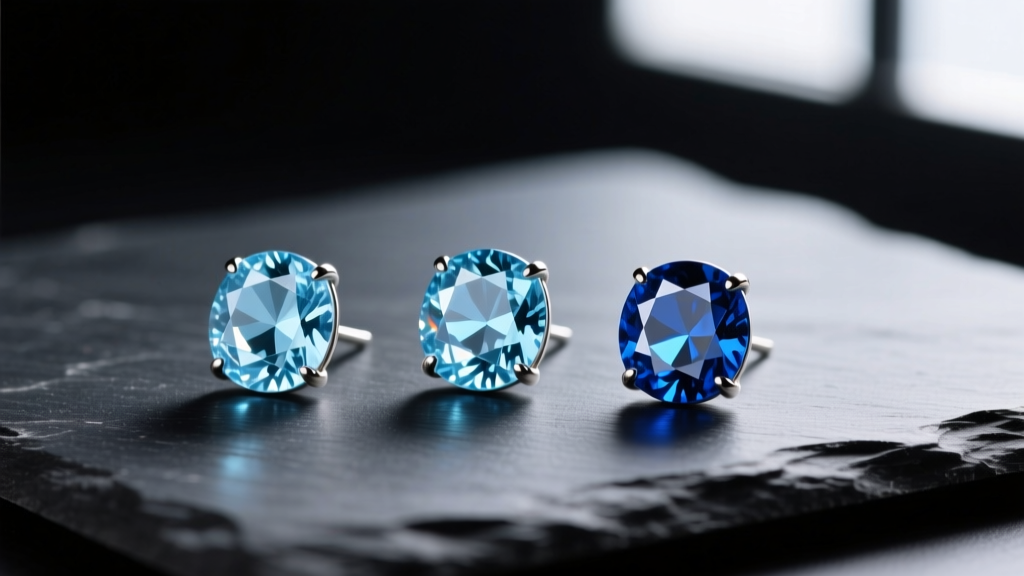
- Sky Blue: The lightest and most affordable tier, resembling a clear summer sky. It requires the least amount of irradiation.
- Swiss Blue: A vibrant, medium-toned blue with high saturation. This is the most popular choice for contemporary fashion jewelry.
- London Blue: The deepest, most valuable tier. It exhibits an inky, dark blue hue with subtle gray or green undertones, requiring the most intensive and prolonged treatment process.
Diamond Accent Quality: What to Look For
In blue topaz diamond earrings, the diamonds are typically used as melee accents (stones weighing less than 0.15 carats each) in halo, pavé, or channel settings. While the topaz is the star, poor-quality diamond accents can ruin the overall aesthetic. When reviewing a jeweler's specifications, pay close attention to the color and clarity grades of the melee diamonds.
The Importance of Melee Color Grades
Because blue topaz provides a cool, saturated backdrop, any yellow tint in the surrounding diamonds will be immediately magnified. While you might accept an I or J color grade for a solitaire diamond ring, doing so in a halo surrounding blue topaz will result in a muddy, mismatched appearance. For optimal brilliance, insist on G to H color grades for the diamond melee. According to GIA Diamond Quality Standards, this near-colorless range ensures the diamonds face up bright white, maximizing the contrast against the blue gemstone.
| Diamond Attribute | Recommended Grade for Topaz Pairings | Why It Matters |
|---|---|---|
| Color | G - H (Near Colorless) | Prevents yellow contrast against the cool blue topaz. |
| Clarity | SI1 - SI2 (Slightly Included) | Inclusions are invisible to the naked eye in melee sizes under 0.10ct. |
| Cut | Very Good to Excellent | Maximizes light return and scintillation in small stones. |
| Carat Weight | 0.03ct - 0.10ct per stone | Standard melee sizing for halos and pavé bands. |
Metal Alloys: Best Settings for Blue Topaz
The metal chosen for your earrings dictates both the security of the stones and the long-term maintenance required. Cool-toned metals are the industry standard for blue topaz, as they enhance the stone's icy or inky hues without introducing conflicting warm reflections.
White Gold vs. Platinum vs. Sterling Silver
14k and 18k White Gold: This is the most common setting for mid-range blue topaz diamond earrings. White gold is alloyed with metals like nickel or palladium and plated with rhodium to achieve a bright white finish. In 2026, high-quality manufacturers apply a rhodium layer between 0.75 and 1.0 microns thick. Expect to have the earrings re-plated every 18 to 24 months depending on wear frequency and skin acidity.
Platinum (950 Purity): The premium choice for heirloom-quality pieces. Platinum is naturally white, hypoallergenic, and denser than gold. Its tensile strength makes it superior for securing prongs, which is critical for protecting topaz. It does not require rhodium plating, though it will develop a natural patina over time that can be polished away.
Sterling Silver (925): Often used for budget-friendly sky blue topaz pieces. Silver is highly prone to oxidation and tarnishing. If choosing silver, ensure the earrings feature a protective anti-tarnish e-coating or rhodium flash to minimize maintenance.
Durability and Wearability: The Cleavage Factor
While topaz scores a respectable 8 on the Mohs hardness scale, hardness only measures resistance to scratching. What many consumers overlook is toughness, which measures resistance to breaking. Topaz has perfect basal cleavage, meaning it can split cleanly along specific crystallographic planes if subjected to a sharp, hard impact.
"When setting stones with perfect cleavage like topaz or tanzanite, the jeweler must apply precise, even pressure. A single slip with the pliers or a hard knock against a marble countertop can cleave the stone in two." — Master Bench Jeweler Insights, 2025.
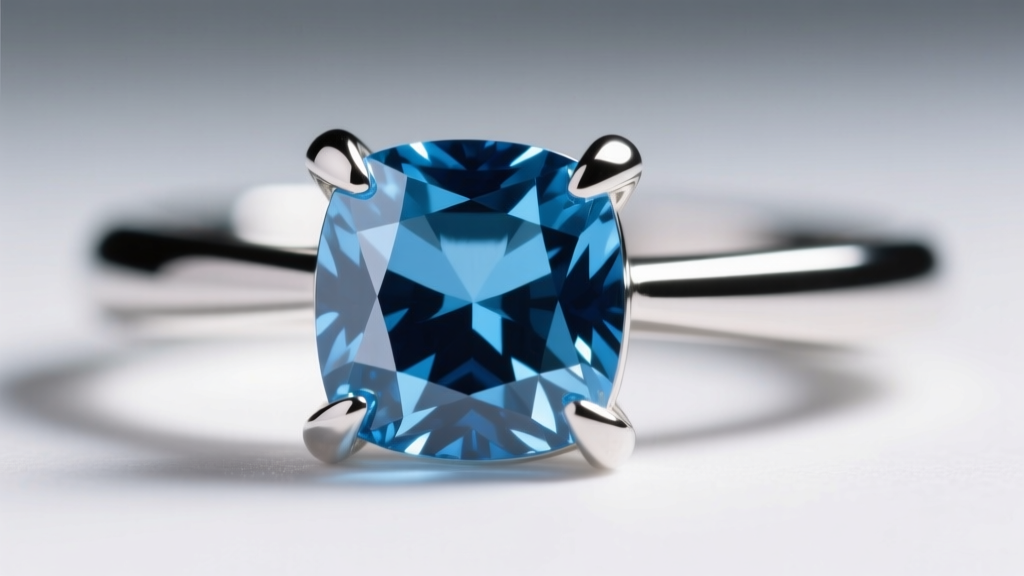
Because of this property, bezel settings, low-profile basket settings, or protective halo designs are highly recommended for blue topaz diamond earrings, especially for dangle or drop styles that are prone to swinging and striking surfaces. Avoid high-set, minimalist prong solitaires for active daily wear.
Pricing Tiers and Market Value in 2026
Understanding the pricing matrix for blue topaz diamond earrings helps you identify fair market value and avoid overpaying for inferior materials. Prices fluctuate based on the topaz color tier, the total carat weight (TCW) of the diamond melee, and the precious metal used.
- Entry-Level ($150 - $400): Sky or Swiss blue topaz set in rhodium-plated sterling silver or 10k white gold, featuring minimal diamond accents (under 0.10 TCW) of I-J color.
- Mid-Range ($500 - $1,200): Swiss or London blue topaz in 14k white gold, featuring 0.25 to 0.50 TCW of G-H color, SI clarity diamond melee in a secure halo setting.
- Premium ($1,500 - $3,500+): Deep London blue topaz in solid 950 platinum, featuring over 0.75 TCW of premium melee diamonds, often paired with intricate pavé work on the earring bale or leverback.
Care and Maintenance Protocols
To maintain the optical clarity of both the topaz and the diamonds, regular cleaning is essential. However, you must avoid ultrasonic cleaners and steamers. The high-frequency vibrations in an ultrasonic bath can trigger topaz's basal cleavage, causing internal fractures or outright breakage. Instead, use a soft-bristled baby toothbrush, warm water, and a mild, ammonia-free dish soap. Gently scrub the pavilion (back) of the topaz and the diamond melee to remove sebum and lotion buildup, which can dull the refractive properties of the stones. Dry thoroughly with a lint-free microfiber cloth before storing the earrings in a fabric-lined box to prevent the diamonds from scratching the topaz surfaces.


