Blue Tourmaline Earrings: The 2026 Indicolite Trend
Discover the 2026 trend of blue tourmaline earrings. Expert analysis on indicolite vs. Paraiba, pricing, ear curation styling, and gemstone grading.

The 2026 Shift: Why Indicolite is Replacing Sapphire
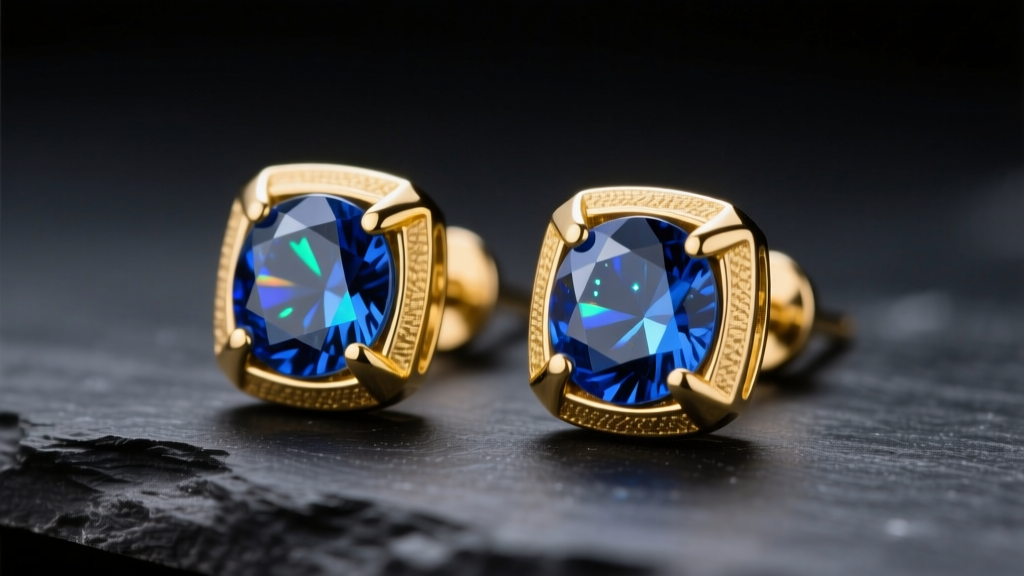
In the landscape of fine jewelry, 2026 has ushered in a definitive pivot away from traditional, predictable gemstones toward moody, complex alternatives. At the forefront of this movement in the ear curation space are blue tourmaline earrings, specifically the rare indicolite variety. While blue sapphires have dominated the luxury market for decades, modern collectors and bespoke jewelers are increasingly drawn to the oceanic, teal-leaning hues of indicolite. This shift is driven by a desire for 'quiet luxury' and unique, unheated gemstones that offer a distinct visual signature.
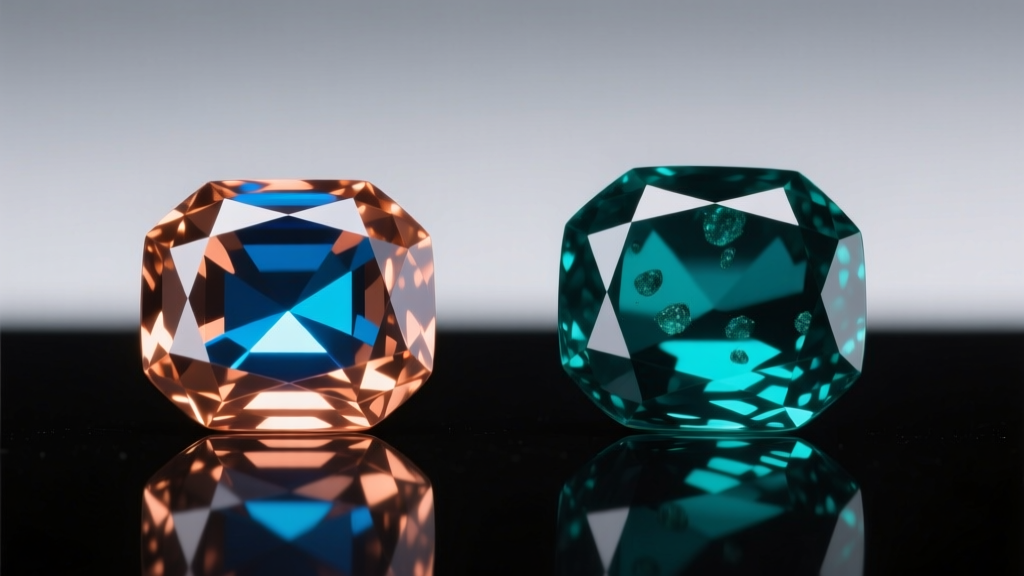
Indicolite is the gemological trade term for any blue tourmaline, ranging from pale, watery sky blue to deep, saturated teal. Unlike sapphires, which rely on a uniform color distribution, blue tourmaline exhibits intense pleochroism—meaning it shows different colors when viewed from different crystal angles. This optical phenomenon gives indicolite earrings a dynamic, shifting depth that static blue stones simply cannot replicate.
Gemological Breakdown: Indicolite vs. Paraiba Tourmaline
When discussing blue tourmaline, it is critical to distinguish between standard indicolite and the highly prized Paraiba tourmaline. While both belong to the tourmaline mineral group, their chemical compositions, visual properties, and market valuations are vastly different. According to the Gemological Institute of America (GIA), the presence of copper is what separates a Paraiba from a standard indicolite.
| Feature | Indicolite Tourmaline | Paraiba Tourmaline | Blue Sapphire (Benchmark) |
|---|---|---|---|
| Color Origin | Iron and Titanium | Copper and Manganese | Iron and Titanium |
| Visual Tone | Deep teal, oceanic blue, moody | Neon, electric blue-green | Velvety, uniform royal blue |
| Mohs Hardness | 7.0 - 7.5 | 7.0 - 7.5 | 9.0 |
| Avg Price / Carat | $150 - $800 | $5,000 - $20,000+ | $800 - $3,000+ |
| Clarity Grade | Type II (Inclusions expected) | Type II (Heavily included) | Type II |
For everyday earring wear, indicolite offers a significantly more accessible entry point into the tourmaline family without sacrificing the prestige of a rare gemstone. However, buyers must be aware that tourmaline is a Type II gemstone, meaning natural inclusions are expected and can even serve as a fingerprint of authenticity, as noted by mineralogical databases like Mindat.org.
Styling Blue Tourmaline Earrings for Your Ear Curation
The structural fragility of tourmaline requires specific setting considerations, especially when designing an ear curation. Tourmaline has a Mohs hardness of 7 to 7.5, making it suitable for earrings, but it possesses distinct cleavage planes and can be brittle. Therefore, prong settings are generally discouraged for active wearers or cartilage piercings where impacts are more likely.
Lobe Studs and Threaders
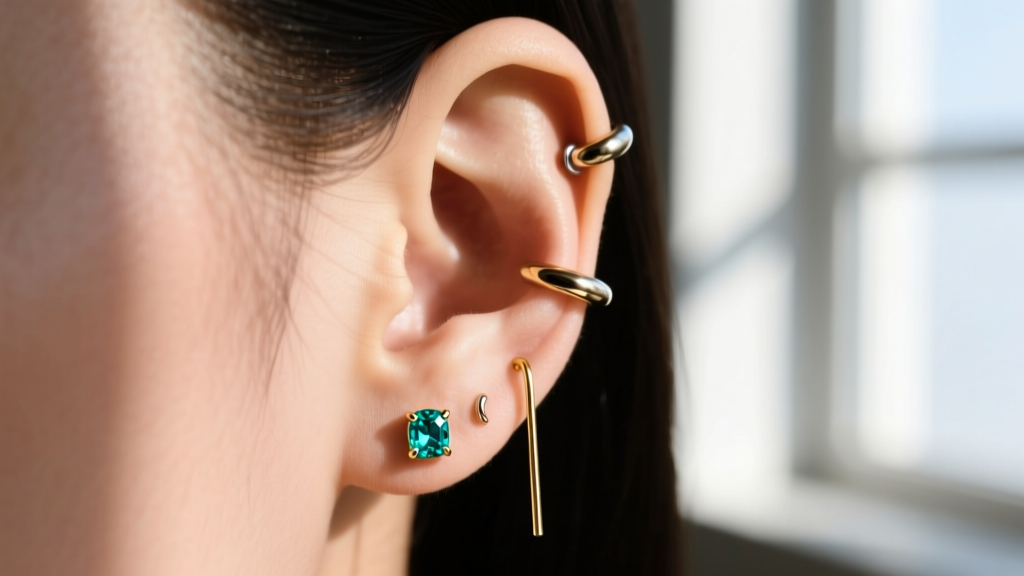
For standard lobe piercings (typically 20-gauge or 18-gauge), bezel-set indicolite studs are the ultimate expression of 2026's minimalist luxury. A flush bezel setting in 18k yellow gold not only protects the girdle of the tourmaline but also enhances its warm, teal undertones. For a more avant-garde approach, indicolite threader earrings allow the gemstone to float beneath the earlobe, catching the light and showcasing the stone's pleochroic nature as the wearer moves.
Cartilage, Helix, and Conch Placements
When incorporating blue tourmaline into upper ear curations, the hardware must be meticulously chosen. Cartilage piercings generally require 16-gauge jewelry for optimal stability and to prevent the 'cheese-cutter effect.' Because helix and conch piercings are prone to snagging on hair and clothing, low-profile titanium flat-back labrets with bezel-set indicolite cabochons are the safest and most stylish choice. The matte finish of implant-grade titanium (ASTM F136) provides a striking, modern contrast to the glassy luster of the blue tourmaline.
Buying Guide: Grading, Treatments, and Pricing
Navigating the market for blue tourmaline earrings requires a nuanced understanding of gemstone treatments and grading metrics. Unlike diamonds, tourmaline does not have a universally standardized grading system, making buyer education paramount.
- Color Saturation: The most valuable indicolite exhibits a pure, saturated blue or blue-green without overly dark 'inky' zones. Stones that are too dark are often cut poorly to retain weight, sacrificing brilliance.
- Heat Treatment: It is an industry-standard practice to heat indicolite to approximately 600°C to dissolve muddy inclusions and brighten the blue hue. While accepted, unheated indicolite with natural clarity commands a 30% to 50% premium in the 2026 market.
- Carat Weight vs. Millimeter Size: Tourmaline is less dense than sapphire. A 1.00-carat round indicolite will measure slightly larger (approx. 6.5mm) than a 1.00-carat sapphire. When buying earrings, always request the millimeter dimensions to ensure visual symmetry between the left and right stones.
"The true value of an indicolite earring lies not in flawless clarity, but in the cutting precision that maximizes its unique teal-to-blue color zoning." — Master Gemologist Appraiser
Care and Maintenance for Tourmaline Settings
The longevity of your blue tourmaline earrings depends entirely on proper maintenance. Tourmaline is highly sensitive to thermal shock and can easily fracture if exposed to sudden temperature changes. Furthermore, the liquid and gas inclusions naturally present in indicolite can expand under high heat or ultrasonic vibrations, leading to catastrophic stone failure.
The Golden Rules of Tourmaline Care
- Never Use Ultrasonic Cleaners: The high-frequency vibrations will shatter included tourmaline. This is non-negotiable for both indicolite and Paraiba varieties.
- Avoid Steam Cleaning: Jewelers often use steam to blast dirt from settings. The intense, localized heat can cause internal fracturing in tourmaline.
- Manual Cleaning Only: Use a soft, baby-hair brush with lukewarm water and a drop of mild, phosphate-free dish soap. Gently agitate the water around the bezel setting, rinse under a slow stream of room-temperature water, and pat dry with a microfiber cloth.
- Storage: Store tourmaline earrings in a separate velvet pouch. While tourmaline is harder than gold and silver, it can be easily scratched by diamonds, sapphires, or moissanite stored in the same jewelry box.
Final Thoughts on the Indicolite Movement
As we move deeper into 2026, the appeal of blue tourmaline earrings continues to solidify. Indicolite offers a rare intersection of gemological fascination, accessible luxury, and bespoke styling potential. Whether you are commissioning a pair of 18k gold lobe studs or integrating 16-gauge titanium helix huggies into your curated ear, understanding the specific gravity, treatment history, and setting requirements of indicolite ensures your investment remains as captivating as the day it was mined. By prioritizing precision cuts and protective bezel settings, your blue tourmaline earrings will serve as a timeless, moody testament to modern jewelry artistry.