Jamaican Earrings Explained: Bamboo, Creole Hoops, and Styling
Discover the rich history of Jamaican earrings. Learn how to style bamboo hoops, choose the right metals, and wear creole styles with confidence.

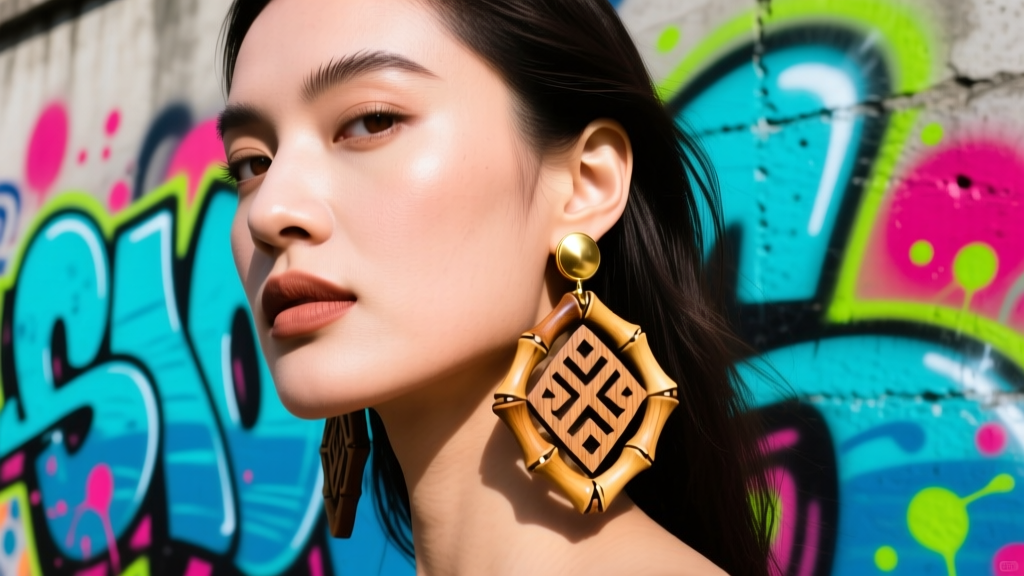
When exploring the vibrant intersection of Caribbean culture, hip-hop history, and streetwear fashion, few accessories carry as much weight—both culturally and physically—as Jamaican earrings. For beginners stepping into the world of statement ear jewelry, the term 'Jamaican earrings' generally refers to three iconic silhouettes: the segmented bamboo hoop, the oversized creole, and Rasta-color beaded accents. These pieces are not just fashion statements; they are historical artifacts of dancehall culture and 1980s/90s urban style.
However, buying and wearing these bold pieces requires more than just an eye for aesthetics. From understanding earlobe weight distribution to avoiding cheap metal alloys that cause contact dermatitis, this guide will break down everything you need to know about selecting, styling, and caring for authentic Jamaican-inspired earrings.
The Cultural Roots of Jamaican Ear Jewelry
To truly appreciate these earrings, you must understand their origins. In Jamaican dancehall culture of the 1970s and 80s, bold, oversized gold jewelry was a symbol of success, resilience, and community pride. The 'bamboo' earring—designed to mimic the segmented nodes of the bamboo plant—became a staple. According to the Victoria and Albert Museum's jewelry archives, cultural adornment often serves as a visual language of identity, and the oversized bamboo and creole hoops became a definitive visual language for Caribbean diaspora communities globally.
By the late 1980s, these styles crossed over into mainstream hip-hop, famously championed by artists like Salt-N-Pepa and MC Lyte. The 'door-knocker' and bamboo silhouettes became synonymous with female empowerment and unapologetic street style. Today, they remain a cornerstone of nostalgic and modern streetwear alike.
The Big Three: Core Styles Breakdown
1. The Iconic Bamboo Earring
Despite the name, authentic vintage and modern bamboo earrings are rarely made from actual bamboo grass. Instead, they are crafted to mimic the plant's distinct jointed 'nodes.'
- Carved Wood: Lightweight and affordable, often painted or stained to resemble gold or mahogany.
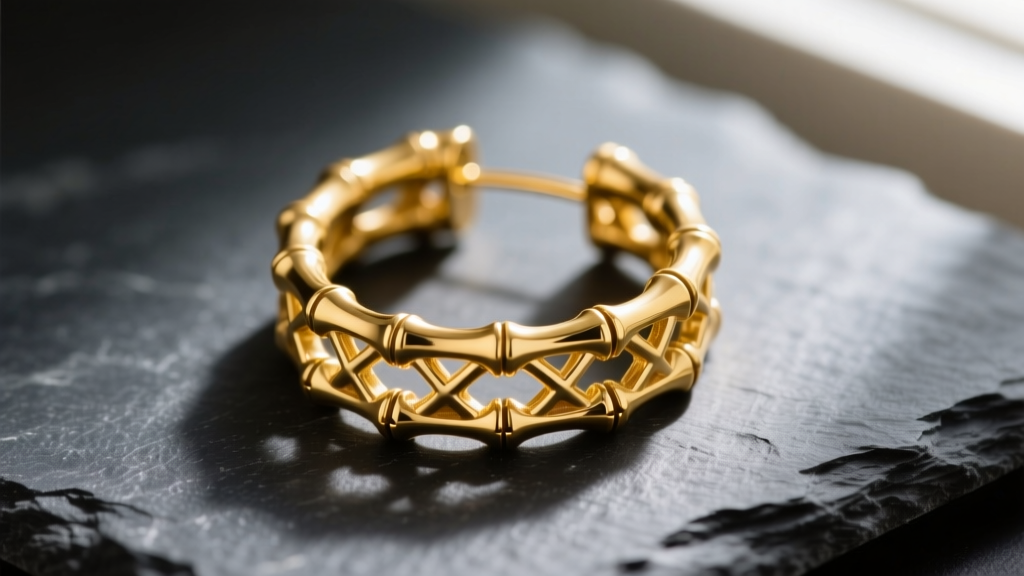
- Cast Metal: Usually brass or sterling silver, cast using molds taken from real bamboo. These offer a premium, heavy drape but require careful weight management.
- Acrylic/Resin: A modern, ultra-lightweight alternative that allows for massive 4-inch to 6-inch drops without stressing the earlobe.
2. The Oversized Creole Hoop
While standard hoops are uniform in thickness, the Jamaican creole is characterized by a thick, rounded profile (often 3mm to 8mm in diameter) that tapers slightly at the ends. They traditionally feature a secure saddle-back or hidden latch closure to support the heavy gauge wire.
3. Rasta-Color & Beaded Accents
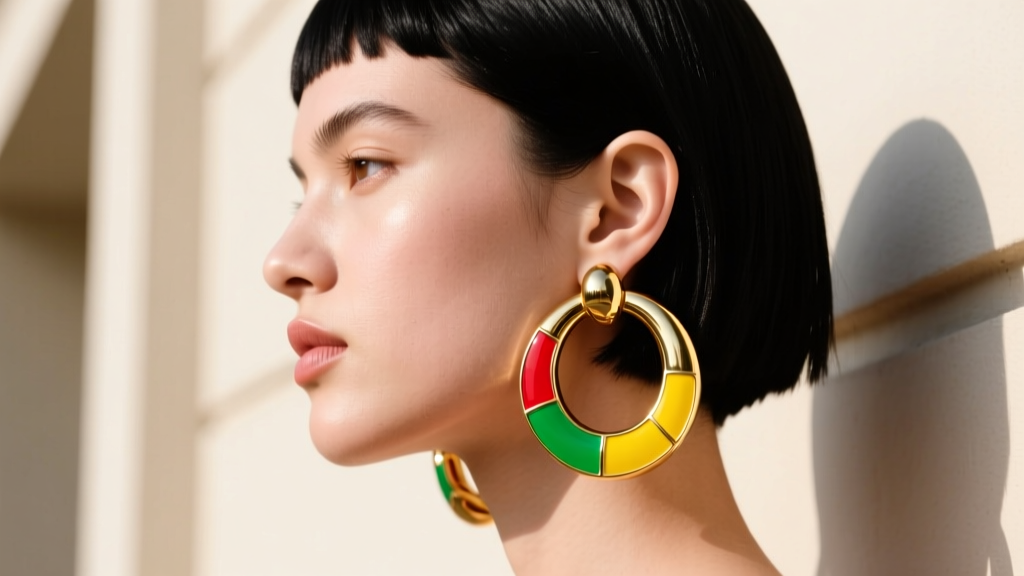
Wire-wrapped earrings featuring red, gold, green, and black seed beads pay homage to Rastafari symbolism. These are typically smaller, lighter, and serve as vibrant, everyday accents rather than heavy statement pieces.
Material Matters: Weight, Gauge, and Durability
The most common mistake beginners make when buying Jamaican earrings is ignoring the gauge (thickness) of the ear wire and the overall weight of the piece. Heavy cast brass bamboo earrings can weigh upwards of 30 grams per pair. If hung on a standard, thin 20-gauge (0.8mm) wire, the metal will slowly slice through the earlobe over time—a painful phenomenon known in the jewelry industry as the 'cheese-cutter effect.'
For heavy statement pieces, always look for a 16-gauge (1.2mm) or 14-gauge (1.6mm) post, or a wide, flat-backed clasp that distributes the weight across a larger surface area of the lobe.
Material Comparison Chart
| Material | Avg. Weight (per pair) | Price Range | Pros & Cons |
|---|---|---|---|
| Carved Wood | 5 - 10 grams | $15 - $35 | Excellent for all-day wear; porous and can absorb oils/perfume. |
| Cast Brass | 25 - 40 grams | $20 - $50 | Authentic heavy drape; high risk of nickel allergies and 'green ear'. |
| Gold Vermeil (Sterling Base) | 12 - 20 grams | $65 - $120 | Hypoallergenic and premium; requires gentle cleaning to preserve plating. |
| Hollow Acrylic | 3 - 6 grams | $10 - $25 | Allows for extreme oversized looks; lacks the premium feel of metal. |
Note on Allergies: The American Academy of Dermatology warns that nickel is a common allergen found in cheap brass and white-gold alloys. If you have sensitive ears, strictly avoid uncoated brass and opt for sterling silver or titanium posts.
How to Style Jamaican Earrings for Your Face Shape
Because Jamaican earrings are inherently voluminous, balancing their scale with your face shape and neckline is crucial for a harmonious look.
For Round and Square Faces
Elongated bamboo drop earrings are your best friend. The vertical lines of the bamboo nodes draw the eye downward, creating an illusion of length and softening strong jawlines. Avoid perfectly round, thick creoles, which can exaggerate facial width.
For Oval and Heart-Shaped Faces
You have the versatility to pull off the classic, oversized circular creole hoop. A 2-inch to 3-inch gold creole beautifully frames the cheekbones and balances a narrower chin. Pair these with an updo or a sleek, pulled-back hairstyle to let the jewelry take center stage.
Neckline Pairings
Statement earrings demand breathing room. Pair large bamboo hoops with strapless tops, deep V-necks, or off-the-shoulder garments. High collars and turtlenecks will compete with the earrings, creating a cluttered and uncomfortable silhouette.
Caring for Your Statement Pieces
Proper maintenance ensures your Jamaican earrings last for years, whether they are crafted from organic materials or precious metals.
Cleaning Carved Wood and Bamboo
Never submerge wooden earrings in water, as this will cause the fibers to swell and crack. Instead, wipe them down with a dry microfiber cloth after each wear to remove skin oils. Once a month, rub a tiny drop of jojoba or mineral oil into the wood to maintain its luster and prevent drying.
Maintaining Gold Vermeil and Brass
For gold-plated sterling silver (vermeil), use a mild dish soap and warm water solution, gently scrubbing with a baby toothbrush. Dry immediately. For solid brass pieces that have begun to tarnish or oxidize, a paste made of lemon juice and baking soda will strip the oxidation and restore the bright, brassy shine. Always apply perfumes and hairsprays before putting on your jewelry to prevent chemical degradation of the metal finish.
Where to Buy Authentic Pieces
When shopping for Jamaican earrings, avoid fast-fashion retailers that use flimsy, hollow wire and toxic lead-based alloys. Instead, seek out independent jewelers on platforms like Etsy who specialize in Caribbean-inspired streetwear jewelry, or visit local jewelers in culturally rich neighborhoods (like Flatbush in Brooklyn or Brixton in London) where custom nameplate and bamboo casting is a generational craft. Look for listings that explicitly state the post material (e.g., '14k gold-filled post' or 'surgical steel wire') to ensure both longevity and ear health.


