The Ultimate Jhumka Earrings Buying Guide: Styles & Fit
Discover how to choose the perfect jhumka earrings. Learn about weight limits, gauge sizes, metal purity, and supportive backings for comfortable wear.

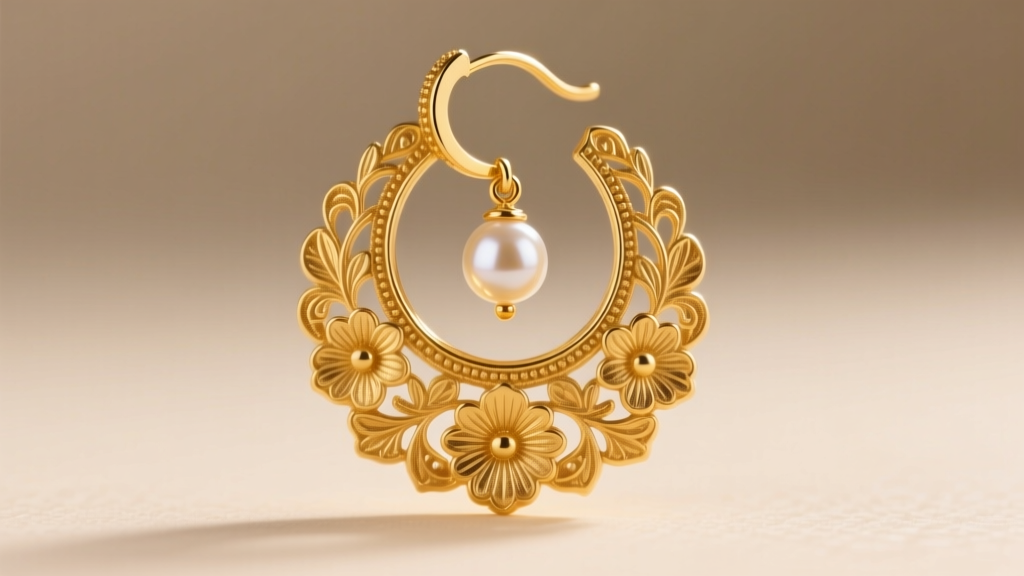
The Anatomy of a Jhumka: Understanding the Silhouette
To buy jhumka earrings intelligently, you must first understand their structural anatomy. Unlike standard drop earrings, a true jhumka is defined by its hollow, bell-shaped dome (the katori), which creates the signature acoustic chime and visual volume. The anatomy typically consists of three main sections: the top stud or hook (the anchor), the central dome (the body), and the dangling fringe (the jhumki or tassels). When evaluating craftsmanship, inspect the soldering points where the dome meets the top anchor. Poor soldering here is the primary failure point for heirloom pieces, leading to the dome snapping off under its own weight.
Furthermore, the interior of the dome dictates the earring's acoustic properties and weight distribution. High-end artisanal jhumkas often feature a hollow interior with a small, suspended metal clapper, while mass-produced fashion variants may cast the dome in solid resin or lac to artificially reduce weight. While lac-filled domes are lighter, they lack the structural integrity to support heavy gemstone settings and can warp in high heat.
Weight, Gauge, and Earlobe Health: The Physics of the Drop
The most critical mistake buyers make with jhumka earrings is ignoring the physics of weight distribution. Because the center of gravity in a jhumka sits far below the piercing hole, it creates a pendulum effect. Every time you turn your head, the momentum exerts sheer force on the earlobe. Over time, heavy jhumkas cause the 'cheese-cutter effect'—a gradual migration and tearing of the piercing channel.
To prevent permanent lobe damage, you must match the earring's wire gauge to its total gram weight. Standard fashion earrings use a 20-gauge (0.81mm) wire, which is entirely insufficient for traditional jhumkas. When shopping, look for pieces that specify an 18-gauge (1.02mm) or 16-gauge (1.29mm) French wire or screw-back post. Thicker wire distributes the downward vector force across a wider surface area of the fistula.
The Jhumka Weight-to-Wear Matrix
| Jhumka Weight | Recommended Gauge | Max Continuous Wear | Required Support Mechanism |
|---|---|---|---|
| Under 10g | 20G (0.81mm) | 12+ Hours | Standard friction back or silicone stopper |
| 10g - 20g | 18G (1.02mm) | 6 - 8 Hours | Oversized silicone stabilizer disc |
| 20g - 35g | 16G (1.29mm) | 3 - 5 Hours | Sahara (ear chain) or clip-on conversion |
| Over 35g | N/A (Harness) | 1 - 3 Hours | Full ear cuff harness or hair-pin drape |
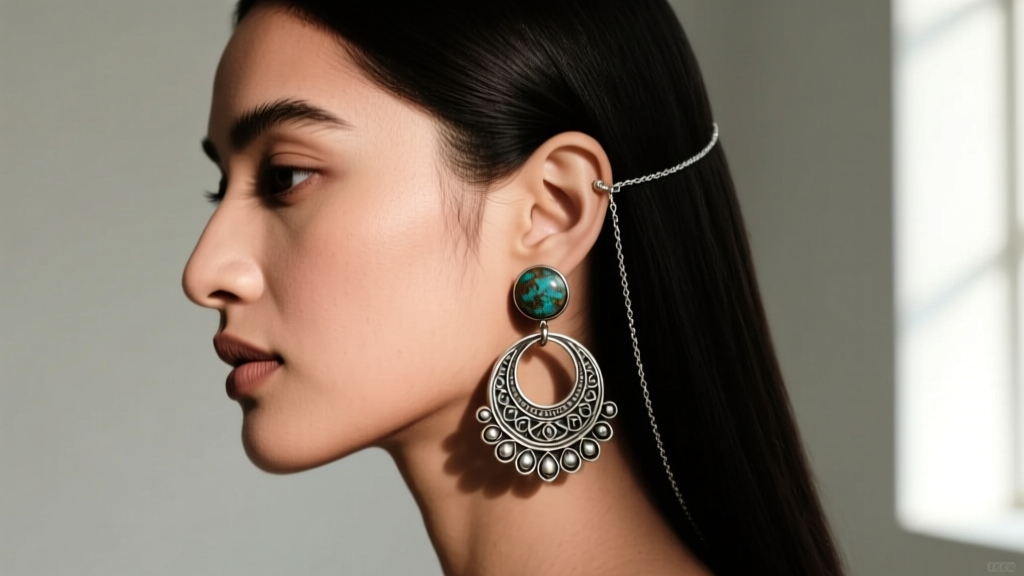
Material Mastery: Metallurgy and Embellishments
The material composition of jhumka earrings dictates not only their price but their longevity and skin compatibility. According to the Gemological Institute of America, understanding gold purity and plating thickness is vital when investing in fine jewelry. Here is what to look for in the primary materials:
Solid Gold vs. Vermeil vs. Flash Plating
For heirloom-quality jhumkas, 22-karat gold is the traditional standard, offering a rich, buttery yellow hue. However, 22k gold is exceptionally soft. If you are buying heavy jhumkas, look for a 14k or 18k gold alloy for the structural hooks and wires, paired with 22k gold for the decorative dome. If you are buying gold-plated silver (Vermeil), ensure the plating is at least 2.5 microns thick. Anything less is 'flash plating,' which will wear off within months of friction against the neck and jawline, exposing the base metal and risking nickel-induced contact dermatitis.
Oxidized Sterling Silver
Contemporary bohemian styling heavily favors oxidized 92.5 sterling silver jhumkas. The oxidation process (intentional tarnishing using sulfur compounds) highlights the intricate repoussé and filigree work. When buying oxidized silver, ensure the piece is sealed with a micro-thin layer of jeweler's wax or clear resin to prevent the oxidation from rubbing off onto your skin and clothing.
Kundan, Polki, and Meenakari
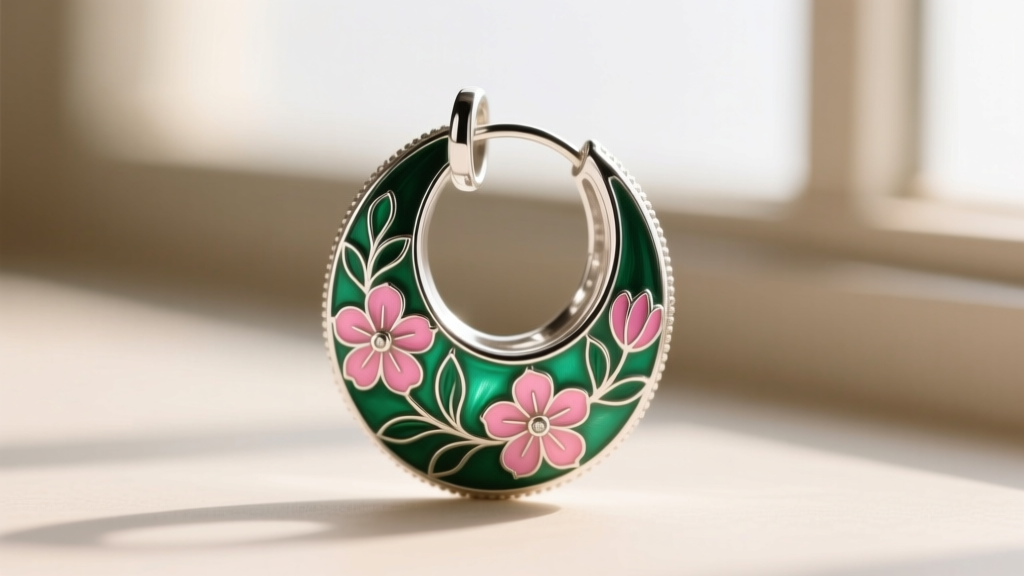
Buyers often confuse Kundan and Polki. Polki utilizes uncut, raw diamonds set in gold foil, making it significantly more expensive and brilliant. Kundan, conversely, uses highly refined glass or semi-precious cabochons set in 24k gold foil. While beautiful, Kundan is fragile; a dropped jhumka can easily shatter the glass inclusions. On the reverse side of these pieces, look for Meenakari (enameling). As documented in Britannica's archive on enamelwork, true Meenakari involves fusing powdered glass to metal at high temperatures. Tap the enamel gently with a fingernail—it should feel hard and glass-like, not soft or painted on.
Securing the Silhouette: Backings and Sahara Chains
A heavy jhumka is only as good as its suspension system. Relying solely on a standard butterfly clutch for a 25-gram earring is a recipe for lost jewelry and torn lobes. When shopping for substantial pieces, prioritize the following support mechanisms:
- The Sahara (Ear Chain): This is a non-negotiable feature for bridal or heavy festival jhumkas. The Sahara is a delicate chain that connects the bottom of the earring to a secondary hook that anchors into the hair or wraps behind the ear. This entirely bypasses the earlobe, transferring the weight to the cartilage or hair, allowing you to wear 50g+ earrings comfortably for hours.
- Screw-Back Posts: For medium-weight jhumkas (10-20g), a threaded screw-back post provides vastly superior security to friction backs, preventing the earring from slipping out as the heavy dome swings.
- Clip-On Conversions: If your lobes are already stretched or damaged, seek out jhumkas with padded clip-on mechanisms. Modern clip-ons utilize silicone tension pads rather than painful metal springs, distributing the clamp pressure evenly across the lobe.
Face Shape Pairing Matrix
Jhumkas are inherently voluminous. Selecting the right proportion for your facial geometry ensures the earrings enhance rather than overwhelm your features.
- Round Faces: Avoid wide, spherical domes that mimic the face's natural curve. Instead, opt for elongated, teardrop-shaped jhumkas with long, vertical pearl or bead tassels to create a visual lengthening effect.
- Square Faces: Soften a strong, angular jawline with jhumkas that feature curved, floral domes and rounded, dangling elements. Avoid harsh geometric or architectural metalwork.
- Oval Faces: The universal shape. You can carry off massive, wide-shouldered chandelier jhumkas or delicate, minimalist wire-work domes with equal elegance.
- Heart-Shaped Faces: Balance a narrow chin and wider forehead with bottom-heavy jhumkas. Look for styles where the dome is modest, but the dangling fringe flares outward at the jawline to add visual weight to the lower half of the face.
The Final Verdict on Sourcing
When investing in jhumka earrings, prioritize structural integrity and ergonomic support over sheer carat weight or visual size. A well-crafted 15-gram pair with a 16-gauge wire and proper enamel sealing will outlast and outperform a poorly soldered 40-gram statement piece. Always ask the jeweler for the exact gram weight and the gauge of the post before purchasing, and never hesitate to invest in a custom Sahara chain for your most treasured heirlooms.


