Metal Guide: Cross Earrings for Men & Material Properties
Discover the best metals for cross earrings for men. Compare titanium, surgical steel, and gold grades for durability, skin safety, and style.

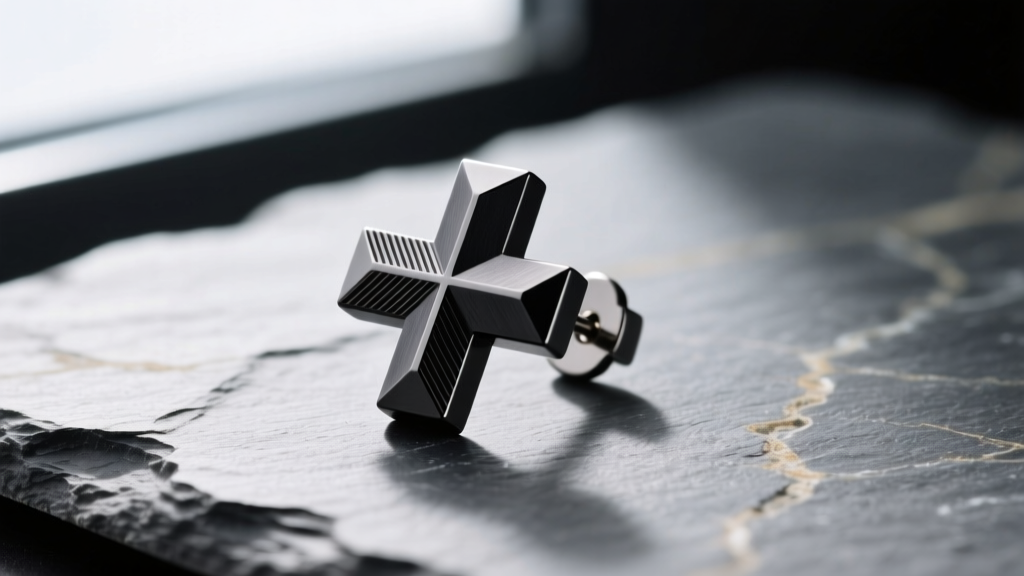
The Evolution of Men's Cross Earrings in 2026
The landscape of men's jewelry has undergone a massive transformation. As we navigate the 2026 jewelry market, cross earrings for men remain a foundational staple, bridging the gap between streetwear edge and refined luxury. However, the modern consumer is no longer satisfied with mere aesthetics; today's buyers demand metallurgical integrity, skin safety, and long-term durability. Whether you are opting for a subtle 14k gold stud or an articulated titanium dangle, understanding the material properties of your jewelry is critical to avoiding allergic reactions, premature tarnishing, and structural failure.
The Metallurgy of Men's Jewelry: Why Material Matters
The human ear is a highly sensitive environment. The earlobe and cartilage are constantly exposed to sweat, sebum, and environmental pollutants, which act as electrolytes and catalysts for chemical reactions. When subpar metals are introduced to this environment, the results range from annoying green discoloration to severe contact dermatitis. According to the Mayo Clinic, nickel allergy is one of the most common causes of allergic contact dermatitis, affecting up to 10% of the population. Because many cheap fashion earrings use nickel as a hardening agent or base metal, selecting the correct alloy is not just a matter of luxury—it is a matter of biological compatibility.
Understanding Gauge Sizes and the "Cheese-Cutter" Effect
Before diving into specific metals, we must address the structural relationship between material density and wire gauge. Standard men's lobe piercings are typically performed at 20G (0.81mm) or 18G (1.02mm). Cartilage piercings, such as the helix or daith, often utilize 16G (1.29mm) or 14G (1.63mm). When selecting cross earrings for men, the weight of the pendant must be balanced against the gauge of the post or wire. A heavy, solid 18k gold cross suspended on a thin 20G wire will create downward pressure that can lead to tissue migration, commonly known in the body modification community as the "cheese-cutter effect." For heavier dangle or drop cross designs, always ensure the structural wire is at least 16G, or opt for lightweight metals like titanium to reduce lobe strain.
Comprehensive Metal Comparison Chart
To help you navigate the options, we have compiled a data-driven comparison of the most common metals used in high-quality men's cross earrings.
| Material | Ideal Grade | Nickel-Free? | Tarnish Resistance | Avg. Price Range |
|---|---|---|---|---|
| Titanium | ASTM F136 | Yes | Excellent | $40 - $150 |
| Stainless Steel | 316L / 904L | No (Trace) | Very Good | $15 - $60 |
| Yellow Gold | 14K / 18K | Depends on Alloy | Good | $150 - $800+ |
| White Gold | 14K / 18K (Palladium) | Yes (if Pd-based) | Good (Requires Rhodium) | $200 - $900+ |
| Tungsten Carbide | YG6X | Yes | Excellent | $25 - $80 |
Deep Dive: Top 3 Metals for Cross Earrings

1. Implant-Grade Titanium (ASTM F136)
Titanium is the undisputed king of hypoallergenic jewelry, but not all titanium is created equal. Commercial pure titanium (ASTM B265) is often too soft for intricate threading or durable clasps. For premium cross earrings, you must look for ASTM F136 (Ti-6Al-4V ELI), which is the exact implant-grade alloy used in medical joint replacements. Brands like Body Vision Los Angeles (BVLA) utilize this grade because it is completely nickel-free, highly resistant to corrosion, and boasts an exceptional strength-to-weight ratio. This makes ASTM F136 titanium the perfect material for larger, articulated cross dangles that would otherwise be too heavy in steel or gold. Furthermore, titanium can be anodized to create vibrant, permanent colors—such as deep blacks or gunmetal grays—without the use of toxic paints or platings that eventually chip.
2. Surgical Stainless Steel (316L vs. 904L)
Stainless steel remains the most accessible and budget-friendly option for men's cross earrings, but buyers must understand its limitations. The industry standard is 316L stainless steel (the "L" stands for low carbon), which offers excellent tarnish resistance and a high-polish finish. However, 316L contains roughly 8-10% nickel. While the nickel is generally bound within the alloy matrix and safe for fully healed piercings, it can still trigger reactions in highly sensitive individuals or cause complications in fresh piercings. The Association of Professional Piercers (APP) strictly advises against using steel in unhealed tissue. For a premium steel alternative, look for 904L stainless steel, famously used by Rolex. It contains higher levels of chromium and molybdenum, offering superior resistance to pitting corrosion from chlorides (like sweat and seawater), though it comes at a higher price point.
3. Solid Gold (14K vs. 18K Yellow and White)
Gold is the traditional hallmark of luxury, but pure 24k gold is far too soft for daily-wear earrings. Therefore, it is alloyed with other metals for strength. 14K gold (58.5% pure gold) is generally recommended for men's jewelry because its higher copper and silver content makes it significantly harder and more resistant to scratching and bending than 18K. According to the Gemological Institute of America (GIA), the specific alloy mix dictates both the color and the skin safety of the piece. When purchasing white gold cross earrings, ensure the alloy is palladium-based rather than nickel-based. Many mass-market white gold earrings are alloyed with nickel and then plated with rhodium to achieve a bright white finish. Once the rhodium wears off (usually within 6 to 12 months of daily wear), the underlying nickel is exposed to the skin, leading to severe allergic reactions.
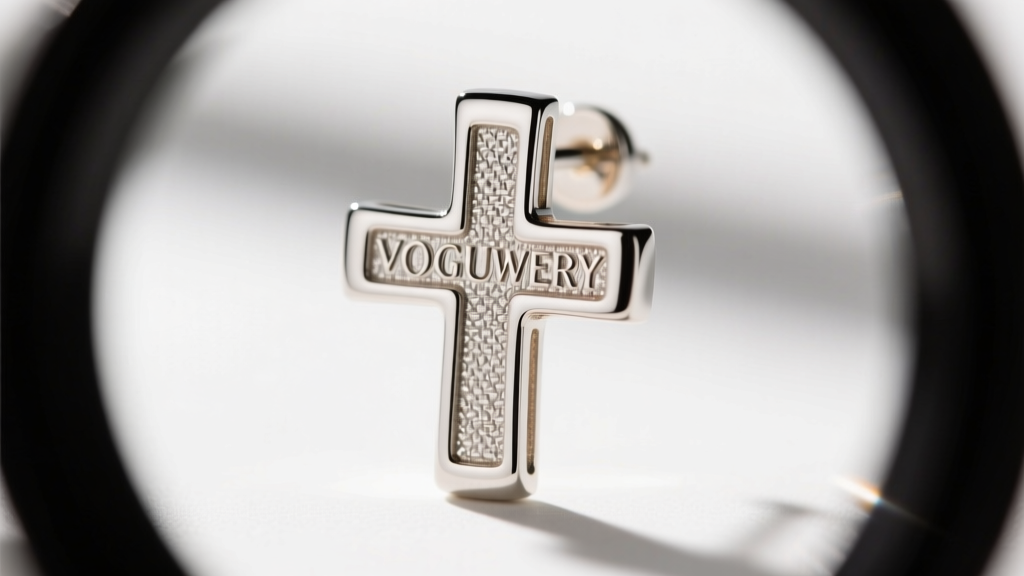
Metals to Avoid: The Allergy and Tarnish Traps
To protect your piercings and your investment, strictly avoid the following materials when shopping for cross earrings:
- "Tibetan Silver" or Mystery Alloys: Often sold in fast-fashion outlets, these are rarely actual silver. They are typically zinc, copper, or brass alloys that may contain dangerous levels of lead and nickel. They oxidize rapidly, turning the earlobe black or green.
- Gold-Plated Brass: While the initial gold layer may be safe, brass is highly porous and reactive. Once the microscopic gold layer wears down from friction, sweat acts as an electrolyte, causing rapid galvanic corrosion that ruins both the earring and the surrounding skin.
- Sterling Silver (925) for Fresh Piercings: While sterling silver is fine for fully healed, dry earlobes, it contains 7.5% copper. When exposed to the moisture and enzymes of a healing piercing, the copper reacts and can cause localized argyria (a permanent gray/blue staining of the skin tissue).
Maintenance and Care by Material Type
Proper maintenance extends the lifespan of your earrings and keeps the piercing channel healthy. Tailor your cleaning routine to the specific metal:
Expert Tip: Never use harsh chemicals like bleach, acetone, or rubbing alcohol on your earrings. These can degrade the structural integrity of certain alloys and strip protective rhodium platings from white gold.
- Titanium & Tungsten: Virtually maintenance-free. A simple wash with warm water and mild, fragrance-free antibacterial soap is all that is needed to remove sebum buildup.
- Stainless Steel: Can be cleaned with a microfiber cloth and a dedicated jewelry polishing compound to remove micro-scratches and restore the mirror finish.
- Solid Gold: Soak in a solution of warm water and a few drops of mild dish soap for 15 minutes, then gently brush with an extra-soft baby toothbrush to dislodge dead skin cells trapped in the crevices of the cross design. Ultrasonic cleaners are safe for solid yellow gold but should be avoided for white gold or gold with porous gemstone accents like turquoise or opals.
Final Verdict: Matching Metal to Lifestyle
Choosing the right cross earrings for men ultimately comes down to aligning material properties with your daily lifestyle. If you lead an active lifestyle, spend time in the ocean, or have a known nickel allergy, ASTM F136 Implant-Grade Titanium is your undisputed best choice, offering unparalleled durability and biological inertness. For those seeking a classic, luxurious aesthetic for professional or formal settings, a 14K Palladium-based White Gold or 14K Yellow Gold cross provides the perfect balance of prestige, scratch resistance, and long-term value. Avoid the trap of cheap fashion alloys; investing in metallurgically sound jewelry ensures your style remains sharp, and your piercings remain healthy, for decades to come.


