Kohl's Earrings Studs: 2026 Material Comparison Guide
Discover the truth behind Kohl's earrings studs. We compare metals, plating thickness, and gemstones to help you avoid allergies and tarnish.

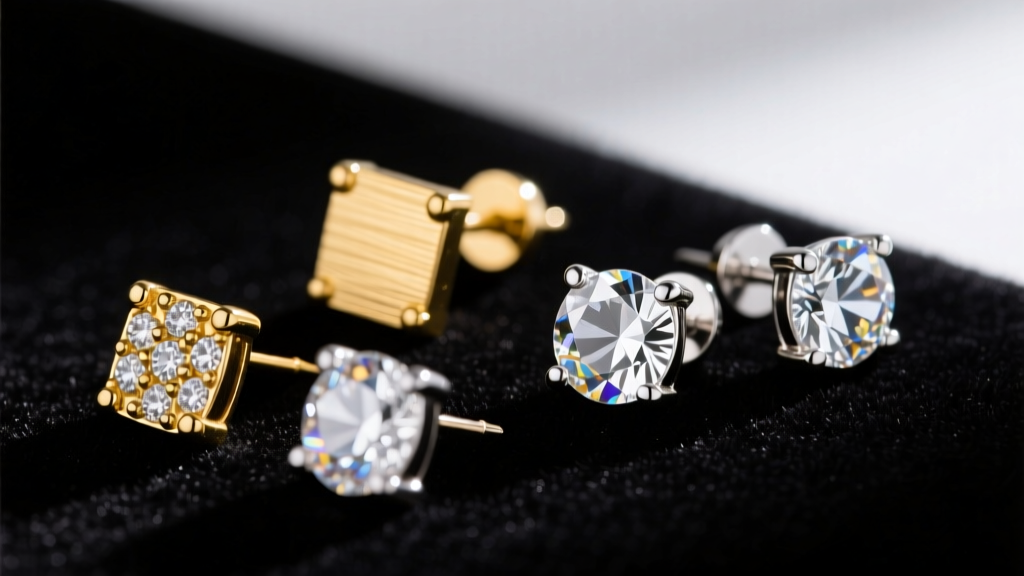
When building a versatile jewelry collection on a budget, department store options often dominate the conversation. Specifically, Kohl's earrings studs have become a staple for shoppers leveraging seasonal sales and Kohl's Cash to acquire trendy, accessible pieces. However, as we navigate the 2026 retail landscape, the gap between aesthetic appeal and metallurgical reality has never been more critical to understand. While the visual sparkle of a display case is enticing, the true value of any earring lies in its material composition, gauge thickness, and long-term wearability.
For consumers with sensitive skin or those seeking everyday staples, understanding what actually goes into mass-market department store jewelry is essential. This comprehensive guide breaks down the exact materials, alloy grades, and gemstone properties you will encounter when shopping for Kohl's earrings studs, providing you with the expertise to separate genuine value from disposable fashion accessories.
The Core Metals Behind Kohl's Earrings Studs
The foundation of any stud earring is its base metal and surface finish. Kohl's typically carries a mix of in-house brands and licensed fashion jewelry lines, which rely on three primary metal categories. Understanding the metallurgical properties of these categories will dictate how long your earrings last before tarnishing or causing contact dermatitis.
Sterling Silver (The .925 Standard)
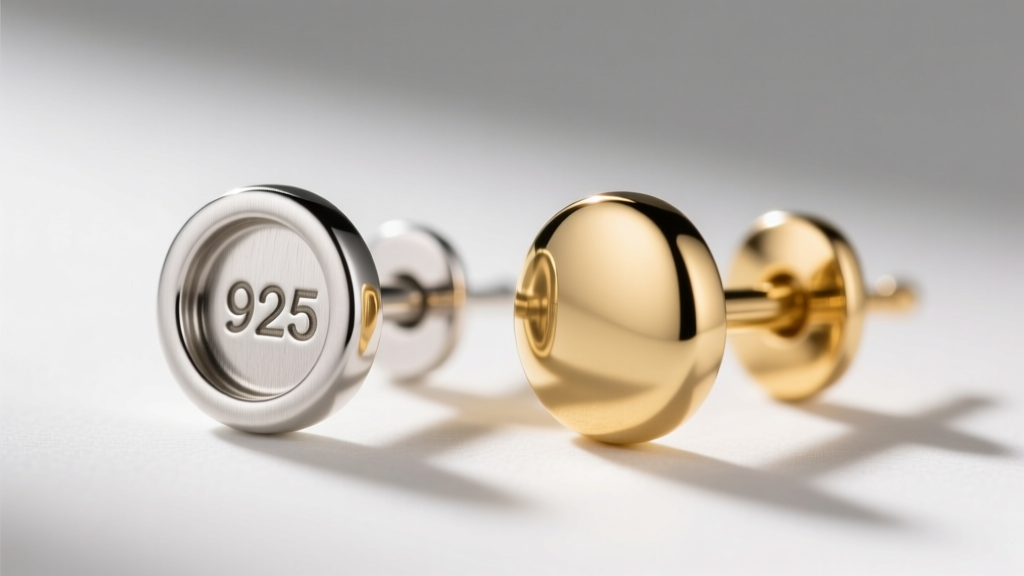
Genuine sterling silver is a hallmark of mid-tier jewelry. By definition, .925 sterling silver consists of 92.5% pure silver and 7.5% alloy metals, usually copper. The copper is necessary to give the soft silver enough structural integrity to hold a gemstone setting and maintain a rigid post. However, this copper content is precisely why sterling silver oxidizes and tarnishes when exposed to sulfur in the air and the natural pH of your skin. When purchasing sterling silver Kohl's earrings studs, always look for the "925" stamp on the post. While highly durable, these will require occasional polishing with a specialized jeweler's cloth to maintain their luster.
Gold-Plated Brass vs. Gold Vermeil
It is vital to distinguish between standard gold plating and gold vermeil. Many affordable studs at Kohl's are made from a brass or copper base metal that is "flash-plated" with gold. This plating is typically less than 0.5 microns thick. Once this microscopic layer wears away from friction against the earlobe, the underlying brass is exposed, leading to green skin discoloration and rapid degradation. Gold vermeil, on the other hand, requires a sterling silver base and a minimum gold thickness of 2.5 microns. While Kohl's does occasionally carry vermeil pieces in their premium collections, the vast majority of their gold-toned studs are standard plated brass, which should be treated as temporary fashion accessories rather than permanent wardrobe staples.
Surgical Stainless Steel (316L Grade)
Often marketed broadly as "hypoallergenic," surgical stainless steel (specifically the 316L grade) is a popular choice for affordable, durable studs. It is highly resistant to tarnish and corrosion. However, 316L steel still contains trace amounts of nickel (typically between 8% and 10.5%). For the majority of the population, the nickel is bound tightly within the steel matrix and causes no issues. But for individuals with severe nickel contact dermatitis, even these trace amounts can trigger an allergic response over prolonged wear.
Material Properties & Wearability Matrix
To help you make informed purchasing decisions, we have compiled a comparative matrix of the most common materials found in department store stud earrings. This data reflects average specifications for mass-market retail jewelry in 2026.
| Material Type | Base Metal | Plating Thickness | Tarnish Risk | Hypoallergenic Score | Typical Price Range |
|---|---|---|---|---|---|
| .925 Sterling Silver | Silver/Copper Alloy | N/A (Solid) | Medium (Oxidizes) | High (Nickel-Free) | $25 - $60 |
| Gold Vermeil | .925 Sterling Silver | 2.5+ Microns | Low | High | $45 - $90 |
| Flash Gold-Plated | Brass or Zinc Alloy | <0.5 Microns | Very High | Low (High Allergy Risk) | $12 - $30 |
| Surgical Steel (316L) | Iron/Chromium/Nickel | N/A (Solid) | Very Low | Medium (Trace Nickel) | $15 - $40 |
Navigating Allergies: Posts, Backings, and Gauge Sizes
One of the most overlooked aspects of buying Kohl's earrings studs is the anatomy of the earring post and the friction backing. The standard gauge size for fine jewelry stud posts is 18-gauge (1.02mm) or 16-gauge (1.29mm). However, mass-market fashion studs frequently utilize much thinner 20-gauge (0.81mm) or even 22-gauge (0.64mm) posts to save on metal costs.
The Hidden Danger of Butterfly Backings
Even if the post of the earring is crafted from high-quality, nickel-free sterling silver, the butterfly friction backing provided in the packaging is often made from cheap base metal with a microscopic silver-colored plating. Because the backings press tightly against the back of the earlobe—an area prone to sweat and moisture—the plating quickly wears off, exposing nickel-heavy alloys directly to the skin. Expert Tip: Immediately discard the stock metal backings that come with department store studs and replace them with medical-grade silicone O-rings or hypoallergenic titanium friction backs to eliminate posterior lobe irritation.
Micro-Scratches and Bacterial Harbors
The thinner 22-gauge posts found in budget studs are highly susceptible to bending. When a thin post bends and is subsequently straightened, it creates microscopic stress fractures and scratches in the metal. These tiny grooves become perfect harbors for bacteria and dead skin cells, which can lead to localized earlobe infections, even if you do not have a metal allergy. According to guidelines from the Jewelers of America, regular cleaning of earring posts with isopropyl alcohol is necessary, but replacing bent, thin-gauge posts is the only permanent solution for recurring irritation.
Gemstone & Setting Materials in Kohl's Studs
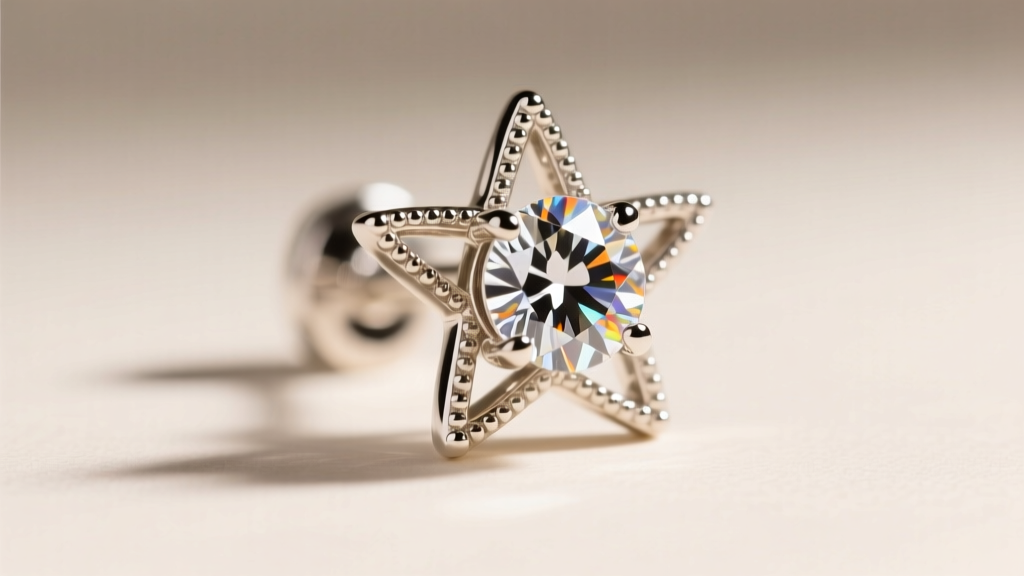
The sparkle of a stud earring is dictated by its center stone and the precision of its setting. Kohl's primarily features three categories of gemstones in their stud collections: Cubic Zirconia (CZ), Swarovski-style cut crystal, and occasionally lab-created diamonds in their fine jewelry concessions.
Cubic Zirconia vs. Lab-Created Diamonds
Cubic Zirconia is a synthetic crystalline substance that is optically flawless and boasts a high refractive index, giving it impressive initial sparkle. However, CZ ranks at 8 to 8.5 on the Mohs hardness scale. Over time, daily wear, exposure to lotions, and friction will cause CZ to accumulate microscopic surface scratches, leading to a cloudy, dull appearance. Lab-created diamonds, conversely, possess the exact same physical and chemical properties as mined diamonds, ranking at a perfect 10 on the Mohs scale. As detailed by the Gemological Institute of America (GIA), lab diamonds will never scratch or cloud from daily wear, making them a vastly superior investment for permanent everyday studs, even if they carry a higher price tag in the department store display.
Casting Quality and Prong Integrity
In mass-market jewelry, settings are typically created through rubber mold casting rather than precision CNC machining. This means the prongs holding the gemstone are often slightly porous and softer than fine jewelry prongs. When purchasing CZ or crystal studs from Kohl's, inspect the prongs under a macro lens or smartphone zoom. If the prongs appear uneven, overly thin, or lack a smooth bezel tip over the stone's girdle, the earring is at a high risk of losing its stone within the first few months of wear.
Expert Verdict: Maximizing Value at Kohl's
Shopping for Kohl's earrings studs requires a strategic approach. The department store excels at providing trendy, seasonal silhouettes and accessible sterling silver basics, particularly when stacked with promotional discounts. To maximize your investment, strictly filter your purchases for solid .925 sterling silver or verified gold vermeil over a silver base. Avoid flash-plated brass entirely if you intend to wear the studs more than a few times a month.
Furthermore, always factor in the hidden costs of maintenance: swapping out cheap metal backings for silicone alternatives, purchasing a high-quality silver polishing cloth, and routinely checking cast prongs for structural integrity. By applying these metallurgical insights, you can successfully navigate the department store jewelry counter and build a resilient, skin-friendly collection that outlasts the fleeting trends of the season.


