How to Style the Painting of Woman with Pearl Earring Aesthetic
Learn how to recreate the iconic painting of woman with pearl earring aesthetic with our expert guide on pearl grading, lobe support, and styling.

Decoding the Iconic Jewel: What Kind of Pearl Was It?
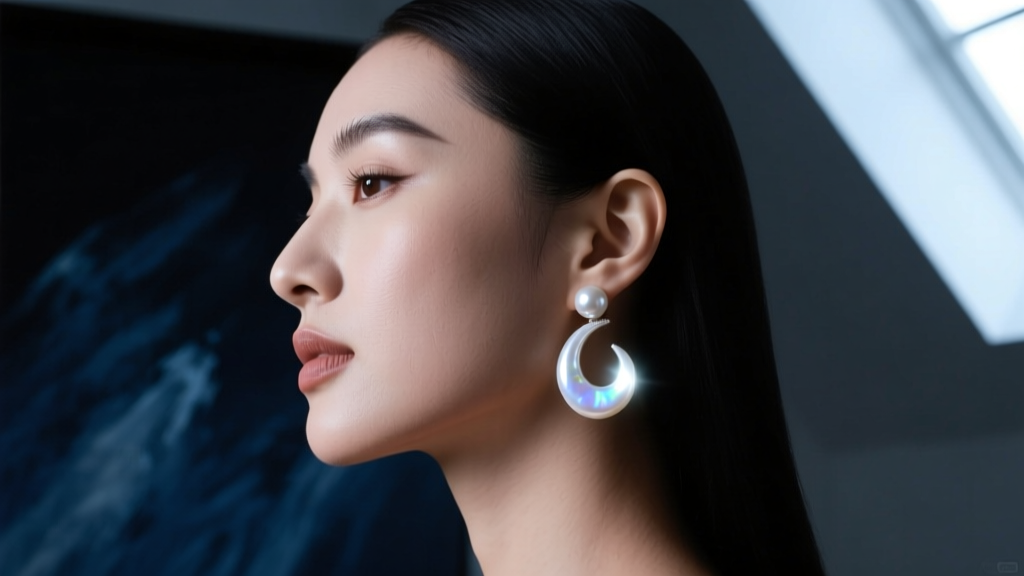
Johannes Vermeer’s 17th-century masterpiece, universally recognized and frequently searched as the painting of woman with pearl earring, features a singular, mesmerizing piece of jewelry that catches the light and anchors the entire composition. But what exactly was that earring? Art historians and gemologists have debated its origins for decades. In the Dutch Golden Age, natural saltwater pearls of that depicted size (estimated between 14mm and 18mm) were astronomically rare and reserved for royalty. Many experts, including curators at the Mauritshuis Museum, suggest the jewel may have been a glass or tin imitation, or perhaps a polished stone, given the exaggerated specular highlight Vermeer painted on its surface.
However, to recreate this iconic aesthetic today, we do not need to rely on glass. Modern pearl cultivation allows us to source massive, luminous cultured pearls that perfectly mimic the painting's ethereal glow. Achieving this look requires more than just buying a large pearl; it demands a deep understanding of pearl grading, structural earring mechanics, and facial styling to capture that specific 'Vermeer light.'
Step 1: Sourcing the Perfect Pearl (Size, Luster, and Grade)
The defining characteristic of the earring in the painting of woman with pearl earring is its teardrop or slightly baroque round shape, combined with an intense, mirror-like luster. When evaluating pearls for this specific aesthetic, you must prioritize luster and size over perfect surface cleanliness. According to the Gemological Institute of America (GIA), luster is the most critical value factor in a pearl, dictating how sharply light reflects off the nacre layers.
To achieve the 14mm to 16mm diameter seen in the artwork, you have three primary options in the modern market. Below is a comparison of the best pearl types for recreating this specific historical look.
| Pearl Type | Average Size | Luster Quality | Price Range (Per Pair) | Best For |
|---|---|---|---|---|
| White South Sea | 10mm - 16mm | Satin to Mirror | $800 - $3,500+ | Heirloom quality, exact size match |
| Edison Freshwater | 11mm - 15mm | High to Very High | $60 - $250 | Budget-friendly, high color overtone |
| Majorica / High-End Faux | 12mm - 16mm | Extreme (Glass Core) | $150 - $400 | Historical accuracy (glass mimicry) |
Pro-Tip: If you choose a White South Sea pearl, look for a 'Silver' or 'Cool White' overtone rather than a deep cream or gold. The painting features a cool, northern European light, and a cool-toned pearl will reflect your environment much like the one in Vermeer's work.
Step 2: Selecting the Right Hardware and Post Gauge
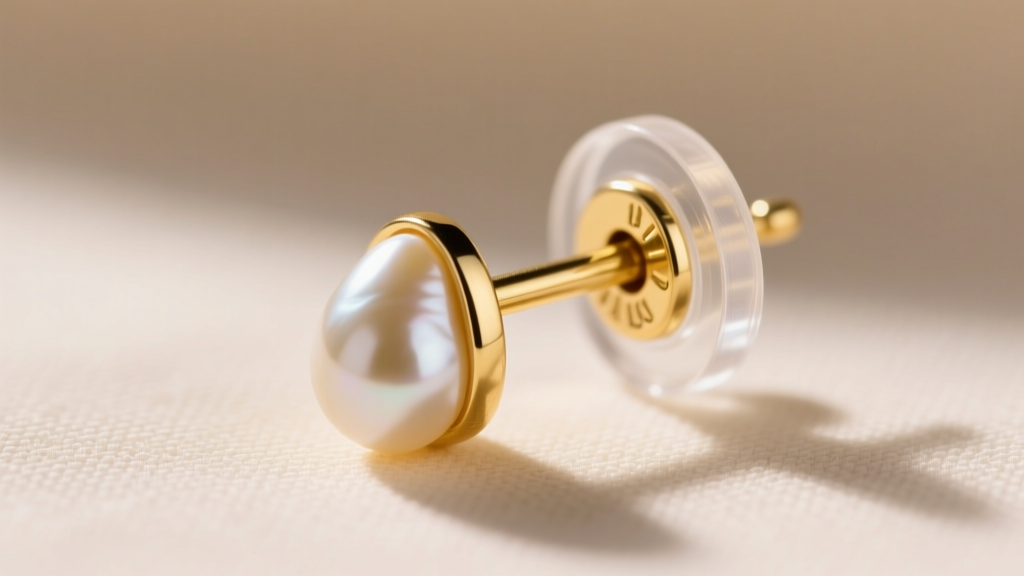
This is where most recreations fail. A 15mm South Sea pearl can weigh between 3.5 and 5.5 grams per earring. Standard commercial earrings are manufactured with 20-gauge (0.8mm) or 22-gauge (0.6mm) posts. When you hang a 5-gram pearl from a 22-gauge wire, the post acts as a fulcrum. The weight of the pearl pulls the bottom of the post forward, while the earring back digs into the back of your earlobe, causing the pearl to point downward rather than resting elegantly against the jawline.
The Gauge Solution
To ensure the pearl sits flush and catches the light properly, you must request or source settings with thicker posts.
- 18-Gauge (1.0mm): The minimum acceptable thickness for heavy drop pearls. Provides enough rigidity to prevent the pearl from drooping.
- 16-Gauge (1.2mm): Ideal for pearls exceeding 14mm. Note that you may need to have your ear piercings gently stretched by a professional to accommodate a 16G post comfortably.
- Setting Type: Avoid delicate shepherd hooks or thin French wires. Opt for a sturdy post-and-clutch or a leverback setting with a reinforced soldered loop.
Step 3: Preventing Lobe Droop and Tissue Damage
Wearing heavy, statement-sized pearls for extended periods can lead to 'lobe droop'—a permanent stretching of the fistula (the piercing hole). To wear the painting of woman with pearl earring aesthetic safely and comfortably, you must utilize modern structural supports.
"The structural integrity of an earlobe is finite. Repeated stress from heavy gems like 15mm pearls causes micro-tears in the collagen matrix of the tissue, leading to irreversible elongation over time."
Essential Support Tools
- Silicone Bullet Backs: Replace standard metal butterfly backs with wide, flat silicone discs. These distribute the 5-gram weight across a wider surface area on the back of the lobe.
- Adhesive Lobe Patches: Products like Lobe Wonder are small, sticky polyurethane patches that adhere to the back of the earlobe. The earring post goes through the patch, transferring the weight of the pearl from the delicate piercing hole to the broader, stronger skin of the ear.
- La Pousette Locking Backs: These mechanical, spring-loaded backs lock onto a specially grooved post, ensuring that the heavy pearl cannot pull the backing loose throughout the day.
Step 4: Achieving the 'Vermeer Lighting' Effect
The magic of the painting of woman with pearl earring is not just the jewelry; it is the interplay of shadow, light, and styling. Vermeer used a technique called chiaroscuro (strong contrasts between light and dark) to make the pearl appear as though it were glowing from within. You can replicate this optical illusion through strategic styling and lighting awareness.
Hair and Wardrobe Framing
To maximize the visual impact of a large pearl, the surrounding canvas must be uncluttered.
- The Hair Tuck: Sweep your hair up or tuck it strictly behind the ear on the side the pearl is worn. The pearl needs the dark, contrasting background of your neck or a dark garment to make its white nacre 'pop' visually.
- The Collarbone Rule: Wear garments with deep V-necks, square necklines, or off-the-shoulder cuts. High collars or ruffled necklines compete with the pearl and destroy the minimalist aesthetic of the 17th-century Dutch portrait style.
Chasing the Directional Light
Pearls are essentially thousands of layers of translucent nacre. They do not sparkle like diamonds; they glow by absorbing and refracting ambient light. To mimic the painting, position yourself so that a single, soft, directional light source (like a large window or a softbox) hits your face from a 45-degree angle. This leaves the opposite side of your face in soft shadow, while the pearl, sitting at the terminus of the jawline, catches the primary beam of light, creating that famous, singular specular highlight.
Final Thoughts on the Aesthetic
Recreating the look of the painting of woman with pearl earring is an exercise in balancing historical romance with modern gemological science. By selecting a high-luster 14mm+ pearl, upgrading your post gauge to 18G or 16G, utilizing silicone lobe supports, and mastering directional lighting, you can safely and stunningly bring this 350-year-old masterpiece into your modern jewelry rotation.