How to Choose Light Green Earrings: A Buyer's Guide
Discover how to choose the perfect light green earrings. Compare peridot, tsavorite, and chrysoprase, plus metal pairings and care tips.

The Renaissance of Light Green Earrings
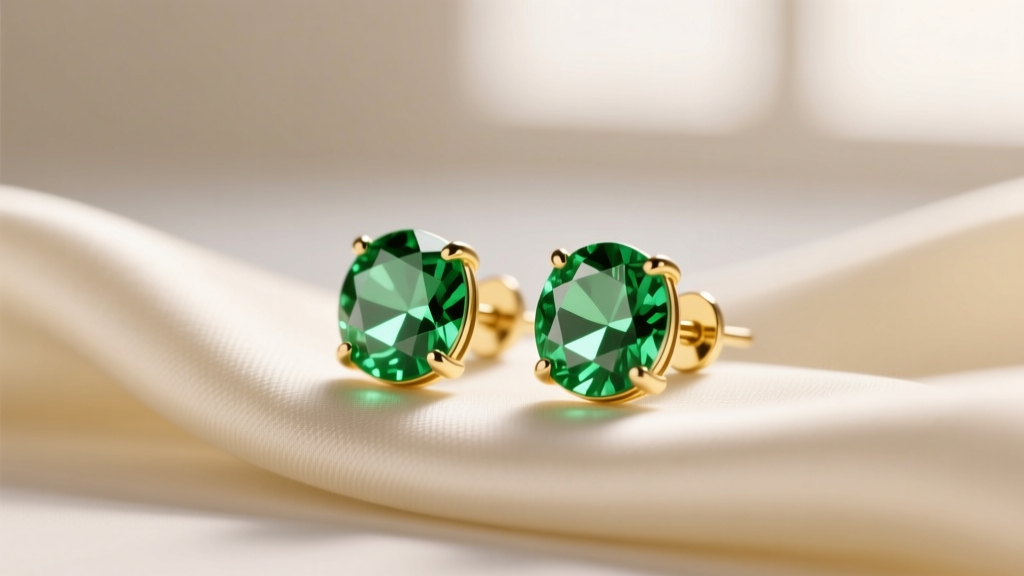
As jewelry trends in 2026 continue to pivot toward nature-inspired palettes and quiet luxury, light green earrings have solidified their place as a wardrobe essential. Unlike the aggressive brightness of emerald or the deep forest tones of tourmaline, light green gemstones offer a versatile, ethereal quality that flatters virtually every skin undertone. However, the market is flooded with simulants, treated stones, and misidentified minerals. This comprehensive buyer’s guide will help you navigate the gemological nuances, metal pairings, and structural considerations required to invest in high-quality light green earrings.
Decoding Light Green Gemstones: What Are You Actually Buying?
The term "light green" spans several distinct mineral families. Understanding the gemological properties of these stones is critical for assessing value, durability, and long-term wearability.
Peridot: The Idiochromatic Classic
Peridot is one of the few gemstones that is idiochromatic, meaning its light green to yellowish-green color is derived from its basic chemical composition (iron) rather than trace impurities. When shopping for peridot earrings, look for stones with high clarity. According to the Gemological Institute of America (GIA), peridot often contains characteristic "lily pad" inclusions—stress fractures that resemble the aquatic plant. While minor inclusions are acceptable in larger drop earrings, stud earrings should feature eye-clean stones to maximize light return.
Tsavorite Garnet: The High-Refraction Luxury Pick
For buyers seeking brilliance and rarity, tsavorite garnet is the premier choice. Colored by trace amounts of vanadium and chromium, tsavorite possesses a higher refractive index than peridot, resulting in superior sparkle. In 2026, ethically sourced tsavorite from the Tsavo region of Kenya remains highly coveted. Because tsavorite is rarely found in sizes above three carats, it is most commonly utilized in delicate huggie hoops, micro-pavé studs, and clustered drop designs. You can explore its specific gemological profile via the GIA’s Tsavorite database.
Chrysoprase: The Opaque Alternative
If you prefer a smooth, opaque finish over faceted brilliance, chrysoprase is a cryptocrystalline variety of chalcedony colored by nickel. It yields a soft, apple-green hue that is highly sought after for cabochon cuts and bezel-set earrings. Buyer Warning: Chrysoprase is photosensitive. Prolonged exposure to direct sunlight or intense heat can cause the stone to fade or dry out, making it better suited for occasional evening wear rather than everyday outdoor use.
Metal Pairings: Enhancing the Green Hue
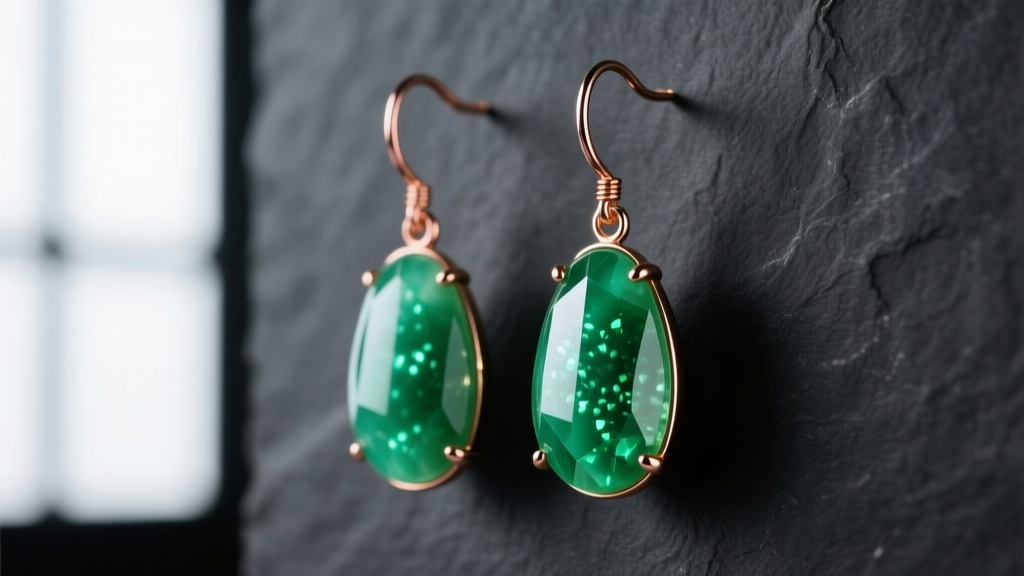
The metal you choose acts as a reflective canvas for your light green earrings. The wrong alloy can wash out a delicate stone, while the right one can amplify its natural saturation.
- 14k or 18k Yellow Gold: The warm, buttery tones of yellow gold harmonize beautifully with the yellowish secondary hues found in peridot and prehnite. This is the most traditional and universally flattering pairing.
- Rose Gold: The copper content in rose gold creates a striking complementary contrast with light green. This pairing is particularly effective for opaque stones like chrysoprase or light green jade, giving the earrings a vintage, romantic aesthetic.
- White Gold or Platinum: These cool-toned metals provide an "icy" backdrop that enhances the crispness of tsavorite and chrome diopside. However, ensure the white gold is rhodium-plated, as the underlying yellowish alloy can sometimes reflect through and muddy the light green color.
Structural Integrity: Gauge Sizing and Piercing Types
A common oversight when buying earrings online is ignoring the post or wire gauge. Light green gemstones are often set in delicate mountings, making the structural integrity of the metal post paramount.
| Piercing Location | Standard Gauge Size | Recommended Earring Style | Metal Thickness (mm) |
|---|---|---|---|
| Standard Earlobe | 20G or 18G | Butterfly-back studs, fishhook drops | 0.81mm - 1.02mm |
| Helix / Cartilage | 16G or 18G | Clicker huggies, flat-back labrets | 1.02mm - 1.20mm |
| Tragus / Conch | 16G | Threadless push-pin studs | 1.20mm |
Pro Tip: If you are buying light green huggie earrings for a healed cartilage piercing, verify the inner diameter (ID). A standard 8mm ID huggie will fit a lobe perfectly but may be too tight for a thicker helix fold, where a 10mm ID is often required.
Pricing & Value Matrix (2026 Market Estimates)
Understanding the price-per-carat metrics will protect you from inflated retail markups. Below is a baseline matrix for light green gemstones set in solid 14k gold earrings.
| Gemstone | Mohs Hardness | Avg. Price Per Carat | Value Retention |
|---|---|---|---|
| Peridot (Faceted) | 6.5 - 7.0 | $50 - $150 | Moderate |
| Tsavorite Garnet | 7.0 - 7.5 | $800 - $2,500+ | High |
| Chrysoprase (Cabochon) | 6.5 - 7.0 | $20 - $60 (per piece) | Low |
| Green Cubic Zirconia | 8.0 - 8.5 | N/A (Flat rate $15-$40) | None |
Care and Maintenance: Preserving the Pastel
Light green gemstones require specific care protocols to maintain their optical clarity and structural integrity over time.
Gemologist’s Warning: Never place peridot or tsavorite earrings in an ultrasonic cleaner. The high-frequency vibrations can exacerbate natural stress fractures, leading to catastrophic stone failure. Furthermore, avoid steam cleaners, as sudden thermal shock can cause these specific gems to crack.
For routine cleaning of your light green earrings, use a lukewarm solution of distilled water and a few drops of pH-neutral dish soap. Gently agitate the water, submerge the earrings for three minutes, and use a soft-bristled infant toothbrush to lightly sweep the pavilion (the underside of the stone) where sebum and cosmetic residue accumulate. Dry immediately with a lint-free microfiber cloth to prevent water spots on the metal setting.
Final Verdict: Making the Right Choice
Selecting the ideal pair of light green earrings ultimately depends on your lifestyle and budget. For everyday lobe studs that offer vibrant color without breaking the bank, peridot set in 14k yellow gold remains the undisputed champion. If you are curating a high-end cartilage stack and require maximum brilliance and rarity, invest in tsavorite garnet huggies. Finally, for those who favor bohemian or artisanal aesthetics, chrysoprase drops in matte rose gold provide an organic, earthy appeal. By prioritizing gemological accuracy, correct gauge sizing, and appropriate metal pairings, your light green earrings will remain a luminous staple in your collection for decades to come.


