How Much Are Claire's Earrings? 2026 Price & Trend Analysis
Discover how much Claire's earrings cost in 2026. We analyze pricing tiers, material safety, gauge sizes, and Y2K trend value for smart shopping.

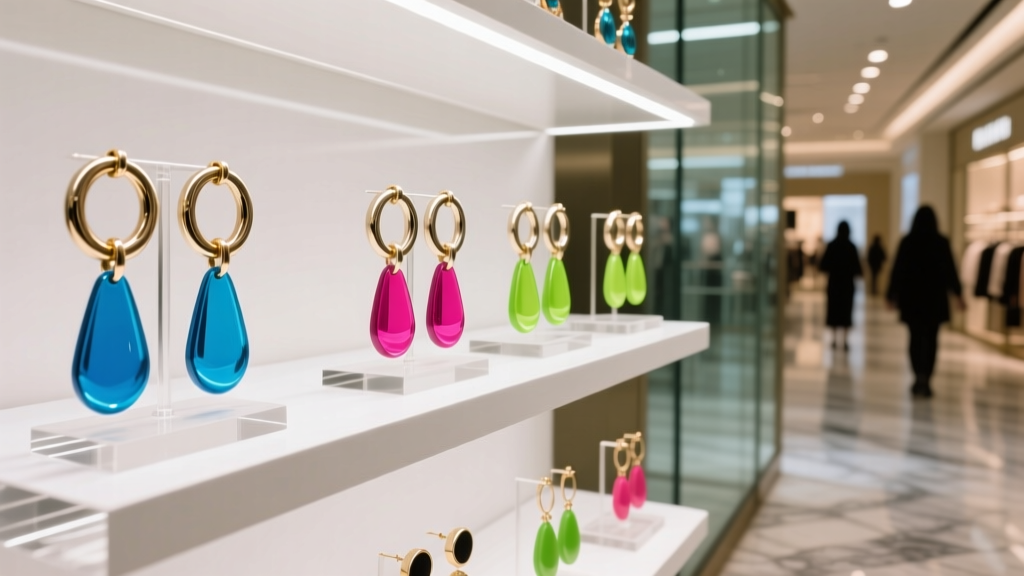
The Real Cost: How Much Are Claire's Earrings in 2026?
When browsing the mall or shopping online, a common question among teens, parents, and nostalgic adults alike is: how much are Claire's earrings? If you have ever typed how much are claires earrings into a search engine, you likely noticed prices ranging anywhere from $3 to $60. In 2026, the pricing structure at this iconic accessory retailer remains highly tiered, catering to everyone from young children getting their first piercings to Gen Z shoppers hunting for Y2K-inspired statement pieces. However, the sticker price is only one part of the equation. To truly understand the value, we must break down the cost per wear, material integrity, and current trend relevance.
| Category | Price Range (2026) | Material Base | Best For |
|---|---|---|---|
| Basic Fashion Studs | $4.99 - $9.99 | Brass / Zinc Alloy | Short-term wear, costume styling |
| Multipacks (e.g., 7-day sets) | $12.99 - $18.99 | Mixed Base Metals | Daily rotation, travel sets |
| Sterling Silver Line | $16.99 - $24.99 | 925 Sterling Silver | Sensitive ears, everyday basics |
| Piercing Starter Kits | $29.99 - $59.99 | Surgical Steel / Titanium | Initial lobe piercings (includes service) |
| Trend Statement Pieces | $14.99 - $22.99 | Acrylic / Resin / Plated | Events, festival wear, social media |
As the table illustrates, the entry price for fashion jewelry is remarkably low, making it highly accessible. However, the Piercing Starter Kits represent the highest margin for the retailer. Priced between $29.99 and $59.99, these kits include the piercing service, a pair of 'surgical steel' or titanium studs, and a bottle of aftercare saline solution. While the upfront cost seems reasonable compared to a professional studio's $60–$120 fee, the hidden costs regarding healing times and material safety must be factored into your decision.
Material Breakdown: What You Are Actually Buying
To evaluate if the price is justified, we have to look at the metallurgy. Mall-brand jewelry relies heavily on base metals that are electroplated with a microscopic layer of gold or rhodium.
The 'Surgical Steel' Myth and Nickel Allergies
Claire's frequently markets their piercing studs as 'surgical steel.' In the body jewelry industry, this usually refers to 316L stainless steel. While 316L is safe for many, it still contains trace amounts of nickel. According to the American Academy of Dermatology, nickel is the most common cause of allergic contact dermatitis. If you have a known nickel allergy, standard mall-brand surgical steel will likely cause itching, redness, and weeping of the earlobe. For sensitive ears, you must specifically seek out their ASTM F-136 implant-grade titanium options, which are occasionally stocked in premium lines but are not the default for standard piercing kits.
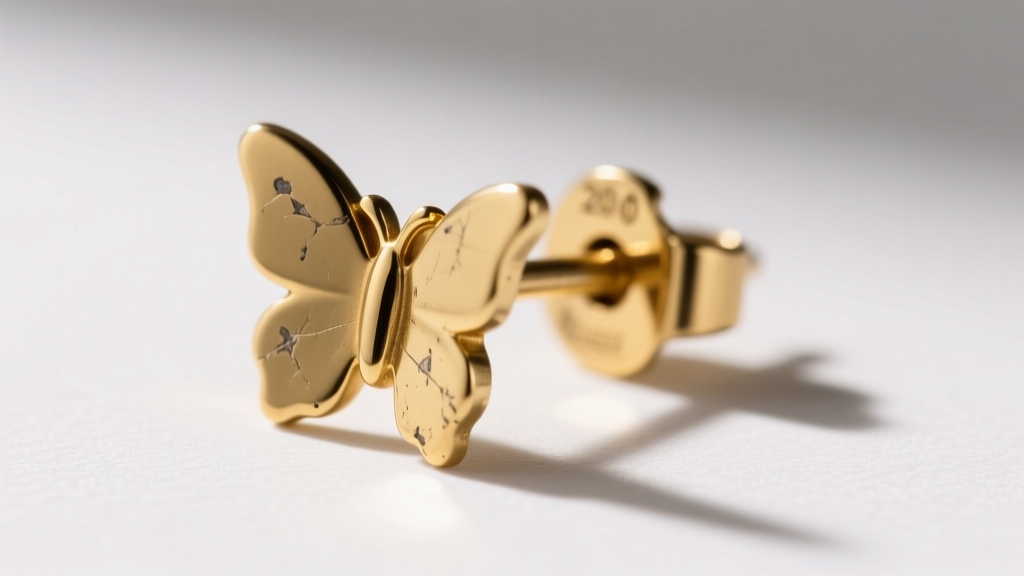
Gold-Plated vs. Solid Gold Failure Modes
The $14.99 gold-toned charm hoops are undeniably trendy, but their failure mode is rapid galvanic corrosion. Once the thin gold plating wears off from friction and exposure to the acidic pH of human sweat, the underlying brass or zinc alloy oxidizes quickly. This results in the dreaded 'green ear' effect. For $15, you are paying for a 3-to-6-month lifespan of wear before the piece degrades. Compare this to a $150 pair of solid 14k gold hoops from a specialized jeweler, which offers a lifetime cost-per-wear of pennies.
Piercing Gun vs. Professional Needle: The Hidden Cost
No analysis of this retailer is complete without addressing their piercing methodology. The cost of the piercing kit is heavily subsidized by the retailer to drive foot traffic, but the mechanical reality of the piercing gun carries significant anatomical costs.
"Piercing guns are essentially blunt force trauma devices. They force a relatively dull stud through the tissue, which can cause crushing, scarring, and prolonged healing times compared to a sharp, hollow medical needle." — Association of Professional Piercers (APP)
Gauge Size Discrepancies
One of the most critical, yet overlooked, technical details is the gauge (thickness) of the jewelry used.
- Claire's Piercing Gun Studs: Typically 20-gauge (0.81mm) or 18-gauge (1.0mm).
- Professional Needle Piercing: Standard lobe piercings are usually done at 16-gauge (1.2mm) or 14-gauge (1.6mm).
Why does this matter? A 20-gauge post is incredibly thin. If you later decide to hang heavy Y2K charm hoops or chunky resin drops from that piercing, the thin wire creates a 'cheese-cutter effect,' slowly slicing through the earlobe tissue under the weight. A 14-gauge needle piercing provides a robust, stable foundation that can support heavy fashion earrings safely for decades.
Trend Analysis: Which Styles Are Actually Worth It?
Despite the material caveats, Claire's remains an undisputed heavyweight in fast-fashion trend forecasting. In 2026, their design team continues to capitalize on micro-trends with impressive speed. Here is a style analysis of what is currently worth your money.
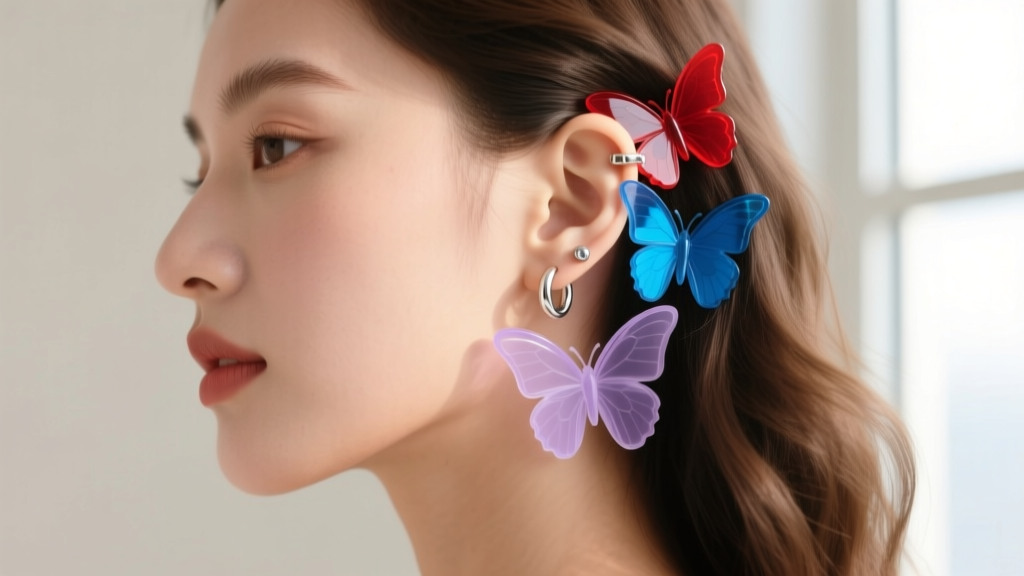
The Coquette and Balletcore Aesthetic
Ribbon motifs, faux-pearl drops, and delicate bow studs are dominating the 2026 accessory scene. Because these pieces are usually crafted from lightweight acrylics and enamel over base metal, they do not suffer from the 'heavy earring' failure mode. At $8.99 for a pair of enamel bow studs, the trend-to-cost ratio is excellent for seasonal styling.
Y2K Revival: Chunky Resin and Charm Hoops
The early 2000s revival has kept chunky, translucent resin hoops and charm-laden huggies in high demand. Claire's excels here because injection-molded acrylic is cheap to produce but visually striking on social media. However, buyers should opt for clip-on or hinged clicker styles rather than heavy fish-hook dangles, which can stretch the delicate 20-gauge lobe holes created by their piercing guns.
Final Verdict: Budget Fashion vs. Investment Pieces
So, how much are Claire's earrings really worth? If you are looking for a safe, long-term, hypoallergenic staple or a professional-grade piercing experience, the hidden costs of potential allergic reactions and tissue trauma make professional studios the superior investment.
However, if you are treating jewelry as an extension of your wardrobe—rotating through coquette bows, festival-ready acrylics, and nostalgic charm hoops on a weekly basis—the $5 to $20 price point is unmatched for accessibility and trend relevance.
Pro-Tips for Extending Mall-Brand Jewelry Lifespan
To maximize your ROI on base-metal fashion earrings, follow these expert care protocols:
- The Clear Coat Hack: Paint the posts of base-metal studs with a thin layer of clear nail polish before wearing. This creates a temporary barrier against sweat and prevents nickel leaching.
- Moisture Control: Never sleep, shower, or swim in gold-plated brass or zinc alloy earrings. Water accelerates the oxidation process exponentially.
- Proper Storage: Store your multipacks in individual ziplock bags with a silica gel packet to absorb ambient humidity and prevent premature tarnishing.
By understanding the exact materials, gauge limitations, and trend cycles behind the price tag, you can navigate the 2026 accessory market with confidence, curating a vibrant ear stack without compromising your ear health or your wallet.


