Boba Earring Materials: Acrylic vs Resin vs Enamel Guide
Discover the ultimate boba earring material comparison. We analyze acrylic, resin, and enamel properties, post safety, and 2026 pricing tiers.

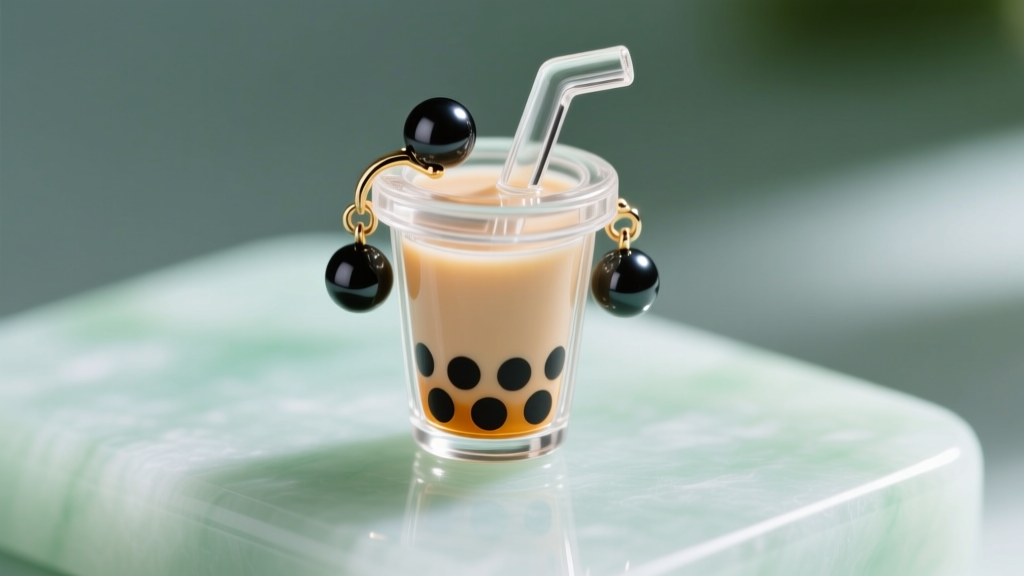
The kawaii jewelry sector has experienced a massive evolution over the last decade, transitioning from cheap, disposable novelties to highly curated accessory staples. At the center of this trend is the boba earring, a playful yet increasingly sophisticated motif that mimics the beloved bubble tea aesthetic. However, as the market has matured in 2026, so has the discernment of the consumer. The modern jewelry collector no longer accepts mystery metals and brittle plastics. Understanding the material science behind your favorite boba earring is critical for ensuring longevity, skin safety, and structural integrity.
Whether you are browsing for a subtle pearl-stud interpretation or a maximalist, oversized tapioca cup dangle, the base material dictates the earring's weight, UV resistance, and overall lifespan. This comprehensive guide breaks down the three dominant materials used in boba earring fabrication—acrylic, epoxy resin, and cold enamel—while exposing the hidden hardware dangers that often lead to contact dermatitis.
The Core Material Showdown: Acrylic vs. Resin vs. Enamel
When designers conceptualize a boba earring, they must balance visual translucency (to mimic real tapioca pearls and tea) with physical durability. The choice of medium fundamentally alters the manufacturing process, the final weight on the earlobe, and the retail price point. Below is a technical comparison matrix of the primary materials used in today's market.
| Material | Density (g/cm³) | Surface Hardness | UV Stability | Typical Price Tier |
|---|---|---|---|---|
| Cast Acrylic (PMMA) | 1.18 | Low (Prone to micro-scratches) | Excellent (UV inhibitors added) | $12 - $28 |
| Epoxy Resin | 1.15 - 1.20 | Medium (Self-healing minor scuffs) | Poor to Moderate (Yellows over time) | $25 - $55 |
| Cold Enamel on 925 Silver | 10.4 (Base Metal) | High (Vickers 150+) | Excellent (Pigment locked in resin) | $65 - $140+ |
Acrylic (PMMA): The Lightweight Champion
Polymethyl methacrylate (PMMA), commonly known as acrylic, remains the most popular medium for laser-cut boba earring designs. Its primary advantage is its exceptional strength-to-weight ratio. A 40mm acrylic boba cup dangle weighs less than 3 grams, making it entirely comfortable for extended wear on standard 20-gauge lobe piercings without causing tissue stretching. Furthermore, high-grade cast acrylic incorporates UV inhibitors during the polymerization process, meaning your translucent 'milk tea' colored pieces will not yellow when exposed to sunlight.
However, acrylic is not without its failure modes. It is highly susceptible to micro-scratches from daily handling and can shatter if subjected to sharp, high-impact drops on hard surfaces. Additionally, the layers of a multi-dimensional boba earring are often bonded using cyanoacrylate (super glue), which can degrade and fog the acrylic if exposed to harsh chemical cleaners or prolonged humidity.
Epoxy Resin: The Glossy Contender
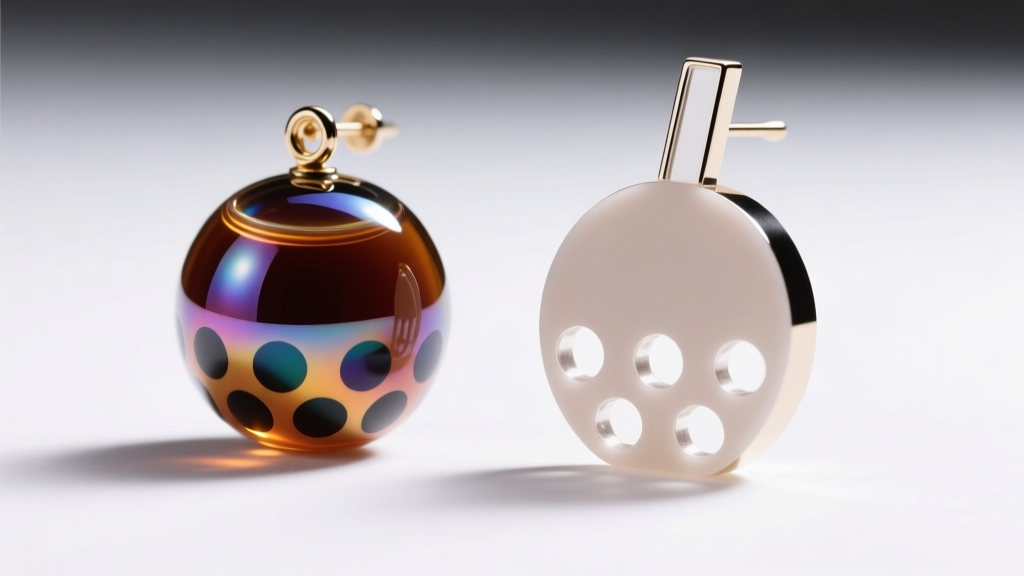
For artisans creating 3D, molded boba earrings with embedded elements like real dried flowers, gold leaf, or suspended micro-pearls, epoxy resin is the material of choice. Unlike acrylic, which is cut from flat sheets, resin is poured into silicone molds, allowing for complex, rounded geometries that closely mimic the meniscus of liquid in a real boba cup. The self-leveling nature of epoxy provides a glass-like, high-gloss finish straight out of the mold without the need for extensive polishing.
The critical vulnerability of epoxy resin lies in its chemical degradation. Standard bisphenol-A (BPA) based resins are highly prone to photo-oxidation. Even with topical UV-resistant sprays, a clear resin boba earring will inevitably develop an amber tint after 12 to 18 months of regular sun exposure. Furthermore, resin is slightly more flexible than acrylic, meaning that thin, protruding elements (like a resin boba straw) are prone to bending or snapping under pressure.
Cold Enamel on Sterling Silver: The Premium Heirloom Approach
As the novelty jewelry market matures, high-end jewelers have begun producing boba earring designs using vitreous or cold enamel over a 925 sterling silver or 14k gold vermeil base. Cold enamel (an epoxy-based resin baked onto metal) allows for precise, opaque color blocking—perfect for the distinct layers of taro, matcha, and brown sugar syrup. This method yields a piece that feels substantial, cold to the touch, and virtually impervious to the yellowing that plagues pure resin pieces.
The trade-off is weight and cost. A solid silver boba earring filled with enamel can easily exceed 8 to 10 grams per ear. This requires a robust post and a thicker gauge wire to prevent the earring from drooping or tearing the piercing channel. Consequently, these pieces are positioned as luxury novelty items, often retailing well over the $100 mark.
The Hidden Danger: Post Materials and Contact Dermatitis
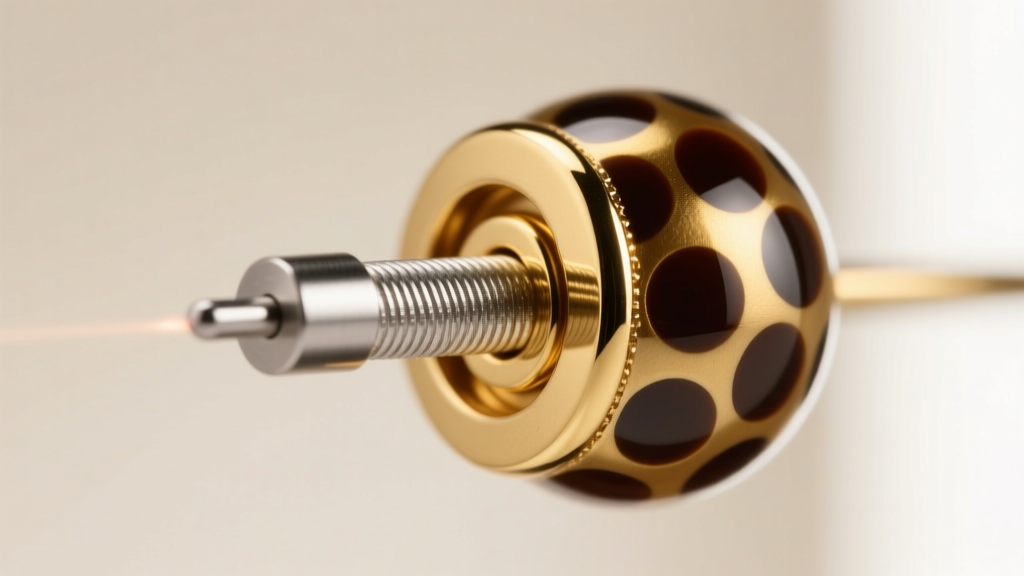
The most egregious failure point in the novelty earring market is not the decorative boba charm itself, but the hardware used to attach it to the body. The American Academy of Dermatology notes that nickel allergy is the most common cause of allergic contact dermatitis, affecting nearly 18% of the population (AAD, Nickel Allergy). Unfortunately, many mass-produced acrylic and resin boba earrings are fitted with 'mystery metal' alloy posts that contain high levels of nickel and lead.
When shopping for a boba earring, you must scrutinize the post material with the same rigor as the decorative face. Here is the hierarchy of post materials you should demand in 2026:
- ASTM F136 Implant-Grade Titanium: The absolute gold standard. This alloy contains zero nickel and is biocompatible, making it mandatory for anyone with sensitive ears or fresh piercings (ASTM International, F136 Standard).
- Niobium: A highly reactive, hypoallergenic metal that can be anodized to match the gold or silver tones of the boba earring hardware without using toxic plating.
- 316L Surgical Steel: Acceptable for healed lobes, but it still contains trace amounts of nickel (8-10%). It should be avoided by those with known metal sensitivities.
- Brass/Copper Alloys (Avoid): Often used in ultra-cheap fast-fashion novelty earrings. These will oxidize rapidly, turning the earlobe green and triggering severe allergic reactions.
2026 Market Pricing and Brand Benchmarks
Navigating the pricing landscape of boba earrings requires an understanding of the manufacturing origin and material integrity. In the current market, you can categorize offerings into three distinct tiers:
- The Fast-Fashion Tier ($5 - $18): Characterized by thin, laser-cut acrylic or low-grade UV resin. Posts are almost exclusively nickel-heavy alloys. Expect a lifespan of 3 to 6 months before hardware failure or severe yellowing occurs.
- The Independent Artisan Tier ($25 - $65): The sweet spot for quality. These pieces feature high-grade cast acrylic or premium, UV-stabilized epoxy resins. Artisans in this tier typically use 20-gauge or 18-gauge 316L surgical steel or titanium posts, properly soldered or secured with high-strength jeweler's epoxy.
- The Fine Jewelry Tier ($80 - $200+): Reserved for cold enamel on solid 925 sterling silver or 14k gold. These boba earrings are treated as legitimate fine jewelry, featuring secure bezel settings for tapioca 'pearls' (often simulated by black spinel or onyx cabochons) and stamped hallmarks.
Long-Term Care Protocols by Material
To maximize the lifespan of your boba earring collection, you must tailor your maintenance routine to the specific material properties. Treating an acrylic piece like an enameled one will result in irreversible damage.
- For Acrylic: Never use alcohol-based cleaners, hand sanitizers, or acetone near acrylic boba earrings. These solvents will cause 'crazing' (a network of microscopic internal cracks) that turns the material cloudy and brittle. Clean only with a microfiber cloth and mild, alcohol-free soap.
- For Resin: Store resin pieces in a dark, opaque jewelry box when not in use to mitigate UV yellowing. If the surface loses its gloss, a very fine automotive polishing compound can be used to buff out micro-scratches and restore the glass-like finish.
- For Enamel on Silver: The primary enemy here is the sterling silver base, which will tarnish when exposed to sulfur in the air. Use a dedicated silver polishing cloth on the metal backing, taking care not to rub the enamel aggressively, as the embedded abrasives in the cloth can dull the resin surface over time.
Final Verdict: Which Material Wins?
There is no single 'best' material for a boba earring; the ideal choice depends entirely on your wearing habits and aesthetic priorities. If you prioritize lightweight comfort, vibrant translucency, and budget-friendly pricing, high-grade cast acrylic remains the undisputed champion. For collectors who appreciate 3D depth, embedded textures, and a handcrafted artisan feel, UV-stabilized epoxy resin offers unparalleled design versatility. However, if you view your novelty jewelry as a long-term investment and require absolute hypoallergenic security, seeking out cold enamel designs set on 925 silver with ASTM F136 titanium posts is the only path forward. By prioritizing material integrity over fast-fashion convenience, you ensure your favorite boba motifs remain as pristine as the day you bought them.


