Bow Pearl Earrings: A Beginner's Guide to Styling & Care
Discover how to choose, style, and care for bow pearl earrings. Our beginner-friendly guide covers pearl grades, metals, face shapes, and gauge sizes.

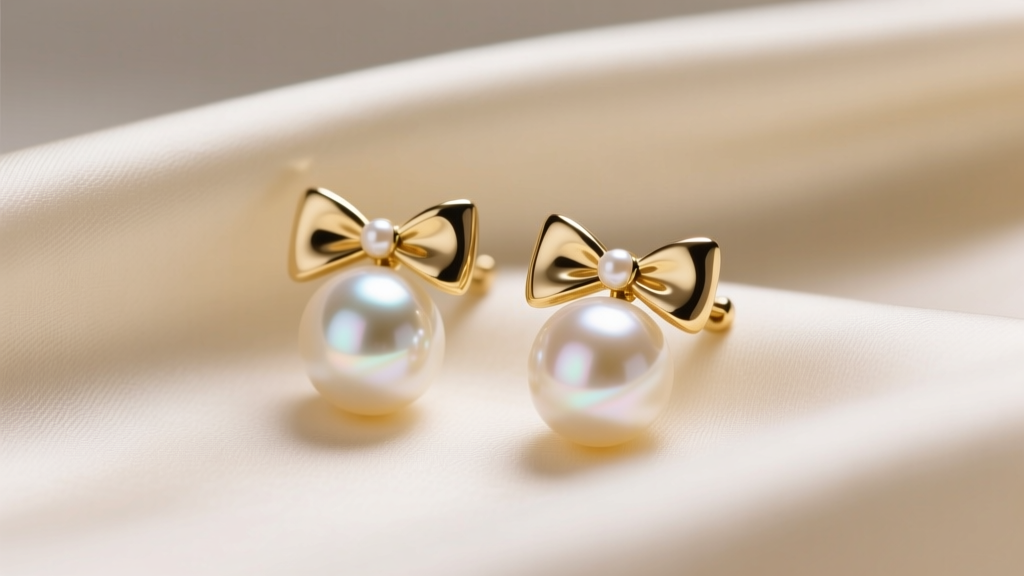
If you have been browsing jewelry trends recently, you have likely noticed the massive surge in romantic, coquette-inspired accessories. At the intersection of vintage elegance and modern playfulness sit bow pearl earrings. These pieces combine the timeless, organic luster of pearls with the feminine, structured motif of a ribbon bow. However, for beginners, navigating the vast market of pearl grades, metal alloys, and earring weights can be overwhelming. Buying the wrong pair can lead to tarnished metals, stretched earlobes, or pearls that lose their luster within months.
This comprehensive beginner’s explainer will teach you exactly how to evaluate, style, and maintain bow pearl earrings, ensuring your investment looks exquisite for years to come.
The Anatomy of Bow Pearl Earrings
Before purchasing, it is crucial to understand how these earrings are constructed. A standard bow pearl drop earring consists of three primary components:
- The Post or Wire: The part that passes through your piercing. For studs, this is a straight post; for dangles, it may be a French wire or leverback.
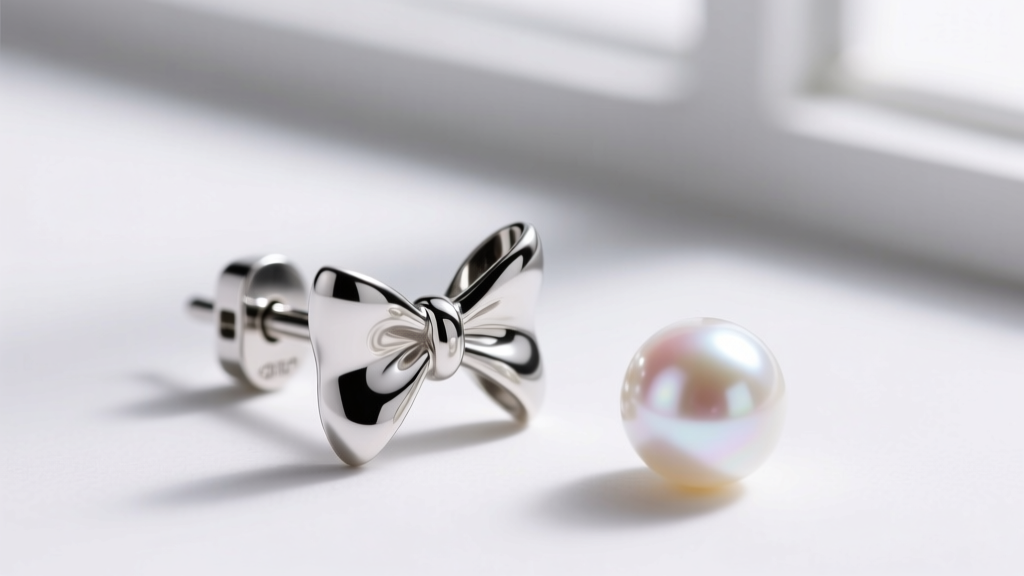
- The Bow Motif: The decorative ribbon element. This can be cast from solid metal, stamped from sheet metal, or crafted from enamel. High-quality bows feature distinct, sharp folds in the metal rather than a melted, blob-like appearance.
- The Pearl Drop: The pearl itself, which is typically drilled and glued to a metal peg (a 'post-and-cup' setting) that hangs from the bottom of the bow, or the pearl serves as the main stud with a small metal bow charm dangling beneath it.
Decoding Pearl Grades and Metal Types
The price of bow pearl earrings can range from $25 to over $500. This disparity is driven by the type of pearl and the metal used. According to the Gemological Institute of America (GIA), pearl value is determined by luster, surface quality, shape, and nacre thickness.
Freshwater vs. Akoya Pearls
For beginners, AAA-grade Freshwater pearls are the ultimate sweet spot. They offer incredible durability, thick nacre, and a beautiful, soft luster at a fraction of the cost of saltwater pearls. Akoya pearls, on the other hand, offer a mirror-like, sharp luster and perfectly round shapes, but they are significantly more expensive and have thinner nacre, making them more prone to chipping if dropped.
Understanding Metal Alloys
The American Gem Society emphasizes the importance of metal purity, especially for those with sensitive skin. Avoid cheap 'gold-plated' brass or nickel alloys, which will quickly tarnish and cause contact dermatitis. Instead, look for:
- Sterling Silver (925): Ensure it is rhodium-plated to prevent tarnishing.
- Gold Vermeil: A thick layer of 14k or 18k gold (at least 2.5 microns) over a sterling silver base. This is the best budget-friendly option for a luxury look.
- Solid 14k Gold: The best investment for everyday wear, as it will never tarnish and is highly hypoallergenic.
| Pearl & Metal Combo | Estimated Price Range | Durability | Best For |
|---|---|---|---|
| AAA Freshwater + Gold Vermeil | $45 - $90 | High | Everyday wear, beginners |
| Akoya + Solid 14k Gold | $200 - $450+ | Medium (Pearl is delicate) | Special occasions, heirlooms |
| Shell Pearl + Gold Plated Brass | $15 - $30 | Low (Will tarnish) | Occasional costume styling |
Matching Bow Pearl Earrings to Your Face Shape
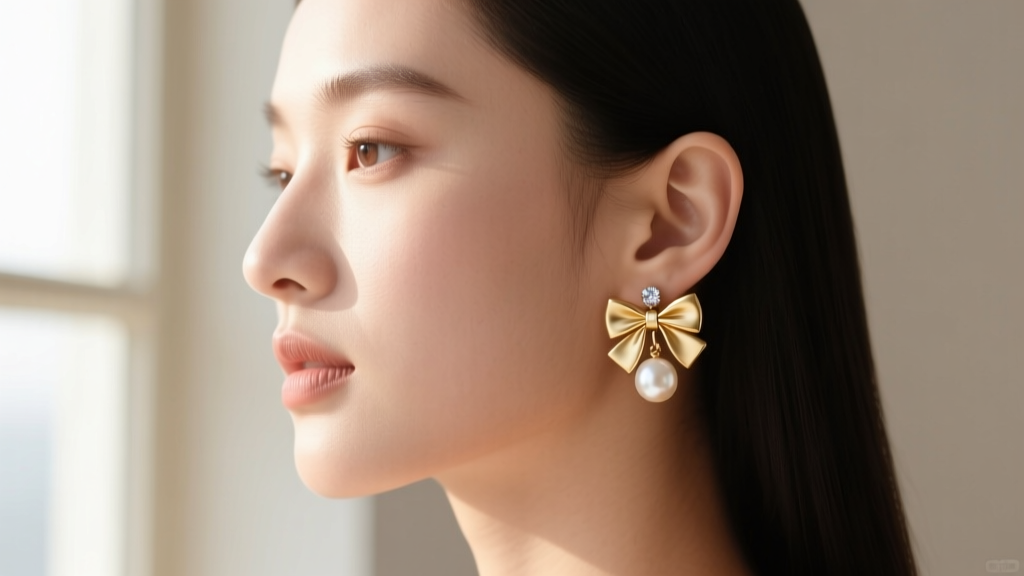
The silhouette of the bow and the length of the pearl drop can dramatically alter how your facial features are perceived. Here is a practical framework for selecting the right proportions:
- Round Faces: Opt for elongated bow designs where the ribbon tails hang vertically, followed by a long pearl drop. This creates a vertical line that visually lengthens the face. Avoid wide, horizontal bow studs.
- Square Faces: Choose bows with soft, rounded loops and curved ribbon edges. A teardrop-shaped pearl (rather than a perfectly round one) will help soften a strong jawline.
- Oval Faces: You have the versatility to pull off almost any style, from oversized, dramatic statement bows to delicate, minimalist huggie hoops featuring a tiny bow and pearl charm.
- Heart-Shaped Faces: Look for 'inverted triangle' styling. A wider bow at the top with a smaller, delicate pearl at the bottom balances a broader forehead and narrower chin.
Piercing Placement: Lobe vs. Cartilage
While most bow pearl earrings are designed for the standard earlobe, smaller, lightweight bow studs are increasingly popular for cartilage piercings (like the helix or flat). However, you must pay strict attention to gauge sizes.
Standard lobe piercings are typically done at 20-gauge (0.81mm) or 18-gauge (1.0mm). Cartilage piercings are usually 16-gauge (1.2mm) or 18-gauge. If you attempt to force a thick 16-gauge cartilage earring into a delicate 20-gauge lobe piercing, you risk micro-tears and irritation. Conversely, wearing a heavy, oversized bow drop earring on an unhealed or newly stretched lobe can lead to 'cheese-cutter' syndrome, where the thin wire slowly slices through the earlobe tissue over time. Always check the post thickness before purchasing.
Troubleshooting Common Beginner Mistakes
Even with high-quality materials, beginners often encounter structural failures. Here is how to identify and avoid them:
The 'Heavy Bow' Lobe Stretch: Large metal bows are surprisingly heavy. If your earlobes feel sore after two hours of wear, the earring is too heavy for your tissue density. Switch to a hollow-cast metal bow or a smaller, enamel-based design to reduce the gram weight.
Pearl Detachment (Glue Failure): The most common failure mode in pearl jewelry is the pearl popping off its metal peg. Mass-produced earrings often use cheap cyanoacrylate (super glue), which becomes brittle and shatters upon impact. High-end jewelers use a two-part marine-grade epoxy resin, which cures with a slight flexibility, absorbing shocks if the earring is bumped. If you buy a pair and notice the pearl wobbling, take it to a local jeweler to be re-set with epoxy before the pearl is lost.
Vermeil Rub-Off: If you buy gold vermeil bow earrings, never wear them in the shower or apply perfume directly to your neck while wearing them. The alcohol and sulfur in cosmetics will strip the gold layer away from the silver base in a matter of weeks.
Your Daily Care and Maintenance Routine
Pearls are organic gemstones, ranking only a 2.5 to 3.0 on the Mohs hardness scale. They are highly susceptible to scratches and chemical damage. To keep your bow pearl earrings pristine:
- The 'Last On, First Off' Rule: Always put your pearl earrings on after applying makeup, hairspray, and perfume. Remove them immediately when you get home before changing clothes to prevent snagging the bow on fabrics.
- Wipe Down: After wearing, gently wipe the pearls with a clean, lint-free microfiber cloth to remove skin oils and acids, which can slowly etch the nacre over time.
- Proper Storage: Never store pearl earrings in a sealed plastic bag; pearls need a tiny amount of ambient moisture to prevent cracking. Store them in a soft velvet pouch, separate from harder gemstones like diamonds or sapphires that will easily scratch the pearl's surface.
By understanding the anatomy, materials, and proper care techniques, you can confidently build a jewelry collection that celebrates the timeless charm of bow pearl earrings without falling victim to common beginner pitfalls.


