How to Clean and Care for We Dream in Color Earrings
Learn expert cleaning and maintenance tips for We Dream in Color earrings. Protect enamel, resin, and vibrant gems with our care guide.

The Science of Vibrant Jewelry Care
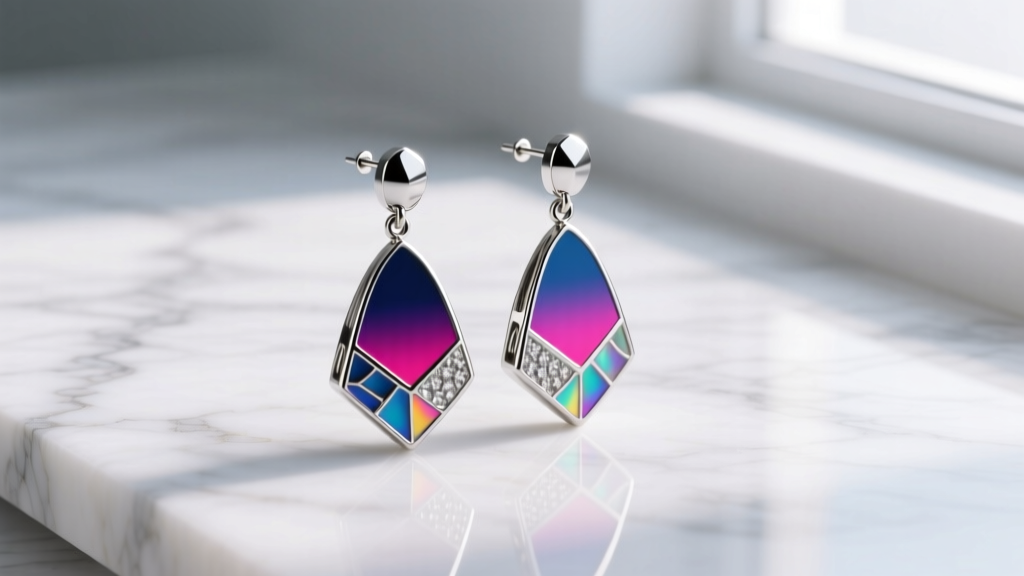
When you invest in statement pieces like We Dream in Color earrings, you are not just buying jewelry; you are acquiring wearable art. These vibrant designs frequently utilize a complex matrix of materials—from kiln-fired vitreous enamel and hand-poured resins to anodized titanium and multi-colored gemstones like watermelon tourmaline. While standard sterling silver or plain gold earrings can often be tossed into an ultrasonic cleaner or polished with harsh chemical dips, colorful artisan earrings require a highly specific, scientifically grounded approach to maintenance.
Using the wrong cleaning agents can cause irreversible damage, such as stripping the anodic oxide layer off titanium, clouding acrylic resins, or causing micro-fractures in glass-based enamels. According to the Jewelers of America, understanding the chemical composition of your jewelry's surface is the first step in preserving its structural integrity and optical brilliance. This comprehensive guide will walk you through the exact protocols needed to maintain the vivid hues and pristine finishes of your favorite colorful earrings.
Material-Specific Cleaning Protocols
Vitreous Enamel and Cold Resin Components
Many colorful statement earrings rely on enamel or resin to achieve their opaque, vibrant blocks of color. Vitreous enamel is essentially powdered glass fused to metal at extremely high temperatures, while cold enamel is an epoxy-based resin. Both are highly susceptible to thermal shock and chemical degradation.
- The Ultrasonic Danger: Never place enameled earrings in an ultrasonic cleaner. The process relies on cavitation—the rapid formation and implosion of microscopic bubbles. While this safely blasts dirt out of diamond settings, the shockwaves can easily cause micro-fractures in glass enamel or delaminate cold resin from its metal backing.
- The Solvent Threat: Resin and acrylic components will permanently cloud, soften, or melt if exposed to alcohols, acetone, or ammonia-based glass cleaners. Even prolonged exposure to hand sanitizers can degrade the topcoat of a resin earring.
- Safe Method: Mix a few drops of pH-neutral dish soap (like original Dawn) into a bowl of lukewarm distilled water. Dip an extra-soft baby toothbrush into the solution and gently sweep over the enamel or resin. Rinse quickly under a low stream of distilled water and pat dry immediately.
Anodized Titanium and Colored Metals
Anodized titanium is a staple in modern, colorful jewelry. Unlike plated metals where color is painted or dipped on, anodized titanium achieves its vibrant hues (from electric blues to deep purples and golds) through an electrolytic process. Voltage is applied to the metal in an electrolyte bath, thickening the natural titanium dioxide layer on the surface. The specific thickness of this oxide layer dictates the wavelength of light refracted, creating the color.
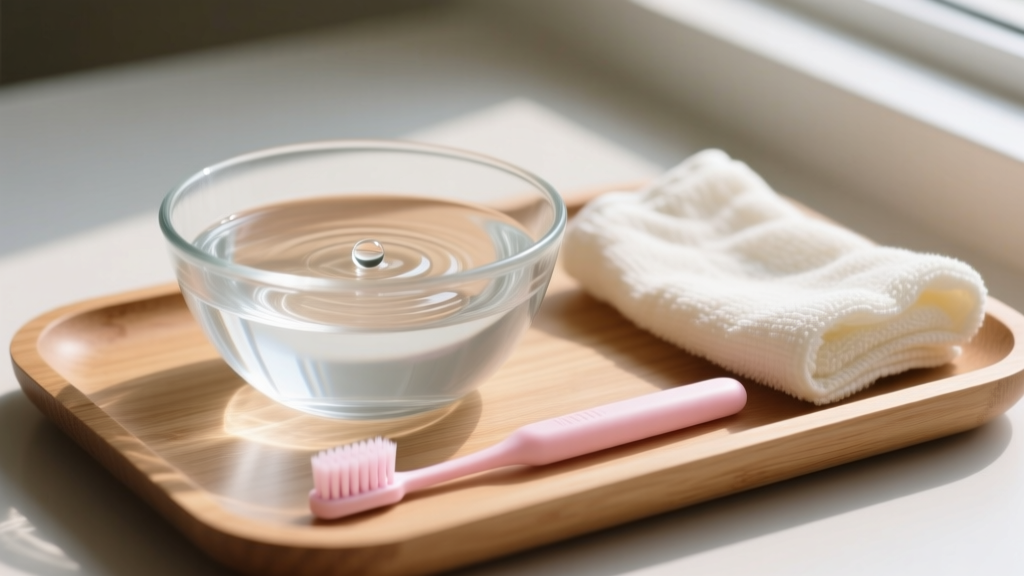
Critical Warning: Never use silver polish, Tarn-X, or baking soda pastes on anodized titanium. These mild abrasives and chemical sulfide-removers will physically strip the oxide layer, permanently reverting the vibrant metal back to its natural, dull aerospace grey. To clean anodized titanium, simply wipe it with a damp microfiber cloth. If body oils have built up in crevices, use a cotton swab lightly dampened with distilled water and mild soap, taking care not to scrub aggressively.
Vibrant Gemstones: Tourmaline, Opal, and Sapphires
The Gemological Institute of America (GIA) emphasizes that gemstone care must be dictated by the Mohs scale of hardness and the stone's porosity. Colorful earrings often feature tourmaline (Mohs 7-7.5) or opals (Mohs 5.5-6.5).
- Opals and Hydration: Opals contain up to 20% water. Cleaning them in hot water or exposing them to steamers can cause "crazing" (internal cracking). Clean opal earrings only with a barely damp, soft cloth.
- Tourmaline and Sapphires: These stones are more durable but often feature complex inclusions. A soft baby toothbrush with mild soapy water is the safest way to remove sebum and lotion buildup from behind the gemstone's pavilion (the bottom facet), which is where light blockage usually occurs, making colorful stones look dull.
The Ultimate Cleaning Toolkit
To properly maintain your colorful earrings, assemble a dedicated, non-abrasive toolkit. Avoid the jewelry cleaning kits sold at commercial mall kiosks, as they frequently contain harsh ammonia or thiourea compounds.
- Distilled Water: Tap water contains chlorine and hard minerals that can leave microscopic calcified spots on resin and enamel.
- pH-Neutral Surfactant: A basic, unscented dish soap without added moisturizers or citrus degreasers.
- Extra-Soft Baby Toothbrush: Look for bristles rated at 0.1mm or softer to prevent micro-scratching on high-gloss enamel.
- Lint-Free Microfiber Cloths: Cotton balls or paper towels contain wood fibers that can snag on prong settings or leave microscopic dust in textured metalwork.
- Plastic Polish (Optional): A product like Novus Plastic Polish is excellent for buffing out micro-scratches on acrylic or resin earring components.
Maintenance Schedule and Storage Matrix
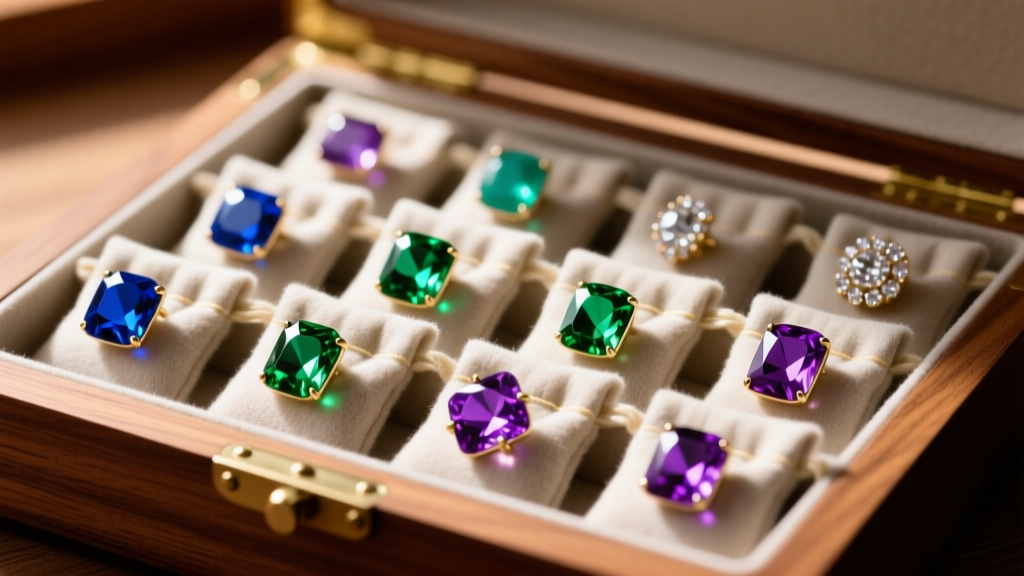
Proper storage is just as critical as active cleaning. Colorful materials are highly prone to UV fading and physical scratching when jumbled in a communal jewelry box.
| Material | Safe Cleaning Agent | Strict Prohibitions | Drying & Storage Method |
|---|---|---|---|
| Vitreous Enamel | Distilled water, pH-neutral soap | Ultrasonic cleaners, steamers, hard brushes | Air dry, store in padded box |
| Anodized Titanium | Mild soap, soft cotton swab | Silver polish, Tarn-X, baking soda | Lint-free cloth, anti-tarnish pouch |
| Resin / Acrylic | Damp microfiber cloth | Alcohol, acetone, ammonia, perfumes | Air dry, keep away from direct UV |
| Opal / Tourmaline | Lukewarm water, baby toothbrush | Heat, sudden temperature changes, steam | Pat dry immediately, individual pouch |
Troubleshooting Common Issues
Cloudy Resin or Acrylic
If your resin earrings have lost their glass-like shine due to contact with hand sanitizer or perfume, the top layer has likely suffered chemical etching. You can often restore the clarity by applying a microscopic amount of plastic polish (like Novus No. 2) with a soft microfiber cloth, buffing in tight circular motions until the optical clarity returns. Wash gently with distilled water afterward to remove polishing residues.
Chipped Enamel
Vitreous enamel is essentially glass; if dropped on a tile floor, it can chip. While professional re-enameling by a specialized artisan is the only permanent fix, you can prevent the exposed metal base from tarnishing or catching on hair by applying a single, micro-thin layer of clear, hardening topcoat nail polish over the chip as a temporary sealant.
Dull Gemstones
If your colorful tourmaline or sapphire earrings look lifeless, the issue is rarely the stone itself, but rather a buildup of hand lotion and dead skin cells on the underside of the setting. Flip the earring over, apply a drop of soapy distilled water directly to the pavilion, and gently agitate with a soft brush. Rinse and dry, and the stone's internal light refraction will immediately return.
Conclusion
Caring for We Dream in Color earrings requires abandoning the "one-size-fits-all" jewelry cleaning mentality. By respecting the unique chemical and physical properties of enamel, anodized metals, resins, and vibrant gemstones, you ensure that your statement pieces remain as vivid and captivating as the day you acquired them. Stick to pH-neutral surfactants, avoid ultrasonic cavitation, and store your colorful collection in UV-protected, individual compartments to guarantee a lifetime of brilliant wear.


