Surgical Steel 316L Earrings: Budget & Value Guide
Discover if surgical steel 316l earrings are worth your budget. We analyze metal grades, allergy risks, pricing, and true cost per wear.

The Metallurgy of 316L: What You Are Actually Buying
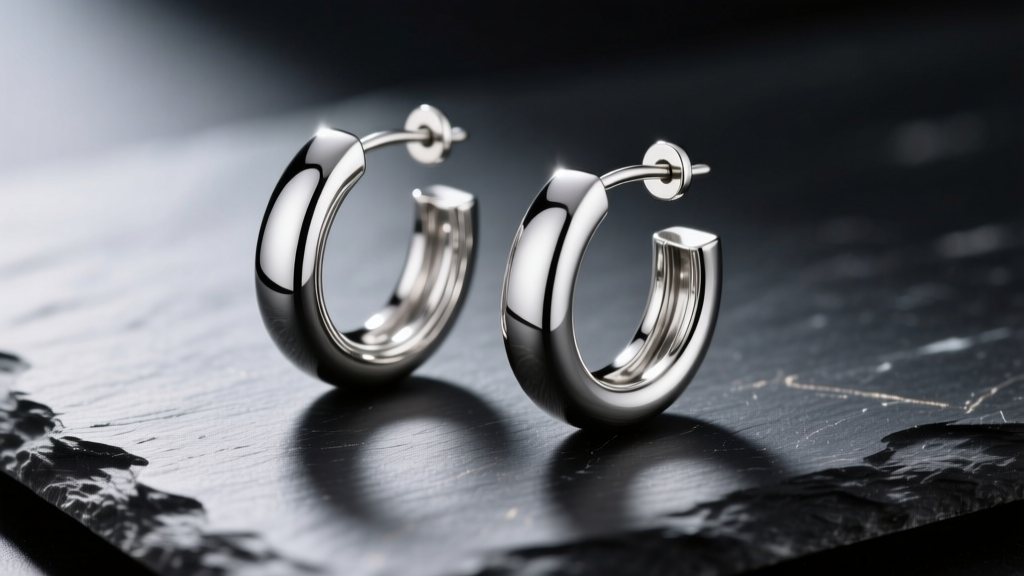
When navigating the budget jewelry market, 'surgical steel' is one of the most frequently used—and frequently misunderstood—terms in the industry. To accurately assess the value of surgical steel 316l earrings, we must first look at the metallurgical reality. 316L is an austenitic chromium-nickel-molybdenum stainless steel. The 'L' stands for low carbon (capped at a maximum of 0.03%), which prevents carbide precipitation during the manufacturing and welding processes. This results in superior corrosion resistance compared to standard 316 steel, making it highly resistant to tarnishing from sweat, humidity, and cosmetic products.
According to standards set by ASTM International (F138), this specific alloy is approved for surgical implants. However, 'implant grade' and 'jewelry grade' 316L can differ vastly in their surface polishing and quality control. Budget manufacturers often skip the rigorous electropolishing phase, leaving microscopic surface pits that can harbor bacteria and degrade the metal's passive chromium oxide layer over time.
Price vs. Longevity: The True Cost Per Wear
The primary appeal of surgical steel 316l earrings is the low barrier to entry. But does a lower upfront cost translate to actual value? To determine this, we must compare 316L against other common earring materials across pricing, durability, and biocompatibility.
| Material | Avg Price (Studs) | Avg Price (Hoops) | Nickel Content | Best Use Case |
|---|---|---|---|---|
| 316L Surgical Steel | $5 - $15 | $12 - $25 | 10% - 14% | Healed lobes, budget fashion |
| Implant Grade Titanium (ASTM F136) | $20 - $45 | $35 - $70 | 0% | Fresh piercings, highly sensitive ears |
| Sterling Silver (925) | $15 - $35 | $25 - $60 | 0% (usually) | Occasional wear (prone to tarnish) |
| 14k Solid Gold | $80 - $250 | $150 - $400+ | 0% | Lifetime wear, heirloom investment |
While 316L is undeniably the most affordable option for durable, non-tarnishing metal, its 'cost per wear' can increase if the jewelry causes contact dermatitis, forcing you to discard the pieces. For individuals without nickel sensitivities, 316L offers an exceptional cost-to-longevity ratio, easily lasting decades without losing its structural integrity or mirror finish.
The Nickel Dilemma: Assessing Allergy Risks on a Budget
The most critical factor in your value assessment of surgical steel 316l earrings is your personal biocompatibility. 316L contains between 10% and 14% nickel. While the nickel is tightly bound within the steel's crystal lattice, it can still leach out when exposed to high-chloride environments (like heavy sweat or swimming pools) or acidic skin pH levels.
The European Union's Nickel Directive (94/27/EC) strictly regulates jewelry, mandating that post-assembly piercings must not release more than 0.5 µg/cm²/week of nickel. High-quality 316L earrings that are properly electropolished generally pass this test, making them safe for the majority of the population. However, if you have a known nickel allergy, the 'budget' price of 316L is irrelevant; the value drops to zero because you simply cannot wear it. For allergy sufferers, the Association of Professional Piercers (APP) strongly recommends upgrading to ASTM F136 implant-grade titanium, which is entirely nickel-free.
Gauge Sizes and Threading: Hidden Costs in Cheap Jewelry
When buying budget 316L earrings, consumers often overlook the mechanical construction, leading to hidden costs like torn fistulas or returned merchandise. Pay strict attention to the threading and gauge:
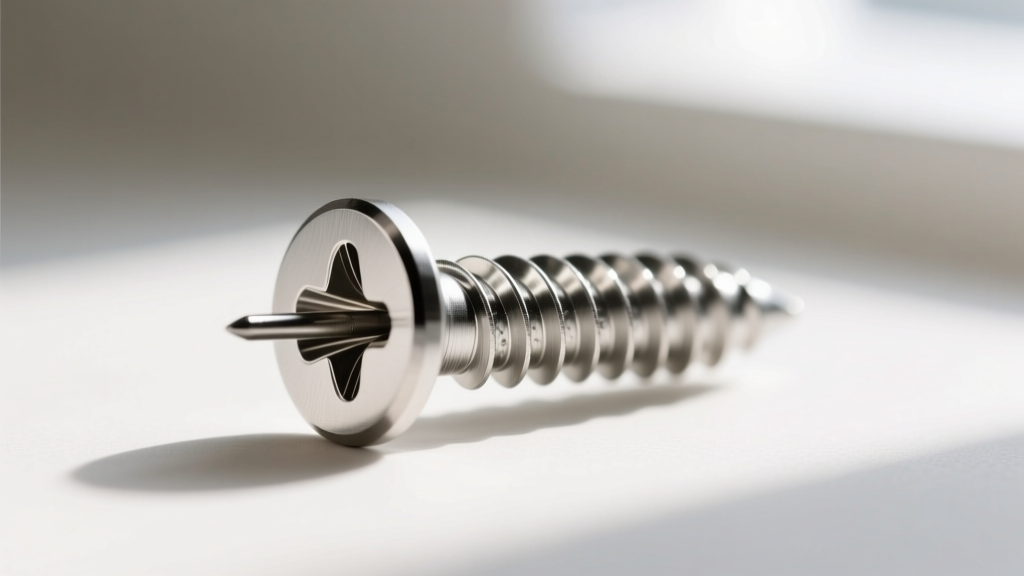
- Externally Threaded: The screw is on the post. Pushing this through your ear shreds the delicate tissue lining. Avoid this entirely, regardless of how cheap it is.
- Internally Threaded: The screw is on the decorative gem or end, while the post is smooth. This is the minimum standard for safe, comfortable 316L jewelry.
- Threadless (Push-Pin): Uses a bent pin that creates tension inside a hollow post. Excellent for secure, budget-friendly 316L cartilage studs.
Furthermore, ensure you are buying the correct gauge. Standard lobe earrings are typically 20g (0.81mm) or 18g (1.02mm). Cartilage piercings, such as helixes or tragi, are almost universally pierced at 16g (1.29mm). Inserting a 20g post into a 16g hole can lead to the 'cheese-cutter effect,' where the thin metal slowly migrates and cuts through the tissue.
Cartilage vs. Lobe: Where 316L Succeeds and Fails
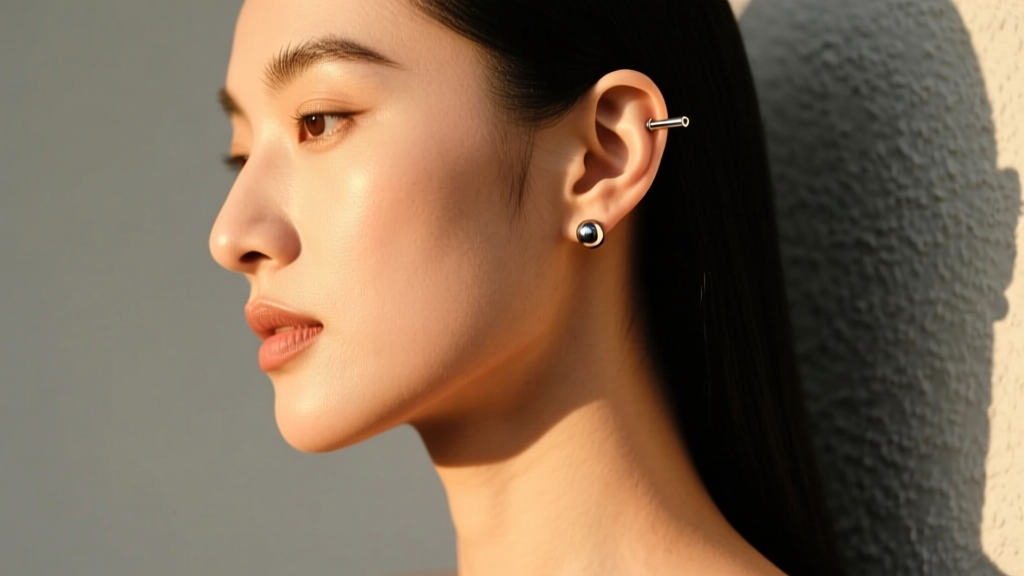
The anatomical placement of your piercing heavily dictates the value you will get from surgical steel 316l earrings. Earlobes are highly vascularized, forgiving, and heal quickly. Once fully healed, lobe piercings can comfortably accommodate 316L steel for years without issue, making it a highly valuable budget choice for everyday lobe studs and huggies.
Pro-Tip for Cartilage: Cartilage is avascular (lacks direct blood supply) and heals very slowly, often taking 6 to 12 months. During this prolonged healing window, the microscopic surface imperfections on budget 316L steel can harbor bacteria and irritate the fragile fistula. Never use 316L in a fresh, unhealed cartilage piercing. Wait until the piercing is fully matured (usually past the 1-year mark) before swapping your titanium for budget-friendly 316L hoops or cuffs.
For ear cuffs and non-pierced cartilage clips, 316L is arguably the best material on the market. Because it does not penetrate the skin, the nickel leaching risk is virtually eliminated, and the metal's high tensile strength allows for tight, secure tension clips that won't easily bend out of shape like softer sterling silver or gold alloys.
Final Verdict: When to Buy and When to Upgrade
Surgical steel 316l earrings represent a phenomenal value proposition, provided you approach them with an informed perspective. They offer the heavy, premium feel of solid metals at a fraction of the cost, and their corrosion resistance means they won't turn your skin green or degrade in the shower.
Buy 316L when: You are outfitting fully healed lobe piercings, purchasing non-pierced ear cuffs, or building a large rotation of fashion-forward hoops and dangles on a strict budget. Always verify that the pieces are internally threaded or threadless.
Upgrade to Titanium or Gold when: You are dealing with a fresh, healing piercing of any kind, you have a history of contact dermatitis or nickel allergies, or you are seeking a permanent, 'never take it out' staple piece for a high-impact cartilage placement. By strategically mixing high-end titanium staples with budget-friendly 316L fashion pieces, you can curate a stunning, safe, and financially sustainable earring collection.


