Bicycle Earrings: The Ultimate Budget & Value Guide
Assess the true value of bicycle earrings. We compare materials, pricing tiers, and durability to help you find the best budget-friendly cycling jewelry.

The Appeal of Bicycle Earrings: More Than Just Novelty
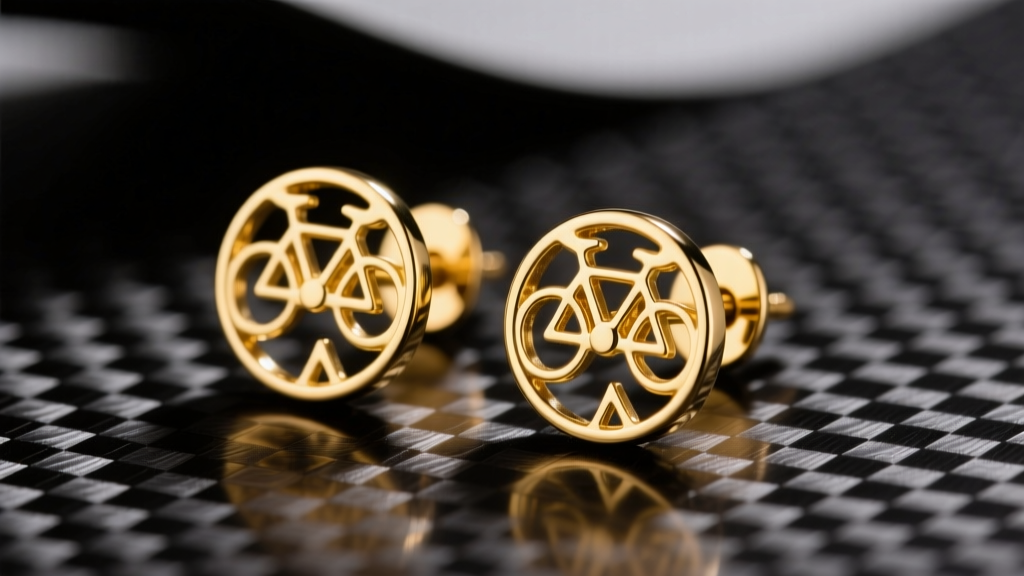
For cycling enthusiasts, jewelry is a way to carry the passion for the sport off the saddle and into daily life. In the 2026 jewelry market, bicycle earrings have evolved far beyond cheap, novelty gift-shop trinkets. Today, independent jewelers and specialized brands offer intricate bicycle silhouette studs, spinning wheel dangles, and chain-link ear cuffs that cater to both casual riders and competitive cyclists. However, the market is heavily saturated with dropshipped base metals disguised as premium pieces. Understanding the true value of bicycle earrings requires a deep dive into metallurgy, mechanical engineering, and the harsh realities of active wear.
Whether you are looking for a subtle 20-gauge lobe stud or a bold 16-gauge cartilage cuff, assessing budget versus longevity is critical. A $12 pair of alloy bike earrings might seem like a steal, but if the posts cause contact dermatitis or the gold plating flakes off after one sweaty commute, the cost-per-wear makes it a poor investment. This guide breaks down exactly what you should pay for bicycle earrings based on material grades, structural integrity, and backing security.
Material Breakdown: What Are You Actually Paying For?
The most significant factor dictating the price and value of bicycle earrings is the base metal and finish. Human sweat has a naturally acidic pH ranging from 4.0 to 6.5, which acts as a corrosive agent against reactive metals. When evaluating budget-friendly options, you must consider how the metal will interact with your body chemistry and the elements.
Base Metals vs. Precious Metals
At the lowest end of the budget spectrum (under $15), you will frequently encounter Zamak (a zinc alloy) and raw brass. Zamak is heavily used in mass-produced novelty jewelry because it is cheap to cast and heavy, giving it a false sense of quality. However, it is highly porous and often contains trace amounts of nickel, a known allergen. Brass offers a beautiful golden hue but will rapidly oxidize and turn your earlobes green when exposed to sweat.
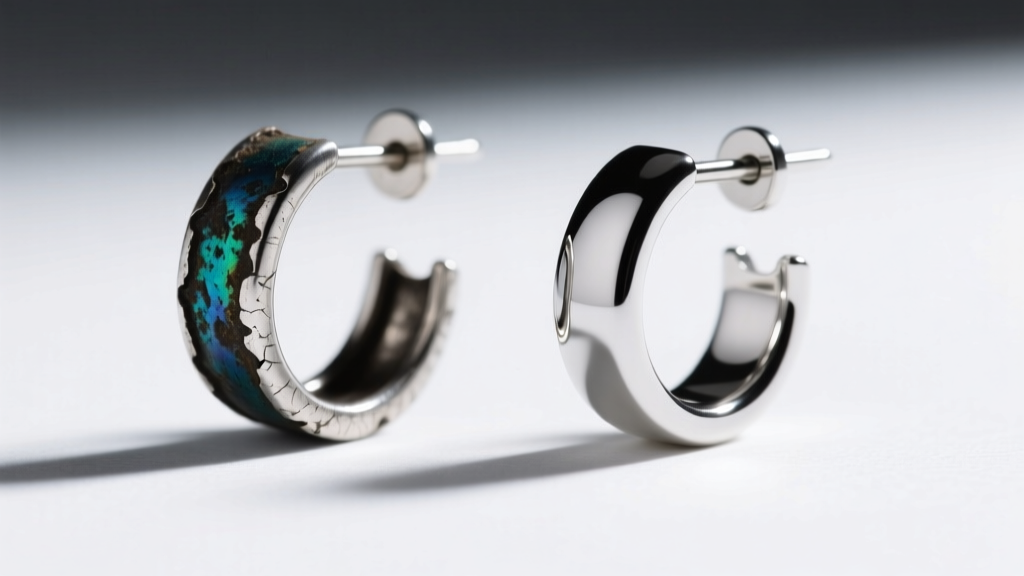
Moving up to the $25–$60 range, 925 Sterling Silver becomes the standard. According to The Silver Institute, sterling silver contains 92.5% pure silver and 7.5% copper. While it is a hypoallergenic precious metal, that copper content makes it highly susceptible to tarnishing when exposed to the sulfur and moisture in sweat. For active cyclists, sterling silver bicycle earrings require frequent polishing or a protective rhodium flash to maintain their luster.
The undisputed king of value for active cyclists is 316L Surgical Stainless Steel, typically priced between $20 and $45. Alloyed with molybdenum for superior corrosion resistance, 316L steel is virtually impervious to sweat, rain, and humidity. It can be polished to a mirror finish that mimics white gold or platinum, making it the smartest budget choice for daily-wear bicycle studs and hoops.
The Truth About Gold Plating and Enamel
Many budget bicycle earrings feature gold tones or colored enamel accents on the bike frame or wheels. The Federal Trade Commission Jewelry Guides strictly regulate metal plating terminology. 'Gold flashed' or 'gold electroplated' pieces often have a microscopic layer of gold (less than 0.5 microns) that will wear off in weeks with friction from helmets or hair. True 'Gold Vermeil' requires a minimum of 2.5 microns of gold over a sterling silver base, commanding a higher price ($60–$120) but offering significantly better longevity.
Similarly, colored accents on bicycle earrings are usually either cold enamel (an epoxy resin) or vitreous enamel (kiln-fired glass). Cold enamel is cheap, prone to yellowing from UV exposure, and can chip easily. Vitreous enamel is highly durable, colorfast, and justifies a premium price tag.
Material Value & Durability Matrix
| Material | Typical Price Range | Sweat Resistance | Allergy Risk | Best Use Case |
|---|---|---|---|---|
| Zamak / Pewter Alloy | $5 - $15 | Poor | High (Nickel) | Occasional, short-term wear |
| Brass with Flash Plating | $12 - $25 | Poor | Moderate | Low-sweat, fashion styling |
| 925 Sterling Silver | $30 - $75 | Moderate (Tarnishes) | Low | Office wear, casual rides |
| 316L Surgical Steel | $20 - $50 | Excellent | Very Low | Daily active wear, commuting |
| 14k Solid Gold | $150 - $400+ | Excellent | None | Heirloom, luxury gifting |
The Mechanics of Moving Parts: Spinning Wheel Dangles
One of the most popular styles in cycling jewelry is the dangle earring featuring a bicycle wheel that actually spins. Assessing the value of these pieces requires looking at their micro-engineering. In budget versions (under $20), the wheel is attached using a simple wire rivet. Over time, the friction of spinning causes the soft wire to thin and eventually snap, resulting in a lost wheel and a broken earring.
Mid-tier and premium spinning bicycle earrings ($40+) utilize micro-bearings or reinforced steel tension pins. These components allow the wheel to spin freely with minimal friction, drastically reducing wear and tear on the chassis. When evaluating spinning dangles, gently flick the wheel. It should spin smoothly without wobbling laterally. Any side-to-side wobble indicates poor tolerance in the manufacturing process and a high likelihood of mechanical failure.
Active Wear Considerations: Helmets, Sweat, and Security
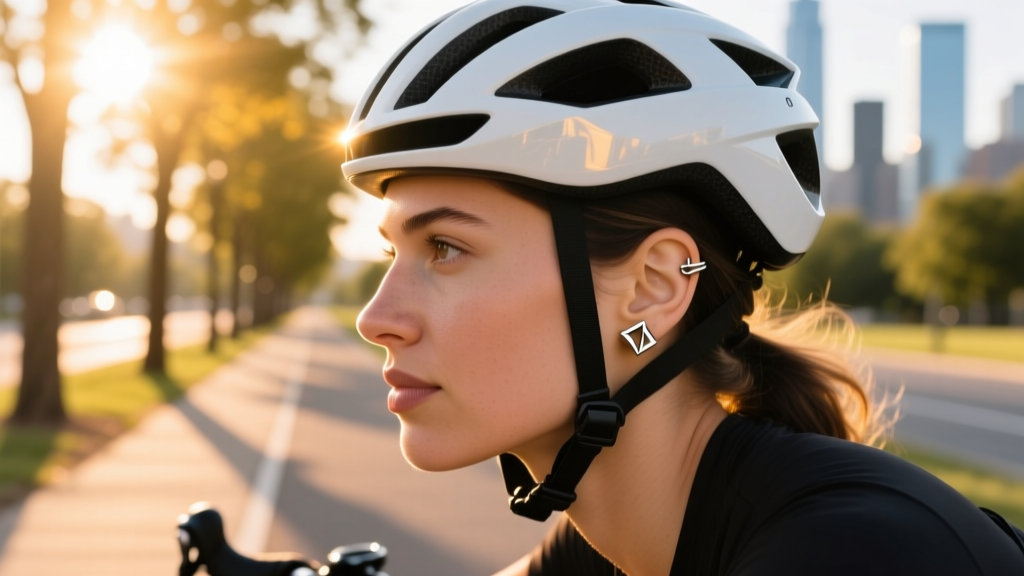
Cyclists face unique challenges when wearing jewelry. The straps of a bicycle helmet create constant friction against the ears, and the physical act of riding generates significant wind resistance and perspiration. Standard butterfly push-backs are highly unreliable for cyclists; the friction from helmet straps can easily push the clutch upward, loosening the earring and risking loss on the trail or road.
Choosing the Right Backing and Gauge
To maximize the value of your purchase, prioritize bicycle earrings that offer secure backing options. Screw-backs are an excellent choice for standard 20-gauge (0.8mm) or 18-gauge (1.0mm) lobe piercings, as they physically thread onto the post, making them impossible to dislodge via helmet friction. For upper cartilage piercings, such as the helix or tragus, flat-back labret posts (typically 16-gauge or 1.2mm) are the gold standard. They sit flush against the back of the ear, eliminating the painful pressure points caused by traditional earring posts when wearing a tight-fitting cycling helmet.
Pro-Tip for Cartilage Piercings: If you are buying a bicycle ear cuff or helix stud for active riding, ensure the post length is appropriate for your anatomy. Standard cartilage posts are 6mm to 8mm. A post that is too long will catch on helmet straps, while one that is too short will cause tissue swelling.
Pricing Tiers: Where Does the Value Peak?
When budgeting for bicycle earrings, the 'sweet spot' for value depends entirely on your lifestyle. Here is how the market segments in 2026:
- The Novelty Tier ($5 - $20): Best for children, one-off gifts, or costume wear. Expect base metals, cold enamel, and high allergy risks. The value here is purely aesthetic and temporary.
- The Active Commuter Tier ($25 - $60): The highest value-to-durability ratio. Look for 316L surgical steel or rhodium-plated sterling silver with secure screw-backs or flat-backs. These will survive years of daily riding and sweat exposure.
- The Artisan / Heirloom Tier ($80 - $300+): Hand-fabricated pieces using 14k solid gold, vitreous enamel, and sometimes micro-pave diamonds on the bike frame. You are paying for the artisan's labor, precious metal weight, and lifetime longevity.
Final Verdict: Maximizing Your Cycling Jewelry Budget
Bicycle earrings are a fantastic way to celebrate the cycling lifestyle, but they must be engineered to survive it. If you are buying for an active cyclist, bypass the cheap gold-plated brass and invest in 316L surgical steel or solid 14k gold. Pay close attention to the mechanical joints on moving parts and always upgrade to locking or threaded backings to prevent loss during rides. By focusing on material integrity and structural security over sheer novelty, you can find bicycle earrings that offer exceptional long-term value and withstand the rigors of the road.


