Earring Plaza NYC: The 2026 Buyer's Guide for Fine Jewelry
Discover how to navigate Earring Plaza NYC in 2026. Learn expert tips on metal grades, gauge sizes, and vendor negotiation for your next earring purchase.

Demystifying the Earring Plaza NYC Experience
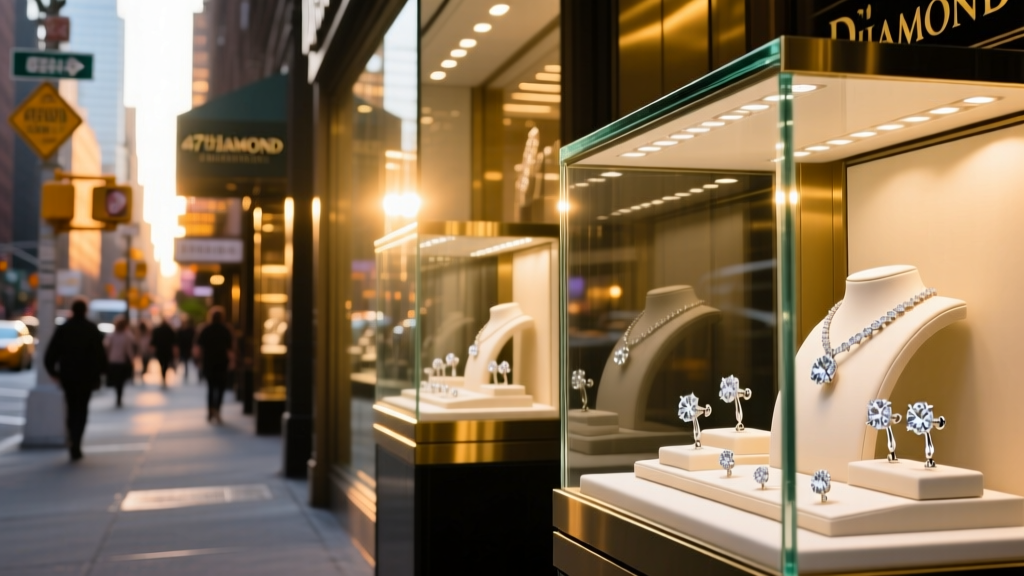
When jewelry enthusiasts and collectors refer to the 'earring plaza nyc' scene, they are rarely talking about a single building. Instead, this colloquial term encompasses the dense, vibrant clusters of earring vendors across Manhattan. From the high-security, high-end booths of the 47th Street Diamond District to the bustling wholesale plazas in Chinatown and the meticulously curated boutique hubs in Soho, New York City remains the global epicenter for earring procurement. However, navigating this sprawling marketplace in 2026 requires more than just a keen eye for fashion; it demands a rigorous understanding of metallurgy, gemology, and piercing anatomy.
Whether you are hunting for a pair of bespoke 18k gold huggies, implant-grade titanium cartilage hoops, or classic diamond studs, the NYC jewelry district offers unparalleled variety. Yet, the sheer volume of vendors can be overwhelming. Tourist traps sit shoulder-to-shoulder with legacy jewelers, making it imperative to know exactly what to look for before you hand over your credit card. This comprehensive buyer's guide will equip you with the technical knowledge and street-smart tactics needed to secure exceptional earrings in the city that never sleeps.
Metallurgy 101: What to Demand from NYC Vendors
The foundation of any high-quality earring is its metal. In the bustling plazas of NYC, you will encounter a wide spectrum of materials, but not all are created equal—especially when it comes to pieces that will sit inside a piercing. For fresh piercings or sensitive ears, the gold standard in 2026 is ASTM F-136 implant-grade titanium. Unlike commercial 'surgical steel,' which often contains nickel that triggers contact dermatitis, implant-grade titanium is entirely biocompatible. According to the Association of Professional Piercers, only materials that meet strict ASTM or ISO standards should be used for initial piercings or long-term wear in sensitive cartilage.
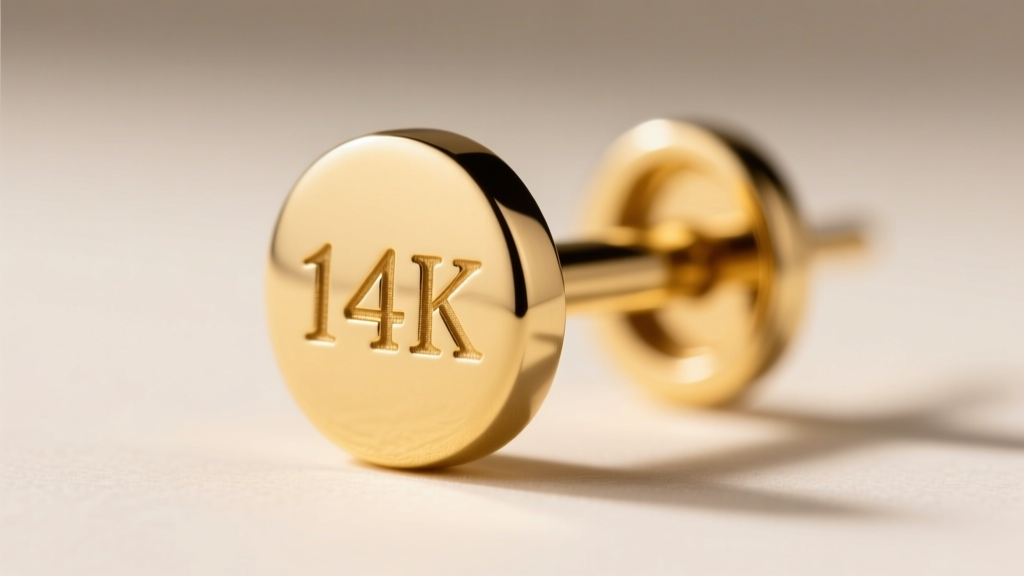
When shopping for gold earrings in the Diamond District, always inspect the hallmarks. A legitimate piece will feature both a purity stamp (e.g., 14K, 18K, or 750 for 18k) and a maker's mark. Be highly skeptical of vendors selling 'gold-plated' or 'vermeil' pieces at premium prices, as the thin layer of gold will inevitably wear away, exposing the base brass or copper underneath.
| Metal Type | Hallmark / Stamp | Best Use Case | Avg. NYC Price Range (Studs) |
|---|---|---|---|
| Implant-Grade Titanium | ASTM F-136 | Fresh piercings, sensitive cartilage | $80 - $250 |
| 14k Solid Gold | 14K, 585 | Everyday lobe wear, durable hoops | $350 - $800 |
| 18k Solid Gold | 18K, 750 | High-end luxury, diamond settings | $600 - $1,500+ |
| Platinum | PT, 950 | Heirloom pieces, heavy diamond studs | $1,200 - $3,000+ |
Gauge Sizes and the Cartilage Conundrum
One of the most common mistakes buyers make in the earring plaza nyc market is purchasing the wrong gauge size for their specific piercing. Gauge refers to the thickness of the earring post or wire, and using the wrong size can lead to irritation, migration, or the 'cheese-cutter effect' in delicate cartilage.
- Standard Lobe Piercings: Typically pierced at 20g (0.81mm) or 18g (1.02mm). Most commercial fashion earrings and fine jewelry studs are manufactured at 20g.
- Cartilage (Helix, Conch, Forward Helix): Professional piercers almost exclusively use 16g (1.29mm) or 14g (1.63mm) for cartilage to ensure stability and reduce rejection rates.
- Stretched Lobes: If you have stretched your lobes, you will need to visit specialized vendors in Soho or the East Village that cater to body modification, as standard Diamond District jewelers rarely stock gauges larger than 10g.
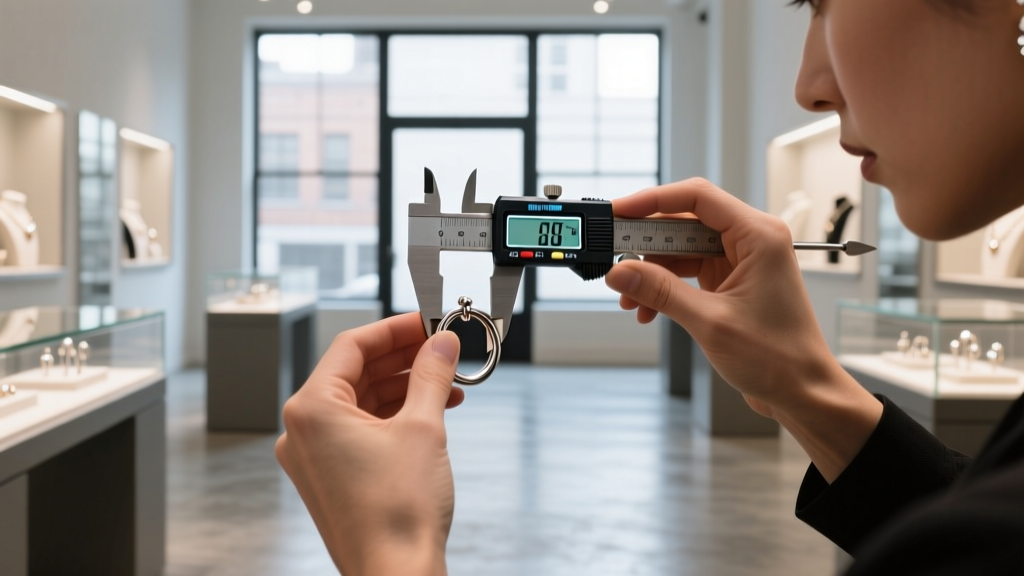
Always carry a digital caliper or ask the jeweler to measure the post thickness before purchasing. A reputable vendor will have no issue verifying the exact millimeter thickness of their inventory.
Navigating Lab-Grown vs. Natural Diamonds in 2026
The diamond earring market has undergone a seismic shift over the last few years. As of 2026, lab-grown diamonds dominate the mid-tier market in NYC, offering identical chemical and optical properties to mined diamonds at a fraction of the cost. When shopping for diamond studs or drop earrings, you must explicitly ask the vendor whether the stones are natural or lab-grown.
For any diamond earring pair featuring stones larger than 0.50 carats each, insist on seeing a grading report from a reputable, independent laboratory. The Gemological Institute of America (GIA) remains the most trusted authority for natural diamonds, while the IGI (International Gemological Institute) is widely accepted for lab-grown stones. Beware of 'in-house' appraisal certificates provided by the seller; these are often inflated and hold no weight in the secondary market. If a vendor in the 47th Street plaza cannot provide a verifiable GIA or IGI report for a high-carat piece, walk away.
Custom vs. Ready-to-Wear: Making the Choice
One of the greatest advantages of shopping in the NYC jewelry district is the proximity to master casters and CAD (Computer-Aided Design) technicians. If you have a highly specific vision—such as a pair of asymmetrical ear cuffs that perfectly map to your unique ear anatomy—custom fabrication is surprisingly accessible.
The process typically begins with a 3D CAD rendering, allowing you to approve the exact dimensions, prong placements, and metal weight before the piece is milled in wax and cast. While ready-to-wear earrings offer instant gratification, custom pieces ensure a flawless fit, particularly for complex cartilage constellations or conch chains. Expect to pay a 20% to 40% premium for custom CAD work and casting, and allow three to five weeks for completion.
'The secret to buying fine earrings in New York isn't just about finding the lowest price; it's about finding a jeweler who understands the biomechanics of the ear. A beautiful earring that sits at the wrong angle due to poor post placement will never be worn.' — Master Jeweler, 47th Street District.
The Art of the Deal: Negotiation Tactics
Unlike high-end retail boutiques in Midtown where prices are fixed, the wholesale plazas and Diamond District booths operate on a negotiation model. However, haggling requires tact, knowledge, and respect. Here is a practical framework for negotiating in 2026:
- Do Your Homework: Know the current spot price of gold and the wholesale pricing for lab-grown diamonds. If you know the melt value of the gold and the wholesale cost of the stones, you can confidently counter a vendor's initial markup.
- The Cash/Wire Discount: Many vendors in the Diamond District will offer a 5% to 15% discount if you pay via wire transfer or cash, as it saves them credit card processing fees. Always ask, 'What is your best cash price?'
- Bundle Purchases: You will have significantly more leverage if you are buying multiple pairs—perhaps a pair of studs for yourself and huggies for a gift. Vendors are much more willing to slash margins on a higher total volume.
Red Flags and Tourist Traps to Avoid
While the earring plaza nyc experience is largely positive for educated buyers, the area is not without its pitfalls. Avoid any vendor who pressures you with 'today only' discounts; genuine jewelers know that fine jewelry is a considered purchase. Additionally, be wary of 'street sellers' outside the secure buildings offering luxury brand replicas or 'fallen off a truck' deals. These pieces are almost universally brass plated with a microscopic layer of gold that will turn your skin green within a week.
Finally, always check the earring backs and clasps. A high-quality 14k gold earring should feature a sturdy, well-tensioned butterfly back or a secure screw-back for valuable diamonds. If the clutch feels loose, flimsy, or is made of a different, cheaper metal than the post, it is a hallmark of mass-produced, low-tier manufacturing.
Final Checklist Before You Buy
Before you finalize your purchase and step back out into the Manhattan hustle, run through this quick quality assurance checklist:
- Verify the metal hallmark and maker's mark under a jeweler's loupe.
- Confirm the gauge size matches your specific piercing requirements.
- Review the GIA or IGI certificate and ensure the laser inscription on the diamond girdle matches the report number.
- Test the clasp, hinge, or earring back to ensure smooth, secure mechanical function.
- Obtain a detailed, itemized receipt that explicitly states the metal purity, gemstone origin (natural vs. lab), and exact carat weight.
Armed with this technical knowledge and a discerning eye, your next expedition into the New York City earring markets will be both highly rewarding and entirely secure.


