Kate Middleton Sézane Earrings: Cleaning & Care Guide
Discover expert cleaning and maintenance tips for Kate Middleton Sézane earrings. Learn how to protect gold-plated brass from tarnish and wear.

The Royal Standard: Understanding Sézane's Material Composition
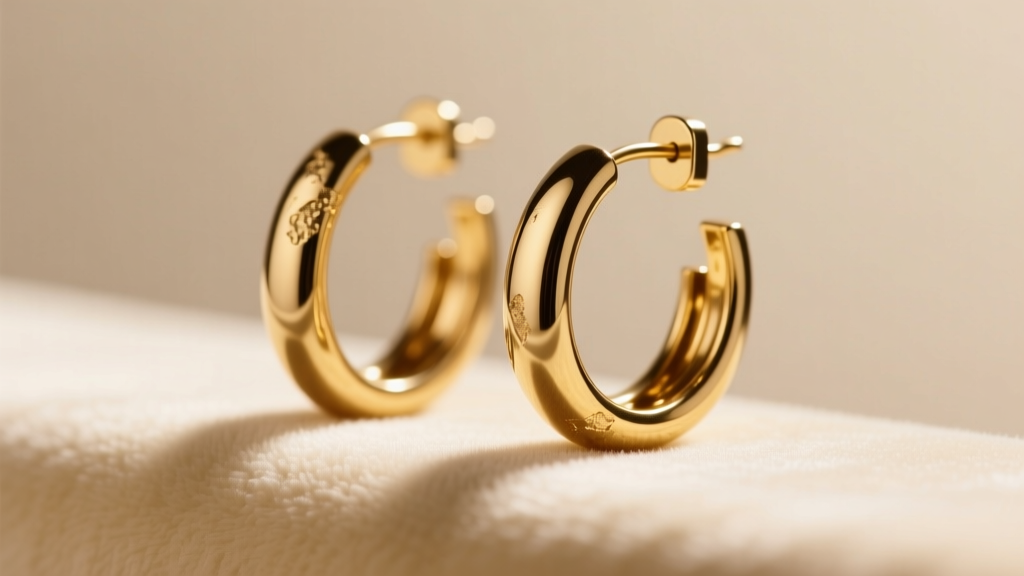
When the Princess of Wales steps out wearing her favorite gold hoops, the internet inevitably searches for the exact pair. The frequent appearances of Kate Middleton Sézane earrings—most notably the iconic Les Créoles and Pompon styles—have cemented the French brand as a royal-approved staple. However, replicating this elegant aesthetic requires more than just making a purchase; it demands a rigorous understanding of jewelry metallurgy to ensure your pieces last.
To properly care for these earrings, you must first understand their core anatomy. Sézane primarily utilizes a brass base (often referred to as laiton in French manufacturing) coated with 24-karat gold plating. Unlike gold vermeil, which legally requires a sterling silver base and a minimum of 2.5 microns of gold thickness, standard gold-plated brass jewelry typically features a much thinner gold layer, usually ranging between 0.5 and 1.5 microns. According to the Federal Trade Commission Jewelry Guides, this thin electroplated layer is highly susceptible to friction, moisture, and chemical degradation. Because brass is an alloy of copper and zinc, any breach in the gold plating will expose the copper to air and skin acids, resulting in rapid oxidation and the dreaded green tarnish.
Daily Wear Protocols: Preventing Tarnish Before It Starts
The most effective cleaning method is proactive prevention. Gold-plated brass is highly reactive to the sulfur compounds in the air and the lactic acid present in human sweat. To maximize the lifespan of the 24k gold finish, you must adopt a strict "Last On, First Off" protocol.
- Cosmetics and Fragrances: Hairspray, perfume, and lotions contain alcohols and volatile organic compounds (VOCs) that break down the microscopic gold layer. Always apply your fragrances and skincare routines at least 15 minutes before putting on your earrings.
- Moisture Exposure: Never wear gold-plated brass earrings in the shower, swimming pool, or ocean. Chlorine and saltwater are highly corrosive to both the gold plating and the underlying brass alloy.
- Friction Management: Avoid wearing heavy, textured scarves or high-collared wool coats that constantly rub against the earrings. Micro-abrasions from rough fabrics will accelerate the wearing away of the gold plating.
Step-by-Step Cleaning Method for Gold-Plated Brass
When your Kate Middleton Sézane earrings accumulate skin oils, cosmetic residue, or environmental dust, they require a gentle, non-abrasive cleaning process. The Gemological Institute of America (GIA) recommends mild, non-detergent soaps for delicate gold finishes. Here is the exact protocol to follow:
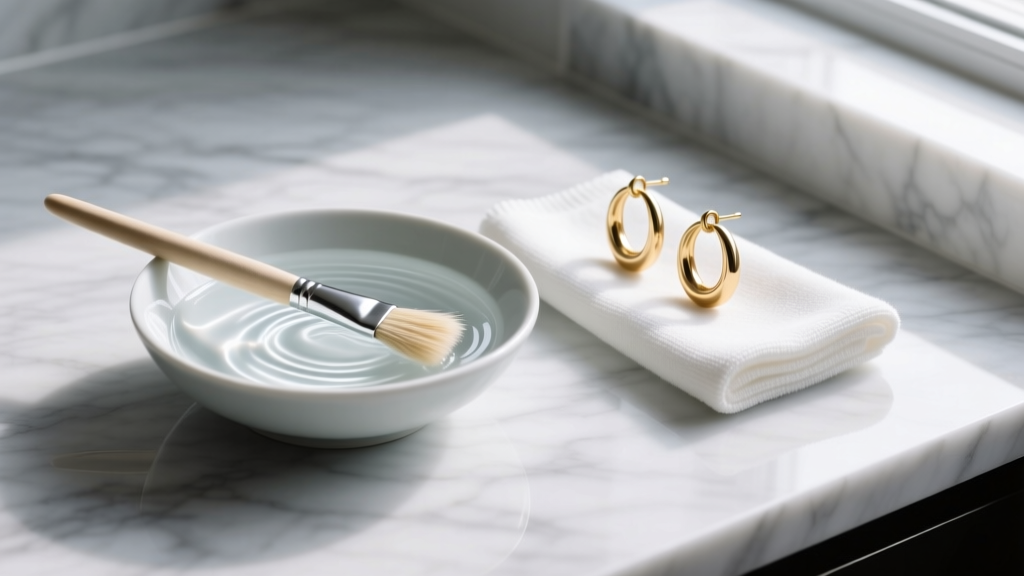
- Prepare the Solution: Fill a small glass bowl with distilled water. Do not use tap water, as the chlorine and hard minerals can leave microscopic deposits on the gold. Add a single drop of pH-neutral dish soap (such as original Dawn) and gently stir to create a mild lather.
- Gentle Agitation: Submerge the earrings for no more than 60 seconds. Using a brand-new, ultra-soft baby toothbrush, gently sweep the bristles over the surface of the earrings. Pay special attention to the earring posts and the clasp mechanisms, where skin oils and hair product buildup tend to accumulate.
- The Rinse: Rinse the earrings briefly under a gentle stream of lukewarm distilled water to remove all soap residue.
- Immediate Drying: Never let gold-plated brass air dry, as water spots will permanently etch into the finish. Immediately pat the earrings completely dry using a lint-free microfiber cloth. Ensure the crevices around the clasp are entirely moisture-free before storing.
Cleaning Agents and Tools to Absolutely Avoid
Many well-intentioned jewelry owners accidentally destroy their gold-plated pieces by using aggressive home remedies. Never use baking soda, toothpaste, or lemon juice. These substances are highly abrasive or acidic and will strip the 1-micron gold layer down to the raw brass in seconds. Furthermore, avoid commercial silver polishing cloths; these are impregnated with tarnish-removing chemicals designed for solid silver and will aggressively pull the gold plating off your brass earrings.
Warning: Never place gold-plated brass earrings in an ultrasonic jewelry cleaner. The high-frequency acoustic cavitation bubbles created by these machines will literally blast the thin gold electroplating off the brass base, ruining the piece instantly.
Troubleshooting Common Brass Earring Issues
Even with meticulous care, gold-plated brass jewelry will eventually show signs of wear due to its metallurgical nature. Below is a diagnostic framework for identifying and resolving the most common issues associated with these specific earrings.
| Symptom | Root Cause | Actionable Solution |
|---|---|---|
| Green Skin Discoloration | Copper in the brass base reacting to lactic acid and sweat pH. | Wipe earring posts with rubbing alcohol; apply a thin coat of clear nail polish to the posts to create a physical barrier. |
| Flaking Gold Layer | Micro-abrasions from clothing, hair, or improper polishing cloths. | Stop wearing immediately to prevent ingestion of flakes; consult a professional jeweler for electroplating restoration. |
| Dull, Cloudy Finish | Hard water mineral deposits, skin oils, or cosmetic film buildup. | Soak in distilled water and pH-neutral soap; gently brush with a baby toothbrush and dry with microfiber. |
| Dark Black Tarnish | Exposure to sulfur compounds in the air, hot springs, or polluted environments. | Use a dedicated, dry gold-polishing cloth (never wet or silver cloths) to gently buff the surface back to a shine. |
Long-Term Storage and Re-Plating Options
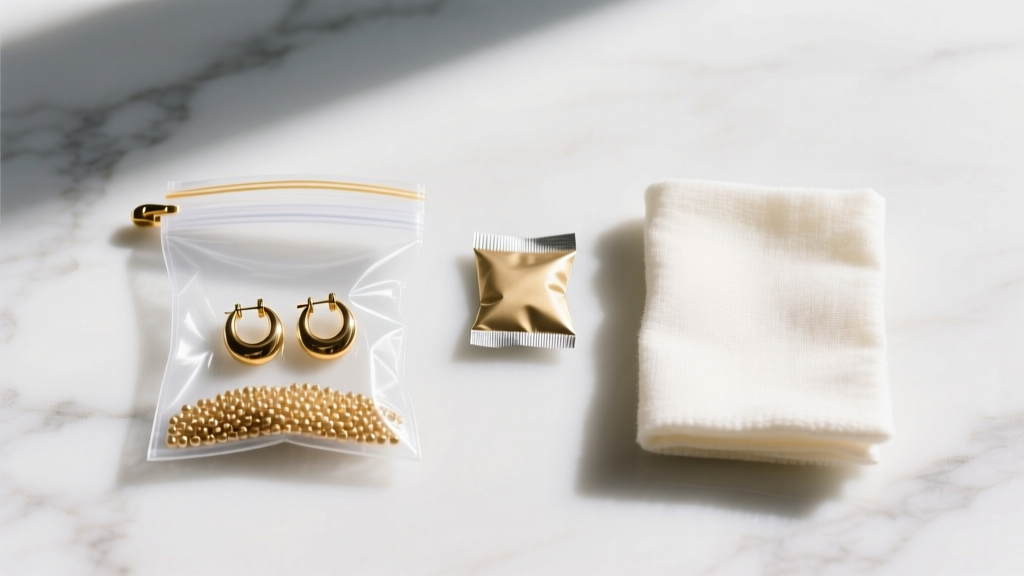
How you store your earrings when they are not adorning your ears is just as critical as how you clean them. Brass oxidizes simply by being exposed to oxygen and ambient humidity. To halt this chemical process, store your earrings in an airtight, anti-tarnish ziplock bag. For optimal preservation, include a small silica gel desiccant packet to absorb residual moisture, alongside a 3M anti-tarnish strip. These strips actively absorb sulfur and other corrosive gases from the air inside the bag, effectively putting the oxidation process on pause.
If your favorite pair has already suffered significant plating loss, exposing the raw brass underneath, all is not lost. You do not need to throw them away. Many local jewelers and specialized mail-in services offer electroplating restoration. For a typical cost ranging from $35 to $65, a professional can polish the brass base and apply a fresh, heavy layer of 14k or 24k gold, effectively giving your earrings a second life and making them more durable than when they left the factory.
Final Thoughts on Maintaining Royal-Inspired Jewelry
The enduring appeal of Kate Middleton Sézane earrings lies in their accessible luxury and timeless design. However, treating gold-plated brass with the same casual approach as solid 14k gold is a recipe for disappointment. By respecting the material's limitations, adhering to strict moisture and chemical boundaries, and utilizing the precise cleaning techniques outlined above, you can maintain the brilliant, royal-approved shine of your earrings for years to come. Remember that fashion jewelry is an investment in style, and its longevity is entirely dependent on the expertise of its caretaker.


