Clasp Earrings Value Guide: Top Budget Picks for 2026
Assess the true value of clasp earrings in 2026. We analyze leverback, hinged, and latch-back failure modes, metal grades, and budget tiers.

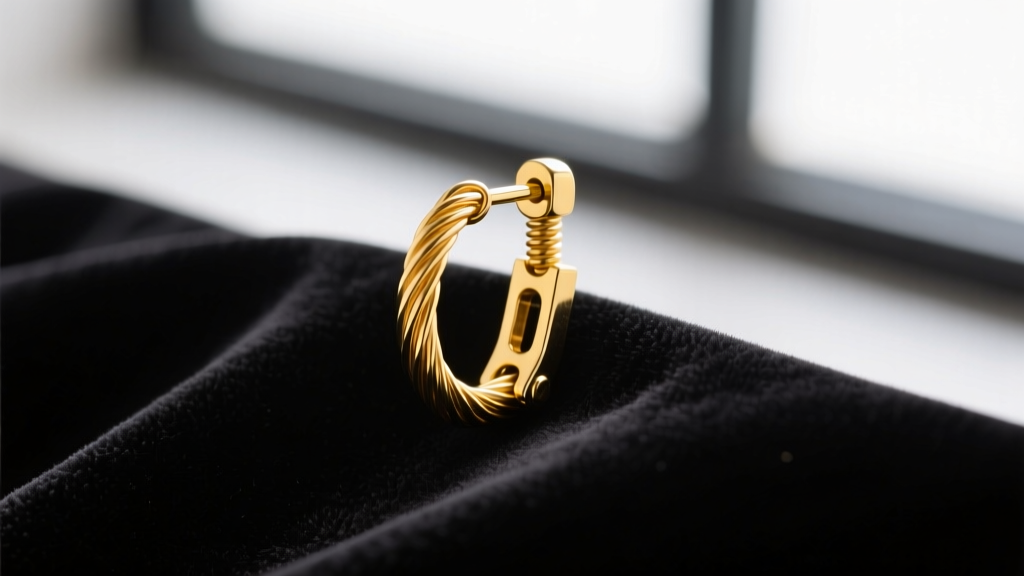
When building a curated jewelry collection, shoppers often obsess over gemstone clarity or gold purity, completely overlooking the mechanical hardware that keeps the piece secure on the ear. This is especially true for clasp earrings. In 2026, with precious metal markets experiencing continued volatility, consumers are aggressively hunting for budget-friendly alternatives. However, evaluating the true value of clasp earrings requires looking far beyond the price tag and metal stamp. A cheap clasp mechanism is a structural liability, turning a beautiful piece of jewelry into a lost investment waiting to happen.
Whether you are shopping for leverbacks, hinged huggies, or saddleback latches, understanding the mechanical tolerances, material grades, and common failure modes is critical. This comprehensive value assessment breaks down exactly what you are paying for across different budget tiers, helping you distinguish between genuine mid-tier value and engineered obsolescence.
The Anatomy of Clasp Earrings: Where Budget Meets Mechanics
Not all closures are created equal. The term 'clasp earrings' generally encompasses three primary secure-closure mechanisms, each with distinct mechanical vulnerabilities that scale directly with manufacturing costs.
1. The Leverback (Fishhook)
The leverback is a staple for drop and dangle earrings. It features a hinged wire that passes through the piercing and snaps into a small catch on the back of the earring. Budget manufacturers frequently cut costs by using 22-gauge (0.64mm) wire for the hook. While this saves on raw metal weight, 22-gauge wire is highly susceptible to work hardening. Over time, the repetitive bending of opening and closing the clasp causes the metal to become brittle and snap. True value-tier leverbacks utilize 20-gauge (0.81mm) or 18-gauge (1.02mm) wire, which maintains structural integrity and tension for years.
2. The Hinged Snap (Huggies and Small Hoops)
Hinged clasps rely on a micro-pin connecting the front and back halves of the hoop, with a 'V-notch' or tongue-and-groove latch that clicks shut. The primary failure point in budget hinged earrings is the micro-pin itself. If the pin is crafted from soft, unplated brass to save costs, it will eventually shear off under the lateral torque of daily wear. Premium and high-value mid-tier options use hardened steel or solid gold alloy pins to prevent catastrophic hinge failure.
3. The Latch-Back (Saddleback)
Common in larger hoop earrings, the latch-back features a hinged saddle that swings up to meet a curved catch wire. The vulnerability here lies in the catch groove. Inexpensive stamped metals will slowly deform, widening the groove until the saddle no longer clicks securely into place, resulting in the earring sliding off the lobe unnoticed.
The 2026 Budget vs. Value Matrix
To accurately assess clasp earrings, we must map price tiers against expected mechanical lifespans. The table below illustrates the hidden realities of earring manufacturing across the current market landscape.
| Value Tier | Price Range | Primary Materials | Clasp Mechanism | Expected Lifespan | Common Failure Mode |
|---|---|---|---|---|---|
| Fast Fashion | Under $30 | Brass, Zinc Alloy, Flash Plating | Stamped Latch, 22g Leverback | 3-6 Months | Hinge pin shear, catch groove deformation |
| Mid-Tier Value | $35 - $85 | 925 Silver, 14k Gold Filled, 316L Steel | Cast Hinged Snap, 20g Leverback | 2-5 Years | Silver work-hardening, V-notch wear |
| Premium Investment | $90 - $250+ | Solid 14k/18k Gold, Platinum | Engineered Snap, 18g Leverback | Lifetime | Loss of tension (easily repaired by a jeweler) |
As the data indicates, the 'Mid-Tier Value' bracket offers the highest return on investment. You avoid the immediate mechanical failures of fast fashion without paying the steep premiums associated with solid high-karat gold casting.
Material Grades and Tension Retention
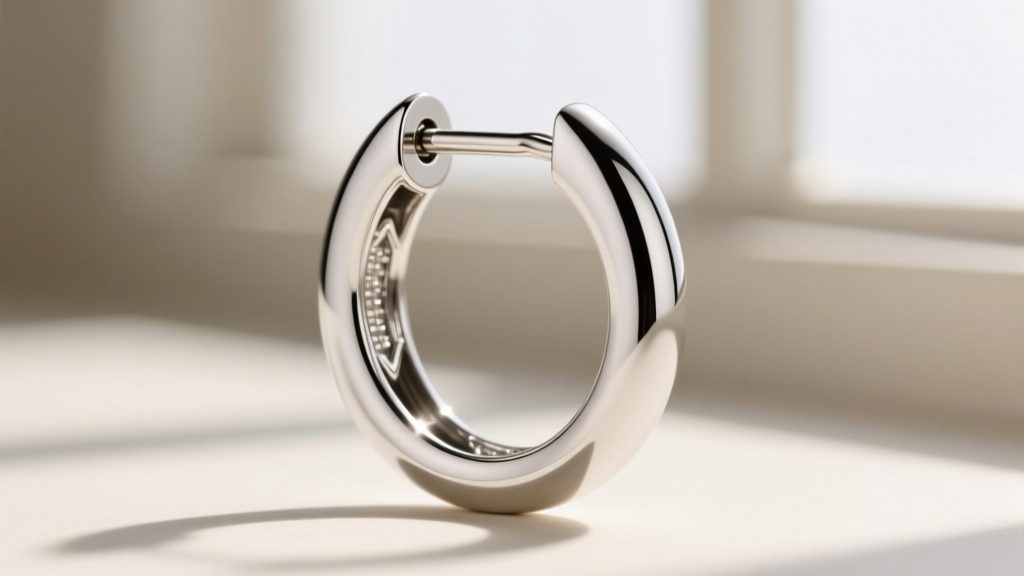
The metal alloy used to cast or stamp the clasp dictates its ability to retain tension. Tension is the invisible force that keeps a leverback snapped shut or a hinged hoop clicked securely into its groove.
316L Surgical Steel
For budget shoppers, 316L stainless steel is the undisputed champion of mechanical durability. It possesses a high tensile strength and excellent spring-back memory, meaning a steel leverback will retain its hook tension far longer than a budget sterling silver one. The drawback is aesthetic and hypoallergenic; while highly resistant to tarnish, steel lacks the prestige and malleability of precious metals, making it difficult for a jeweler to resize or repair if bent out of shape.
925 Sterling Silver and the Rhodium Factor
Sterling silver is the industry standard for mid-tier clasp earrings. However, pure silver is too soft for clasps, which is why it is alloyed with copper (7.5%) to create 925 silver. The copper provides the necessary hardness, but it also introduces a vulnerability: work hardening. Every time you open and close a silver leverback, the crystalline structure of the metal compresses. Over hundreds of cycles, the silver becomes brittle. To combat this, high-value silver earrings are often rhodium-plated. According to the FTC Jewelry Guides, proper plating not only prevents tarnish but can add a microscopic layer of surface hardness that protects the underlying catch grooves from friction wear.
14k Gold Filled vs. Gold Vermeil
Shoppers often confuse gold vermeil with gold filled when evaluating budget clasp earrings. Vermeil is a thick layer of gold (minimum 2.5 microns) over a sterling silver base. Gold filled, however, involves mechanically bonding a much thicker layer of 14k gold to a brass or steel core using heat and pressure. For clasp mechanisms that endure high friction—like the rubbing of a latch-back wire against a catch groove—gold filled is vastly superior. The gold layer will not rub off at the friction point, preserving both the aesthetic and the structural integrity of the moving parts.
The Hidden Costs of 'Cheap' Closures
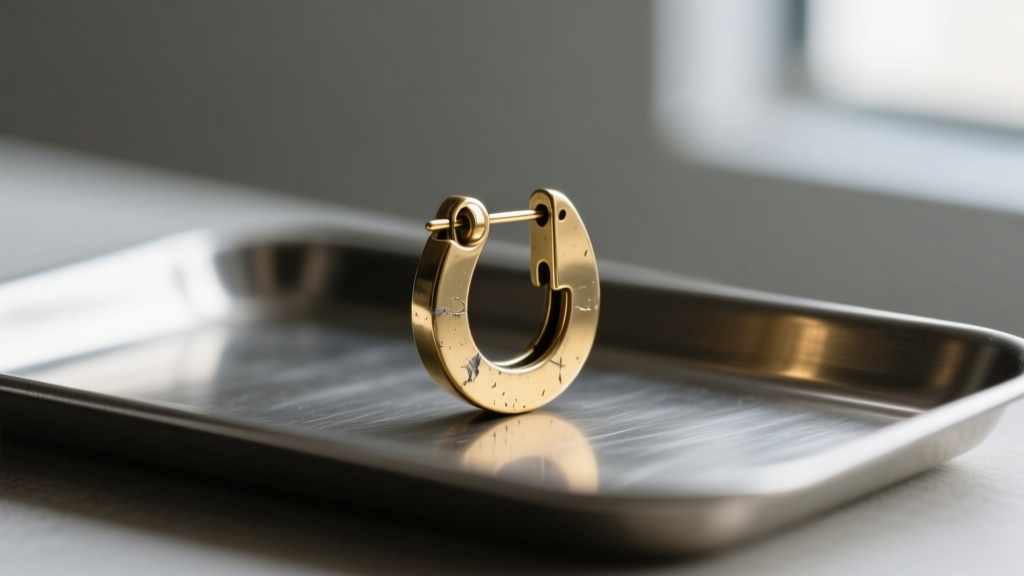
The true cost of a budget clasp is rarely the price of the earring itself; it is the cost of what the earring is holding. Consider a scenario where a consumer purchases a beautiful pair of $400 sapphire drops, but opts to save money by having them set in a lightweight, budget-tier 10k gold leverback setting with a thin 22-gauge wire.
According to gemological setting standards outlined by the Gemological Institute of America (GIA), the security of a gemstone is entirely dependent on the stability of its mounting. If that thin budget leverback wire catches on a sweater and bends, or if the work-hardened silver hinge snaps while walking through a crowded terminal, the $400 sapphires are instantly lost. The 'savings' of buying a cheaper clasp setting are entirely negated by the catastrophic failure of the hardware. This is why professional jewelers and fabrication experts, such as those at Rio Grande, consistently recommend prioritizing the structural gauge and alloy quality of the finding over the sheer weight of the precious metal.
The Verdict: An Actionable Buying Framework
To maximize your jewelry budget in 2026 without sacrificing security, apply this three-point checklist when purchasing clasp earrings:
- Audit the Wire Gauge: If buying leverbacks, visually inspect the hook wire. If it looks as thin as a sewing needle (22g or higher), pass. Look for substantial 20g or 18g wire that offers gentle resistance when opened.
- Test the Hinge Tolerance: For hinged hoops and huggies, open the clasp and look at the micro-pin. It should sit perfectly flush with no lateral wiggling. Shake the earring gently near your ear; if you hear a metallic rattle, the internal pin housing is too loose and will eventually fail.
- Prioritize Gold-Filled for Friction Points: If you want the look of gold on a strict budget, choose 14k gold-filled over vermeil for any earring with a moving latch or catch groove. The mechanical bonding process ensures the gold will not wear away at the exact point where the metal rubs against itself.
Ultimately, the best value in clasp earrings is found by respecting the physics of the closure. By investing slightly more in proper wire gauges, hardened hinge pins, and friction-resistant alloys, you ensure that your earrings remain securely in place, protecting both your investment and your peace of mind.


