Best Budget Dice Earring Options: 2026 Value Guide
Discover the best budget dice earring options for 2026. We compare materials, pricing, and durability to help you find ultimate geek-chic value.

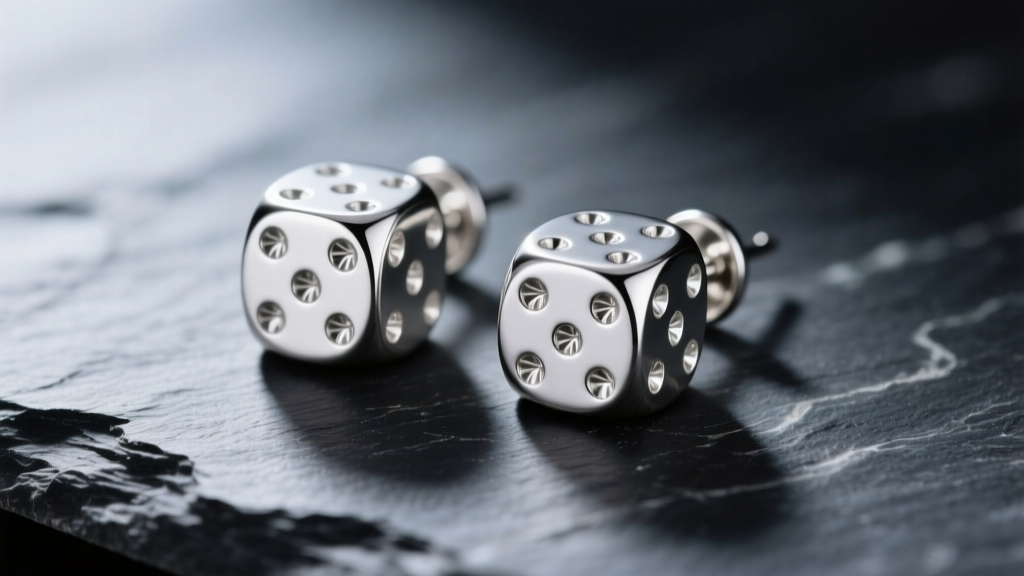
The Anatomy of a High-Value Dice Earring
Dice earrings have successfully crossed over from niche tabletop gaming merchandise into mainstream minimalist fashion. However, the market is currently flooded with poorly engineered novelty jewelry that prioritizes aesthetic gimmicks over structural integrity and lobe health. As we navigate the 2026 jewelry market, finding a high-value dice earring requires looking past the initial price tag and evaluating the metallurgy, weight distribution, and hardware engineering. A true budget-friendly option isn't the cheapest pair on the market; it is the pair that won't stretch your piercings, turn your skin green, or lose its pips after a month of daily wear.
The Physics Problem: Weight vs. Lobe Health
The most common failure point for cubic jewelry is weight. A standard 10mm cube of solid 925 sterling silver weighs approximately 10.5 grams. According to guidelines discussed by the Association of Professional Piercers (APP), standard earlobes are generally most comfortable with everyday jewelry weighing under 7 grams. Consistently wearing 10+ gram earrings leads to lobe migration, stretching, and eventual tearing.
Therefore, high-value dice earrings in the 8mm to 12mm range must be hollow-cast, resin-cored, or feature a lightweight titanium base. If a brand is selling a 10mm solid brass or steel die for $12, they are selling you a future lobe-stretching problem. True value in this niche means paying for structural engineering—like hollow electroforming—that maintains the visual impact of a larger die while keeping the weight under 4 grams.
Material Matrix: Where Your Money Actually Goes
When assessing budget dice earrings, the base metal dictates both the longevity of the piece and your skin's reaction to it. Here is how the most common materials stack up in the current market.
| Material | Avg. Price Range | Weight Profile | Hypoallergenic Rating | Value Verdict |
|---|---|---|---|---|
| Zinc Alloy / Brass | $5 - $15 | Heavy (Solid) | Poor (High Nickel Risk) | Avoid. High failure rate, causes oxidation and green skin. |
| 925 Sterling Silver | $25 - $60 | Moderate (If Hollow) | Good (If Nickel-Free) | Excellent mid-tier value. Requires rhodium plating to prevent tarnish. |
| ASTM F136 Titanium | $35 - $75 | Ultra-Light | Superior (Implant Grade) | Best overall value for sensitive ears and cartilage piercings. |
| Gold Vermeil (Silver Base) | $45 - $90 | Moderate | Good | Premium budget. Must be at least 2.5 microns thick per Jewelers of America standards. |
The "Cheese-Cutter" Effect and Gauge Sizing
Many mass-produced novelty earrings cut costs by using flimsy 22-gauge (0.6mm) or 20-gauge (0.8mm) wire for the earring post. When you attach a heavy cubic die to a thin wire, the physics of the "cheese-cutter effect" takes over. The downward force of the cube concentrates entirely on the tiny surface area of the thin wire, slowly slicing through the bottom of your piercing hole.
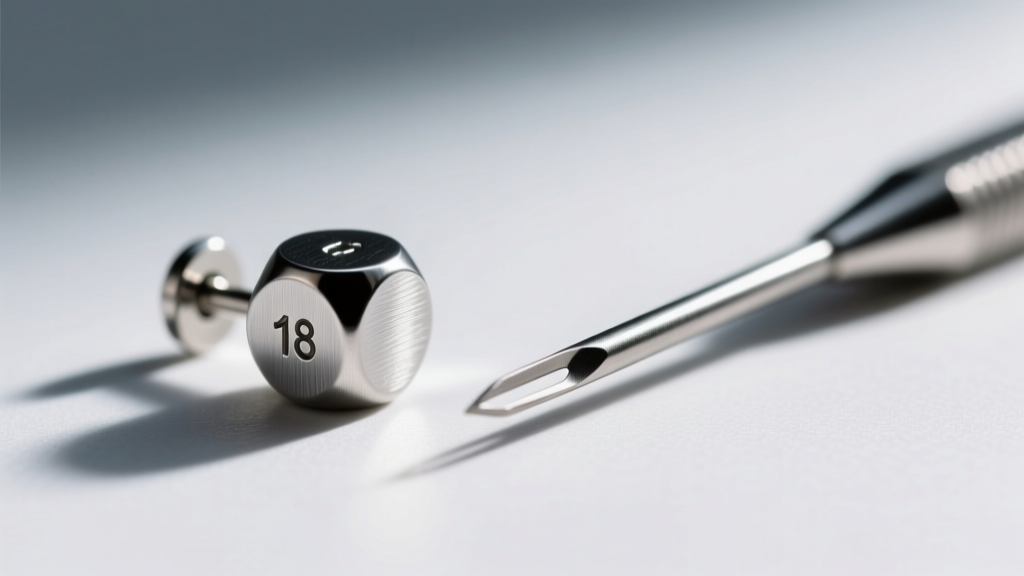
Optimal Gauge Specifications
- 6mm Dice (Studs): 20G (0.8mm) is acceptable due to the low overall weight of the small cube.
- 8mm to 10mm Dice (Dangles/Studs): 18G (1.0mm) is the absolute minimum to distribute weight safely across the lobe.
- Cartilage / Helix Placements: 16G (1.2mm) is highly recommended. Cartilage is less forgiving than lobe tissue, and a thicker titanium post prevents rejection and irritation bumps.
Friction Backs vs. Screw Backs
For dice earrings larger than 8mm, standard butterfly friction backs often fail. The cubic shape catches on hair and clothing, easily pulling the friction back off the post. High-value budget options will offer threaded screw-backs or secure silicone O-rings that lock the die in place, preventing you from losing your favorite piece in the wild.
Pip Application: Enamel vs. Engraving
The "pips" (the dots on the dice) are another area where manufacturers slash budgets. Understanding how the pips are applied will tell you exactly how long the earring will look pristine.
Cold Enamel (Epoxy Paint): Common in sub-$15 options. This is essentially painted resin. It chips, flakes, and degrades when exposed to skincare acids, perfumes, and natural skin oils. Expect a 3-to-6-month lifespan before the die looks worn and uneven.
Laser Engraving: The best budget-friendly option. The pips are physically burned or carved into the metal. While it lacks the high-contrast color of black enamel, it is virtually indestructible. The only maintenance required is an occasional scrub with a soft toothbrush and mild soap to remove trapped sebum from the engraved grooves.
Vitreous Enamel: Fired glass enamel fused to metal at high temperatures. It offers the crisp, glossy black pips of a real casino die but is rarely found in the budget tier, usually pushing the price above $80.
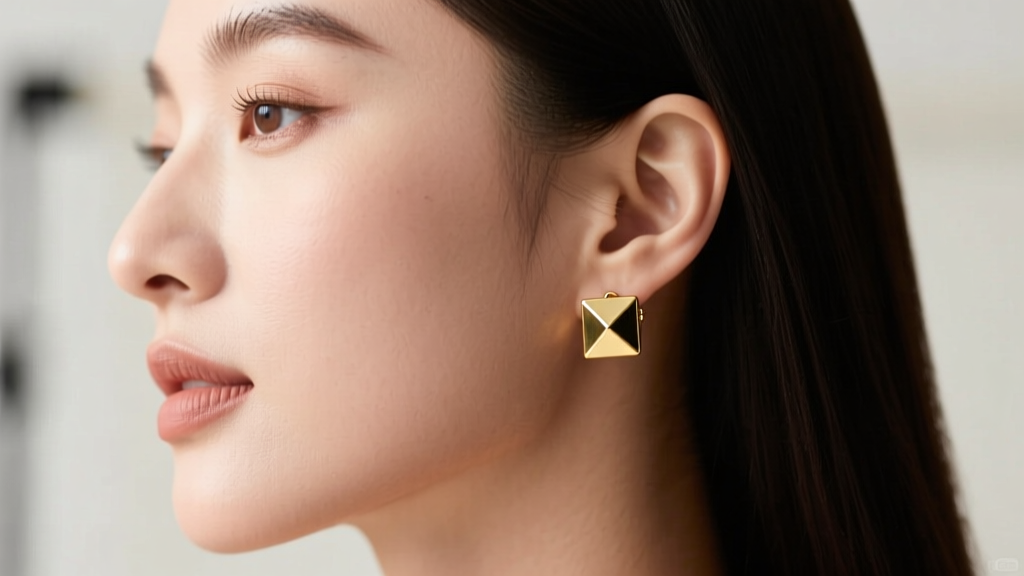
2026 Pricing Tiers & Value Verdict
Based on current market analysis, here is what you should expect to pay for a quality pair of dice earrings, and what that money should actually buy you.
- The Danger Zone ($5 - $18): Usually solid brass or zinc alloy with painted pips and thin 22G posts. The hidden cost here is the potential damage to your piercings and the rapid tarnishing of the metal.
- The Sweet Spot ($25 - $55): This is where true value lives. You should expect hollow-cast or resin-core 925 sterling silver, or implant-grade titanium. Pips should be laser-engraved or high-quality vitreous enamel. Posts should be 18G or thicker.
- The Premium Tier ($60 - $110): Heavy gold vermeil (minimum 2.5 microns over sterling silver), intricate inlaid gemstone pips (like black onyx or white mother-of-pearl), and specialized secure-locking hardware.
Pro Tip: If you are buying dice earrings for an unhealed or recently stretched piercing, bypass silver and gold entirely. Stick strictly to ASTM F136 implant-grade titanium to avoid metal hypersensitivity reactions during the healing process.
Final Thoughts on Maximizing Your Investment
Ultimately, the best budget dice earring isn't the one with the lowest price tag; it's the one that respects the anatomy of your ear. By prioritizing hollow construction, 18-gauge posts, and laser-engraved or inlaid pips, you can secure a piece of geek-chic jewelry that survives daily wear and tear. In 2026, smart consumers are abandoning fast-fashion novelty jewelry in favor of small-batch metallurgy that offers lifelong durability at a mid-tier price point. Check the weight, verify the gauge, and roll the dice on quality over quantity.


