Essential Earring Names and 2026 Style Trend Analysis
Discover essential earring names, from huggies to ear cuffs, and explore 2026 style trends, material grades, and gauge sizing for curated ear styling.

The Anatomy of the Curated Ear: Decoding Earring Names
The evolution of ear styling over the last decade has transformed a simple accessory into a complex architectural statement. As we navigate the style landscape of 2026, understanding specific earring names is no longer just for jewelers and professional piercers; it is a fundamental requirement for anyone looking to curate a cohesive, balanced, and anatomically correct ear project. Using the correct terminology ensures you purchase the right gauge, diameter, and backing mechanism for your specific piercing placements.
When consumers search for generic terms like 'small hoops' or 'cartilage studs,' they often end up with jewelry that causes migration, irritation bumps, or tearing. By mastering precise earring names, you unlock the ability to communicate effectively with piercers, select appropriate materials, and predict how a piece will behave in your unique ear anatomy.
Lobe vs. Cartilage: Foundation Pieces
The foundation of any ear curation begins with understanding the structural differences between lobe and cartilage jewelry. While both can technically host 'studs,' the mechanics differ vastly.
- Flat-Back Labrets: The undisputed king of cartilage piercings (helix, conch, tragus). Unlike traditional butterfly-back studs that dig into the back of the ear and trap bacteria, flat-back labrets sit flush against the tissue. In 2026, threadless (push-pin) labrets have largely overtaken internally threaded options due to their seamless insertion and secure tension fit.
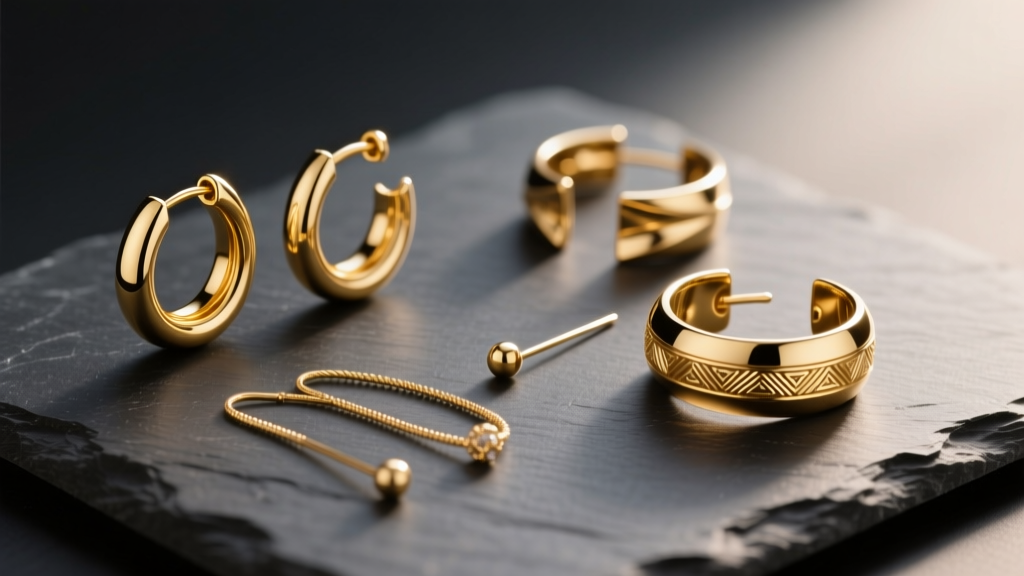
- Huggies vs. Continuous Hoops: A 'huggie' is a specific type of small, hinged hoop designed to hug the earlobe or outer helix tightly, typically featuring an inner diameter (ID) of 8mm to 10mm. Continuous or seamless hoops, conversely, lack a hinge and rely on the tension of the metal wire snapping into a hollow receiving tube, requiring a slightly larger ID (10mm to 12mm) to accommodate the curvature of the cartilage without pinching.
2026 Trend Analysis: Which Earring Styles Are Dominating?
The minimalist, micro-stud era of the early 2020s has officially given way to 'Ear Architecture' in 2026. The current trend cycle favors kinetic movement, textural contrast, and asymmetrical balancing. Here are the specific earring names driving the current market:
Ear Threaders and Chain Drops
Ear threaders consist of a fine chain (often a box or snake chain) with a rigid needle at one end that threads entirely through the piercing, relying on friction and gravity to stay in place. In 2026, we are seeing a massive surge in 'double-loop' threaders that weave through two separate lobe piercings, creating an intricate, lace-like effect. They offer unparalleled kinetic movement, catching the light with every turn of the head.
Ear Climbers and Crawlers
Designed to give the illusion of multiple piercings from a single hole, ear climbers feature a curved wire that tracks upward along the edge of the earlobe or helix. The 2026 iteration of the climber has moved away from delicate floral motifs toward brutalist, geometric shapes and raw, uncut gemstone settings.
Non-Pierced Ear Cuffs
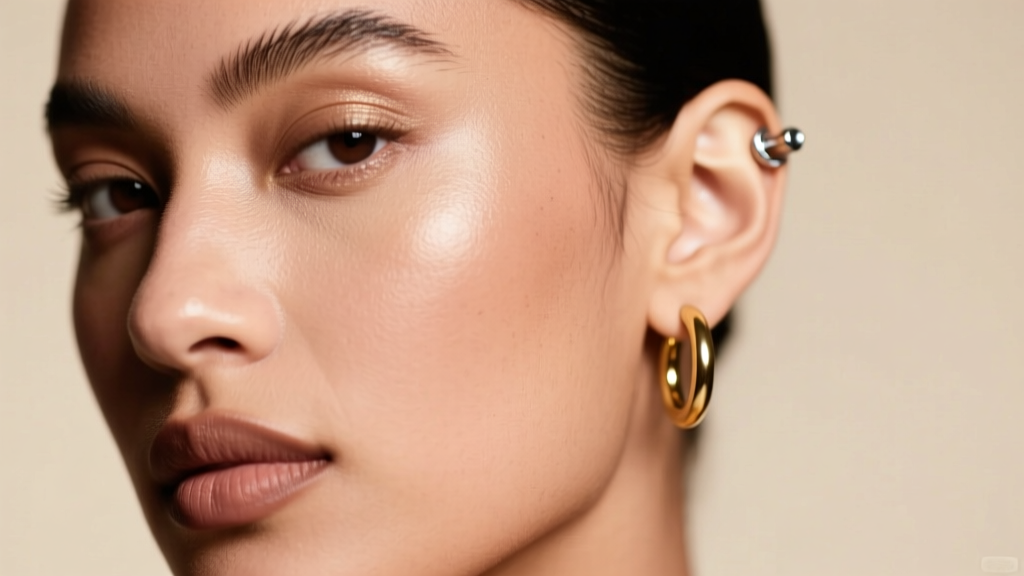
For those unwilling to commit to cartilage needles, the modern ear cuff utilizes precise tension-based C-shapes or wrap-around wire designs. High-end 2026 cuffs are engineered with adjustable tension screws, allowing the wearer to customize the grip for the thinnest part of the helix without fear of losing the piece.
Market Data: 2026 Earring Style Popularity & Pricing
| Earring Name | Primary Placement | Standard Gauge | 2026 Trend Status | Avg. Price (14k Solid Gold) |
|---|---|---|---|---|
| Threadless Labret | Helix, Conch, Tragus | 16g or 14g | Baseline Essential | $85 - $250 |
| Huggie Hoop | Lobe, Outer Helix | 16g or 14g | High Demand | $120 - $400 |
| Ear Threader | Lobe (Standard) | 20g or 18g | Surging / Viral | $90 - $350 |
| Ear Cuff (Tension) | Helix / Scapha | N/A (Non-pierced) | Niche / Editorial | $60 - $200 |
| Jacket Stud | Lobe (Standard) | 18g or 16g | Steady / Classic | $150 - $500 |
Material Grades & Failure Modes: Beyond the Aesthetics
Knowing earring names is only half the battle; understanding material science is what prevents long-term tissue damage and allergic contact dermatitis. The jewelry industry is rife with misleading marketing terms like 'surgical steel' or 'hypoallergenic,' which often mask poor metallurgical quality.
The Titanium Standard: ASTM F-136
For any fresh piercing or sensitive ear, ASTM F-136 implant-grade titanium is the absolute gold standard. Unlike 316L 'surgical' steel, which contains up to 14% nickel (a known sensitizer that leaches when exposed to the saline environment of a healing fistula), F-136 titanium is entirely nickel-free. Furthermore, it can be anodized to create vibrant, safe colors without the use of toxic paints or platings that can flake off inside the piercing channel.
Gold Alloys and the Nickel Trap
When investing in precious metals, the karat weight dictates both the color and the durability. According to the Gemological Institute of America (GIA), 24k gold is too soft for body jewelry, as it will easily warp and harbor bacteria in microscopic scratches. 14k and 18k gold offer the ideal balance of purity and structural integrity. However, buyers must be wary of 14k white gold. To achieve the white color, manufacturers often alloy the gold with nickel and plate it with rhodium. Once the rhodium wears away, the nickel is exposed directly to the skin, triggering severe reactions. Always opt for nickel-free white gold alloys (palladium-based) or stick to yellow and rose gold.
Threading Mechanics: Why Externally Threaded Jewelry Fails
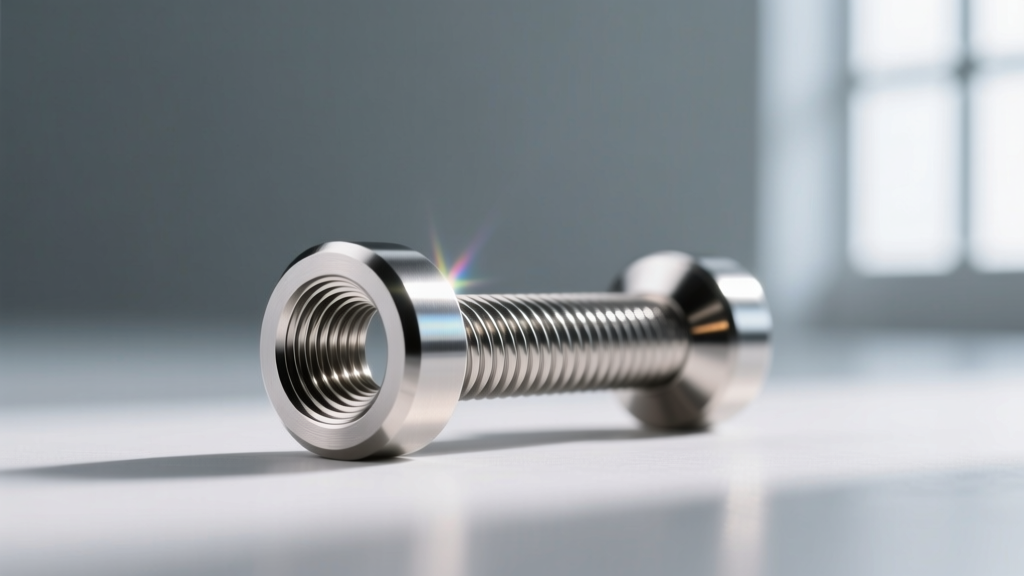
One of the most critical, yet overlooked, aspects of buying studs and barbells is the threading mechanism. Externally threaded jewelry (where the screw is on the post that passes through the skin) acts like a cheese grater, tearing the delicate fistula tissue upon insertion and removal. In 2026, reputable piercers and high-end jewelers exclusively use internally threaded (the screw is on the decorative end) or threadless (tension-fit) mechanisms to ensure a smooth, flush transition that protects the healing tissue.
The Framework: Matching Earring Names to Ear Anatomy
A common failure mode in ear curation is buying a piece based on its name without considering the specific anatomical requirements of the piercing. Here is a practical decision framework for matching styles to placements:
The Conch Rule: The conch is a large, flat canvas. While a simple flat-back stud works, the 2026 trend leans toward 'conch shields' or large-diameter orbital hoops that pass through the conch and wrap around the outer helix. If using a stud, ensure the decorative end is at least 4mm to avoid the 'lost in the ear' effect.
- The Tragus Constraint: The tragus is a thick, small flap of cartilage. Large hoops or heavy dangles will pull the piercing downward, causing migration. Stick to 3mm to 5mm flat-back labrets or micro-huggies (6mm ID).
- The Rook and Daith: These are folded inner-cartilage ridges. Standard straight barbells will not work here. You must specifically search for 'curved barbells' (rook) or 'captive bead rings / clickers' (daith) with an inner diameter of exactly 8mm to 10mm to accommodate the fold without pinching.
- The Industrial Scaffold: An industrial piercing connects two helix holes with a single long barbell. Because ear widths vary drastically, buying a pre-made 'standard' industrial bar often results in poor angles and pressure necrosis. Custom-fitted, internally threaded straight barbells measured to the millimeter are mandatory.
Sizing and Gauge Specifics for Advanced Styling
The final pillar of mastering earring names is understanding gauge (thickness) and inner diameter (ID). In the US, the gauge system is counterintuitive: the higher the number, the thinner the wire.
Standard lobe piercings done with a gun are typically 20g (0.81mm) or 18g (1.02mm). However, professional needle piercings usually default to 16g (1.29mm) or 14g (1.63mm) for both lobes and cartilage, as the thicker metal provides greater stability and reduces the 'cheese-cutter effect' (where thin wire slowly slices through the tissue under the weight of the jewelry).
When purchasing huggies or hoops, the Inner Diameter (ID) is far more important than the gauge. An 8mm ID huggie will fit snugly on a standard lobe but will likely be too tight for a forward helix, where the tissue folds outward. Always measure your existing, well-fitting hoops with digital calipers before ordering new pieces online to ensure the ID matches your specific anatomical curvature.
Final Thoughts on Building Your Ear Architecture
As the lines between fine jewelry and body modification continue to blur in 2026, the vocabulary we use to describe these pieces must evolve. By familiarizing yourself with precise earring names, demanding implant-grade materials like ASTM F-136 titanium, and respecting the biomechanics of your unique ear anatomy, you transition from simply wearing earrings to actively designing a curated, lifelong aesthetic. Whether you are investing in a kinetic ear threader or a structural conch shield, the right terminology is your best tool for achieving a flawless, comfortable, and trend-forward result.


