Budget Earrings for Double Piercings: 2026 Value Guide
Discover the best budget earrings for double piercings in 2026. We compare hypoallergenic metals, curated sets, and value pricing for everyday wear.


The Economics of Curating a Double Lobe Stack
Having a second lobe piercing is no longer a bold statement; it is the modern baseline for ear curation. However, the transition from a single piercing to a double stack introduces a hidden financial multiplier. When you buy a standard pair of earrings, you are paying for two identical pieces. But when shopping for earrings for double piercings, the aesthetic rules change. You rarely want identical, oversized studs in both holes. Instead, the modern 2026 stack relies on a primary focal point in the first lobe and a complementary, often smaller, piece in the second. Understanding this dynamic is the first step in mastering your jewelry budget.
The most common mistake budget-conscious shoppers make is purchasing cheap, bulk-packaged fashion earrings that cause contact dermatitis, ultimately costing more in piercing aftercare and replacement jewelry. True value in ear curation is not about finding the lowest absolute price; it is about maximizing the cost-per-wear while strictly maintaining biocompatibility. In this guide, we break down exactly where to invest your money, where to cut costs, and how to build a safe, stylish double-piercing wardrobe without overspending.
Material Safety vs. Price: Where to Save and Where to Spend
The foundation of any budget assessment for body jewelry is metallurgy. Your earlobes are in constant contact with the metal post, meaning the material dictates both the longevity of the piece and the health of your piercing. According to the Association of Professional Piercers (APP), only specific grades of metal are considered safe for prolonged wear, especially in sensitive or healing tissue.
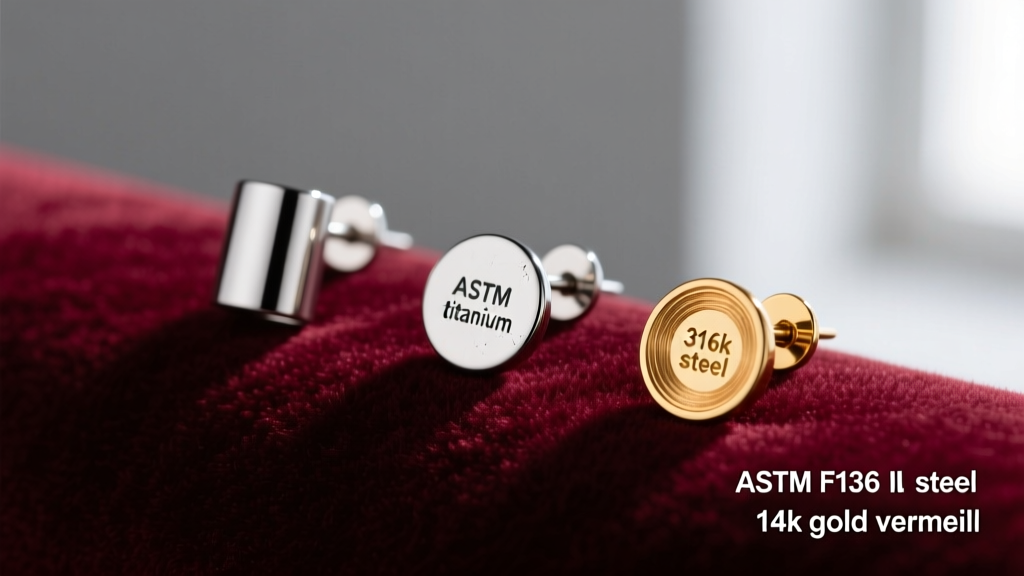
When evaluating budget earrings, you will typically encounter four main metal categories. Here is how they stack up in terms of value and safety:
| Material Grade | Average Price (Per Pair) | Nickel Content | Best Use Case |
|---|---|---|---|
| ASTM F136 Titanium | $25 - $45 | 0% (Nickel-Free) | Fresh piercings, highly sensitive ears, everyday sleepers |
| 316L Surgical Steel | $8 - $15 | Trace (8-12%) | Fully healed, non-sensitive ears on a strict budget |
| 14k Gold Vermeil | $40 - $70 | 0% (Sterling Base) | Healed piercings, aesthetic upgrades, special occasions |
| Gold-Plated Brass | $5 - $12 | High (Base Metal) | Occasional wear only (High allergy and tarnish risk) |
The Value Verdict: Implant-grade titanium (ASTM F136) offers the highest long-term value. While the upfront cost is slightly higher than surgical steel, titanium will not tarnish, rust, or cause allergic reactions. You can sleep in it, shower in it, and wear it daily for years. Conversely, gold-plated brass is a false economy; the plating will wear off within weeks of daily use, exposing the reactive brass underneath and potentially causing an infection that ruins the piercing entirely.
Curated Sets vs. Mixing Singles: A Cost Breakdown
Many retailers now sell "double piercing sets" or "ear stacks" pre-packaged in boxes of four to six pieces. While these seem like a bargain (often priced between $30 and $50 for the entire set), they are rarely a good value for the informed buyer. Here is why:
The Problem with Pre-Packaged Sets
- Compromised Sizing: Sets usually feature standard 20-gauge posts with butterfly backs. Butterfly backs trap dead skin and bacteria, and the thin 20-gauge wire can cause the "cheese-cutter effect" in heavier secondary piercings.
- Identical Post Lengths: Pre-packaged sets assume all earlobes are the same thickness. If your second piercing is slightly thicker or prone to swelling, a standard 6mm post will dig into your skin.
- Material Roulette: Budget sets rarely disclose the exact base metal, often hiding behind vague terms like "hypoallergenic alloy" or "surgical metal" without specifying the ASTM grade.
The "High-Low" Mixing Strategy
Instead of buying a set, allocate your budget using the High-Low strategy. Spend 70% of your budget on a high-quality, visually striking piece for your primary (first) lobe piercing. For the secondary (double) piercing, purchase a minimalist, ultra-comfortable flat-back titanium stud. A 2mm or 3mm titanium bezel-set CZ flat-back costs around $15 to $20 from specialized online retailers. This approach guarantees that the piece touching the ground when you sleep is premium and safe, while your primary lobe gets the aesthetic spotlight.
Sizing and Gauge: Avoiding Costly Piercing Mistakes
A cheap earring that fits poorly will irritate your piercing, leading to hypertrophic scarring or migration. Understanding gauge and post length is non-negotiable when shopping on a budget, as returning worn body jewelry is usually prohibited by health codes.
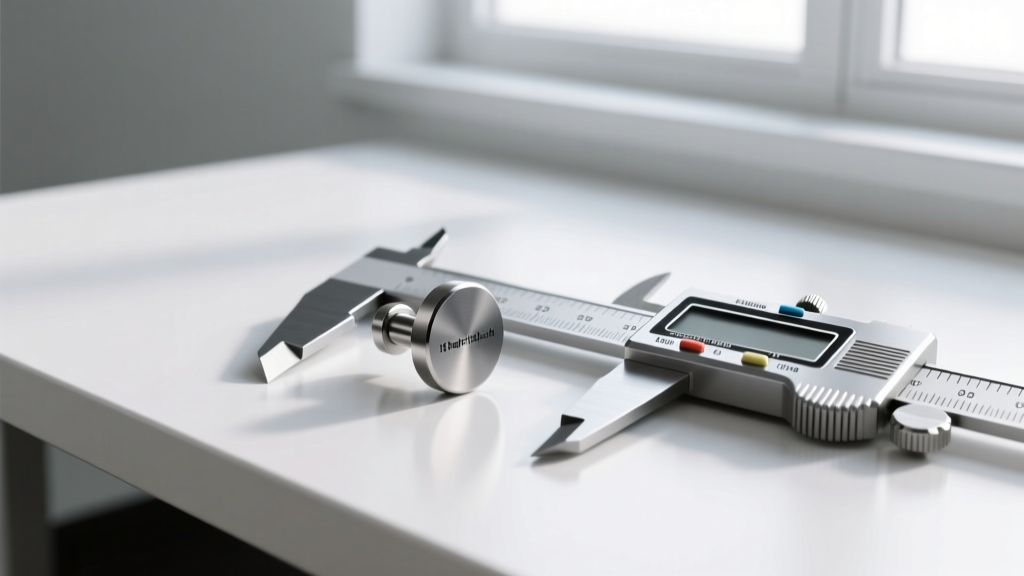
Gauge Thickness: Standard fashion earrings are often 20-gauge (0.81mm). However, professional piercers typically use 18-gauge (1.02mm) or 16-gauge (1.29mm) needles for lobes. Wearing a thin 20-gauge post in an 18-gauge hole allows the earring to move excessively, causing micro-tears and irritation bumps. Always verify the gauge before purchasing; 18-gauge is the safest bet for most double piercings.
Post Length and Backing Type: Traditional butterfly backs are cheap to manufacture but terrible for hygiene. The modern standard for value and comfort is the flat-back labret stud. Flat-backs sit flush against the ear, eliminating the painful pokes behind the lobe when sleeping or wearing headphones. When buying flat-backs, measure your lobe thickness. A standard lobe requires a 6mm (1/4 inch) post, while thicker lobes or fresh piercings require an 8mm (5/16 inch) post to accommodate swelling and prevent the backing from embedding in the skin.
Top Value Retailers for 2026
To execute the High-Low strategy, you need retailers that offer transparent metallurgy without the luxury markup. Based on current market pricing and material verification, here are the top value destinations for earrings for double piercings:
- BodyArtForms & Intrinsic: Excellent for ASTM F136 titanium basics. You can secure high-quality, internally threaded flat-backs for $12 to $18 each. They lack flashy branding but deliver professional-grade safety.
- Etsy (Vetted Titanium Shops): Shops like TiAdorn or SVITLA jewelry offer unique, minimalist designs (like tiny stars, moons, or bezel-set opals) in verified titanium for $20 to $35. Always message the seller to confirm the post material is solid titanium, not just the decorative front.
- Quay & Mejuri (For Healed Lobes Only): If your piercings are fully mature and you have no metal sensitivities, these brands offer excellent 14k gold vermeil and gold-plated sterling silver options in the $40 to $60 range. According to the Gemological Institute of America (GIA), vermeil requires a thick layer of gold over sterling silver, making it vastly superior to brass plating for longevity, provided it is kept dry.
Final Verdict: Maximizing Your Jewelry Budget
Building a collection of earrings for double piercings does not require a limitless budget; it requires strategic allocation. By abandoning cheap, multi-pack fashion sets in favor of a curated High-Low approach, you protect your piercing health while achieving a bespoke, high-end look. Invest your primary budget in a beautiful, well-crafted focal piece for your first lobe, and anchor your second piercing with an affordable, biocompatible titanium flat-back. This methodology ensures your ears remain healthy, comfortable, and effortlessly stylish throughout 2026 and beyond.


