Pearl Drop Earrings: Budget & Value Assessment Guide
Discover how to evaluate pearl drop earrings on a budget. Compare Akoya vs. Freshwater, assess hardware quality, and maximize value.

The True Cost of Pearl Drop Earrings in the Current Market
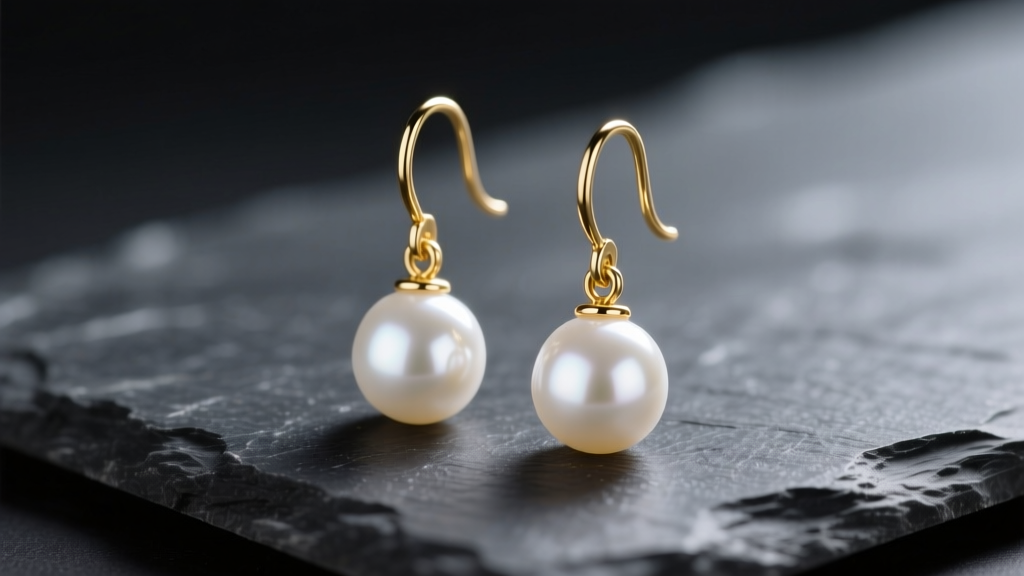
When building a versatile and elegant jewelry collection, few pieces offer the timeless sophistication of the pearl drop earring. However, navigating the modern jewelry market requires a keen eye for true value versus inflated brand premiums. When evaluating earrings, pearl drop styles present a unique challenge: you are not just paying for the gemstone, but also for the mechanical hardware that allows the pearl to dangle securely. In 2026, with global supply chain shifts affecting both precious metals and pearl farming outputs, understanding the intersection of material cost, gemological quality, and structural integrity is essential for the budget-conscious buyer.
A common mistake shoppers make is focusing entirely on the pearl's size while ignoring the nacre quality and the earring's findings. A massive, chalky freshwater pearl set in flimsy, plated brass is a poor investment that will degrade within months. Conversely, a modestly sized, high-luster pearl set in solid 14k gold offers lifelong wearability and enduring value. This guide breaks down the exact metrics you need to assess when shopping for pearl drop earrings on a budget, ensuring every dollar spent translates to tangible quality.
Decoding Pearl Types: Freshwater vs. Akoya vs. Edison
The foundation of your budget assessment begins with identifying the pearl type. According to the Gemological Institute of America (GIA), pearl value is dictated by a combination of luster, nacre thickness, surface quality, and origin. Different cultivation methods yield vastly different price points and visual characteristics.
| Pearl Type | Nucleation Method | Nacre Thickness | Avg. Price (Drop Pair) | Budget Value Hack |
|---|---|---|---|---|
| Freshwater (Traditional) | Tissue-Nucleated | 100% Solid Nacre | $30 - $90 | Seek 'coin' or 'oval' shapes for unique, modern drops. |
| Akoya | Bead-Nucleated | 0.3mm - 0.8mm | $150 - $450 | Buy 'commercial grade' with high luster but minor blemishes. |
| Edison | Bead-Nucleated | 1.0mm - 2.5mm | $80 - $250 | The ultimate Akoya alternative; offers metallic luster at half the cost. |
| Tahitian | Bead-Nucleated | 0.8mm - 2.0mm | $400 - $1200+ | Opt for smaller 8mm drops instead of 11mm to stay under $300. |
For the budget-focused buyer, Edison pearls represent the most significant value proposition in the current market. Grown in China using a bead nucleus but left in the mussel for up to three years, Edison pearls develop exceptionally thick nacre with intense, metallic overtones that rival high-end Akoya pearls, yet they retail at a fraction of the price.
Hardware & Findings: Where Budget Brands Cut Corners
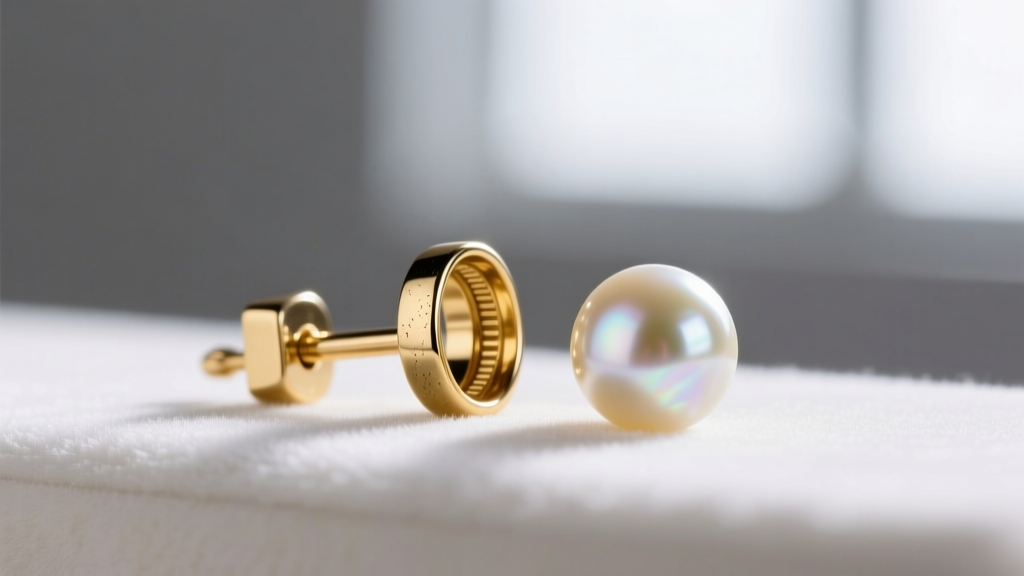
The most critical point of failure in any drop earring is the hardware. Because drop earrings rely on gravity and pendulum motion, the stress placed on the post, the bail, and the adhesive is significantly higher than that of a standard stud. When assessing value, you must scrutinize the metal alloys and mechanical connections.
Post Gauge and Metal Alloys
Cheap manufacturers often use 22-gauge (0.64mm) wire for earring posts to save on gold or silver costs. This thin metal bends easily when inserting the earring, eventually snapping at the solder point. A high-value budget earring should feature a minimum of 20-gauge (0.81mm) or 18-gauge (1.02mm) wire. Furthermore, avoid 'gold-plated' brass or copper. Instead, look for 14k gold-filled (which contains a thick, mechanically bonded layer of solid gold) or rhodium-plated sterling silver to prevent tarnishing and skin irritation.
The Bail and Jump Ring Connection
The bail is the small loop that connects the pearl drop to the main earring post. On low-quality earrings, this connection is made using an 'open jump ring'—a simple circle of wire with a slit. The swinging weight of a pearl drop will eventually twist and pull an open jump ring apart, resulting in a lost pearl. Always inspect product macro-photos to ensure the bail features a soldered jump ring or a solid cast connection.
Adhesive Chemistry: Epoxy vs. Cyanoacrylate
Pearl drops are typically attached to a metal cup and peg using adhesive. High-end jewelers use a two-part jeweler's epoxy (such as Epoxy 330), which cures clear, remains slightly flexible, and absorbs shock if the earring is dropped. Budget brands frequently use cyanoacrylate (super glue). Cyanoacrylate cures rigid and highly brittle; it degrades when exposed to skin oils, cosmetics, and UV light, inevitably causing the pearl to snap off the peg.
The Value Matrix: Grading Luster and Surface Quality
Luster is the single most important value factor in any pearl. It is determined by the microscopic hexagonal platelets of aragonite that make up the nacre. When these platelets are perfectly aligned and flat, they reflect light sharply, creating a mirror-like surface. When they are uneven or degraded, the pearl appears dull and 'chalky'.
Expert Insight: Never compromise on luster to gain size. A 7mm Edison pearl with sharp, mirror-like luster and rose overtones will look infinitely more expensive and elegant than a 10mm freshwater pearl with a chalky, matte finish. Light refraction is the true marker of luxury.
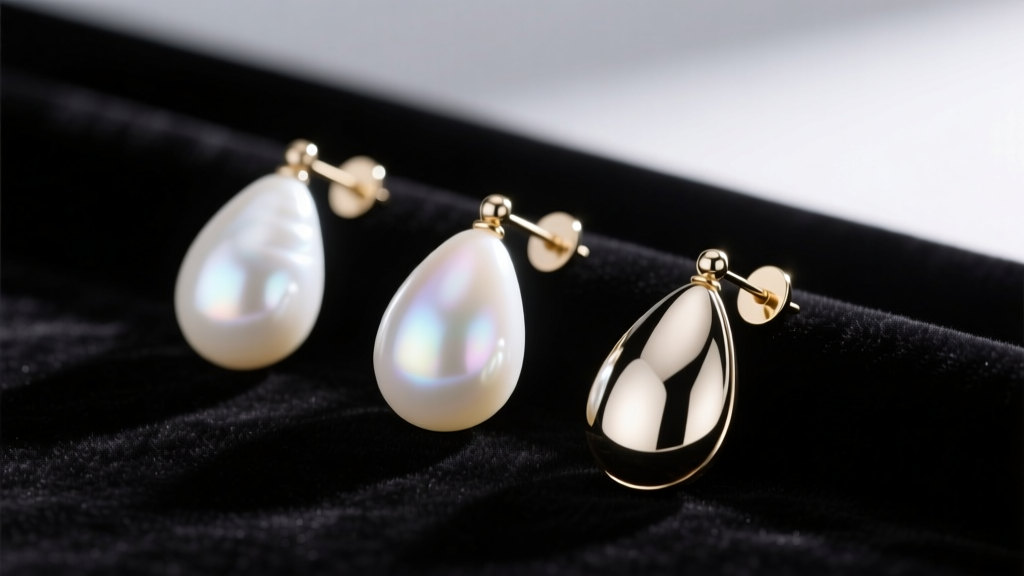
Surface quality is the secondary metric. The International Gem Society notes that virtually all pearls possess minor blemishes, pits, or growth rings. On a budget, you can maximize value by accepting 'slightly blemished' pearls (often graded AA or AA+) as long as the blemishes are located near the drill hole or the back of the pearl, where they are hidden by the metal cup setting or face the earlobe when worn.
3 Actionable Frameworks for Buying on a Budget
To systematically evaluate pearl drop earrings without overpaying, apply these three decision frameworks before adding an item to your cart:
- The 'Cup and Peg' Inspection: Request or zoom in on macro images of the metal setting. The pearl should sit flush against the metal cup without a visible gap filled with cloudy glue. The peg inserted into the pearl should be proportionate; if a thick metal peg is forced into a thinly drilled hole, it creates internal tension that can crack the pearl over time.
- The Overtone Matching Strategy: White pearls are rarely just 'white.' They possess overtones of rose, silver, or cream. Rose overtones generally flatter cooler skin tones and command a higher premium in the Akoya market. However, in the Edison and Freshwater markets, silver and peach overtones are abundant and significantly cheaper, allowing you to acquire high-luster gems at a steep discount.
- The Weight Distribution Test: If buying in person or from a retailer with a good return policy, assess the balance of the drop. A heavy pearl on a thin, lightweight post will cause the earring to droop forward on the earlobe, pointing toward the floor rather than dangling elegantly. Look for designs that incorporate a slightly heavier decorative element on the front of the stud to counterbalance the weight of the drop.
Final Verdict: Maximizing Your Investment
Securing high-value pearl drop earrings on a budget is entirely possible if you shift your focus away from brand names and toward gemological and structural realities. By prioritizing thick-nacre alternatives like Edison pearls, demanding soldered hardware and proper post gauges, and refusing to compromise on luster, you can build a collection that rivals fine jewelry boutiques. True value in jewelry is not about finding the cheapest option; it is about identifying the pieces where material integrity and craftsmanship far exceed their price tag.


