Traphouse Earrings Value Guide: Budget vs Bling 2026
Evaluate traphouse earrings in 2026. We break down metal grades, stone quality, and hardware to help you balance streetwear budgets with lasting value.

The "Traphouse" Aesthetic: Defining the Iced-Out Standard
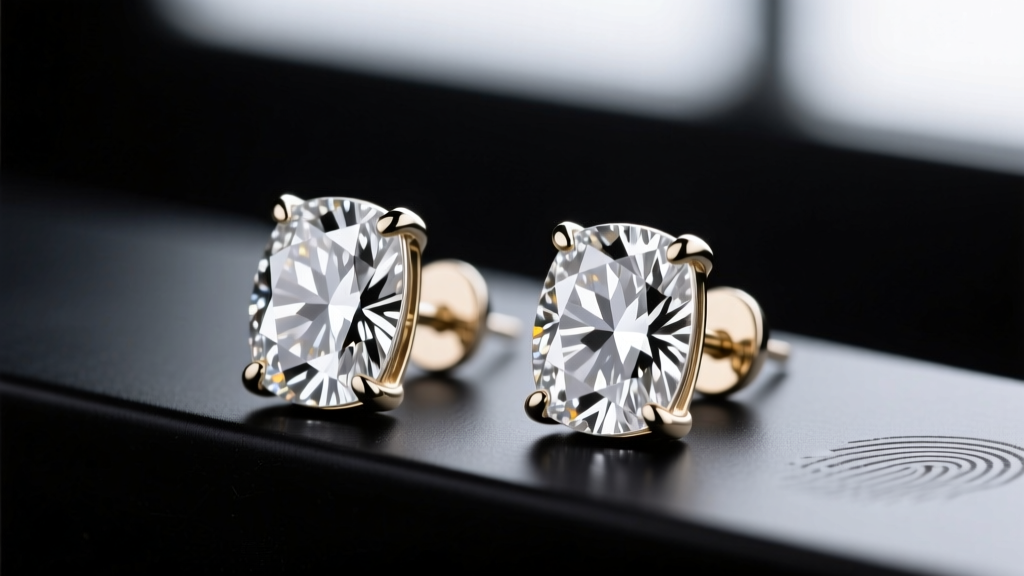
In the realm of streetwear and hip-hop inspired jewelry, "traphouse" earrings represent a bold, unapologetic aesthetic characterized by maximum brilliance, oversized silhouettes, and heavy pave or bezel-set stone coverage. Whether you are looking at bust-down stud earrings, iced-out tennis hoops, or custom nameplate dangles, the visual language is clear: more ice, more impact. However, as we navigate the jewelry market in 2026, the proliferation of dropshipped, low-quality alloy jewelry masquerading as premium streetwear has created a minefield for buyers. The term "VVS" is frequently slapped onto cubic zirconia stones by unethical vendors, and "gold" is often a microscopic flash-plate over reactive brass. This guide provides a rigorous budget and value assessment to help you separate genuine craftsmanship from deceptive marketing, ensuring your investment holds up to both scrutiny and daily wear.
Base Metals and Plating: The Hidden Cost of Cheap Ice
The foundation of any iced-out earring dictates its longevity, skin compatibility, and ultimate resale value. When assessing budget traphouse earrings, the base metal is where manufacturers cut corners first. The cheapest tiers utilize zinc alloy or raw brass. While these metals are inexpensive to cast, they are highly reactive. When the microscopic layer of gold or rhodium plating wears off—often within weeks of exposure to sweat and friction—the underlying copper and zinc oxidize, leaving you with the infamous "green ear" and irreversible tarnish on the jewelry.
For true value, you must look for a solid 925 sterling silver base or, ideally, 10k or 14k solid gold. According to the Federal Trade Commission's Jewelry Guides, terms like "gold plated" and "gold filled" have strict legal definitions regarding the thickness and purity of the gold layer. Budget-friendly but reliable streetwear brands in 2026 are utilizing 925 silver with heavy rhodium or 18k gold electroplating measuring at least 2.5 microns thick. Anything less than 1.0 microns is considered "flash plating" and will fail rapidly on high-friction areas like earring posts and butterfly backs. The Gemological Institute of America (GIA) notes that proper plating thickness is the primary differentiator between fashion jewelry that lasts a season and demi-fine jewelry that lasts a lifetime.
The Stone Matrix: CZ vs. Moissanite vs. Lab-Grown Diamonds
The "ice" is the centerpiece of the traphouse aesthetic. In 2026, the market has largely shifted away from natural earth-mined diamonds for everyday streetwear pieces, favoring high-quality lab-grown alternatives that offer identical optical properties without the massive markup. However, budget buyers must understand the vast performance gap between Cubic Zirconia (CZ) and Moissanite.
| Stone Type | Mohs Hardness | Refractive Index (Brilliance) | Est. Price per Carat (2026) | Longevity & Failure Modes |
|---|---|---|---|---|
| Cubic Zirconia (CZ) | 8.0 - 8.5 | 2.15 | $1 - $5 | Scratches easily, absorbs oils, clouds within 6-12 months of daily wear. |
| Moissanite | 9.25 | 2.65 (Higher than diamond) | $30 - $60 | Highly durable, retains brilliance forever, slight yellow/green tint in lower grades. |
| Lab-Grown Diamond | 10.0 | 2.42 | $150 - $350 | Indestructible for daily wear, identical to mined diamonds, requires no special care. |
Many budget traphouse brands sell CZ earrings for $80-$150, marketing them as "VVS Simulated Diamonds." This is a red flag. CZ has a Mohs hardness of roughly 8.5, meaning it will accumulate micro-scratches from everyday dust (which contains quartz, hardness 7) and skin oils, causing the stone to look milky and dead within a year. For the best balance of budget and value, Moissanite is the undisputed champion of the 2026 streetwear market. It is harder than sapphire, possesses more fire (dispersion) than a diamond, and will never cloud over, making it the perfect choice for heavy pave hoops and studs.
Hardware and Failure Modes: Gauge Sizes and Clasps
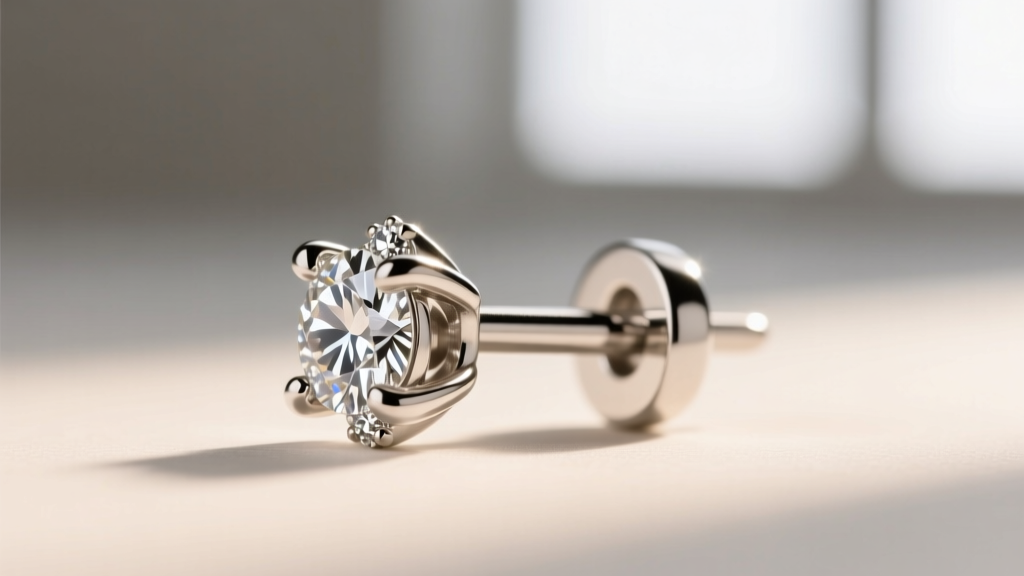
The most critical, yet entirely overlooked, aspect of assessing the value of heavy iced-out earrings is the hardware. Traphouse earrings—particularly oversized square studs, bust-down crosses, and thick tennis hoops—carry significant physical weight. If the structural hardware is not engineered to support that weight, the earring will fail, droop, or tear the earlobe.
Standard fashion earrings use 22-gauge (0.64mm) or 20-gauge (0.81mm) wire for the post. When you attach 4 to 6 grams of metal and pave stones to a 22-gauge post, the post will bend under its own weight, causing the earring to face downward and constantly irritate the piercing channel. For any traphouse earring featuring dense stone settings, you must verify that the post is at least 18-gauge (1.02mm) or even 16-gauge (1.29mm) for oversized pieces. Furthermore, the clasp mechanism is vital. Heavy studs relying on standard friction "butterfly" backs are a liability; the silicone or metal back will slowly slide down the post due to gravity and movement, leading to lost jewelry. High-value traphouse studs utilize screw-backs or secure locking clasps to ensure the heavy investment stays safely on your ear.
2026 Buyer’s Framework: How to Spot True Value Online
When browsing online streetwear boutiques or independent jewelers, use this actionable checklist to evaluate the true value of traphouse earrings before adding them to your cart:
- Demand the Base Metal Spec: If the description only says "gold plated" without mentioning the core metal (e.g., "925 Sterling Silver Core"), assume it is brass or copper and avoid it.
- Check the Prong Settings: Look closely at macro photos. Budget manufacturers use jeweler's epoxy glue to hold CZ stones in place because casting precise prongs is expensive. True value pieces feature hand-set or machine-pressed metal prongs over each stone.
- Verify the Plating Thickness: Reach out to customer service and ask for the micron thickness of the gold or rhodium plating. A reputable demi-fine brand will proudly state they use 2.0 to 3.0 microns of heavy electroplating.
- Assess the Weight-to-Post Ratio: If the product listing provides the weight (e.g., 5g per earring) but shows a thin, spindly post in the photos, it is a structural failure waiting to happen.
Final Verdict: Where Should You Allocate Your Budget?
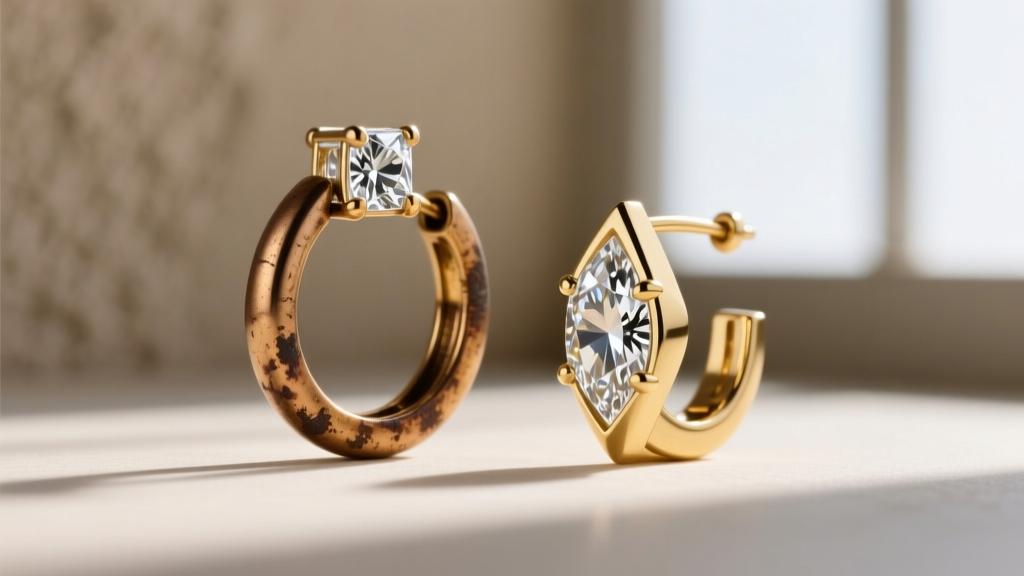
The traphouse aesthetic is all about confidence, and nothing kills confidence faster than cloudy stones and green earlobes. In 2026, the "budget" tier of $30 to $60 is a trap; you are paying for temporary flash that will degrade rapidly. The true sweet spot for value lies in the $150 to $350 range. At this price point, you can secure 925 sterling silver bases with 2.5-micron gold plating and high-grade DEF color moissanite stones that will pass the diamond tester and maintain their icy brilliance for years. If your budget allows for $600 and above, transition directly into solid 10k or 14k gold with lab-grown diamonds, eliminating the need for replating entirely and securing a piece of streetwear jewelry that holds intrinsic scrap and resale value. By prioritizing structural hardware, proper plating thickness, and durable stones, you can achieve the ultimate iced-out look without compromising on quality.


