Best Budget Rocker Earrings 2026: Value & Style Guide
Discover the best budget rocker earrings in 2026. We assess material value, gauge sizes, and cost-per-wear for edgy spikes, chains, and punk styles.

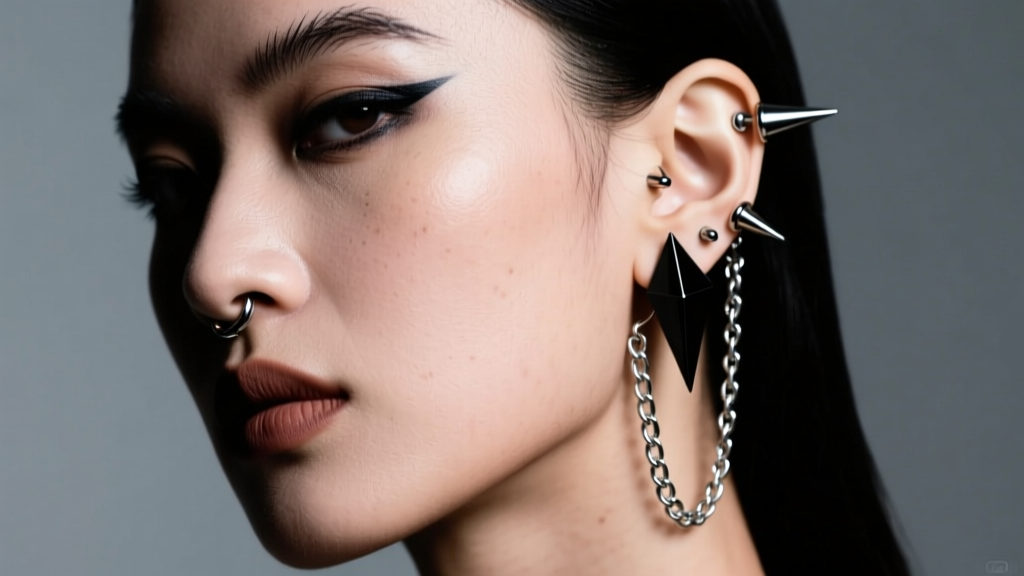
The 2026 Rocker Aesthetic: Why Budget Doesn't Mean Cheap
The punk and grunge revival of 2026 has pushed rocker earrings back into the mainstream spotlight, but the modern interpretation is far more refined than the mall-kiosk accessories of the early 2000s. Today's edgy jewelry blends cyber-punk hardware, post-grunge distressing, and refined gothic motifs. However, achieving this aesthetic on a budget requires a strategic approach to material science and structural integrity. When you are hunting for affordable spikes, barbed wire hoops, and heavy chain connectors, the line between a brilliant steal and a wasteful purchase comes down to metallurgy and weight distribution. This comprehensive value assessment will help you navigate the market, ensuring your ear curation looks high-end without triggering allergic contact dermatitis or tearing your lobes.
The Material Matrix: Decoding Affordable Edgy Metals
The biggest trap in budget jewelry is assuming all 'silver' or 'black metal' is created equal. Fast-fashion brands often use zinc alloys with flash plating, which degrades rapidly. To maximize your investment, you need to understand the base metals and coatings used in mid-tier and budget-friendly rocker earrings. Below is a breakdown of the materials you will encounter and their true value proposition.
| Material | Pros | Cons | Price Range | Value Verdict |
|---|---|---|---|---|
| Zinc Alloy (Brass base) | Extremely cheap; allows for complex, heavy 3D casting (e.g., detailed skulls). | High nickel content; flash plating rubs off in weeks; turns skin green. | $5 - $15 | Poor. Only for occasional, short-term wear. |
| 316L Surgical Steel | Hypoallergenic; highly durable; takes a mirror or matte black polish well. | Contains trace nickel (usually safe unless severe allergy); heavier than titanium. | $18 - $35 | Excellent. The gold standard for budget rocker hardware. |
| PVD Coated Titanium | 100% nickel-free; PVD (Physical Vapor Deposition) black coating lasts for years. | More expensive to machine; limits intricate, bulky casting designs. | $25 - $50 | Superior. Best for cartilage piercings and daily wear. |
| Oxidized Sterling Silver (925) | Authentic gothic patina; holds intrinsic metal value; easily polished or re-oxidized. | Soft metal; heavy chain dangles can bend the wire; requires maintenance. | $45 - $90 | Good, but borders on mid-tier pricing rather than strict budget. |
For the ultimate budget-to-value ratio in 2026, 316L Surgical Steel with a PVD black coating is the undisputed champion. PVD coating, unlike traditional electroplating, bonds at a molecular level, meaning your black spike studs will not chip or fade after a month of daily wear. According to the American Academy of Dermatology, avoiding nickel-heavy base metals like zinc alloy is crucial for preventing allergic contact dermatitis, a common issue among those buying cheap punk jewelry.
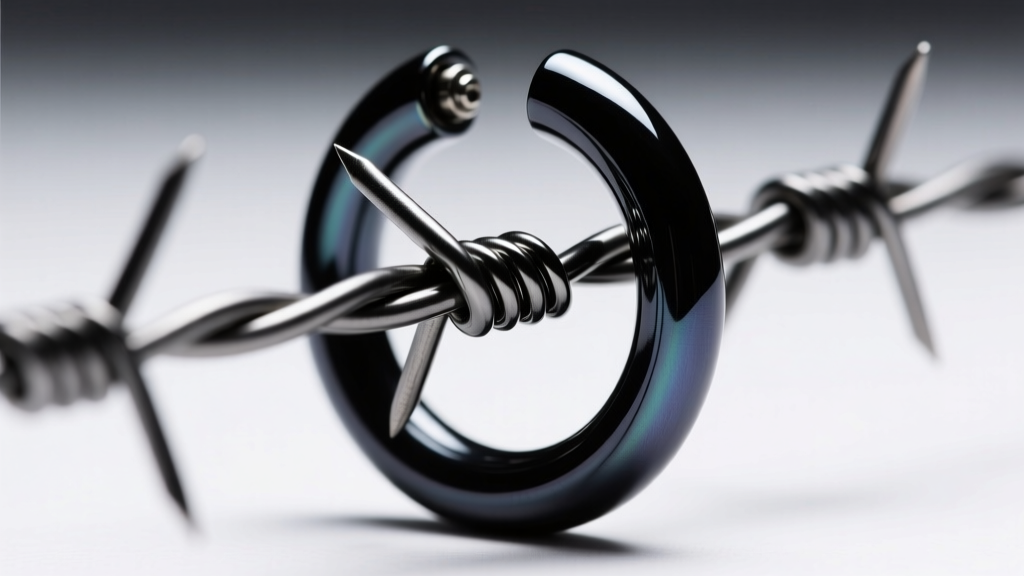
The Hidden Costs of Fast-Fashion Punk: Failure Modes to Avoid
When assessing the budget, you must factor in the 'cost-per-wear' and the potential hidden costs of replacing ruined jewelry or treating ear infections. Here are the primary failure modes of cheap rocker earrings and how to spot them before checking out:
- The Flash-Plating Fade: If a pair of black safety-pin dangles costs $8, they are likely brass with a micro-thin layer of black rhodium or paint. Within three weeks, the friction from your hair and the oils from your skin will strip the coating, leaving a splotchy, brassy mess. Solution: Look for product descriptions that explicitly state 'PVD coated' or 'solid stainless steel'.
- The Friction-Back Failure: Heavy rocker studs (like oversized pyramid spikes or skull motifs) require secure backings. Cheap butterfly friction backs often fail to support the weight, causing the earring to droop or fall out entirely. Solution: Upgrade to silicone O-ring backs or threaded flat-back labret posts, which lock the heavy front securely against the lobe.
- The Chain-Snag Hazard: Ear chains connecting a lobe to a helix piercing are a staple of the rocker look. Budget chains often use cheap jump rings that are not soldered shut. If the chain snags on a sweater, the jump ring will pull apart, potentially tearing your cartilage piercing. Solution: Inspect the jump rings. If they are not soldered, use a tiny drop of jewelry adhesive or swap the chain for a higher-quality, soldered-link alternative.
Gauge Sizes & Anatomy: Ensuring Your Hardware Actually Fits
A critical aspect of value assessment is ensuring the jewelry physically fits your anatomy without causing trauma. Rocker earrings often feature thicker, industrial-looking wires, but 'looking thick' and 'being thick' are two different things. Standard lobe piercings are typically done at 20-gauge (0.81mm)18-gauge (1.02mm). Cartilage piercings (helix, tragus, conch) are usually 16-gauge (1.29mm)14-gauge (1.6mm).
Many budget brands sell 'edgy' cartilage hoops that are actually 20-gauge wire to save on material costs. Forcing a 20-gauge wire into a 16-gauge cartilage hole can cause the 'cheese-cutter effect,' where the thin wire slowly migrates and slices through the dense cartilage tissue over time. Always verify the exact millimeter gauge before purchasing. If a brand does not list the gauge size, it is a massive red flag indicating poor quality control. The Mayo Clinic also notes that improper fitting and cheap metals are the leading culprits for localized piercing infections and delayed healing.
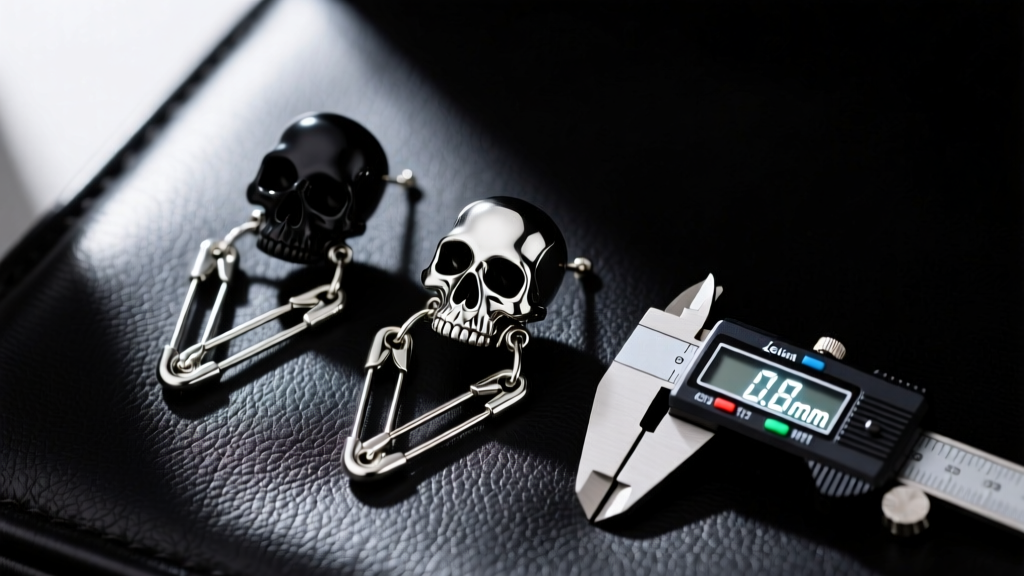
Value Tier Breakdown: Where to Spend and Where to Save
To build a cohesive, budget-friendly rocker ear curation, you should allocate your funds strategically based on the piercing location and the jewelry's structural demands.
Tier 1: The $10 - $20 Entry Level (Save Here)
Best for: Standard lobe studs, lightweight ear cuffs, and acrylic accessories.
At this price point, you can find excellent acrylic spike tapers, lightweight resin skull cuffs, and basic 316L steel stud sets. Because these items do not bear heavy weight or sit in sensitive, unhealed cartilage, you can safely stretch your budget here. Brands specializing in alternative fashion often sell multi-packs of steel spike studs in this range, offering immense cost-per-wear value.
Tier 2: The $25 - $55 Sweet Spot (Spend Here)
Best for: Cartilage hoops, heavy chain connectors, and complex dangles.
This is where true value lives. In the $25 to $55 range, you transition from fast-fashion marketplaces to dedicated indie jewelers and specialized body jewelry brands. Here, you will find solid PVD titanium barbed wire hoops, soldered sterling silver chain earlaces, and internally threaded clickers. Spending slightly more in this tier guarantees structural integrity, hypoallergenic properties, and hardware that will last for years rather than weeks.
Expert Tip: If you love the look of heavy, oversized chain dangles but have delicate 20-gauge lobe piercings, invest in a pair of invisible silicone ear support patches. These adhesive discs distribute the weight of the heavy metal across a wider surface area of the lobe, preventing the dreaded stretched fistula while allowing you to wear dramatic, budget-friendly statement pieces safely.
Final Verdict: Calculating Your Cost-Per-Wear
The 2026 rocker earring market is saturated with options, but true value is found at the intersection of safe metallurgy and structural reliability. A $12 pair of zinc-alloy spike earrings that turns your neck green and breaks after a month has a terrible cost-per-wear. Conversely, a $35 pair of 316L PVD-coated titanium chain dangles that you wear 300 days a year costs roughly $0.11 per wear, making it an exceptional financial and stylistic investment. By prioritizing PVD coatings, verifying gauge sizes, and avoiding unsoldered jump rings, you can curate a fierce, unapologetic punk aesthetic that respects both your body and your wallet.


