How Much Do Diamond Earrings Cost? 2026 Buyer's Guide
Discover how much diamond earrings cost in 2026. Compare prices for lab-grown vs. natural studs, hoops, and drops by carat, cut, and setting style.

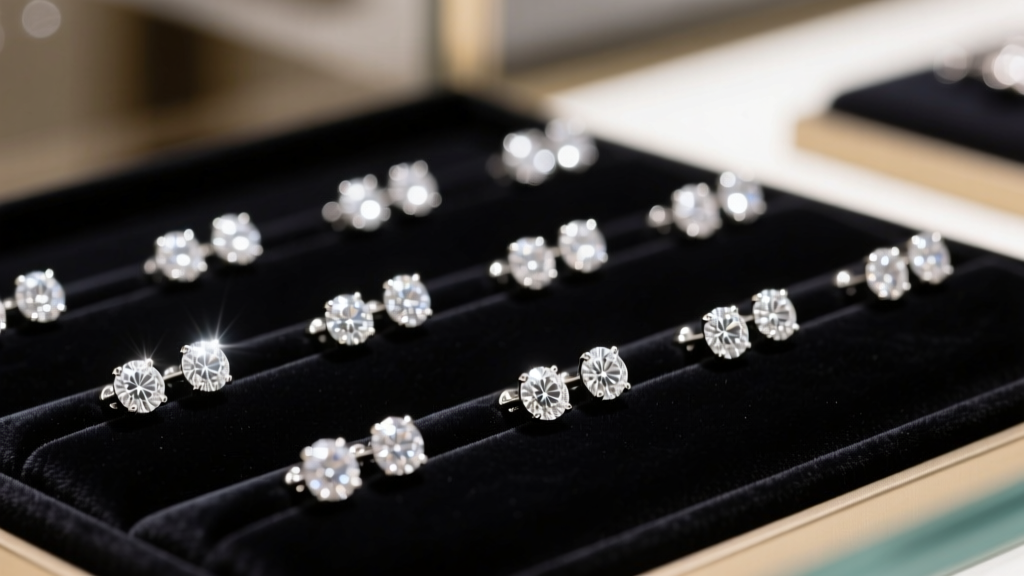
When shopping for fine jewelry, one of the most common questions buyers ask is: how much do diamond earrings cost? The answer in 2026 varies wildly based on a matrix of factors, ranging from a few hundred dollars for modest lab-grown studs to tens of thousands for high-carat natural diamond drops. Unlike engagement rings, where the diamond is the singular focal point, earrings require a nuanced approach to balance budget, durability, and visual impact. Whether you are looking for everyday 14k gold huggies or red-carpet-ready chandelier drops, understanding the pricing architecture of diamond earrings is essential to avoid overpaying.
The Short Answer: Diamond Earring Price Ranges
Before diving into the specifics, it is crucial to understand the industry standard of Total Carat Weight (CTW). When a retailer advertises '1-carat diamond earrings,' they almost always mean 1.00 CTW—meaning each individual earring contains a 0.50-carat diamond. This distinction is the most common trap for first-time buyers. Here is a realistic breakdown of what you can expect to pay for natural, earth-mined diamond stud earrings in 2026:
- 0.25 CTW (Everyday Essentials): $600 – $1,200
- 0.50 CTW (The Classic Standard): $1,200 – $2,800
- 1.00 CTW (Statement Size): $3,500 – $7,500
- 2.00 CTW (Luxury / High Impact): $8,000 – $18,000+
These ranges assume a standard 14k white or yellow gold setting with mid-tier color (G-H) and clarity (VS2-SI1) grades. If you opt for platinum settings or top-tier D/VVS1 grades, expect to add 30% to 50% to the final price tag.
Natural vs. Lab-Grown: The Biggest Cost Factor
The most significant shift in the diamond market over the last five years is the mainstream acceptance of lab-grown diamonds. According to the Gemological Institute of America (GIA), lab-grown diamonds possess the exact same chemical, physical, and optical properties as mined diamonds. The only difference is their origin. For earrings, where resale value is rarely a priority compared to engagement rings, lab-grown stones offer an unparalleled advantage in cost-per-carat.
| Total Carat Weight (CTW) | Natural Diamond Price Range | Lab-Grown Diamond Price Range | Estimated Savings |
|---|---|---|---|
| 0.50 CTW | $1,200 – $2,800 | $250 – $600 | 75% - 85% |
| 1.00 CTW | $3,500 – $7,500 | $600 – $1,400 | 80% - 85% |
| 2.00 CTW | $8,000 – $18,000 | $1,500 – $3,200 | 80% - 85% |
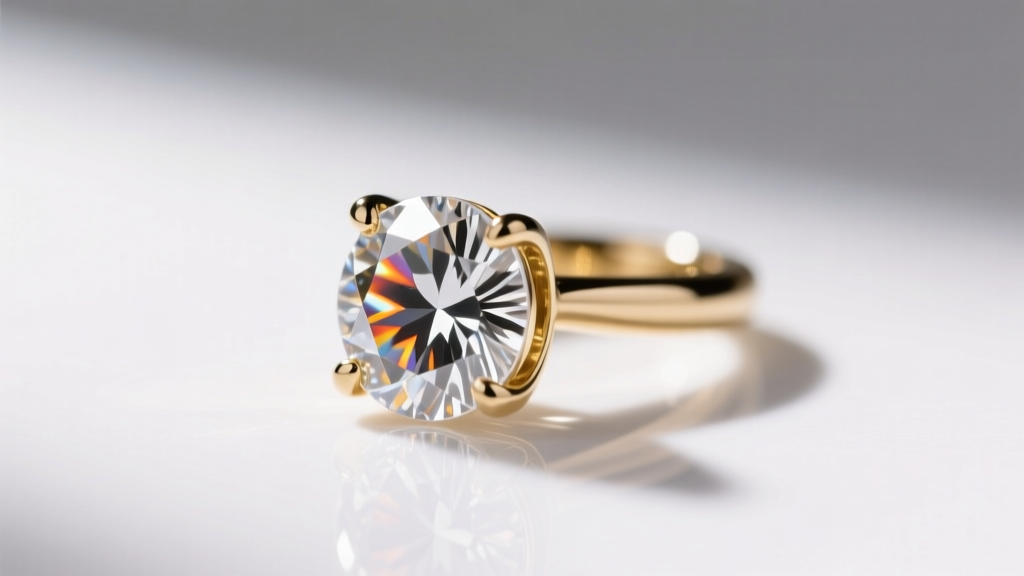
By choosing lab-grown, buyers can easily jump up an entire carat size or allocate their saved budget toward a premium setting, such as a platinum halo design, without breaking the bank.
The 4 Cs and How They Impact Earring Pricing
Applying engagement ring standards to diamond earrings is a surefire way to overspend. Because earrings are viewed from a distance of two to three feet—unlike a ring, which is viewed from just inches away—you can strategically compromise on certain grades without sacrificing visual beauty.
Cut: Where You Should Never Compromise
The cut grade dictates how well a diamond interacts with light. A poorly cut diamond will look dull and lifeless, even if it has flawless clarity. Always insist on an 'Excellent' or 'Ideal' cut grade. As noted by James Allen's diamond education guide, the cut is responsible for up to 70% of a diamond's overall brilliance. For round brilliant studs, a super-ideal cut will maximize the perceived size and sparkle of the stone, making a 0.50-carat stone face up larger than a poorly cut 0.60-carat stone.
Color and Clarity: The Earring Sweet Spot
This is where you can maximize your budget. The human eye cannot easily distinguish between a D-color (colorless) and an H-color (near-colorless) diamond when it is set in white gold and viewed from across a table. Similarly, inclusions that are visible under 10x magnification in a VS2 or SI1 clarity diamond are completely invisible to the naked eye, especially when the diamond is in constant motion on the earlobe.
Expert Framework: For the best value in 2026, target G or H color and VS2 or SI1 clarity. This 'sweet spot' ensures the diamonds appear bright and eye-clean while shaving thousands of dollars off the price of higher-graded pairs.
Setting Styles and Metal Choices
The mounting itself plays a critical role in both the cost and the longevity of your earrings. The metal type and setting style will add anywhere from $150 to over $1,000 to the base price of the diamonds.
- The Martini Setting (3-Prong): The most popular choice for studs. The three-prong design allows maximum light to enter the diamond from the sides. It also lowers the center of gravity, preventing heavier stones from drooping on the earlobe. Usually adds $150–$300 to the cost.
- The Basket Setting (4-Prong): Offers a more traditional, geometric look and provides slightly more security for stones over 1.00 CTW. The basket base sits slightly higher off the ear. Adds $200–$400.
- Halo Settings: A center stone surrounded by a micro-pave ring of smaller diamonds. This creates the illusion of a much larger earring. A 0.50 CTW center in a halo can look like a 1.50 CTW solitaire. Adds $500–$1,200 due to the extra diamonds and labor.
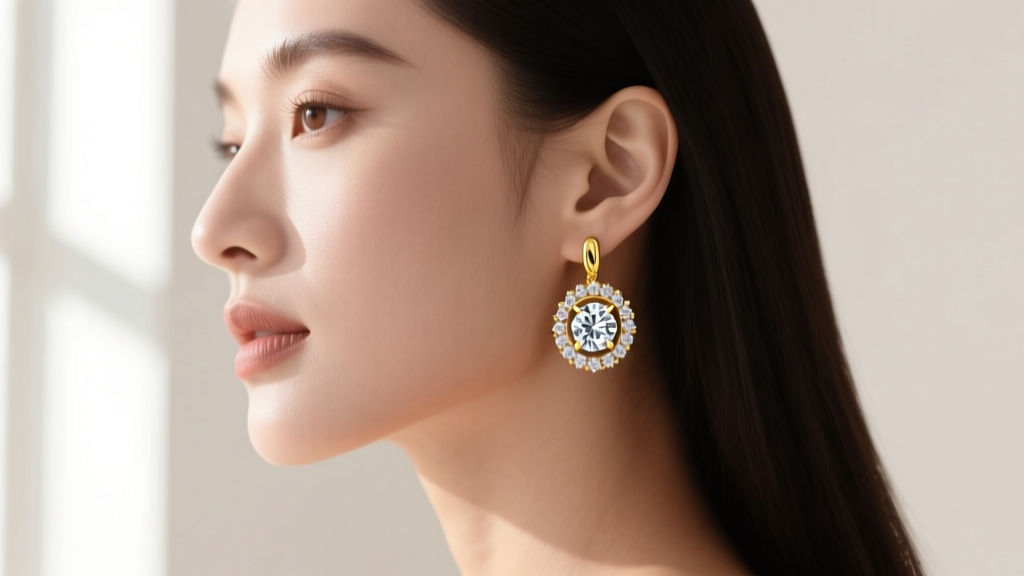
Regarding metals, 14k gold is the industry standard for earrings due to its excellent balance of rich color and structural durability. 18k gold is softer and more prone to scratching, while platinum is incredibly durable and hypoallergenic but will add a premium of $300 to $600 to the setting cost alone.
Hidden Costs: Certifications, Appraisals, and Insurance
When calculating how much diamond earrings cost, buyers often forget the post-purchase expenses. Always ensure your diamonds come with a grading report from a reputable laboratory. For natural diamonds, the GIA is the gold standard. For lab-grown diamonds, the IGI and GIA provide comprehensive certifications that verify the stone's 4 Cs and origin. Buying uncertified diamonds is a massive financial risk.
Additionally, factor in the cost of a professional appraisal ($75–$150) and jewelry insurance. Most homeowners' or renters' insurance policies require a scheduled rider for fine jewelry, which typically costs $1 to $2 per $100 of the appraised value annually. For a $5,000 pair of diamond studs, expect to pay about $50 to $100 per year to keep them fully protected against loss or theft.
Expert Tips for Maximizing Your Budget
To conclude your buying journey, keep these actionable strategies in mind:
- Beware of 'Total Weight' Vagueness: If a listing says '1 carat diamond earrings' without specifying CTW, investigate further. Some retailers use this phrasing to mask a pair of 0.40-carat stones that are heavily padded with a thick, opaque metal basket.
- Check the Post and Backing Quality: Ensure the earrings come with secure backings. Standard friction backs are easily lost. Upgrade to La Pousette backs or screw-backs (which add about $50 to the cost) to guarantee your investment stays safely on your ear.
- Consider Fancy Shapes for Drops: If you are buying dangle or drop earrings rather than studs, consider oval, pear, or marquise shapes. These elongated shapes yield more surface area per carat than round brilliants, giving you a larger visual footprint for the exact same price.
Ultimately, understanding how much diamond earrings cost comes down to aligning your aesthetic goals with smart gemological trade-offs. By prioritizing cut, embracing near-colorless grades, and considering lab-grown alternatives, you can secure a breathtaking pair of earrings that deliver maximum brilliance without unnecessary financial strain.


