Best Saline Solution for Earrings: Budget vs Premium Value
Compare the true cost of premium piercing sprays versus generic sterile saline solution for earrings. Discover the best budget-friendly aftercare value.

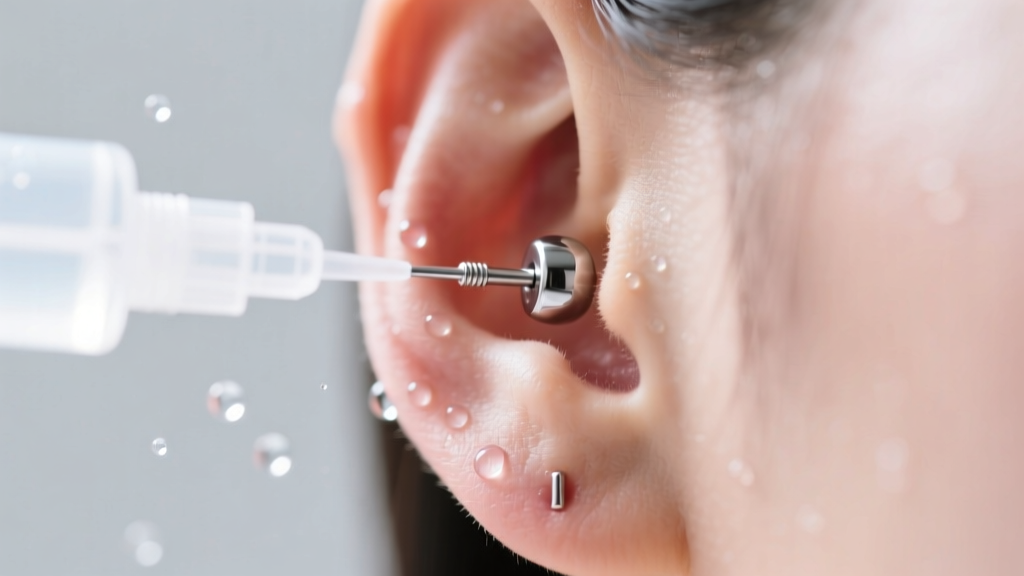
The True Cost of Earring Aftercare: Breaking Down the Market
When you leave the piercing studio with a fresh lobe or cartilage piercing, the piercer will almost always recommend a specific aftercare product. In 2026, the market for piercing aftercare is saturated with premium brands charging top dollar for what is essentially salt and water. But as a consumer focused on budget and value, you have to ask: is a premium branded saline solution for earrings actually worth the markup, or are you paying for marketing?
The healing timeline for ear piercings dictates your total aftercare budget. Standard earlobe piercings typically heal in 6 to 8 weeks, requiring roughly two to three cans of spray. Cartilage piercings—such as the helix, rook, conch, or daith—are a different financial commitment. Because cartilage lacks direct blood supply, healing takes anywhere from 9 to 12 months, often requiring six to eight cans of saline over the lifespan of the wound. When you multiply the cost per can by the duration of the healing process, the difference between a $14 premium spray and a $5 generic alternative becomes a significant budget factor.
To make an informed decision, we must look past the branding and evaluate the actual chemical composition, delivery mechanisms, and sterility guarantees of the products on the market. Applying the correct saline solution for earrings is the gold standard for preventing infection and minimizing scar tissue, but achieving this does not require draining your wallet.
Commercial Piercing Sprays vs. Generic Wound Wash: A Value Comparison
The most common point of confusion for consumers is the difference between products labeled "piercing aftercare" and those labeled "sterile wound wash" in the pharmacy first-aid aisle. From a chemical standpoint, both are required to be 0.9% isotonic sodium chloride (NaCl) dissolved in purified water. This specific ratio matches the natural salinity of your body's tears and blood, ensuring the solution cleanses the piercing without causing cellular dehydration or osmotic shock to the healing tissue.
Below is a breakdown of the true cost per ounce across the most popular options available in 2026:
| Product Category | Brand Examples | Average Price (2026) | Volume | Cost Per Ounce | Nozzle Technology |
|---|---|---|---|---|---|
| Premium Piercing Spray | H2Ocean, X3 Solutions | $12.00 - $15.00 | 4.0 oz | $3.00 - $3.75 | Mechanical Pump |
| Standard Piercing Mist | NeilMed Piercing Aftercare | $8.00 - $9.50 | 6.0 oz | $1.33 - $1.58 | Bag-on-Valve Aerosol |
| Generic Sterile Wound Wash | CVS, Walgreens, Equate | $4.50 - $6.00 | 7.1 oz | $0.63 - $0.84 | Bag-on-Valve Aerosol |
| DIY Homemade Saline | Distilled Water + Sea Salt | $0.20 (per batch) | 8.0 oz | $0.02 | Non-Sterile Application |
As the data illustrates, generic pharmacy wound wash offers a massive 50% to 60% savings over standard piercing mists, and up to an 80% savings over premium ocean-salt sprays. According to the Association of Professional Piercers (APP), sterile 0.9% sodium chloride wound wash is the officially recommended aftercare standard, making the generic pharmacy option functionally identical to the branded piercing sprays.
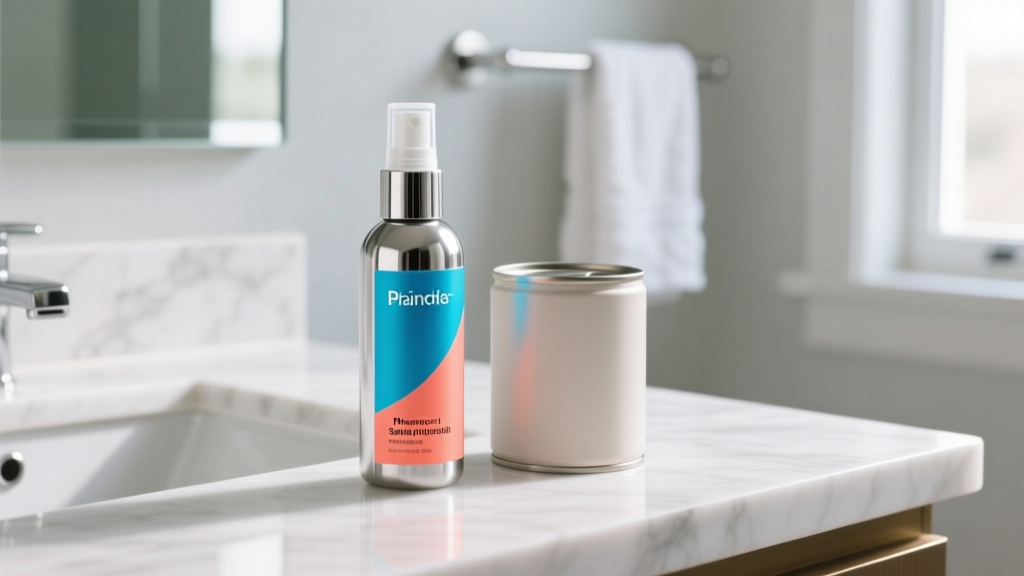
The Importance of Bag-on-Valve Technology
When shopping for a budget-friendly saline solution for earrings, the delivery mechanism is just as critical as the liquid inside. Both NeilMed and high-quality generic wound washes utilize "bag-on-valve" (BOV) aerosol technology. In a BOV canister, the saline is sealed inside a flexible inner bag, while the propellant gas (usually compressed air or nitrogen) sits outside the bag. When you press the nozzle, the gas squeezes the bag, pushing the sterile saline out as a fine mist.
This is a crucial value indicator because it guarantees that the saline remains 100% sterile until the exact millisecond it leaves the can. Cheaper mechanical pump bottles (often found in premium brands) draw air back into the bottle after every spray, introducing bathroom-borne bacteria into the reservoir over the 6-month healing period of a cartilage piercing. Always check the packaging for "sterile" and "aerosol" to ensure you are getting a BOV canister.
The Chemistry of Healing: Preservatives and Additives to Avoid
Not all saline solutions are created equal, and attempting to save money by grabbing the wrong bottle from your bathroom cabinet is a catastrophic failure mode that will cost you far more in medical bills and ruined jewelry. The most common budget mistake is using contact lens saline solution or nasal sprays for earring aftercare.
Contact lens solutions are formulated to clean and store synthetic polymers, not living human tissue. They frequently contain preservatives like boric acid, edetate disodium, and polyquaternium. While safe for the avascular surface of the eye, these preservatives cause severe contact dermatitis and chemical burns when trapped inside the tight, healing fistula of a daith or rook piercing. Similarly, nasal sprays often contain decongestants like oxymetazoline or extra buffering agents that disrupt the delicate pH balance of a healing wound.
Furthermore, some premium piercing sprays market themselves by adding "healing ingredients" like aloe vera, tea tree oil, or lysozyme. While these sound beneficial, the Healthline piercing aftercare guidelines and professional piercers universally advise against them. Essential oils and botanical extracts are known allergens that can trigger localized hypersensitivity reactions, leading to the formation of irritation bumps (hypertrophic scarring). When assessing value, pure, unadulterated 0.9% NaCl is always superior to a complex, additive-laden formula.
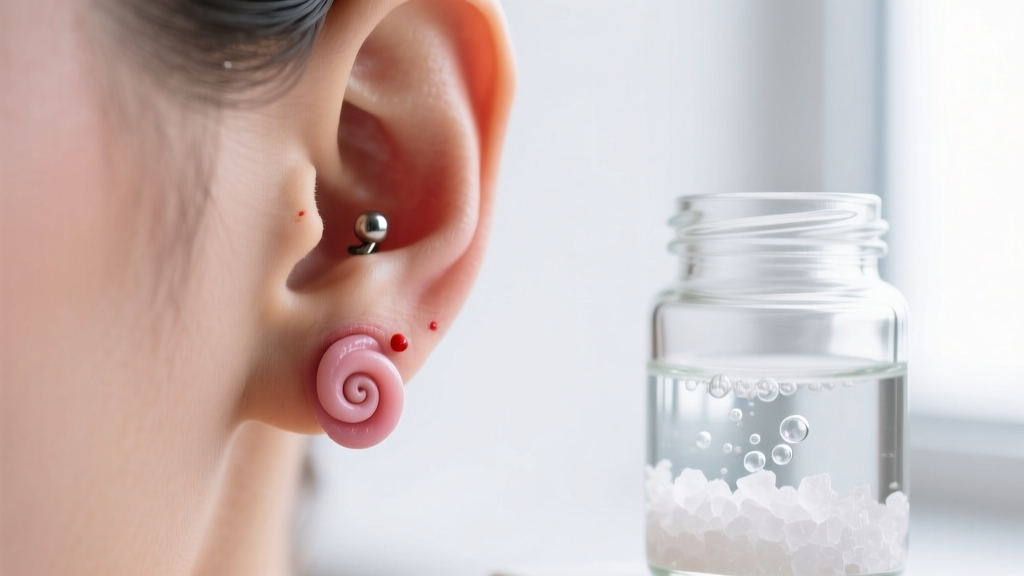
The DIY Saline Trap: Why Kitchen Chemistry Fails
On paper, making your own saline solution for earrings seems like the ultimate budget hack. The traditional recipe—mixing 1/4 teaspoon of non-iodized fine-grain sea salt into 8 ounces of warm distilled water—costs pennies per batch. However, the hidden costs of DIY saline make it a poor value proposition for modern piercing care.
The primary failure mode of DIY saline is a lack of sterility. Even if you use distilled water, the measuring spoons, mixing cups, and storage containers in your kitchen harbor microscopic bacteria and biofilms. Furthermore, achieving the exact 0.9% isotonic ratio is incredibly difficult without a precision digital scale. If the solution is hypertonic (too salty), it will draw moisture out of the healing cells, causing crusting, dryness, and delayed healing. If it is hypotonic (too weak), it can cause the cells to swell and rupture.
Treating an infection or a severe irritation bump caused by improper DIY saline requires purchasing specialized topical treatments, scheduling doctor visits, and potentially losing the piercing entirely. When you factor in the risk, the $5 investment in a sterile, factory-sealed can of generic wound wash is the most cost-effective insurance policy for your new earrings.
The Verdict: How to Maximize Your Earring Aftercare Budget
To optimize your budget without compromising the health of your lobes or cartilage, follow this strict purchasing framework:
- Read the Active Ingredients: The only ingredients listed should be Purified Water (USP) and Sodium Chloride (USP). Nothing else.
- Verify the Concentration: Ensure the label explicitly states "0.9%". Hypertonic solutions (often used for sinus flushing) will damage healing fistulas.
- Check the Aisle: Skip the tattoo and piercing shops. Head directly to the pharmacy first-aid aisle and look for generic "Sterile Soothing Wound Wash".
- Avoid the Word "Solution": In FDA terminology, "saline solution" often implies a multi-use, non-sterile liquid (like contact solution). "Wound Wash" implies a sterile, single-use aerosolized product.
- Buy in Multiples: Since cartilage piercings take up to a year to heal, buy generic wound wash in twin-packs during pharmacy sales to drive your cost per ounce below $0.60.
"The best aftercare is boring aftercare. You do not need ocean minerals, vitamins, or premium branding to heal a piercing. You need a sterile, isotonic, preservative-free environment. Generic wound wash provides exactly that at a fraction of the cost."
By understanding the chemistry and delivery systems behind these products, you can confidently bypass the premium markup. A sterile, generic wound wash provides the exact same biological benefits as the most expensive branded saline solution for earrings, ensuring your piercings heal beautifully while keeping your budget intact.


